

Strategic Planning And Implementation Powerpoint Presentation Slides





Try Before you Buy Download Free Sample Product
 Impress Your
 Audience
 100%
100% Editable
 Save Hours
 of Time


Turn your strategic plans into actions by utilizing Strategic Planning And Implementation Powerpoint Presentation Slides. Key components of the strategic plan which are vision statement, a mission statement, goals, and objectives, an action plan can be described using our content-ready business plan PPT deck. Discuss analytical tools and techniques that are used in strategic planning such as PEST analysis, scenario planning, SWOT analysis, growth-share matrix by taking the aid of business strategy mapping PowerPoint visuals. Present the five stages of strategic planning process such as goal-setting, analysis, strategy formation, strategy implementation, and strategy monitoring by using implementation plan PPT layouts. You can describe outcomes of strategic planning which help to get desired results. Also, highlight the reasons why goal setting is important. Thus, motivate your employees towards achieving the business goals by downloading our professionally designed business model canvas PowerPoint presentation.
People who downloaded this PowerPoint presentation also viewed the following :
Content of this Powerpoint Presentation
Slide 1: This slide introduces the Strategic Planning & Implementation. Add Your Company Name to begin.
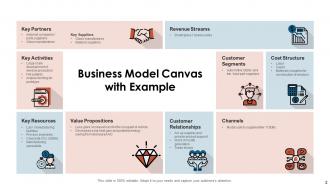
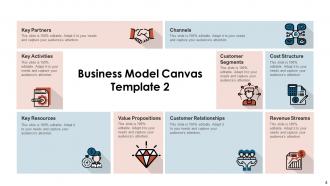
Slide 2: This slide portrays the Business Model Canvas with Example.
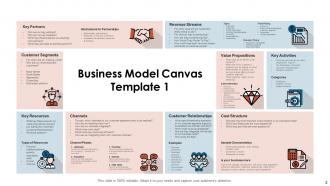
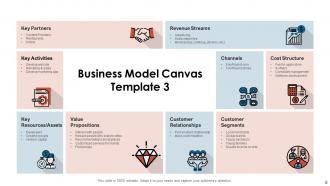
Slide 3: This slide contains a Business Model Canvas Template showing information about- Key Partners, Revenue Streams, Customer Relationships, Customer segments, Key Activities, Channels, Value Propositions, Cost Structure, Key Resources, Customer Relationships.
Slide 4: This slide also contains a Business Model Canvas Template.
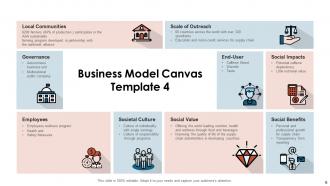
Slide 5: This slide again contains a Business Model Canvas Template.
Slide 6: This slide again contains a Business Model Canvas Template.
Slide 7: This template comprises the Strategic Planning & Implementation Icons slide.
Slide 8: This slide is titled as Additional Slides for moving forward.
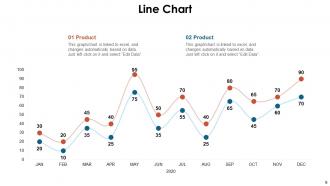
Slide 9: This slide contains an editable Line chart comparing the market growth of two products.
Slide 10: This slide depicts the names and designation of Our Team members.
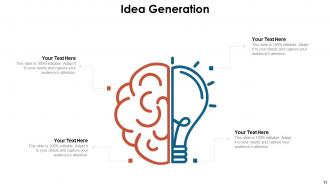
Slide 11: This slide depicts the Idea Generation.
Slide 12: This is a Thank You slide consisting of Address, Contact numbers and email Address.
Strategic Planning And Implementation Powerpoint Presentation Slides with all 12 slides:
Our Strategic Planning And Implementation Powerpoint Presentation Slides enable comprehensive examination. Analyze each detail to the fullest.
FAQs for Strategic Planning And Implementation
So you'll need to scan your environment first - know your market and competition inside out. Set a clear vision and mission, then nail down specific objectives. Honestly, most companies totally bomb at the implementation phase though. Get your strategies mapped out with actual timelines and someone accountable for each piece. Don't make it a one-person show either - loop in stakeholders throughout, not just that initial kickoff meeting everyone loves. Oh, and build in quarterly reviews from the start. I've literally watched strategic plans sit untouched for months because nobody scheduled follow-ups. That's where everything falls apart.
Look, first thing - dig out your mission and vision statements (even if they're kinda cheesy). Those are actually useful here. Map your strategic goals back to them directly. Can't connect a goal to your mission? Red flag. Either scrap the goal or update those statements. Honestly, most companies skip this step and wonder why their strategy feels scattered. Ask yourself: does this goal actually move us toward our mission? Will it get us closer to our vision? If you're squinting trying to make the connection work, that's your answer right there. Fix this foundation first and the rest becomes way easier.
Honestly, SWOT analysis is like doing a reality check before making any big moves. Map out your strengths, weaknesses, opportunities, and threats first. Sounds boring, I know, but it actually works because it stops you from bullshitting yourself about where you stand. Once you see everything laid out, your strategic priorities become way clearer - you can play to your strengths when good opportunities pop up, or fix the weak spots that might screw you over later. It's pretty much the foundation that makes everything else make sense. Trust me, skip this step and you're just guessing.
Look, most companies do the big strategic review once a year, but honestly? The smart ones are checking in way more often. I'd say quarterly mini-reviews work best - just to see if you're still on track or if something major happened that throws everything off. Markets change fast these days. Then do your heavy-duty annual review where you might scrap whole sections and start over. Don't pivot every time there's a tiny shift though, or you'll go crazy. Oh, and actually put those quarterly check-ins on your calendar right now - I always forget otherwise.
Track both financial stuff (revenue growth, profit margins, ROI) and operational metrics like customer satisfaction and employee engagement. Here's what works for me - pick maybe 5-7 that actually connect to your main goals. More than that and you'll get overwhelmed by all the numbers. I do this "dashboard test" thing where if I can't explain why a metric matters in one sentence, I ditch it. Market share and milestone completion are usually solid picks too. Review quarterly so you're not constantly tweaking things. The non-financial ones are honestly just as important as the money stuff, even though people tend to focus on revenue first.
Definitely start by figuring out who your key stakeholders are and loop them in early - don't wait until you've already made all the decisions. I totally bombed this once by presenting what I thought was a brilliant final strategy, only to realize I'd completely missed what our biggest client actually wanted. Awkward! Anyway, do surveys, focus groups, whatever works to get their input on priorities and challenges. The trick is showing people how you actually used their feedback - otherwise they'll think you just ignored them. Oh, and make a simple stakeholder matrix so you don't accidentally forget anyone important.
Dude, the worst thing is when these sessions just become endless talking circles with zero actual decisions. Keep your group small - I've seen too many meetings with like 15 people where nobody can agree on anything. Come prepared with actual data, not just vibes. Oh and don't try to solve world hunger in one sitting, you know? Pick one focused problem. Honestly, half these strategy sessions end up as pretty PowerPoints that nobody ever looks at again because no one's actually responsible for doing anything. Make sure someone owns the follow-through or you're basically just having expensive conversations.
Honestly, tech is a game-changer for strategic planning. You get actual data instead of just winging it - analytics show you what's really going on with your business and market. Plus everything moves faster with automation and project management tools tracking your progress. But here's the thing - tech changes so damn quickly that your assumptions can become obsolete before you know it. I'd build in more flexibility and check your plans way more often. Like every few months instead of once a year. Otherwise you'll be planning for a world that doesn't exist anymore.
You can't really plan anything big without thinking about what might screw it up, honestly. So when I'm setting goals, I always map out the risks at the same time - kind of like how you'd check if it's gonna rain before planning a picnic. The best plans account for problems before they happen. Take each major goal and write down 3-5 things that could derail it. Then figure out how you'll handle those situations. It's way easier than scrambling when stuff inevitably goes sideways later.
Honestly, just make it part of your regular conversations instead of saving it for those boring quarterly meetings. Ask "why" and "what if" questions during normal team stuff. Give people actual time to think about the bigger picture - I've watched teams completely flip when managers ditch the micromanaging and talk about how projects connect to real goals. Let them experiment without freaking out about mistakes. Weave it into your weekly check-ins and project reviews. Even casual chats work. The trick is being consistent about it. Make strategic thinking feel normal, not like some special event you roll out twice a year.
So competitive analysis is basically your roadmap for not making dumb moves. Watch what your competitors are doing - their pricing, their gaps, where they're screwing up. You'll spot opportunities they're missing and figure out how to stand out. I always check what the successful ones are doing differently (and what the failing ones did wrong, honestly that's sometimes more useful). It also keeps your expectations realistic - like if it took the market leader 3 years to hit certain revenue, you know what you're looking at timeline-wise. Pick maybe 4-5 direct competitors and review their stuff every few months.
Short-term planning is like your next 1-2 years - quarterly goals, specific campaigns, the stuff that's happening right now. Long-term? That's your 3-10 year vision, the big picture stuff. Most companies are actually terrible at long-term planning because it feels too abstract or whatever. But you can't just do one without the other - your short-term moves should connect to where you're trying to go eventually. Otherwise you're just scrambling around putting out fires instead of building toward something real. It's way easier to focus on immediate targets, but that bigger vision keeps you from getting lost in the weeds.
Okay so you basically can't send the same boring PowerPoint to everyone and expect it to work. Executives want their dashboards and quarterly stuff. Your regular employees? They need town halls, team meetings, maybe some simple one-pagers that actually show how their daily work fits into the big picture. Most people honestly just care about "what does this mean for ME?" - which makes total sense. Board members want completely different info than your front-line people do. Mix up your channels too - email, meetings, intranet, whatever people actually use. Oh and here's a good test: grab someone random and ask them to explain the strategy back. If they can't do it in normal English, you're probably overcomplplicating things.
Honestly, communication is everything here. Start by explaining what's happening, why it matters, and how it'll actually impact each person. Find your key people early - they'll fight for you when others push back (which they definitely will). Quick wins are gold for showing momentum. Oh, and don't ignore the emotional stuff - change freaks people out, so be real about their concerns. The biggest thing though? Someone needs to own this whole process. I've seen too many solid plans die because nobody was actually driving them forward. Without an owner, you're basically just making fancy documents.
Honestly, scenario planning is a game-changer for making your strategy actually work in the real world. You pick like 3-4 realistic situations that could mess with your business - maybe a recession hits, or some competitor does something crazy, or new tech disrupts everything. Then you figure out how your plan would handle each one. Way better than just hoping everything goes perfectly, right? It's basically stress-testing your strategy before you need it. You'll spot the weak points early and can build in backup plans from day one instead of panicking later when stuff inevitably goes sideways.
No Reviews