

Business plan executive summary powerpoint presentation slides





Try Before you Buy Download Free Sample Product
 Impress Your
 Audience
 100%
100% Editable
 Save Hours
 of Time


Building an actionable business plan executive summary PowerPoint presentation now will just take minutes. The only thing that you must do here is to click and download our professionally designed sales plan example slide presentation. With help of our business plan executive summary PPT slide show, you can give sales training to your work force for developing better selling skills. You can develop a sense of continuous improvement attitude among your sales team by showcasing the problems and bottlenecks using this readymade business plan presentation. Going further, this business plan executive summary presentation sample file also supports to encourage work force to develop strategic sales plan to augment sales and develop strong networks. To thoroughly cover each aspect of action plan for sales, we have included creative PowerPoint presentation slides like channel marketing strategy, currently active channels, target buyers and customers, lead generation process, financial highlights etc. In short, you have got the best sales plan sample PPT model. Now is the time to click and download this to have more sales. Encourage your henchmen with our Business Plan Executive Summary PowerPoint Presentation Slides.
People who downloaded this PowerPoint presentation also viewed the following :
Content of this Powerpoint Presentation
Slide 1: This slide introduces Business plan executive summary. State Your Company Name and get started.
Slide 2: This is an Agenda slide. State your agendas and proceed.
Slide 3: This slide shows Vision Of The Company with target imagery and text boxes.
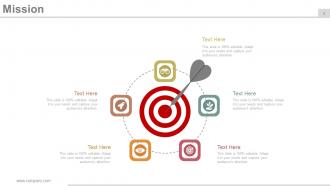
Slide 4: This slide shows Mission of the company. State your company mission here.
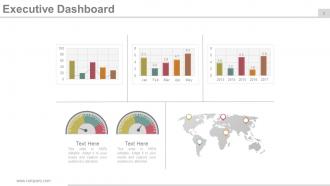
Slide 5: This slide showcases Executive Dashboard. State your facts here.
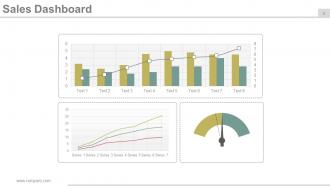
Slide 6: This slide displays sales
Dashboard for measuring sales.
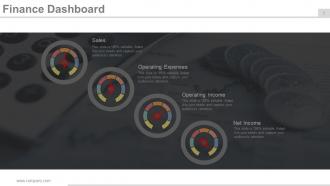
Slide 7: This slide displays a Finance dashboard for- Sales, Operating Expenses, Operating Income, Net Income.
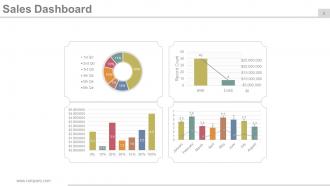
Slide 8: This slide showcases Sales Dashboard with charts and graphs.
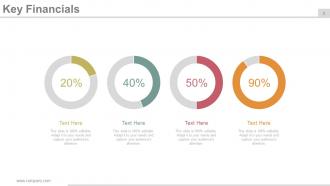
Slide 9: This slide shows to present Key Financials in a creative way with donut charts.
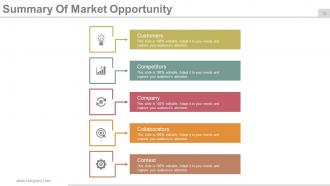
Slide 10: This slide presents Summary Of Market Opportunity in terms of- Context, Collaborators, Company, Customers, Competitors.
Slide 11: This slide shows Target Market for business.
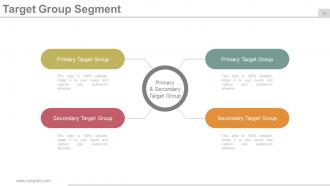
Slide 12: This slide showcases Target Group Segment as Primary & Secondary.
Slide 13: This slide presents Target Market Share in terms of (%), Best Case, Likely Case, Worst Case.
Slide 14: This slide displays Key Potential Customers as Target and Audience.
Slide 15: This is a Customer Growth Matrix slide with the following parameters for customer and products - Grow Market Share, Market Expansion, Customer Retention
, Cross Selling.
Slide 16: This slide presents Geographical Target Segment in world map image to specify geographic segmentation of the customers..
Slide 17: This slide presents a Timeline image for 'What You Plan To Sell' in terms of years.
Slide 18: This slide shows 'Area Of Focus' for business or the market.
Slide 19: This slide shows Unique Selling Proposition by displaying- What Your Competitor Does Well, What Your Brand Does Well, What Your Consumer Wants.
Slide 20: This slide showcases 'Expansion Of Value Proposition' with respective text boxes to go with.
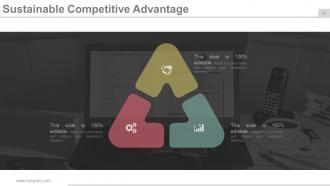
Slide 21: This slide presents Sustainable Competitive Advantage for the business to run smoothly.
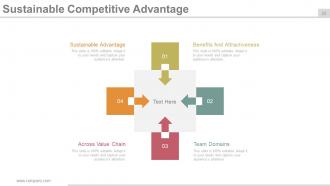
Slide 22: This slide showcases Sustainable Competitive Advantage with four sub headings- Sustainable Advantage, Across Value Chain, Team Domains, Benefits And Attractiveness.
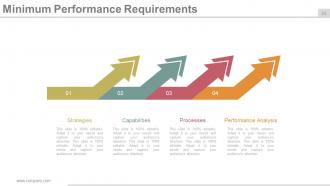
Slide 23: This slide shows the factors for 'Minimum Performance Requirements' such as- Strategies, Capabilities, Processes, Performance Analysis.
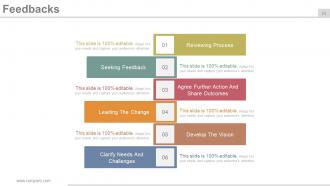
Slide 24: This slide presents Feedbacks in various aspects- Seeking Feedback, Reviewing Process, Agree Further Action And Share Outcomes, Develop The Vision, Clarify Needs And Challenges, Leading The Change.
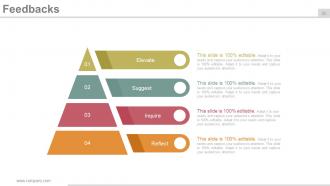
Slide 25: This slide showcases Feedbacks with following sub headings (factors)- Inquire, Reflect, Suggest, Elevate.
Slide 26: This slide displays Competitors with imagery to go with.
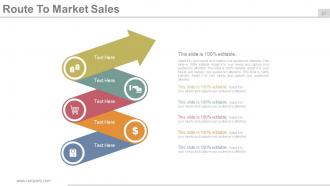
Slide 27: This slide showcases Route To Market Sales with respective image and text boxes.
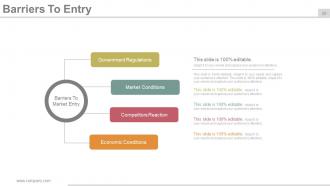
Slide 28: This slide shows market Barriers To Entry such as- Government Regulations, Market Conditions, Competitors Reaction, Economic Conditions, Barriers To Market Entry.
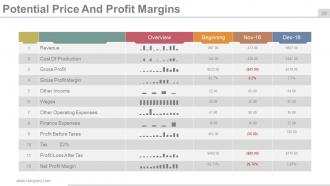
Slide 29: This slide table presents Potential Price And Profit Margins with overview and dates.
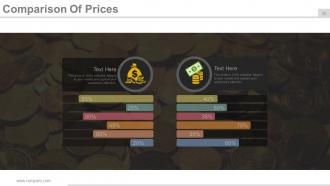
Slide 30: This slide shows Comparison Of Prices with creative imagery and text boxes.
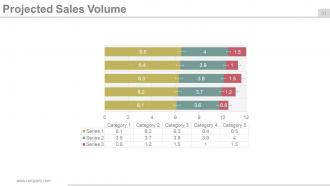
Slide 31: This slide showcases Projected Sales Volume in terms of categories.
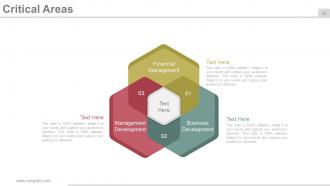
Slide 32: This slide showcases Critical Areas to assess. The areas are- Management Development, Business Development, Financial Management.
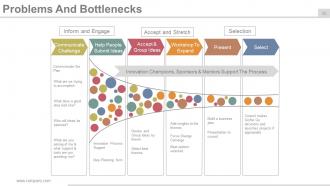
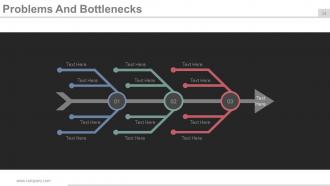
Slide 33: This slide presents Problems And Bottlenecks with three main sub headings- Inform and Engage (Communicate Challenge, Help People Submit Ideas), Accept and Stretch (Accept & Group Ideas, Workshop To Expand), Selection (Present, Select).
Slide 34: This slide presents Problems And Bottlenecks in creative arrow image form with text boxes.
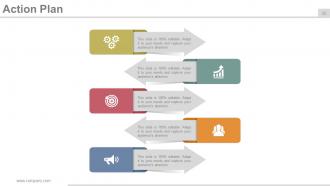
Slide 35: This slide presents Action Plan as heading with text boxes to go with.
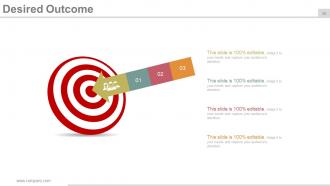
Slide 36: This slide shows Desired Outcome with target arrow and text boxes.
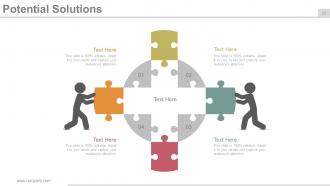
Slide 37: This slide showcases Potential Solutions as heading with puzzle text boxes.
Slide 38: This slide presents Finding Requirements with the following aspects- Program Guaranteed, Eligible Cost, Non- Federal Funding, Funding Requirement, Total Cost, Loan Other Federal Funding.
Slide 39: This slide is way forward to ADDITIONAL SLIDES added.
Slide 40: This slide presents Our Team with designation, image text holder and text boxes.
Slide 41: This is an About Us slide. State your position, facts or anything business here.
Slide 42: This is an Our Goal slides. State your goals here.
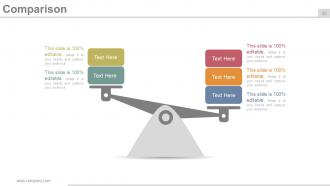
Slide 43: This slide shows Comparison in a creative manner with balancing scale and text boxes.
Slide 44: This slide showcases Financial scores to be put.
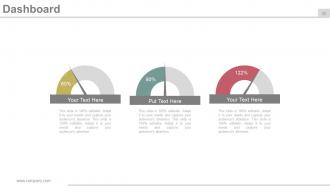
Slide 45: This slide displays a Dashboard with text boxes to go with.
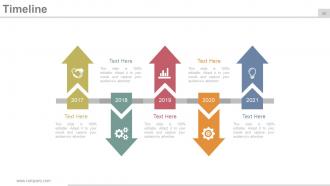
Slide 46: This slide presents a Timeline. Jot down your highlights, or present milestones etc. here.
Slide 47: This slide shows a Puzzle with text boxes.
Slide 48: This slide shows Target board with text boxes.
Slide 49: This slide presents a Circular diagram with text boxes.
Slide 50: This slide presents a Venn diagram with text boxes.
Slide 51: This slide presents a creative Mind Map with many text boxes.
Slide 52: This is a high low Matrix slide. Use it as per your data/info.
Slide 53: This is a Lego Blocks slide with text boxes.
Slide 54: This is a people Silhouettes slide with text boxes and chain image.
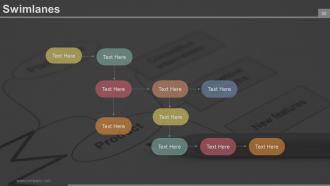
Slide 55: This is a Swimlanes slide to put text or information.
Slide 56: This is a Bulb Or Idea slide. Present any new information, data here.
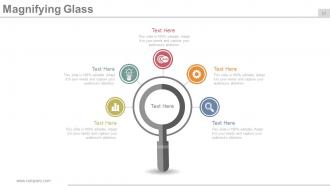
Slide 57: This slide presents a Magnifying Glass with text boxes and icon imagery.
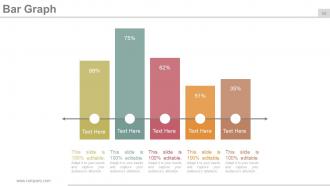
Slide 58: This slide displays a Bar Graph to put data information.
Slide 59: This is a Funnel diagram slide. Put information in funnel form here.
Slide 60: This is a THANK YOU slide with Address # street number, city, state, Contact Numbers and email address.
Business plan executive summary powerpoint presentation slides with all 60 slides:
Orientate yourself with our Business Plan Executive Summary Powerpoint Presentation Slides. They will define the right path in the maze of options.
-
Business Plan Executive Summary
-
Agenda
-

Vision Of The Company
-
Mission
-
Executive Dashboard
-
Sales Dashboard
-
Finance Dashboard
-
Sales Dashboard
-
Key Financials
-
Summary Of Market Opportunity
-
Target Market
-
Target Group Segment
-
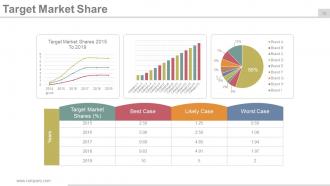
Target Market Share
-
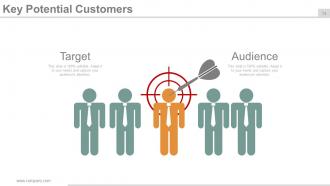
Key Potential Customers
-
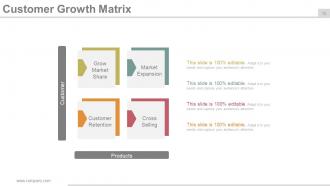
Customer Growth Matrix
-
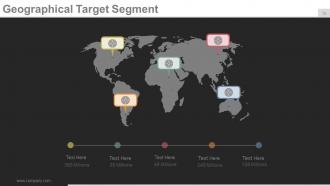
Geographical Target Segment
-
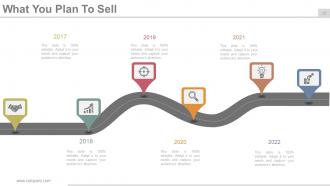
What You Plan To Sell
-
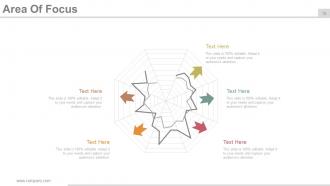
Area Of Focus
-
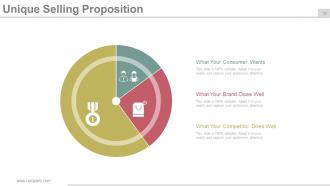
Unique Selling Proposition
-
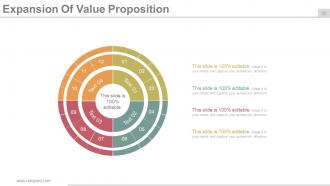
Expansion Of Value Proposition
-
Sustainable Competitive Advantage
-
Sustainable Competitive Advantage
-
Minimum Performance Requirements
-
Feedbacks
-
Feedbacks
-

Competitors
-
Route To Market Sales
-
Barriers To Entry
-
Potential Price And Profit Margins
-
Comparison Of Prices
-
Projected Sales Volume
-
Critical Areas
-
Problems And Bottlenecks
-
Problems And Bottlenecks
-
Action Plan
-
Desired Outcome
-
Potential Solutions
-
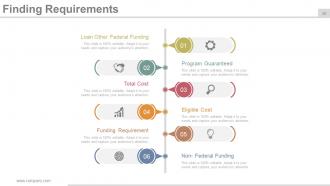
Finding Requirements
-

Additional Slides
-
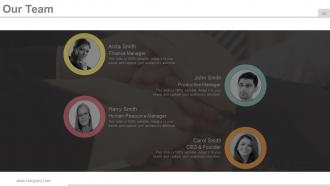
Our Team
-
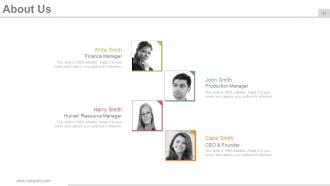
About Us
-
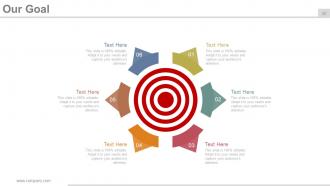
Our Goal
-
Comparison
-
Financial
-
Dashboard
-
Timeline
-
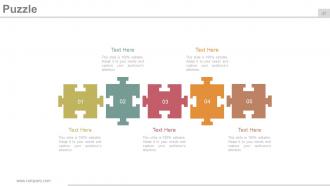
Puzzle
-
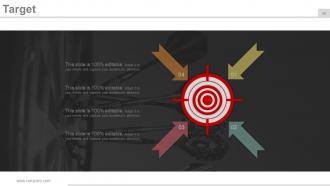
Target
-
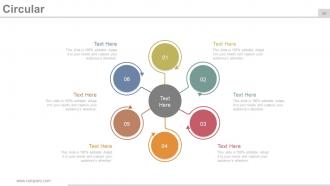
Circular
-
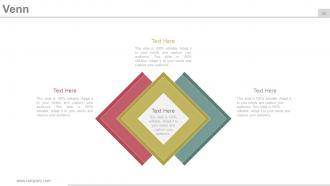
Venn
-
Mind Map
-
Matrix
-
Lego Blocks
-
Silhouettes
-
Swimlanes
-
Bulb Or Idea
-
Magnifying Glass
-
Bar Graph
-
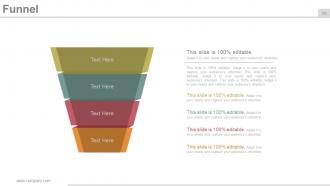
Funnel
-

Thank You Slide
FAQs for Business plan executive summary
Okay so your exec summary needs the basics: problem, solution, target market, competitive edge, and financials. Most investors read this first and bail if it sucks, honestly. Include your business model, funding needs, and key team players too. Each part should be short but punchy - whole thing can't be more than 1-2 pages. Here's the weird part: write it last even though it goes first. That way you can pull the best stuff from your full plan instead of trying to wing it upfront.
Honestly, you gotta do your homework on these investors first. Check out their portfolio - what companies did they back recently? ESG-focused funds want to hear about your sustainability stuff right away. Tech VCs are all about that scalability and disruption angle. The boring traditional investors? Just hit them with solid financials upfront. Also look at their typical exit timelines - some want quick flips, others are in it for the long haul. Match their energy too. Conservative projections vs moonshot potential, you know? It's kinda like dating - you wouldn't use the same pickup line on everyone, right? Same deal here.
Dude, storytelling is a game changer for executive summaries. Don't just dump facts on investors - they're drowning in those already. Paint the picture of how you stumbled onto frustrated customers who couldn't find decent solutions anywhere. It's honestly night and day compared to boring bullet points. You want them thinking about your pitch over dinner, not forgetting it five minutes later. Frame it like a journey: problem hits, you swoop in with the fix. Way more memorable than "market analysis indicates opportunity." Trust me on this one.
Keep it to one page, maybe two if you absolutely have to. Here's the thing - investors are swamped with these proposals, so you've got like 3-4 minutes before they decide if it's worth their time. Hit the big stuff: problem, solution, market size, money projections, and why your team doesn't suck. Don't get all wordy about it. The exec summary is basically your trailer - it should make them actually want to read the full business plan. Lead with whatever your strongest point is (probably not your team, let's be honest). Every sentence needs to pull its weight or it's gone.
Honestly, most people mess this up by writing a freaking novel - keep it under 2 pages, seriously. Don't get sucked into boring technical stuff when investors want the big picture. Being vague about money or market size will kill you instantly (they can smell BS from miles away). Here's the thing though - write your full business plan first, THEN do the executive summary. I know it sounds backwards but trust me on this. Also, break up that wall of text! Nobody reads giant paragraphs anymore. Think elevator pitch on paper, not your life story.
Yeah, totally! Charts and graphs make such a huge difference. Like instead of dumping a paragraph of revenue numbers, just throw in a simple line graph - way easier to scan. Bar charts work great for key metrics too. I'd probably do pie charts for market share stuff. Just don't go crazy with it though, you know? Nobody wants it looking like some over-designed presentation. Keep them clean and tied to your biggest points. Honestly, visuals are perfect for highlighting your strongest financial data since that's what investors really care about anyway.
Okay so definitely hit the big stuff - market size, revenue projections for the next few years, customer acquisition costs. Market validation is actually more important than people think though. If you've got real customers, pre-orders, pilot results, whatever - lead with that. Honestly investors don't care as much about your exact numbers as whether your logic makes sense. Show them your competitive edge too, any tech or partnerships that set you apart. Oh and don't go overboard with metrics that don't actually prove you can grow. Keep it focused on what matters for your specific stage.
Dude, jump straight into what makes you different. Skip all that "we're customer-focused" garbage - literally everyone says that. What's your secret sauce? Proprietary tech? Crazy good market position? Whatever it is, lead with specifics, not fluff. Think about it this way - what would make someone actually stop scrolling? Real numbers work way better than saying you're "the best" at something. Your competitive edge needs to smack them in the face right upfront. Don't bury it on page 3. Honestly, if competitors can't copy what you're doing, that's your golden ticket. Make it obvious from sentence one.
Honestly, just hit the big stuff - market size, growth potential, who you're up against. Don't dump a ton of data on them right away. What sets you apart from competitors? That's the money shot. Keep it short, maybe 2-3 paragraphs tops. I learned this the hard way - investors want headlines first, not your whole research project. Show them you actually get your market and aren't just throwing darts blindfolded. The detailed charts can come later when they're already interested.
Look, investors are basically skimming your exec summary to figure out if you're worth their time. They want the money stuff right up front - projected revenue, big expenses, when you'll actually make money. Don't dump every single detail (that's what the rest of your plan is for), but give them enough to get interested. Honestly, I've seen great business ideas get passed over just because the exec summary didn't have clear numbers. It's like showing up to a pitch without knowing your own financials. Short version: include the financial highlights or risk getting ignored completely.
Honestly? Ditch the generic "changing the world" nonsense - I've read way too many pitches that sound like robots wrote them. Your mission should actually say what you do and who you help. Be specific about where you're going with your vision too. Like, instead of "revolutionizing healthcare" (ugh), tell me exactly how you're cutting costs or helping patients get better outcomes. Both statements need to match what your company can realistically do. I swear, half these mission statements could be swapped between any two startups and nobody would notice the difference.
Look, don't make promises you can't keep - those overly rosy projections will bite you later. Keep competitor details out of it (NDA violations are messy). Be upfront about the rough stuff instead of sugar-coating everything. Trust me, investors who feel misled become your worst nightmare. Mark those financial numbers as estimates, not guarantees. Oh, and definitely don't share anything confidential that could get you sued. Honestly? Just have a lawyer eyeball the whole thing first. Way cheaper than dealing with legal drama down the road when someone claims you deceived them.
Your exec summary needs to change when your strategy does - treat it like it's actually alive. Target market pivot? Update those customer segments and market analysis sections. Revenue projections definitely need a refresh too. I swear, half the startups I know forget this step and their summaries become total garbage that just confuse investors. Check if your value prop still makes sense with the new direction. Competitive positioning might be off now if you're hitting different markets. Set up some kind of quarterly check-in so you're not scrambling later. Way easier than realizing it's outdated right before a big pitch.
Get a bunch of different people to look at it. Investors and mentors will tear apart your value prop (in a good way). Customers are obviously huge - they'll tell you if you're actually fixing their problems or just think you are. Run it by your team too, plus maybe someone totally outside your space who can catch weird jargon. Oh, and don't just ask "thoughts?" - that gets you nothing useful. Make a feedback form with real questions. Test a few versions if you can. Honestly, the outside perspective thing is underrated.
Your exec summary needs to work solo because investors won't always read your full plan. Hit the big stuff - what you're doing, market size, why you'll win, money projections, and how much cash you need. It's like a movie trailer but actually useful. Partners can figure out fast if you're worth their time before scheduling calls. Two pages max, honestly. Make it flow well even if that's literally all they see. I always tell people to pretend the rest of your business plan got lost - would this summary still make sense?
-
Nice
-
Top Quality presentations that are easily editable.
-
Excellent work done on template design and graphics.