


Staff Orientation Powerpoint Ppt Template Bundles





Try Before you Buy Download Free Sample Product
 Impress Your
 Audience
 100%
100% Editable
 Save Hours
 of Time


Our Staff Orientation Powerpoint Ppt Template Bundles are topically designed to provide an attractive backdrop to any subject. Use them to look like a presentation pro.
People who downloaded this PowerPoint presentation also viewed the following :
Staff Orientation Powerpoint Ppt Template Bundles with all 18 slides:
Use our Staff Orientation Powerpoint Ppt Template Bundles to effectively help you save your valuable time. They are readymade to fit into any presentation structure.







FAQs for Staff Orientation Powerpoint
Honestly, it's all about getting people up to speed without drowning them in paperwork. Cover the basics - company culture, policies, what their actual job entails. But don't forget the relationship stuff! Help them connect with their team and show how their role matters in the big picture. Too many places just hand over a stack of forms and wonder why new hires feel lost. Set clear expectations early and give them what they need to actually do well. The trick is finding that sweet spot between informative and engaging - you want them walking out pumped, not panicking.
So I'd totally mix things up with different formats - throw in some infographics for visual people, maybe some role-playing (I know, sounds cheesy but it works), and definitely group discussions. Breaking everything into chunks helps too. Oh, and record the important stuff so they can go back later if needed. Interactive activities always kill it compared to just talking at people for hours. You could even survey them beforehand about how they like to learn, then build your session around that. Way better than the same boring slideshow everyone does.
Look, culture is literally everything when it comes to orientation. It decides whether you're doing stuffy PowerPoints or just grabbing coffee and talking. Your first few days should actually *show* new people what it's like to work there, not just tell them about your values on a poster somewhere. Are you team-focused? Individual? Formal or chill? That's what shapes the whole experience. Don't just mention your company values once and call it done - weave that stuff throughout everything. Also yes, definitely still show them the coffee machine because priorities, right? But think bigger than logistics.
Dude, ditch the binder thing - it's brutal. Interactive platforms are game-changers, plus VR workplace tours actually keep people awake. Mobile apps let newbies work through stuff whenever, which is clutch. I sat through one of those 6-hour marathon sessions once and wanted to die. Digital tracking shows you who's struggling, automated reminders save your sanity. New hires can go back and check things later instead of scribbling notes like crazy. Honestly? Even just putting your checklist on a simple digital platform will make everything smoother. Start there and build up.
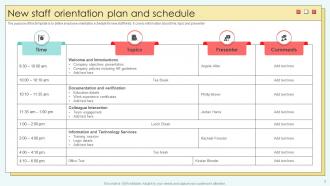
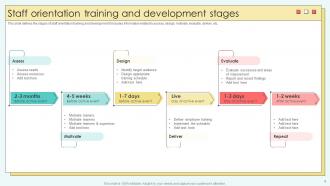
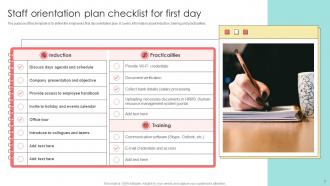
So you'll want to cover three main areas: all the paperwork/admin stuff, job training, and helping them feel like they actually fit in. Benefits enrollment and IT setup are boring but gotta get done first. Then do the fun stuff - job shadowing, meeting their team, maybe grab lunch together? Oh, and definitely include some company history so they're not totally lost in meetings. Role-specific training and system access comes next. I'd set up check-ins at 30, 60, and 90 days because people are usually too polite to say when they're confused about something.
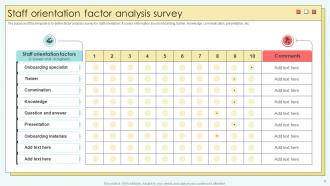
Build feedback right into your timeline from the start. Weekly surveys work great. Quick pulse checks during training sessions too. Don't wait until the end when people forget everything - that's honestly a waste. Set up regular check-ins with managers, and those peer feedback sessions where new hires compare notes? Pure gold. I'd probably throw in exit interviews at the program's end as well. Make it frequent and simple, not one massive survey later. Then actually use what you learn to fix things for the next group coming through.
Skip the boring "diversity day" approach - nobody wants that. Instead, mix D&I naturally throughout orientation. Have diverse leaders present different sessions and share actual employee stories from various backgrounds. Show how company values work in real situations, not just on paper. Cover unconscious bias basics and reporting processes, but honestly? The mentor pairing is huge. Match new hires with people from other departments or backgrounds right away. That's how they'll build diverse networks from day one. Also make sure you're explaining inclusive language - it matters more than people think.
Honestly, breakout rooms are your best friend here. Don't just lecture at people for hours - I've literally watched someone fall asleep on camera and it was so uncomfortable. Mix in polls, Q&A stuff, maybe pair them with someone who's been around a while. Oh, and send them actual packages beforehand! Something they can touch makes it feel more real. Break everything into shorter chunks over a few days instead of one marathon session. Nobody's attention span survives that. Start with figuring out your interactive bits first, then fill in around those.
Honestly, those follow-up sessions are a game changer for keeping new people around. Most companies just dump everything on someone during orientation (which is way too much info at once) and then ghost them. Bad move. When you actually check back at like 2 weeks, then a month, and again at 3 months, you're catching issues before they become resignation letters. New hires feel less abandoned, you can repeat the important stuff they definitely forgot, and they'll actually ask questions instead of just struggling silently. It's such an easy fix but somehow half the companies I've worked for skip it entirely.
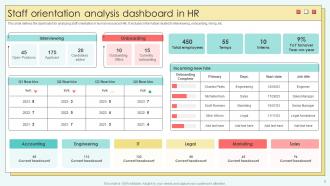
Here's what I'd track: time-to-productivity is huge - basically how fast new people actually start performing well. Also watch your 90-day retention rates because crappy onboarding makes people bail fast. Post-orientation surveys help too, plus getting honest feedback from managers about whether new hires seem ready for the job. Some places do knowledge tests but honestly? The productivity and retention numbers matter way more. Oh and don't try tracking everything - pick like 2-3 things that actually matter to your company and stick with those. You'll get much better data that way.
Honestly, role-playing is clutch for this stuff. You basically simulate the messy situations without anyone actually getting fired, you know? Have them practice handling angry customers, team drama, or when they screw something up. I've watched people go from terrified to totally comfortable after running through these scenarios a few times. Mix it up - let them play different roles so they get what everyone's dealing with. Oh, and definitely start simple before throwing them into the deep end. Recording sessions is smart too since they can watch themselves back later and cringe at what didn't work.
Honestly, the worst thing you can do is info dump everything on them. People check out after like 20 minutes max. Make it interactive - nobody wants to sit through some boring monologue where they can't ask questions. Update your content too (seriously, don't reference that "new" system from 2019). Don't assume they know basic company stuff either. Clean slides are your friend - walls of text will put everyone to sleep. Oh, and definitely plan time for questions throughout, not just at the end. Give them an outline upfront but focus on what actually matters for their first day.
Oh definitely do the buddy system thing! Match new people with someone experienced from day one - but actually think about personalities, don't just grab whoever's free. Daily check-ins the first week work great, then maybe weekly after that. Honestly, the mentors need some kind of structure or checklist so they know what they're supposed to be doing. Otherwise it gets weird and awkward. You want it organized enough to actually help but not so rigid that it feels forced. When it works, those relationships usually turn into something real.
Oh man, time management during orientation is huge! I've watched new hires completely zone out when things drag on forever - such a bad look for the company. Break everything into chunks people can actually handle. Start with the must-know stuff first, then work your way down. Regular breaks are clutch too, nobody retains info when they're sitting there for hours straight. Buffer time for questions is smart because someone always has like three random things to ask. Keep it tight but don't rush through everything either. Balance is key here.
Start with a master checklist and training modules that every location has to use - seriously, I've watched places completely bomb this when each site does their own thing. Digital platforms are perfect for tracking who's done what. Pick someone at each location to run orientations and have them talk monthly about what's actually working. Oh and definitely send someone around to check on orientations in person every so often. You'd be surprised what you catch. Focus on your three most important topics first instead of trying to fix everything at once.
-
I looked at their huge selection of themes and designs. They appeared to be ideal for my profession. I'm sure I'll grab a few of them.
-
Great designs, really helpful.