


Startup-Unternehmensstrategie Powerpoint-Präsentationsfolien





Try Before you Buy Download Free Sample Product
 Impress Your
 Audience
 100%
100% Editable
 Save Hours
 of Time


Unsere Startup-Unternehmensstrategie Powerpoint-Präsentationsfolien sind thematisch gestaltet und bieten einen attraktiven Hintergrund zu jedem Thema. Verwenden Sie sie, um wie ein Präsentationsprofi auszusehen.
People who downloaded this PowerPoint presentation also viewed the following :
Startup Unternehmensstrategie Powerpoint-Präsentationsfolien mit allen 88 Folien:
Nutzen Sie unsere Powerpoint-Präsentationsfolien zur Strategie der Startup-Unternehmen, um Ihre wertvolle Zeit effektiv zu sparen. Sie sind vorgefertigt, um in jede Präsentationsstruktur zu passen.












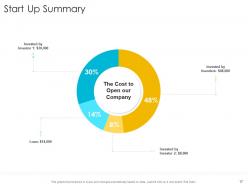
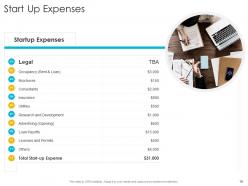
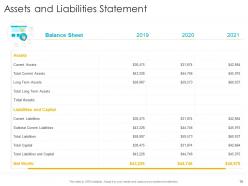



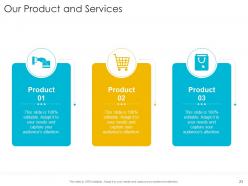




































FAQs for Startup company strategy
Startups should consider market size and growth potential, customer pain points and willingness to pay, competitive landscape analysis, their own capabilities and resources, and regulatory or industry constraints. Through thorough market research and customer validation, many successful startups find that narrowing their initial focus to a specific niche enables faster product-market fit and sustainable scaling opportunities.
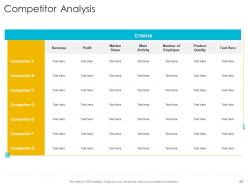
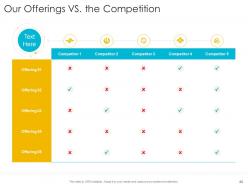
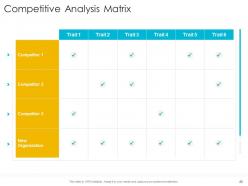
Startups can leverage competitive analysis by examining competitor pricing models, market positioning, customer feedback, product features, and marketing strategies to identify gaps and opportunities. This strategic intelligence enables startups to differentiate their offerings, optimize resource allocation, and develop targeted go-to-market approaches, ultimately delivering competitive advantages and accelerated market penetration in increasingly crowded landscapes.
A unique value proposition serves as the foundation of startup strategy by clearly defining what differentiates the company from competitors, guiding product development, and shaping marketing messaging. This strategic anchor enables startups to focus their limited resources effectively, attract targeted customers, and communicate their core benefits consistently, with many successful ventures finding that a compelling value proposition accelerates market penetration and investor interest.
Startups should align short-term milestones with long-term objectives by setting quarterly goals that build toward their ultimate vision, while maintaining flexibility to pivot when market conditions change. This strategic balance enables companies to secure immediate funding and customer validation, while positioning themselves for sustainable growth, with many successful startups finding that iterative planning delivers both operational stability and competitive advantage.
Effective validation methods include customer interviews, surveys, landing page tests, minimum viable products (MVPs), and pre-order campaigns. These approaches enable startups to gather real market feedback, assess demand, and refine their value proposition before significant investment, with many founders finding that combining multiple validation techniques delivers stronger market insights and reduces launch risks.
Startups can leverage customer feedback by conducting regular surveys, analyzing user behavior data, implementing beta testing programs, and maintaining direct communication channels with early adopters. This strategic approach enables founders to prioritize feature development, reduce product-market fit risks, and accelerate iteration cycles, with many successful startups finding that customer-driven development significantly improves retention rates and market penetration.
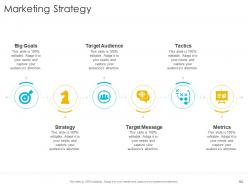
Startups can build strong brand identity through consistent visual design, authentic storytelling, targeted audience research, strategic social media presence, and clear value proposition messaging. These foundational elements work together by establishing market differentiation, building customer trust, and creating memorable experiences, with many successful startups finding that early brand investment ultimately delivers competitive advantage and customer loyalty.
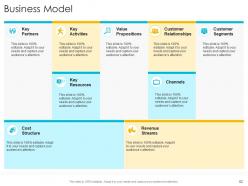
Critical elements of a scalable business model include standardized processes, technology-driven automation, recurring revenue streams, efficient customer acquisition systems, and flexible operational infrastructure. These components work together by minimizing marginal costs, accelerating growth capacity, and enabling rapid market expansion, with many successful startups finding that strategic automation and repeatable systems ultimately deliver sustainable competitive advantage while reducing resource constraints.
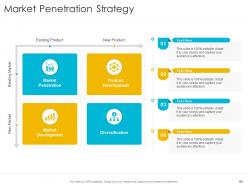
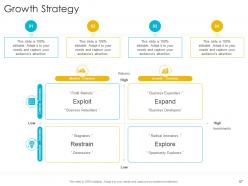
Startups can establish sustainable growth by focusing on niche differentiation, customer retention optimization, strategic partnerships, data-driven decision making, and scalable operational frameworks. Through targeted market positioning and lean resource allocation, many emerging companies streamline customer acquisition costs while enhancing service delivery, ultimately building competitive moats that enable long-term market presence and profitability.
Startups should prioritize technology integration partnerships, distribution channel alliances, complementary service providers, industry influencer collaborations, and strategic supplier relationships to enhance market presence. These partnerships enable startups to access established customer bases, reduce operational costs, and accelerate market penetration, with many emerging companies finding that strategic alliances deliver faster growth and competitive positioning than standalone approaches.
Startups can leverage social media marketing, content creation, search engine optimization, email campaigns, and influencer partnerships to build brand visibility cost-effectively. These digital strategies enable targeted audience engagement, data-driven campaign optimization, and measurable ROI tracking, with many emerging companies finding that strategic digital marketing delivers faster customer acquisition and sustainable growth compared to traditional advertising methods.
Startups should track revenue growth rate, customer acquisition cost (CAC), lifetime value (LTV), burn rate, runway length, and gross margin percentage to measure strategic success. These metrics enable founders to assess market traction, operational efficiency, and financial sustainability, with many emerging companies finding that monitoring LTV-to-CAC ratios above 3:1 ultimately delivers sustainable growth and investor confidence.
Team dynamics are crucial for startup success, as cohesive teams execute strategies faster, adapt to challenges more effectively, and maintain alignment during rapid pivots. Strong interpersonal relationships, clear communication channels, and complementary skill sets enable startups to leverage limited resources efficiently, make quicker decisions, and ultimately deliver superior products while building sustainable competitive advantages in dynamic markets.
Successful startup pivots require maintaining core customer insights while adapting product offerings, preserving essential team capabilities, conducting rapid market validation through testing, and ensuring adequate cash flow management during transitions. These practices enable startups to respond strategically to market shifts, with many companies like Twitter and Instagram finding that measured pivots based on user feedback ultimately deliver stronger market positioning and sustainable competitive advantage.
Startups can prepare for scaling challenges by establishing robust financial planning, building scalable operational systems, developing strong talent acquisition processes, implementing effective communication frameworks, and creating contingency plans for market fluctuations. These strategic preparations enable companies to maintain operational efficiency, secure adequate funding, and adapt quickly to growing demands, ultimately delivering sustainable growth and competitive advantage in increasingly dynamic markets.
-
Great designs, Easily Editable.
-
Excellent products for quick understanding.
-
Colors used are bright and distinctive.
-
Great experience, I would definitely use your services further.
-
Great product with effective design. Helped a lot in our corporate presentations. Easy to edit and stunning visuals.
-
Content of slide is easy to understand and edit.
-
Really like the color and design of the presentation.