


Successful accreditation ppt powerpoint presentation ideas slide download cpb
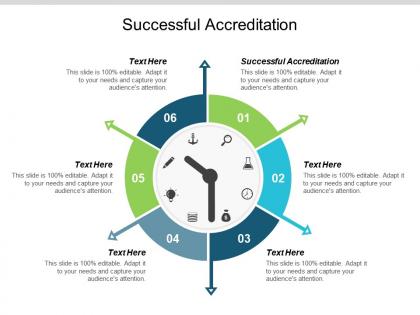




Try Before you Buy Download Free Sample Product
 Impress Your
 Audience
 100%
100% Editable
 Save Hours
 of Time


Be an Eco-ambassador with our Successful Accreditation Ppt Powerpoint Presentation Ideas Slide Download Cpb. Build a great campaign for ' Green Earth '.
People who downloaded this PowerPoint presentation also viewed the following :
Successful accreditation ppt powerpoint presentation ideas slide download cpb with all 5 slides:
Awake to the call of our Successful Accreditation Ppt Powerpoint Presentation Ideas Slide Download Cpb. Reward yourself with their refreshing possibilities.

FAQs for Successful accreditation ppt powerpoint presentation ideas
So accreditation is basically proof that a school meets quality standards - like a seal of approval that your degree actually means something. Check this before you enroll anywhere! Without it, employers might not take your degree seriously, you can't get federal aid, and transferring credits becomes a nightmare. My friend learned this the expensive way with some sketchy online program. Honestly, some of these diploma mills are wild. You can verify a school's status through official databases - totally worth the five minutes to look it up. Don't let poor accreditation tank your career before it starts.
Dude, accreditation is honestly huge - it's like the difference between a legit degree and expensive toilet paper. No accreditation means students can't get federal aid, which kills enrollment fast. Employers also side-eye degrees from sketchy places. Parents definitely google this stuff when researching schools too. Oh and there's regional vs national accreditation - regional's usually better, though I never really understood why. Bottom line: always check if a school's accredited by a real accrediting body before you commit to anything. Don't get stuck with worthless credentials.
So there are three main types of accreditation you'll run into. Institutional covers the whole school - like when universities get regionally accredited (that's the good stuff for transferring credits). Programmatic is different - it just looks at specific programs within schools, like nursing or engineering departments. Specialized accreditation is for really niche fields. Honestly, regional accreditation is what most people care about since it's the gold standard. But programmatic can matter a lot if you need professional licensing later. The scope is totally different depending on who's evaluating what. Just figure out which type actually matters for whatever you're planning to do.
Look, accreditation is basically your wake-up call to fix what's actually broken in your program. The whole process creates this external pressure that makes you hit industry standards and track student outcomes - even when you don't really want to. Honestly, the data requirements are kind of a pain, but they force you to measure stuff you'd probably ignore otherwise. Outside reviewers will catch blind spots in your curriculum that you never noticed. My advice? Don't just check boxes. Use their requirements as your improvement roadmap and you'll actually get somewhere with it.
So peer review is basically the foundation of getting accredited. A team of 3-5 professionals from similar places comes to check out your programs and see if you're hitting the standards. They'll chat with your staff, look through documents, observe what's actually happening day-to-day. Honestly? Way less intimidating than you'd think - these people get the struggles you deal with. Don't try to be perfect when they visit. Just be real about what's working and what needs work. They'd rather see authentic challenges than some polished fake version anyway.
Regional accreditors usually do 10-year cycles, but specialized ones are shorter - nursing programs get reviewed every 8 years or so. It's honestly such a pain, requires massive amounts of paperwork and self-evaluation stuff. Newer institutions sometimes have different timelines, and if you had problems last time around that can affect things too. The whole process is pretty brutal tbh. Definitely check your specific accreditor though because each one's a bit different. Missing those deadlines will totally screw you over - I've seen schools lose their status over timing issues alone.
Honestly, the documentation requirements will make you want to scream - they want proof of literally everything. Faculty credentials are huge too; if someone's teaching marketing but only has an English PhD, that's a problem. Money's always tight, especially if you're newer. The self-study takes forever (like 18 months minimum) and it's a total grind. Plus you can't just say you track student outcomes - you actually have to prove it with data and stuff. My biggest tip? Get someone dedicated to handle all the paperwork way before you think you need to. Trust me on this one.
So here's the deal - accreditation is basically what unlocks federal aid for students. No accreditation? No federal loans, grants, or work-study money. Most people don't realize this until it's too late. Private scholarships usually require it too, and I've seen employers refuse tuition reimbursement for sketchy programs. My coworker got burned by this exact thing last year - total nightmare. Before you pick any school, definitely look up their accreditation status first. It's honestly one of those boring details that can save you thousands of dollars and major headaches down the road.
So regional accreditation is way better than national - most employers and grad schools actually recognize it. You'll find it at state schools, community colleges, the usual suspects. National accreditation is more for trade schools and online places, and honestly some of those can be sketchy. If you're thinking about transferring credits later or applying to graduate programs, go with regionally accredited schools. Trust me, it'll save you so much hassle down the road. I learned this the hard way when my friend couldn't transfer half her credits. Just double-check before you enroll anywhere!
Dude, definitely go with accredited programs. Most employers won't even look at you without one - it's like their stamp of approval that you actually learned useful stuff. Healthcare and engineering are super strict about this. My cousin learned that the hard way when she couldn't get interviews with her non-accredited degree. You'll need it later for promotions and professional certs too. Honestly, I'd check accreditation status before anything else when you're looking at schools. It sounds boring but it'll save you major headaches down the road.
First thing - do a full self-assessment against all their standards to catch any gaps early. Documentation is huge, so get everything organized because auditors will dig through it all. Your staff needs solid training too, they should be able to talk about your processes without stumbling. Practice runs help a ton, nobody wants to freeze up during the real thing. Oh and definitely assign one person to coordinate everything - I've seen this go sideways when everyone thinks someone else is handling it. The prep is honestly a pain but you'll be glad you did it thoroughly.
So basically accreditation stops schools from doing whatever they want - they have to meet real standards and get reviewed by outsiders regularly. Think of it like an audit but for education instead of money. Schools can't just wing it anymore, they actually have to track how students are doing and prove they're worth your tuition. The reports are usually public too, which is nice because you can see how places really measure up. Honestly, it's probably the best way to tell if a school is legit. Always check their accreditation status first - saves you from some really bad decisions later.
Dude, it's basically like institutional death. Students lose federal aid immediately, and their degrees become worthless. Credits won't transfer anywhere either. The enrollment drops are insane - I've seen schools lose like 80% of students overnight. Faculty bail fast when they see the writing on the wall. Your current students? They're all scrambling to transfer before getting stuck with a useless degree. The reputation damage sticks forever too, even if somehow they get accredited again later. If you're seeing red flags at your school, honestly start prepping your exit strategy now and keep records of everything.
Honestly, international accreditation is usually way more rigid since it has to work across tons of different countries and systems. They're obsessed with learning outcomes you can measure consistently everywhere. Domestic standards? They're more chill and actually tailored to what's happening locally. Makes total sense - they care about what regional employers want or weird national requirements that international bodies just ignore. Before picking a program though, figure out what kind of accreditation actually matters for where you want your career to go. Some fields don't even care about the fancy international stuff.
Definitely go with an accredited program if you can. Your credits will actually transfer later, and employers take those degrees way more seriously. Federal aid is only available for accredited schools too - honestly saved my butt financially back in college. The quality's usually better since they have to get reviewed all the time. Check the Department of Education's database before you commit to anything, just to be safe. Some sketchy places try to fake it. Worth the extra research though, since your degree will actually mean something in the job market.
No Reviews