


Supply Chain Flow Powerpoint Ppt Template Bundles




Try Before you Buy Download Free Sample Product
 Impress Your
 Audience
 100%
100% Editable
 Save Hours
 of Time


Our Supply Chain Flow Powerpoint Ppt Template Bundles are topically designed to provide an attractive backdrop to any subject. Use them to look like a presentation pro.
People who downloaded this PowerPoint presentation also viewed the following :
Supply Chain Flow Powerpoint Ppt Template Bundles with all 16 slides:
Use our Supply Chain Flow Powerpoint Ppt Template Bundles to effectively help you save your valuable time. They are readymade to fit into any presentation structure.
-
Supply Chain Flow
-
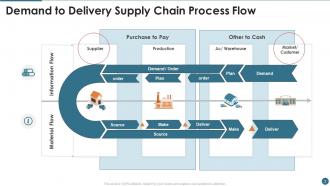
Demand to Delivery Supply Chain Process Flow
-
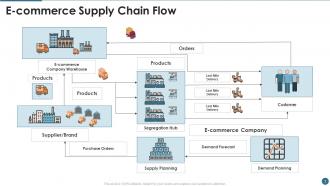
E commerce Supply Chain Flow
-
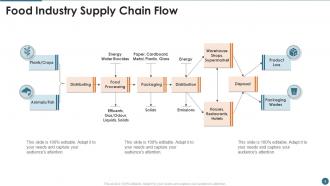
Food Industry Supply Chain Flow
-
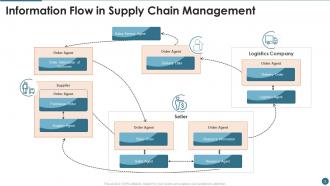
Information Flow in Supply Chain Management
-
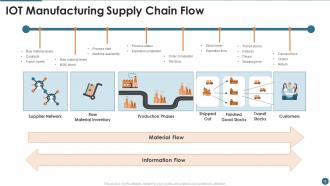
IOT Manufacturing Supply Chain Flow
-
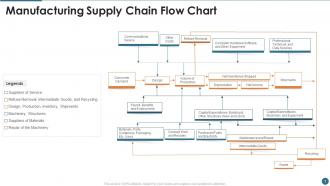
Manufacturing Supply Chain Flow Chart
-
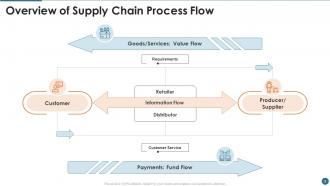
Overview of Supply Chain Process Flow
-
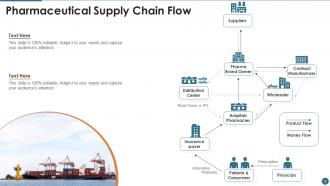
Pharmaceutical Supply Chain Flow
-
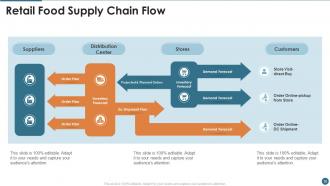
Retail Food Supply Chain Flow
-

Thank You
-

-

-

-

-

FAQs for Supply Chain Flow Powerpoint
So you'll need demand forecasting, supplier relationships, inventory optimization, and logistics coordination. Tech integration is huge too - seriously, manual supply chains are dead. After COVID and everything, risk management became way more critical than before. Good communication between partners makes or breaks the whole thing. Here's what I'd do: map out your current processes first. Then figure out which area is your biggest pain point right now. Don't try to fix everything at once - that's a recipe for chaos. Start with whatever's bleeding the most money or causing the most headaches.
So basically you can get real-time visibility into your whole supply chain now - IoT sensors, RFID tags, that blockchain stuff everyone talks about. Track everything from raw materials to customers, monitor temps during shipping, catch delays instantly. GPS shows exactly where shipments are (thank god, no more "somewhere on a truck" BS). AI can actually predict disruptions before they screw you over, which is pretty cool. Blockchain creates this permanent record of every handoff. Honestly, just start with basic tracking for your most important products first. You'll see the payoff right away, then build from there.
Dude, analytics is like having a crystal ball for your supply chain mess. You'll spot demand patterns and catch bottlenecks before they destroy your delivery schedule. Plus you can finally optimize inventory instead of drowning in dead stock. Track everything - supplier performance, shipping costs, warehouse stuff. Honestly, even basic analytics saves insane money. My advice? Start small though. Pick one headache like demand forecasting first. Don't go crazy trying to analyze your entire operation at once - that's a recipe for burnout.
Honestly, global disruptions are brutal for supply chains because they expose every weak link you didn't know you had. Remember when COVID hit? All those "just-in-time" systems became "just-too-late" disasters overnight. One supplier fails, then dominoes start falling everywhere - suddenly you're paying triple for backup options that barely exist. The hurricane thing is wild too. A single port goes down and entire industries scramble. My advice? Don't put all your eggs in one basket geographically. Build some redundancy with multiple suppliers and keep buffer stock for the stuff you absolutely can't live without. Yeah, it costs more upfront but beats the alternative.
Honestly, don't put everything with one supplier - we all saw how that played out during COVID. Get multiple suppliers spread across different areas so you're not totally screwed if one fails. Real-time tracking tools are worth the investment to actually see where your stuff is. Map out which components would kill you if they disappeared, then build backup plans for those. I'd also look into bringing some operations closer to home - depending on suppliers halfway across the world is risky as hell. Oh, and do this planning now while things are calm, not when you're already in crisis mode.
So basically sustainable supply chain management is way more complicated than the old school approach. Instead of just finding the cheapest stuff delivered fastest, you're also thinking about carbon footprint, how workers are treated, waste reduction - all that good stuff. Companies now pick suppliers based on their environmental practices, not just rock-bottom prices. The whole point is optimizing for profit AND people AND the planet, which honestly makes sense even if it's messier. You design processes that don't trash the environment. It's becoming pretty much non-negotiable for most businesses these days.
JIT can really cut your inventory costs and waste - that's the big win. But honestly? You're playing with fire when disruptions hit. Your cash flow improves since you're not sitting on tons of stock. The downside is your suppliers have to be absolutely bulletproof reliable. One delay and everything falls apart fast. I'd start small - maybe pilot it with your best suppliers first and keep tiny safety buffers for the really critical stuff. Oh, and those supplier relationships become way more important than they used to be.
Honestly, stop thinking of your key suppliers as just vendors - treat them more like actual partners. Share your forecasts and demand data with them upfront. When they can plan better, you get shorter lead times and way fewer stockouts. I've watched companies slash costs by 15-20% just from being more open about their numbers. Get your best suppliers involved in product development early too - they usually know tricks that'll boost quality or simplify manufacturing. Oh, and set up regular check-ins plus joint improvement projects. The magic happens when you're both invested in each other winning, not just haggling over prices every contract renewal.
So circular economy stuff can really save you money - you're reusing materials instead of buying new ones, which cuts costs big time. Plus way less waste disposal fees. Your supply chain gets more stable too since you're not totally dependent on fresh materials when prices go crazy. Customers actually care about this now, which is kinda wild compared to like 5 years ago. Risk goes down because resource shortages don't hit you as hard. I'd start with just one product line and see where you can reuse things or make products last longer. Don't overthink it.
Dude, e-commerce totally changed the game. You're not just shipping pallets to stores anymore - now it's thousands of individual orders going straight to people's doors. Last mile delivery? That's where everyone's losing their minds trying to figure it out. Customers want their stuff tomorrow with live tracking, which means your warehouse has to run like clockwork. Honestly, the whole direct-to-consumer thing is brutal if you're not ready for it. Your old fulfillment setup probably won't cut it anymore.
Honestly, start with the basics that actually matter. On-time delivery rates and inventory turnover are huge - those will tell you if stuff's flowing right. Order accuracy is another big one. Don't get caught up in fancy metrics that look pretty but won't help when things go sideways. Perfect order rate is solid because it rolls quality, timing, and accuracy into one number. Cost per order and supplier lead times too. Maybe I'm old school, but I'd rather have five metrics your team checks every day than twenty they ignore. Build dashboards people will actually use, not just impress the boss with.
Honestly, demand forecasting is like having a crystal ball for your whole supply chain. It affects everything - inventory orders, production timing, warehouse planning, you name it. Good forecasts mean you're not stuck with tons of dead stock or frantically trying to fill orders you never saw coming. The downstream effects are massive too. Better forecasting tools are worth the investment, trust me. I'd check your accuracy monthly because even tiny improvements make a real difference. Plus it helps with procurement timing and transport schedules, which saves you headaches later.
Dude, you're basically stuck playing telephone with companies you've never even talked to - that's your biggest headache right there. Can't see past your main suppliers, so when something breaks down communication-wise or quality gets screwed up, it just dominoes through everyone. Honestly? Supply chain mapping tools are worth every penny, even though they sound boring as hell. Start with figuring out who your most important sub-suppliers actually are. Build real relationships with your tier-2 and tier-3 folks instead of going through middlemen all the time. Regular check-ins help catch problems early too.
So blockchain is basically like giving every product its own permanent ID that can't be faked. All the important stuff - where it came from, who handled it, quality checks - gets logged permanently. When something goes wrong, you'll find the problem super fast instead of spending weeks playing detective. Honestly, the transparency is pretty amazing once you see it working. I'd try it out with just one product line first though - maybe something expensive where authenticity really matters. You can always expand from there if it works well.
Honestly, you'll need to get comfortable with data analysis and spotting trends - that's like half the job. Communication skills are huge too since you're always talking to suppliers, logistics people, internal teams. The tech side is getting crazy important now. If SCM software intimidates you, you're gonna have a rough time. Problem-solving is obvious but adaptability might be even more critical - supply chains are chaotic and you pivot constantly. Oh, and build relationships with your contacts. Seriously, those connections save your butt when emergencies hit. Get familiar with at least one major platform if you can.
-
Excellent work done on template design and graphics.
-
Very well designed and informative templates.