

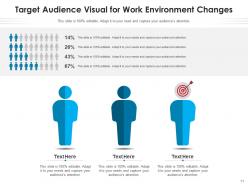
Target audience work environment business tax deductions automation





Try Before you Buy Download Free Sample Product
 Impress Your
 Audience
 100%
100% Editable
 Save Hours
 of Time


Our Target Audience Work Environment Business Tax Deductions Automation are topically designed to provide an attractive backdrop to any subject. Use them to look like a presentation pro.
People who downloaded this PowerPoint presentation also viewed the following :
Target audience work environment business tax deductions automation with all 12 slides:
Use our Target Audience Work Environment Business Tax Deductions Automation to effectively help you save your valuable time. They are readymade to fit into any presentation structure.


FAQs for Target audience work environment business
Common business tax deductions for small businesses include office expenses, professional services, marketing costs, equipment purchases, and vehicle expenses. These deductions streamline tax obligations by reducing taxable income through operational costs, business travel, and professional development expenses, with many small enterprises finding that strategic deduction planning significantly enhances cash flow and competitive positioning.
Home office deductions significantly reduce a sole proprietor's tax liability by allowing them to deduct expenses like utilities, rent, insurance, and maintenance based on the percentage of home used exclusively for business. This deduction streamlines tax obligations while delivering substantial savings, with many entrepreneurs finding that proper documentation ultimately enhances their bottom line and operational efficiency.
**INPUT**: What documentation is necessary to substantiate tax deductions for expenses? **OUTPUT**: Essential documentation includes receipts, invoices, bank statements, credit card records, and detailed expense logs with business purposes clearly noted. These records enable organizations to demonstrate legitimate business expenses during audits, streamline tax preparation processes, and maximize allowable deductions, with many companies finding that systematic documentation practices ultimately deliver significant cost savings and regulatory compliance advantages.
Business owners can deduct travel expenses when trips are primarily for business purposes, including client meetings, conferences, training sessions, and site visits to other business locations. These deductions cover transportation, lodging, and meals while away from their primary workplace, with many entrepreneurs finding that proper documentation of business intent and expense tracking significantly reduces taxable income and enhances financial efficiency.
Yes, remote workers and freelancers can claim specific tax deductions including home office expenses, internet and phone bills, professional equipment, software subscriptions, and business-related travel costs. These deductions enable independent professionals to significantly reduce their tax burden while enhancing operational efficiency, with many freelancers finding that strategic expense tracking ultimately delivers substantial savings and improved financial management.
LLCs benefit from pass-through taxation where deductions flow to owners' personal returns, while corporations deduct expenses at the entity level before paying corporate taxes. LLCs offer greater flexibility in allocating deductions among members, whereas corporations can deduct employee benefits more comprehensively, with many businesses finding that structure choice significantly impacts overall tax strategy and operational efficiency.
Businesses can deduct regular salaries, wages, bonuses, commissions, health insurance premiums, retirement plan contributions, payroll taxes, and workers' compensation costs. These deductions significantly reduce taxable income while enhancing employee retention, with many organizations finding that strategic benefit packages deliver competitive advantages in talent acquisition and operational efficiency.
Yes, businesses can generally deduct marketing and advertising expenses as ordinary business costs, including digital campaigns, print materials, promotional events, website development, and social media advertising. These deductions streamline tax obligations by reducing taxable income, with many companies finding that strategic documentation of marketing ROI enhances both deductibility and operational efficiency.
Business meals with clients are typically 50% deductible when they serve a clear business purpose, such as discussing contracts, negotiations, or strategic partnerships. These deductions require proper documentation including receipts, attendee names, business relationship, and specific topics discussed, with many organizations finding that maintaining detailed records streamlines audit processes while maximizing legitimate tax advantages.
Depreciation allows businesses to deduct equipment costs over several years based on IRS schedules, while Section 179 and bonus depreciation enable immediate deduction of qualifying capital expenses up to specific limits. These strategic deductions streamline tax planning by reducing current-year taxable income, improving cash flow, and enabling companies to reinvest savings into growth initiatives, ultimately delivering significant tax advantages.
Yes, professional development and training expenses are generally tax-deductible when they maintain or improve skills required for your current business or employment. These deductions include conferences, workshops, certifications, online courses, and industry seminars, with many businesses and self-employed professionals finding that strategic investment in continuous learning delivers enhanced capabilities, competitive positioning, and measurable returns through improved operational efficiency and client services.
Businesses can deduct charitable contributions up to 10% of their taxable income, reducing overall tax liability while supporting meaningful causes and enhancing corporate social responsibility. Many companies find that strategic donations to qualified organizations not only deliver immediate tax savings but also strengthen community relationships, improve brand reputation, and attract socially conscious customers and employees, ultimately creating competitive advantage.
Vehicle expense deductions require that travel be ordinary, necessary, and directly related to business operations, with proper documentation including mileage logs, dates, destinations, and business purposes. These requirements help businesses streamline tax compliance while maximizing legitimate deductions, with many companies finding that systematic tracking ultimately delivers significant cost savings and audit protection.
Healthcare costs can be deducted through health insurance premiums, health savings account contributions, medical reimbursement plans, and direct medical expenses for business owners. These deductions significantly reduce taxable income while ensuring employee wellness, with many small businesses and sole proprietors finding that strategic healthcare planning delivers both tax advantages and competitive employee benefits.
Poor recordkeeping for tax deductions can result in lost deduction opportunities, increased audit risk, penalties for underpayment, and potential legal complications with tax authorities. Without proper documentation, businesses often find themselves unable to substantiate legitimate expenses during audits, ultimately facing higher tax liabilities, reduced cash flow, and compromised financial planning capabilities.
-
Top Quality presentations that are easily editable.
-
Great designs, Easily Editable.
-
Good research work and creative work done on every template.
-
Great designs, really helpful.
-
Enough space for editing and adding your own content.