Telecommunication Technology Powerpoint Ppt Template Bundles

Rating:
80%
Slide 1 of 22
Favourites Favourites

Try Before you Buy Download Free Sample Product

Audience Impress Your
Audience
Editable 100%
Editable
Time Save Hours
of Time
The Biggest Sale is ending soon in
0
0
:
0
0
:
0
0
Rating:
80%
Deliver a credible and compelling presentation by deploying this Telecommunication Technology Powerpoint Ppt Template Bundles. Intensify your message with the right graphics, images, icons, etc. presented in this complete deck. This PPT template is a great starting point to convey your messages and build a good collaboration. The seventeen slides added to this PowerPoint slideshow helps you present a thorough explanation of the topic. You can use it to study and present various kinds of information in the form of stats, figures, data charts, and many more. This Telecommunication Technology Powerpoint Ppt Template Bundles PPT slideshow is available for use in standard and widescreen aspects ratios. So, you can use it as per your convenience. Apart from this, it can be downloaded in PNG, JPG, and PDF formats, all completely editable and modifiable. The most profound feature of this PPT design is that it is fully compatible with Google Slides making it suitable for every industry and business domain.

FAQs for Telecommunication Technology Powerpoint

Honestly, 5G and fiber upgrades have been huge lately. Video calls don't suck anymore - way better codecs and bandwidth stuff. Starlink's actually pretty solid now too, which is wild since rural internet used to be trash. Edge computing's everywhere, plus IoT devices talk to each other way smoother than before. Oh, and if you're buying new tech stuff, definitely get 5G-compatible gear. Coverage is finally decent in cities, though my cousin still gets spotty service sometimes. Device communication protocols got way better too - everything just connects easier now.

So 5G is insanely fast - like 100x faster than 4G, which means downloading movies in seconds instead of waiting forever. The latency is almost zero now, so stuff like self-driving cars and remote surgery actually works in real time. It can also handle way more devices at once, which is perfect for all those smart home gadgets everyone's obsessed with. I mean, it's kinda crazy how quickly this tech rolled out. Oh and if you're doing anything mobile-related, you'll probably want to plan around 5G since people expect it now.

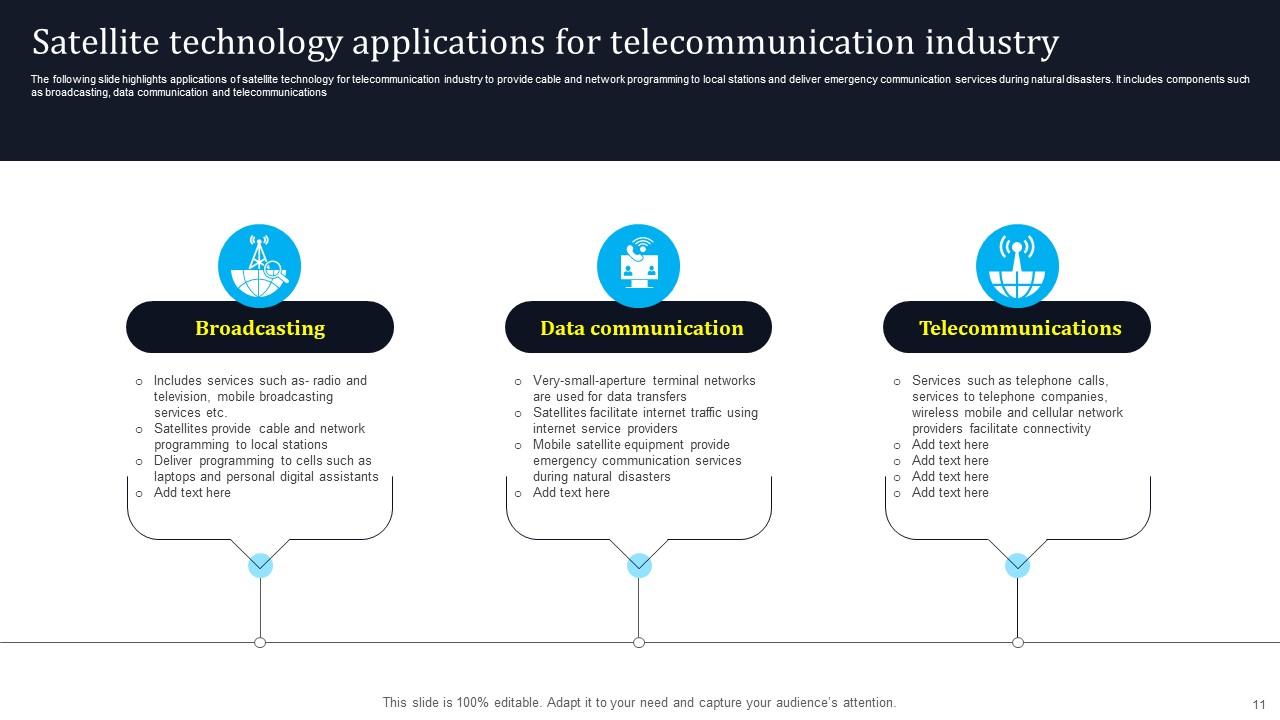
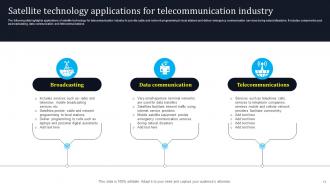
So satellites are basically how we connect places where regular cables and towers just can't reach. Remote areas get internet this way, plus all international calls go through them. Ships and planes rely on satellite communication too - and when disasters knock out ground networks, satellites keep things running. TV broadcasting is huge for this stuff (ever wonder how news channels work everywhere?). The cool thing is one satellite covers a massive area, so it's actually cheaper than building tons of cell towers for small populations. Your GPS working in random locations? That's satellites doing their thing.

Dude, telecom tech is seriously clutch for emergency response. First responders can coordinate in real-time, which is huge when chaos breaks out. You'll also get automated alerts pushed to people in affected areas, plus drones and satellites help teams assess damage fast. When regular infrastructure fails, temporary networks can literally save lives. Social media monitoring is another big one - helps teams spot where people are trapped or need help most. Oh, and backup plans are everything. Don't put all your eggs in one basket with networks. Have multiple options ready before disaster hits, because scrambling afterward sucks.

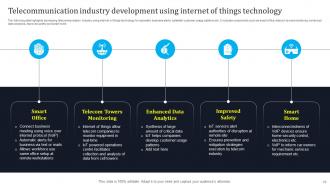
Dude, IoT in telecom is wild - like amazing potential but also kinda terrifying? The upside is huge: better network optimization, you can predict when stuff breaks, plus new ways to make money from connected services. Security though... oof. We're talking millions of weak points that hackers love. Your infrastructure probably needs a major overhaul to handle all that data flowing around. Spectrum gets messy fast too. But the efficiency gains are actually legit - networks that fix themselves, automatic problem detection. My advice? Start with small pilots first, test your security setup before diving in headfirst.
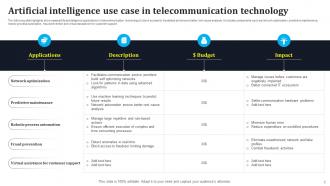
So telecom companies are using AI chatbots that can actually solve billing issues now - it's pretty wild how much better they've gotten. They're also predicting network outages before customers even call in complaining. The systems automatically send your call to the right person and customize fixes based on your account history. Oh, and they analyze how pissed off you sound during calls to prioritize angry customers. Smart move honestly. If you want quick wins, definitely start with AI chatbots for basic support stuff - that's where you'll see money back fastest.

Honestly, you're looking at three major headaches: data getting intercepted, network break-ins, and straight-up service attacks. Hackers love eavesdropping on calls and texts - way easier when connections aren't secured properly. Plus they'll target your infrastructure to grab sensitive data or just mess with your operations because they can. DDoS attacks happen constantly and will take down entire networks. Your 5G expansion is actually making things trickier since there's more devices and entry points to worry about. You'll want end-to-end encryption, regular security checks, and solid response plans ready.

So basically all that telecom stuff is what makes working from home actually work. Video calls, messaging, file sharing - you know, the usual suspects. Your internet's gotta be decent though or you'll be that person with the frozen screen mid-sentence (been there). The crazy part is how much better everything's gotten - remember those awful pixelated Skype calls from like 10 years ago? Now you can share screens and access work systems through VPNs without wanting to throw your laptop. Just make sure your connection can handle whatever collaboration tools your team's obsessed with.

Look, quantum communication is gonna flip network security upside down. Any hacker tries to mess with quantum-encrypted data? The data literally changes, so you know right away someone's poking around - pretty wild concept. Speed could be nuts too, though honestly we're still figuring out half this stuff. Finance and government folks are already playing with quantum key distribution. Infrastructure costs will be brutal though. Oh, and definitely keep tabs on what the big telecom companies are planning - their quantum roadmaps will tell you where this is all heading.

So basically, regulations control where telecom companies can build stuff and what tech they're allowed to use. Spectrum licenses cost a fortune too - that's all government-controlled. When they fast-track 5G permits, things move quickly. But environmental rules and tower permits? Total nightmare, takes forever. Net neutrality is probably the biggest example of how policy messes with investment decisions. Companies won't spend billions if they think rules might change next year, which honestly makes sense from their perspective. If you're planning anything infrastructure-related, just assume permits will take way longer than expected.

So there's actually a bunch of ways to tackle this. Satellite internet like Starlink is huge right now - total game changer for places where running cables just doesn't make sense. 5G towers help but coverage is still spotty in rural areas, honestly. Government broadband programs are doing decent work too, plus mobile hotspot initiatives. The trick is mixing different approaches instead of betting everything on one technology. Like, you might use satellite in the mountains but fixed wireless works better in flat areas. It's gotten way better lately though - even my cousin out in the middle of nowhere has solid internet now.

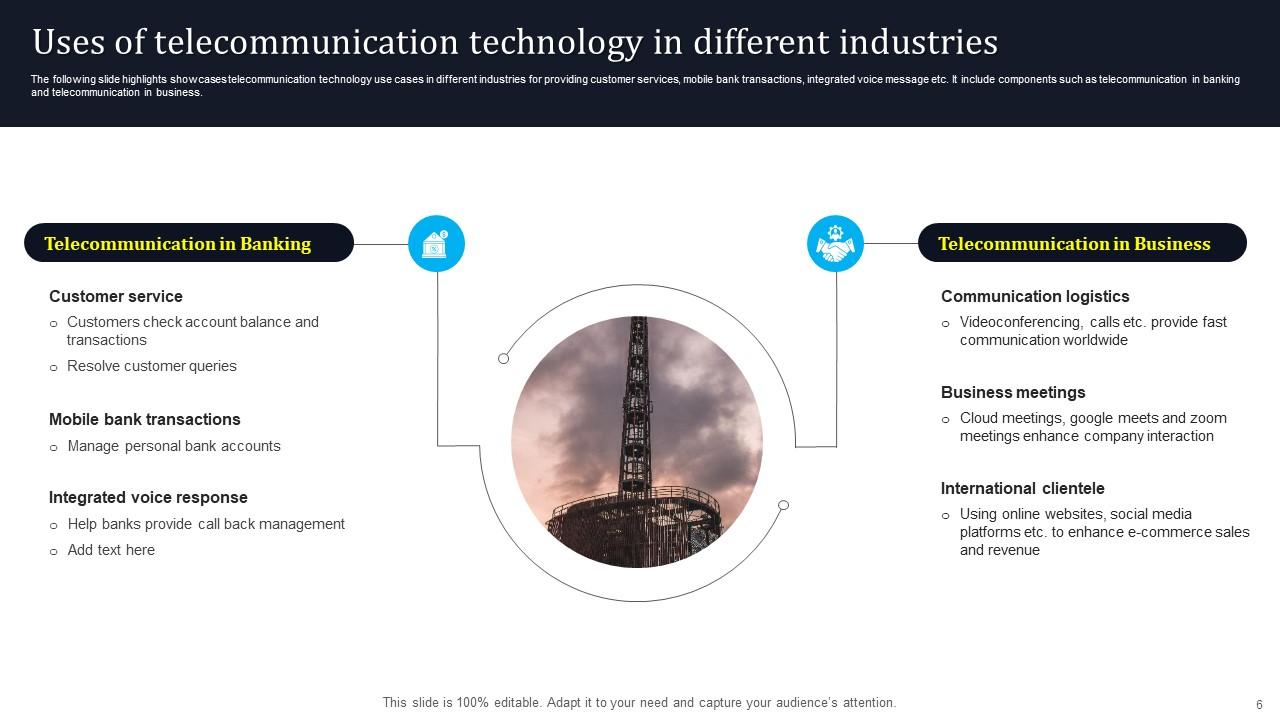
Dude, telecom infrastructure changed everything for global business. Video calls with clients across the world? Normal now. Managing teams in different time zones, cloud access from anywhere - it's all standard. Remote work wouldn't exist without solid connectivity. E-commerce going global, automated supply chains, faster decisions... the whole nine yards. My cousin learned this the hard way when their startup's internet kept cutting out during investor calls from overseas. If you're thinking international expansion, get your telecom setup sorted first. Everything else falls apart without reliable communication.

Honestly, start with network performance monitoring - that's where you'll actually see results fast. Data analytics lets you spot network problems before they blow up, which is way better than dealing with angry customers when towers crash. You can figure out where people actually use their phones most and optimize coverage there instead of just guessing. The customer churn stuff is pretty solid too - catch people before they bail and hit them with retention deals. Oh, and you'll find congestion hotspots so you can upgrade capacity where it matters. Predictive maintenance saves you from those 2am emergency calls. Trust me on this one.

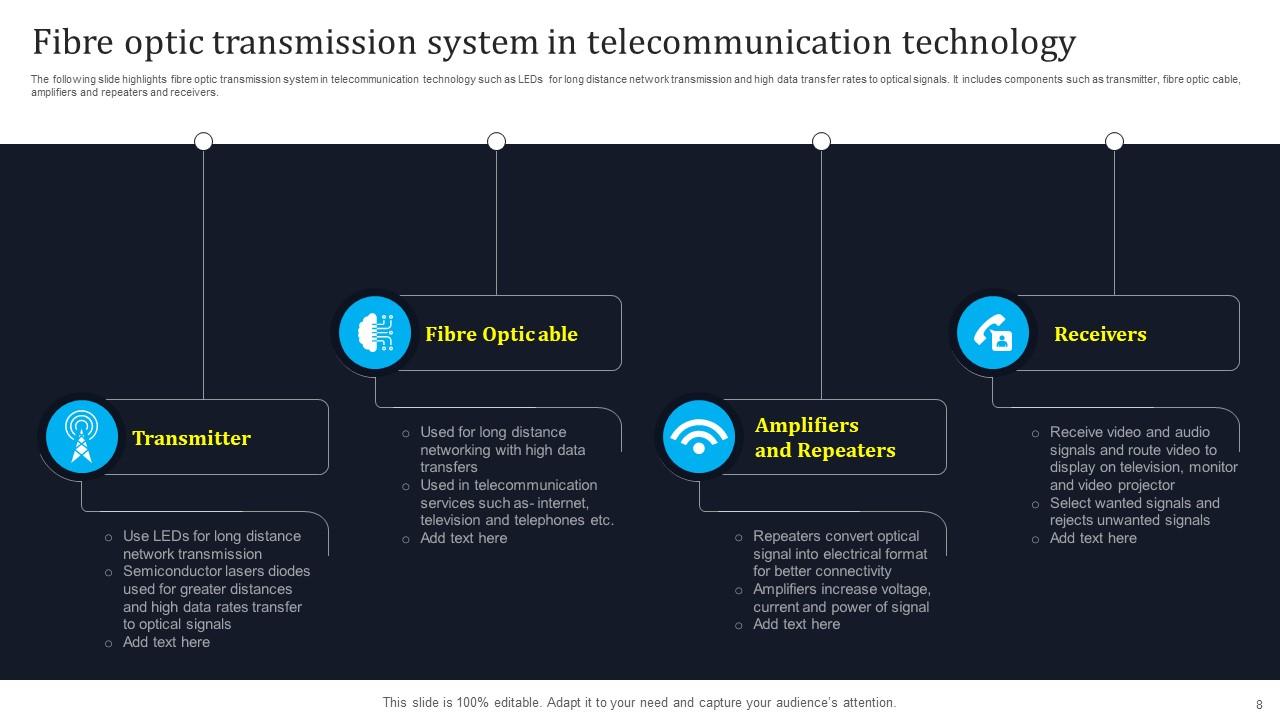
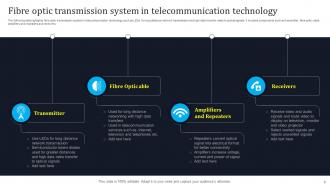
Honestly, hollow-core fibers are where it's at right now - light travels through air instead of glass so latency drops big time. Multi-core fibers are also crushing it for capacity boosts. Silicon photonics is making everything cheaper and way smaller, which is nice because network gear costs are brutal these days. Space-division multiplexing lets you cram tons more data streams into one fiber too. Coherent optics at lower speeds? Yeah, that's improving efficiency across the board. If you're doing any major upgrades soon, definitely look into this stuff. Performance gains blow traditional single-mode out of the water.

So basically your phone payments work because they're hitching a ride on telecom stuff. NFC lets you tap-and-pay using short radio waves, while apps like Venmo run through your carrier's data network. Pretty crazy how fast it all happens, right? 4G and 5G speeds made everything way smoother, plus better security and antenna tech. I always forget which one I'm using tbh. Next time your payment craps out, check if you're on cellular data or using NFC - that'll help you figure out what's broken.

Ratings and Reviews

80% of 100
Review Form
Write a review
Most Relevant Reviews
  1. 80%

    by Dexter Weaver

    SlideTeam just saved my project! Thank you so much. The variety of templates helped me showcase multiple perspectives easily.
  2. 80%

    by Cyril Gibson

    The team is highly dedicated and professional. They deliver their work on time and with perfection.

2 Item(s)

per page: