


Timeline hazardous waste management ppt introduction
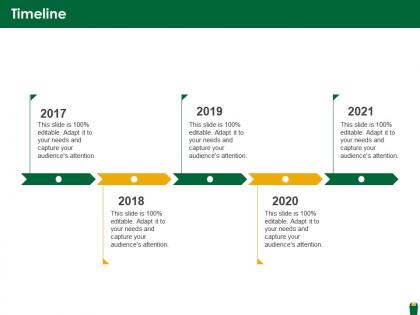




Try Before you Buy Download Free Sample Product
 Impress Your
 Audience
 100%
100% Editable
 Save Hours
 of Time


Our Timeline Hazardous Waste Management Ppt Introduction are topically designed to provide an attractive backdrop to any subject. Use them to look like a presentation pro.
People who downloaded this PowerPoint presentation also viewed the following :
Timeline hazardous waste management ppt introduction with all 2 slides:
Use our Timeline Hazardous Waste Management Ppt Introduction to effectively help you save your valuable time. They are readymade to fit into any presentation structure.

FAQs for Timeline hazardous waste
Key milestones include the Resource Conservation and Recovery Act (1976), Comprehensive Environmental Response Act (1980), Basel Convention (1989), and emerging chemical safety regulations. These regulatory frameworks have transformed industrial operations by establishing standardized disposal protocols, liability frameworks, and international cooperation mechanisms, with manufacturing, chemical, and pharmaceutical sectors finding that compliance ultimately delivers operational transparency, reduced environmental risks, and competitive advantage in increasingly regulated markets.
The definition of hazardous waste has significantly expanded over recent decades, evolving from basic toxicity measures to comprehensive criteria including ignitability, corrosivity, reactivity, and specific chemical listings. Regulatory frameworks like RCRA have continuously updated classifications, with industries such as electronics manufacturing, pharmaceuticals, and automotive sectors now managing previously unregulated materials, ultimately delivering enhanced environmental protection and standardized compliance across organizations.
The Resource Conservation and Recovery Act (RCRA) established comprehensive federal standards for hazardous waste identification, treatment, storage, and disposal, creating the "cradle-to-grave" tracking system that revolutionized waste management practices. Through RCRA's regulatory framework, industries like manufacturing, healthcare, and chemical processing streamline compliance operations, enhance environmental protection, and minimize liability risks, with many organizations finding that structured waste management protocols ultimately deliver cost savings and competitive advantages in an increasingly regulated business environment.
Public awareness and activism have significantly influenced hazardous waste management policies by driving legislative reforms, stricter regulations, and enhanced corporate accountability through grassroots campaigns and environmental advocacy. These movements have enabled communities to secure safer disposal practices, accelerated cleanup timelines, and strengthened monitoring requirements, with many municipalities and industries finding that proactive engagement ultimately delivers improved public health outcomes and competitive advantage.
Technological advancements in hazardous waste treatment include plasma gasification, membrane bioreactors, supercritical water oxidation, advanced thermal desorption, and AI-powered monitoring systems. These technologies streamline treatment processes by enhancing destruction efficiency, reducing environmental impact, and enabling real-time tracking, with industries like pharmaceuticals and manufacturing finding that automated systems ultimately deliver faster compliance and lower operational costs.
Notable hazardous waste cleanup successes include the Love Canal remediation in New York, Berkeley Pit water treatment in Montana, Times Beach dioxin cleanup in Missouri, and the Hudson River PCB removal project. These comprehensive remediation efforts demonstrate how strategic combinations of containment technologies, soil treatment processes, and water purification systems can restore severely contaminated sites, with many communities finding that proper cleanup delivers renewed economic development opportunities and restored public health safety.
The international community has addressed hazardous waste through the Basel Convention, Stockholm Convention, Rotterdam Convention, and regional agreements like the Bamako Convention. These treaties enhance global cooperation by regulating transboundary waste movement, restricting persistent organic pollutants, and establishing prior informed consent procedures, with many countries finding that coordinated frameworks ultimately deliver improved environmental protection and safer waste management practices.
COVID-19 significantly increased medical waste generation while disrupting traditional hazardous waste streams, with healthcare facilities producing substantially more contaminated PPE, testing materials, and pharmaceutical waste. The pandemic also accelerated digital transformation in waste tracking systems, enhanced safety protocols, and created supply chain challenges for disposal services, ultimately forcing organizations to develop more resilient, technology-driven waste management strategies.
Countries approach hazardous waste management through varying regulatory frameworks, treatment technologies, disposal methods, and international cooperation levels. While European nations emphasize strict EU directives and advanced incineration facilities, developing countries often rely on basic landfilling and emerging recycling programs, with many organizations finding that strategic partnerships and technology transfer ultimately enhance global compliance and environmental protection.
Emerging trends in hazardous waste recycling include advanced chemical processing technologies, AI-powered sorting systems, circular economy integration, blockchain tracking for compliance, and specialized recovery facilities for electronics and batteries. These innovations streamline resource recovery by minimizing disposal costs, enhancing regulatory compliance, and creating revenue streams from recovered materials, with manufacturing and electronics industries increasingly finding that strategic recycling delivers both environmental benefits and competitive operational advantages.
Illegal dumping of hazardous waste creates severe environmental contamination, public health risks, groundwater pollution, ecosystem damage, and significant cleanup costs for communities. These violations often occur in vulnerable areas like minority neighborhoods or rural regions, with many municipalities finding that remediation expenses can reach millions while long-term health impacts affect residents for decades.
Hazardous waste management integrates into corporate sustainability through comprehensive waste audits, reduction targets, circular economy practices, regulatory compliance tracking, and environmental impact reporting. Companies increasingly combine these initiatives with ESG frameworks, finding that strategic waste management reduces operational costs, minimizes environmental liability, and enhances stakeholder trust while delivering competitive advantages.
Community engagement plays a crucial role in hazardous waste management through public education, transparent communication, stakeholder participation in decision-making processes, and building trust between regulatory agencies and residents. These collaborative approaches enhance program effectiveness by incorporating local knowledge, addressing community concerns, and ensuring compliance, with many municipalities finding that engaged communities ultimately deliver better environmental outcomes and reduced opposition to necessary waste management facilities.
Artificial intelligence and data analytics enhance hazardous waste management by optimizing route planning, predicting equipment failures, and automating compliance monitoring through real-time sensor data analysis. These technologies streamline operations by reducing transportation costs, minimizing environmental risks, and ensuring regulatory adherence, with many industrial facilities finding that predictive analytics ultimately delivers safer handling processes and improved operational efficiency.
Future hazardous waste legislation globally is anticipated to include stricter chemical classification standards, enhanced cross-border tracking requirements, expanded producer responsibility mandates, and tighter emission controls for treatment facilities. These regulatory developments increasingly focus on circular economy principles, digital documentation systems, and supply chain transparency, with many industries finding that proactive compliance strategies deliver competitive advantages while minimizing operational disruptions.
-
Excellent design and quick turnaround.
-
Great designs, Easily Editable.
-
Commendable slides with attractive designs. Extremely pleased with the fact that they are easy to modify. Great work!