


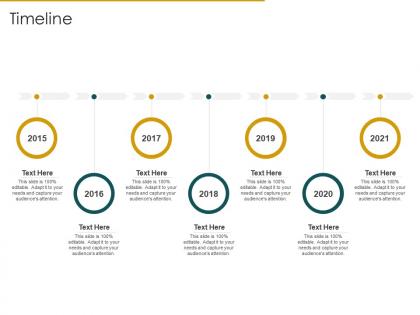
Timeline internal audit assess the effectiveness




Try Before you Buy Download Free Sample Product
 Impress Your
 Audience
 100%
100% Editable
 Save Hours
 of Time


Our Timeline Internal Audit Assess The Effectiveness are topically designed to provide an attractive backdrop to any subject. Use them to look like a presentation pro.
People who downloaded this PowerPoint presentation also viewed the following :
Timeline internal audit assess the effectiveness with all 2 slides:
Use our Timeline Internal Audit Assess The Effectiveness to effectively help you save your valuable time. They are readymade to fit into any presentation structure.
FAQs for Timeline internal audit
Key factors include audit scope complexity, resource availability, stakeholder schedules, regulatory deadlines, and risk assessment priorities. Strategic planning also considers seasonal business cycles, system availability windows, and documentation requirements, with many organizations finding that building buffer time for unexpected findings ultimately enhances audit quality and stakeholder confidence.
The duration of an internal audit significantly impacts its effectiveness by influencing scope coverage, evidence gathering depth, and stakeholder engagement quality. While extended timelines enable comprehensive risk assessment and detailed testing, they can also lead to resource strain and delayed remediation, with many organizations finding that strategically planned audit cycles balance thoroughness with operational efficiency, ultimately delivering timely insights and sustainable compliance improvements.
Stakeholder communication serves as the foundation for audit success, involving regular updates to management, audit committees, and process owners throughout planning, fieldwork, and reporting phases. Effective communication ensures alignment on audit scope and objectives, facilitates timely issue resolution, and enhances buy-in for recommendations, with many organizations finding that transparent dialogue ultimately streamlines implementation and strengthens overall governance.
Organizations can ensure internal audit timeline alignment by integrating strategic risk assessments, coordinating audit cycles with business planning periods, and establishing regular stakeholder consultations throughout the process. Through strategic scheduling, companies in sectors like manufacturing and financial services streamline compliance activities, enhance operational oversight, and deliver timely insights that support decision-making, ultimately enabling better resource allocation and competitive advantage.
Common challenges in adhering to internal audit timelines include resource constraints, data accessibility issues, stakeholder availability, scope creep, and unexpected compliance complexities. These obstacles can be mitigated through strategic planning, early stakeholder engagement, robust project management frameworks, and flexible resource allocation, with many organizations finding that proactive communication and clearly defined audit parameters ultimately streamline processes and enhance operational efficiency.
Internal audits should typically be scheduled quarterly for high-risk areas, annually for standard operations, and bi-annually for critical compliance functions, with frequency adjusted based on regulatory requirements and organizational complexity. Many financial institutions and healthcare organizations find that this risk-based approach streamlines compliance monitoring while enhancing operational oversight, ultimately delivering consistent regulatory adherence and improved internal controls.
Audit management tools include TeamMate Analytics, AuditBoard, Workiva, MindBridge AI, and MetricStream, which streamline scheduling, resource allocation, and progress tracking. These platforms enhance operational efficiency by automating workflow coordination, facilitating real-time collaboration, and providing comprehensive reporting dashboards, with many organizations finding that integrated audit software ultimately delivers faster completion times and improved regulatory compliance.
Internal audit timing can be adjusted through flexible scheduling frameworks, climate-specific risk assessments, stakeholder availability analysis, and seasonal business cycle considerations. Organizations experiencing rapid growth or regulatory changes often benefit from quarterly rather than annual audits, while stable environments may utilize biannual schedules, with many finding that adaptive timing enhances audit effectiveness and organizational receptiveness.
Rushing internal audits due to time constraints can lead to incomplete risk assessments, missed control deficiencies, inadequate sampling procedures, and superficial documentation that compromises audit quality. These shortcuts often result in undetected compliance gaps, regulatory exposure, and false assurance to management, with many organizations finding that rushed audits ultimately require costly re-examinations and remediation efforts.
Internal audit timelines strategically align with external audit schedules through coordinated planning, shared documentation, and complementary testing phases to maximize efficiency and minimize organizational disruption. Many organizations find that scheduling internal audits 3-6 months before external audits enables remediation of identified issues, streamlines evidence preparation, and reduces external audit fees, ultimately delivering stronger financial controls and faster audit completion cycles.
Key metrics include audit completion rates, budget adherence, finding resolution times, stakeholder satisfaction scores, and compliance improvement percentages. These measurements enable organizations to streamline audit processes, enhance operational efficiency, and demonstrate value to management, with many companies finding that well-tracked timelines ultimately deliver faster risk mitigation and stronger regulatory compliance.
Continuous monitoring improves internal audit planning by providing real-time risk assessments, automated data collection, and ongoing performance metrics that inform audit scope and priorities. This approach enables auditors to identify emerging risks earlier, allocate resources more strategically, and develop dynamic audit schedules, with many organizations finding that continuous insights ultimately deliver more focused audits and enhanced operational efficiency.
Best practices for reporting audit findings include establishing clear reporting schedules, using standardized templates, prioritizing high-risk issues, maintaining regular stakeholder communication, and setting defined response timeframes for management. These practices streamline the audit process by ensuring timely disclosure, facilitating prompt corrective action, and enhancing organizational transparency, with many companies finding that structured reporting ultimately delivers improved compliance and operational efficiency.
Cultural factors significantly influence internal audit processes through communication styles, hierarchy respect, change resistance, and transparency levels across different organizational environments. Organizations with collaborative cultures typically experience faster audit cycles and more open information sharing, while hierarchical cultures may require extended timelines for approvals and stakeholder engagement, ultimately affecting audit efficiency and implementation success.
Training necessary for internal audit teams includes project management methodologies, risk assessment prioritization, stakeholder communication techniques, audit software proficiency, and time estimation skills. Through structured programs focusing on workflow optimization and deadline management, organizations enhance audit efficiency, reduce delays, and improve reporting accuracy, with many audit departments finding that systematic training ultimately delivers faster turnarounds and stronger compliance outcomes.
-
Qualitative and comprehensive slides.
-
Easily Understandable slides.
-
Use of icon with content is very relateable, informative and appealing.
-
Easily Editable.