

Pitch Deck Ppt Template Travel And Tourism Startup Company




Try Before you Buy Download Free Sample Product
 Impress Your
Audience
 100%
Editable
 Save Hours
of Time


Envisagez-vous de collecter des fonds pour une startup de voyage et de tourisme. Vous voudrez peut-être avoir un plan d'affaires ou un pitch deck de premier ordre. Découvrez notre pitch deck conçu par des professionnels pour les entreprises de démarrage de voyages et de tourisme qui vous aidera à vous inspirer et à créer un excellent pitch deck pour votre prochain cycle d'investissement. Ce pitch deck met en évidence les informations statistiques de validation du marché, telles que les sites de logement temporaires, les listes, etc. Les principales tendances liées à l'industrie du voyage incluent l'augmentation des voyages intérieurs, les exigences de santé, de sécurité, etc. technologie de voyage, segmentation du marché et ciblage pour l'industrie du voyage. Nous avons également inclus des diapositives telles que le modèle commercial stratégique pour un meilleur aperçu du fonctionnement de l'agence de voyage. Des avantages concurrentiels durables et, différenciateurs clés, des plans de mise sur le marché sont également présentés dans cette présentation. Ce pitch deck couvre des diapositives d'informations concernant la direction de l'entreprise, les avis des clients, les témoignages, les demandes d'investissement avec les détails du financement précédent. Personnalisez maintenant ce pitch deck 100% modifiable.
People who downloaded this PowerPoint presentation also viewed the following :
Contenu de cette présentation Powerpoint
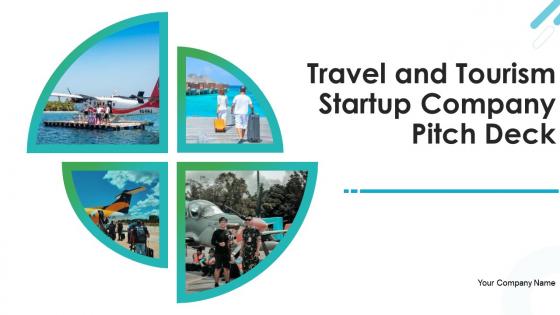
Diapositive 1 : Cette diapositive présente la plate-forme de présentation de la start-up de voyage et de tourisme. Indiquez le nom de votre entreprise et commencez.
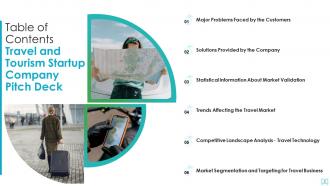
Diapositive 2 : Cette diapositive présente la table des matières de la présentation de la start-up de voyage et de tourisme.
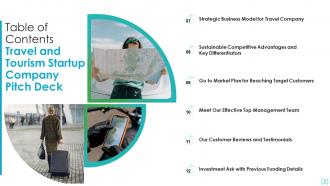
Diapositive 3 : Il s'agit d'une autre diapositive qui continue Table des matières Travel and Tourism Startup Company Pitch Deck.
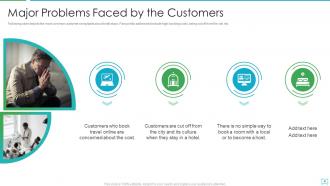
Diapositive 4 : Cette diapositive présente les plaintes les plus courantes des clients concernant les séjours à l'hôtel.
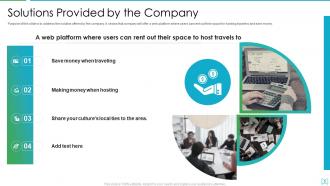
Slide 5 : Le but de ce slide est d'aborder la solution proposée par l'entreprise.
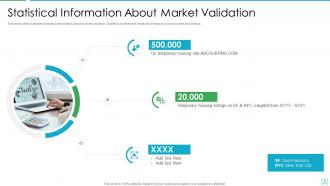
Diapositive 6 : Cette diapositive représente les informations statistiques sur la validation du marché.
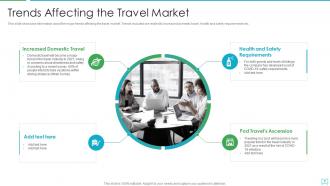
Diapositive 7 : Cette diapositive présente des informations sur les principales tendances affectant le marché du voyage.
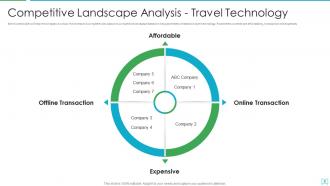
Diapositive 8 : Cette diapositive aidera l'entreprise à montrer aux investisseurs une vue complète de son paysage concurrentiel en fonction de paramètres clés liés à la technologie du voyage.
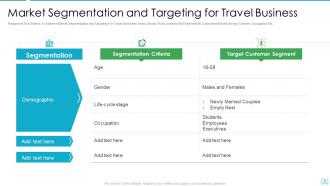
Diapositive 9 : Cette diapositive montre la segmentation du marché et le ciblage pour les entreprises de voyage.
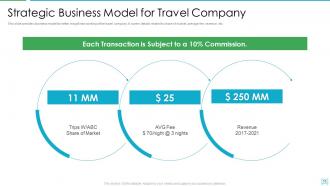
Diapositive 10 : Cette diapositive fournit un modèle commercial pour un meilleur aperçu du fonctionnement de l'agence de voyage.
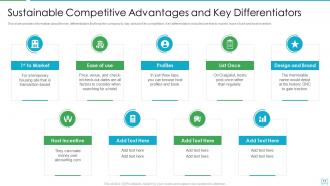
Diapositive 11 : Cette diapositive fournit des informations sur les différenciateurs clés qui aident l'entreprise à garder une longueur d'avance sur ses concurrents.
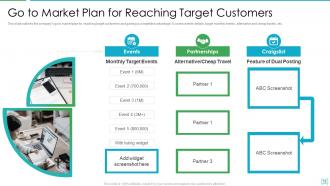
Diapositive 12 : cette diapositive affiche le plan Aller au marché pour atteindre les clients cibles.
Diapositive 13 : Cette diapositive montre les détails de l'équipe de direction de la société ABC.
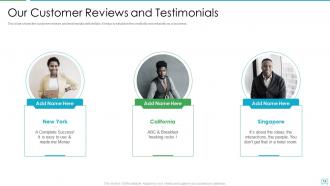
Diapositive 14 : Cette diapositive présente des avis et des témoignages de clients avec des détails.
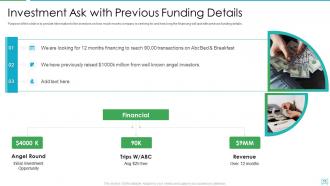
Diapositive 15 : Cette diapositive affiche des informations destinées aux investisseurs sur le montant que la société recherche.
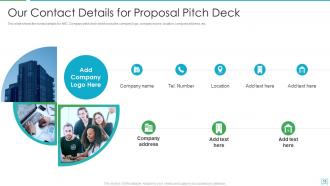
Diapositive 16 : Cette diapositive montre les coordonnées du pitch deck de la société ABC.
Diapositive 17 : Cette diapositive affiche les icônes pour la plate-forme de présentation des entreprises de démarrage de voyage et de tourisme.
Diapositive 18 : Cette diapositive est intitulée Diapositives supplémentaires pour aller de l'avant.
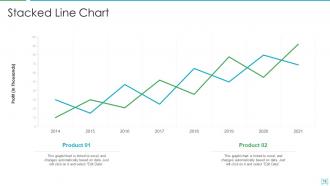
Diapositive 19 : cette diapositive représente un graphique en courbes empilées avec une comparaison de deux produits.
Diapositive 20 : cette diapositive contient un puzzle avec des icônes et du texte associés.
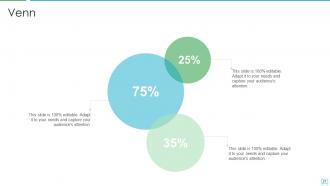
Diapositive 21 : Cette diapositive représente un diagramme de Venn avec des zones de texte.
Diapositive 22 : Cette diapositive montre des post-it. Postez vos notes importantes ici.
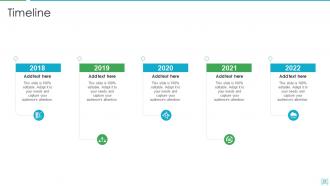
Diapositive 23 : Il s'agit d'une diapositive de chronologie. Afficher ici les données relatives aux intervalles de temps.
Diapositive 24 : Il s'agit d'une diapositive de génération d'idées pour énoncer une nouvelle idée ou mettre en évidence des informations, des spécifications, etc.
Diapositive 25 : cette diapositive présente la feuille de route avec des zones de texte supplémentaires.
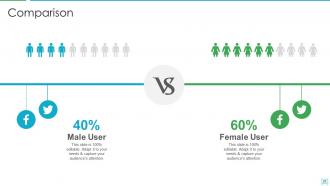
Diapositive 26 : Il s'agit d'une diapositive de comparaison pour établir une comparaison entre les produits, les entités, etc.
Diapositive 27 : Cette diapositive présente une loupe pour mettre en évidence les informations, les spécifications, etc.
Diapositive 28 : Il s'agit d'une diapositive de remerciement avec l'adresse, les numéros de contact et l'adresse e-mail.
Modèle Ppt de Pitch Deck de voyage et de tourisme Startup Company avec les 33 diapositives :
Utilisez notre modèle Ppt Deck Pitch Deck d'entreprise de démarrage de voyage et de tourisme pour vous aider efficacement à économiser votre temps précieux. Ils sont prêts à l'emploi pour s'adapter à n'importe quelle structure de présentation.







FAQs for Travel and tourism startup company pitch
Honestly, the AI personalization stuff is getting pretty wild - these platforms know what you want to book before you do. Everything's gone contactless now too, which is actually super convenient. Your phone basically becomes your room key and boarding pass. AR lets you virtually walk through hotels before booking, which saves so much disappointment. Apps are tracking carbon footprints for flights now if you're into that. Voice assistants can handle crazy complex trips with multiple stops. Might be worth seeing how your usual booking apps compare - some are way behind on this stuff.
So basically every travel site you use now has AI running behind the scenes. Those flight recommendations? They're analyzing your search history and preferences to show you stuff you'll actually want. Dynamic pricing changes based on demand - that's algorithms too. Some travel companies are getting pretty good at building custom itineraries based on your budget and interests, though the chatbots still kinda suck half the time. Oh, and those "recommended for you" hotel suggestions aren't random - that's machine learning figuring out your travel style. It's honestly wild how personalized everything's gotten compared to like five years ago.
Dude, travel apps are honestly insane now. Everything's on your phone - boarding passes, hotel stuff, restaurant bookings, even translation when you're trying to order food and butchering the local language. The coolest part? They actually update in real-time, so you'll get pinged about gate changes or traffic delays instantly. I can basically run my entire trip from my phone, which is kinda crazy when you think about it. Oh, and if you're ever building one of these things - make sure it works offline because airport WiFi is usually trash.
So blockchain basically makes your travel bookings way more transparent - like you get this tamper-proof digital receipt for everything. No more surprise fees or sketchy charges later. Airlines are using it for loyalty programs now which is cool because nobody can mess with your points. Hotels too. You'll see faster payments since there's less middlemen involved, and honestly the security is just better than regular booking sites. Some platforms are already doing this if you look for ones that mention blockchain integration. It's not everywhere yet but definitely worth checking out when you're booking trips.
Dude, VR is like test-driving a car but for vacations. Walk through hotel rooms virtually before booking - no more surprises when that "ocean view" turns out to be a sliver of blue through someone's laundry line (been there). You can check out restaurants, hiking trails, whatever, to see if they actually match the vibe you're going for. Way better than trusting those overly filtered photos online. I'd definitely pitch this to your travel clients - people get so anxious about dropping money on trips they've never experienced. This kills that worry.
Oh man, they're literally tracking EVERYTHING. Your search history, how long you stare at that flight price, what device you're on - even the weather where you're going. It's wild how creepy it gets. Big data lets them adjust prices instantly based on your patterns and what competitors are charging. I mean, at least they use it to suggest stuff you might actually want? But yeah, definitely browse incognito and clear those cookies if you don't want to get screwed over by their pricing algorithms.
Dude, COVID basically forced the entire travel industry to jump into the future overnight. People couldn't do the usual booking stuff anymore, so companies finally had to roll out all that tech they'd been putting off - mobile check-ins, chatbots, flexible rebooking systems, the works. Honestly, it's crazy how fast things moved when they had no other choice. Airlines and hotels that were still stuck in 2015 suddenly figured out contactless everything within months. Now travelers expect all this digital stuff as the bare minimum, so if you're working in travel tech, you've gotta keep up or you'll get left behind. Wild times.
Honestly, loyalty programs are all over the place depending on where you are. Asia goes crazy for gamification - badges, achievements, all that social stuff. Europe's obsessed with sustainability rewards right now. Americans? Still just want their cashback, which is so typical lol. Age matters too though. Younger people want everything instantly on their phones, while older folks stick with basic point systems. Business travelers everywhere just care about upgrades, not discounts. I'd probably segment by region first, then worry about age groups after. Way easier than trying to do everything at once.
Honestly, TravelTech is rough right now. Customer acquisition costs are insane - like seriously painful. You're up against Booking and Expedia who've got endless cash to burn. Margins are practically nonexistent, and don't even get me started on regulatory stuff. Every country wants different paperwork and compliance hoops. Post-pandemic travelers are still weird about booking patterns too. They want everything flexible and refundable, which kills profitability. My advice? Pick one tiny niche and own it completely. Going head-to-head with the big players is basically financial suicide at this point.
Honestly, travel apps are getting pretty good at helping you be more eco-friendly. You can find carbon calculators, green hotels, and stuff that supports local communities directly. Some track your impact and suggest carbon offsets - which I didn't think I'd care about but actually do now. Plus the data helps spread tourists around so popular spots don't get completely overrun. Apps like TripIt and EcoBnb are solid if you want convenience but don't want to feel terrible about your footprint. Way easier than researching everything yourself.
Honestly, the coolest stuff I'm seeing is AI chatbots that can actually figure out what you're asking - like they'll handle flight changes without making you want to scream. Most apps now have real-time messaging built right in, which is clutch. Some companies are doing VR help desks where agents can show you around airports virtually (still feels super futuristic to me). Everyone's adding WhatsApp support too since calling those awful 1-800 numbers is basically torture. The really smart ones use predictive analytics to text you about delays before you even check. I'd probably start with omnichannel support if you're looking to upgrade.
So yeah, facial recognition is everywhere now at airports - security, gates, bag drop, the works. Just scan your face instead of fumbling with boarding passes. Hotels are doing facial check-ins too, though tbh it still feels kinda sci-fi weird to me. Your fingerprints work for TSA PreCheck lanes, which is clutch. Some cruise lines even let you buy drinks by scanning your face (dangerous lol). Everything's way faster, but definitely peek at their privacy stuff since they're storing your biometric data. You can usually opt out if it creeps you out.
Remote work is getting so much easier now. AI tools automatically scout workspaces and suggest destinations based on your schedule and visa stuff. Co-working passport apps are everywhere - one membership gets you into thousands of spaces worldwide. Visa applications used to be the worst part, but there are platforms now that handle everything automatically. eSIM apps and nomad-specific VPNs are making connectivity way better too. Oh, and definitely check out Nomad List's workspace finder - I've been using it tons lately and it's perfect for location scouting. Game changer honestly.
So basically you get to see what travelers actually do vs what they claim in surveys - way more honest data. Track hashtags and sentiment around destinations, plus see which content gets crazy engagement. Instagram stories about "hidden gem" spots? They predict tourism patterns months out, which honestly blows my mind every time. You can also peek at competitor mentions to see where you're crushing it or falling behind. I'd start monitoring your main destinations and travel keywords, then check sentiment shifts monthly. Oh and use that intel to shape your marketing - it's like having a crystal ball but actually useful.
Honestly, start with privacy - people are handing over location data, payment info, everything. That stuff needs to be locked down tight. The whole digital divide thing is messy too. Tech-savvy users get all the cool features while others just get frustrated trying to book a flight. Your algorithms might end up being biased without you realizing it - like showing pricier options to certain zip codes. Oh, and travel tech kinda pushes people to consume more, which isn't great environmentally. Run privacy audits and test for bias before launching anything new. Trust me on this one.
-
Understandable and informative presentation.
-
Editable templates with innovative design and color combination.