

Virtual Memory Management In Operating System PPT Presentation ACP





Try Before you Buy Download Free Sample Product
 Impress Your
Audience
 100%
Editable
 Save Hours
of Time


Unlock the complexities of virtual memory management with our comprehensive PowerPoint presentation. This deck covers key concepts, techniques, and real-world applications, providing insights into memory allocation, paging, and performance optimization. Ideal for students and professionals, enhance your understanding of operating systems with engaging visuals and clear explanations.
People who downloaded this PowerPoint presentation also viewed the following :
Virtual Memory Management In Operating System PPT Presentation ACP with all 29 slides:




FAQs for Virtual Memory Management In Operating System
Virtual memory is a memory management technique that creates an illusion of larger RAM by using disk storage as extended memory space, while physical memory refers to actual RAM hardware installed in systems. This strategic combination enables organizations to run multiple applications simultaneously, optimize resource allocation, and enhance system performance, with many enterprises finding that virtual memory delivers cost-effective scalability and operational efficiency.
The operating system manages virtual-to-physical memory transitions through memory management units, page tables, and address translation algorithms that map virtual addresses to physical locations. Through dynamic paging and segmentation techniques, systems seamlessly handle memory allocation, swapping, and optimization processes, while maintaining application performance and system stability, ultimately delivering enhanced resource utilization and operational efficiency.
Virtual memory delivers enhanced system performance, efficient resource utilization, memory protection, process isolation, and simplified programming models. Through virtual addressing and paging mechanisms, modern computing systems enable multiple applications to run simultaneously while maximizing available RAM, with many organizations finding that virtual memory streamlines operations and significantly reduces hardware costs.
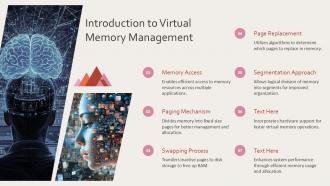
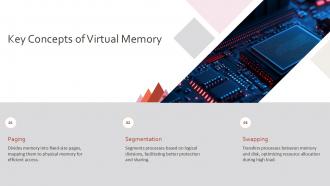
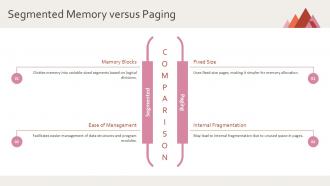
Paging is a memory management technique that divides virtual memory into fixed-size blocks called pages, enabling efficient allocation and retrieval of data. This approach streamlines system performance by allowing operating systems to load only required pages into physical memory, while storing inactive pages on disk, ultimately delivering faster processing speeds and enhanced resource utilization across enterprise computing environments.
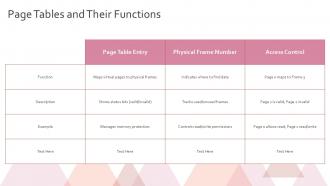
Page tables work as mapping structures that translate virtual addresses to physical memory locations by storing address translations for each page, enabling the CPU's memory management unit to convert virtual addresses during program execution. These tables facilitate memory isolation, enable efficient swapping between RAM and storage, and support multitasking by allowing multiple programs to operate in separate virtual address spaces, ultimately delivering seamless memory management and enhanced system performance.
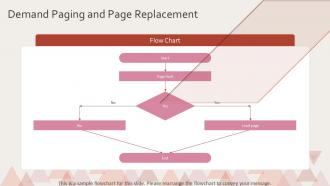
A page fault occurs when a program accesses memory pages not currently loaded in physical RAM, triggering the operating system to retrieve the required data from secondary storage. The system handles this by pausing the requesting process, locating the needed page on disk, loading it into available memory space, and updating page tables, ultimately enabling seamless memory expansion beyond physical limitations while maintaining application performance.
Thrashing occurs when a system spends more time swapping pages between memory and storage than executing processes, typically due to insufficient RAM or poor page replacement algorithms. Organizations can mitigate this through strategic memory allocation, optimized scheduling algorithms, and workload balancing, with many enterprises finding that proactive resource monitoring and dynamic memory management ultimately deliver improved system performance and operational efficiency.
Demand paging loads pages into memory only when accessed by programs, while prepaging loads pages before they're needed based on predicted usage patterns. Demand paging minimizes memory usage and startup times, while prepaging reduces page faults and improves performance, with many operating systems combining both approaches to optimize memory efficiency and application responsiveness.
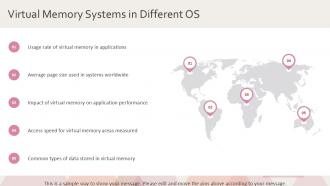
Windows implements virtual memory through its Virtual Memory Manager with demand paging, memory-mapped files, and a hierarchical page table structure, while Linux uses a sophisticated memory management subsystem with copy-on-write mechanisms, swap space optimization, and unified buffer caches. These different approaches enable both systems to deliver enhanced multitasking performance, improved system stability, and efficient resource allocation, with enterprise environments increasingly finding that proper virtual memory configuration significantly streamlines application performance and operational efficiency.
Virtual memory significantly enhances system performance by enabling efficient multitasking, preventing memory fragmentation, and allowing applications larger than physical RAM to run seamlessly. Through demand paging and intelligent caching algorithms, operating systems optimize resource allocation and application responsiveness, with enterprise environments finding that virtual memory delivers smoother user experiences and improved system stability.
Swapping enables virtual memory systems to move entire processes between RAM and disk storage when memory becomes scarce, allowing more programs to run than physical memory would typically support. This mechanism works alongside paging to optimize resource allocation, with operating systems seamlessly transferring inactive processes to disk storage, ultimately delivering enhanced multitasking capabilities and improved system performance.
Common page replacement algorithms include Least Recently Used (LRU), First-In-First-Out (FIFO), Optimal Page Replacement, Clock Algorithm, and Second Chance Algorithm. These algorithms enhance system performance by strategically managing memory allocation, minimizing page faults, and optimizing resource utilization, with many enterprise systems finding that LRU and Clock algorithms deliver superior operational efficiency and faster application response times.
Memory fragmentation affects virtual memory management by creating scattered free memory blocks that complicate allocation, reduce system efficiency, and potentially lead to allocation failures despite available memory. Through virtual memory systems, operating systems minimize these impacts by mapping non-contiguous physical pages to contiguous virtual addresses, enabling better memory utilization and more flexible allocation strategies, ultimately delivering improved performance and resource optimization across applications.
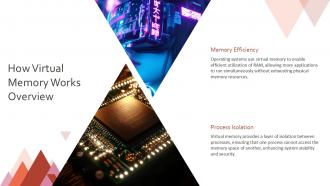
Virtual memory enables multitasking by providing each application its own isolated memory space, preventing conflicts and crashes between programs. Through memory mapping, swapping, and address translation, operating systems can run dozens of applications simultaneously while optimizing RAM usage, with systems efficiently managing resources by moving inactive processes to disk storage when needed.
Virtual memory significantly enhances security by creating isolated address spaces for each process, preventing unauthorized access to other applications' memory regions, and enabling memory protection mechanisms. Through hardware-supported page tables and access controls, operating systems can implement sandboxing, prevent buffer overflow attacks, and ensure process isolation, ultimately delivering robust system security and application stability.
-
“Ample and amazing variety of templates available, really helpful for making professional PPT for day to day workings.”
-
Been using SlideTeam for some time now…can’t imagine why I wasted all that time in front of the screen trying to make the perfect presentation.