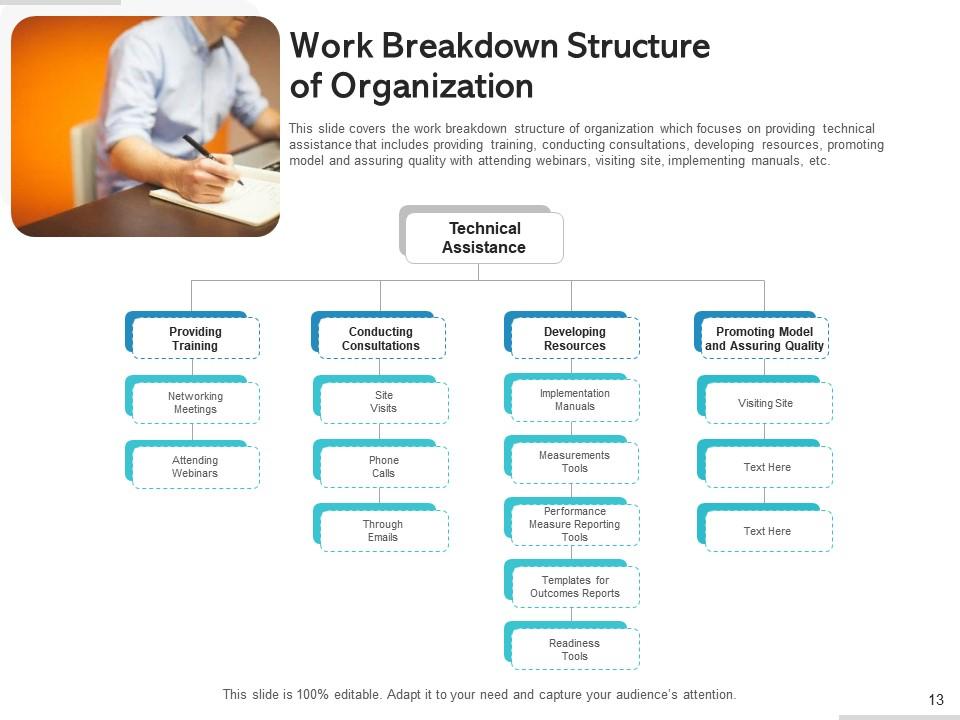
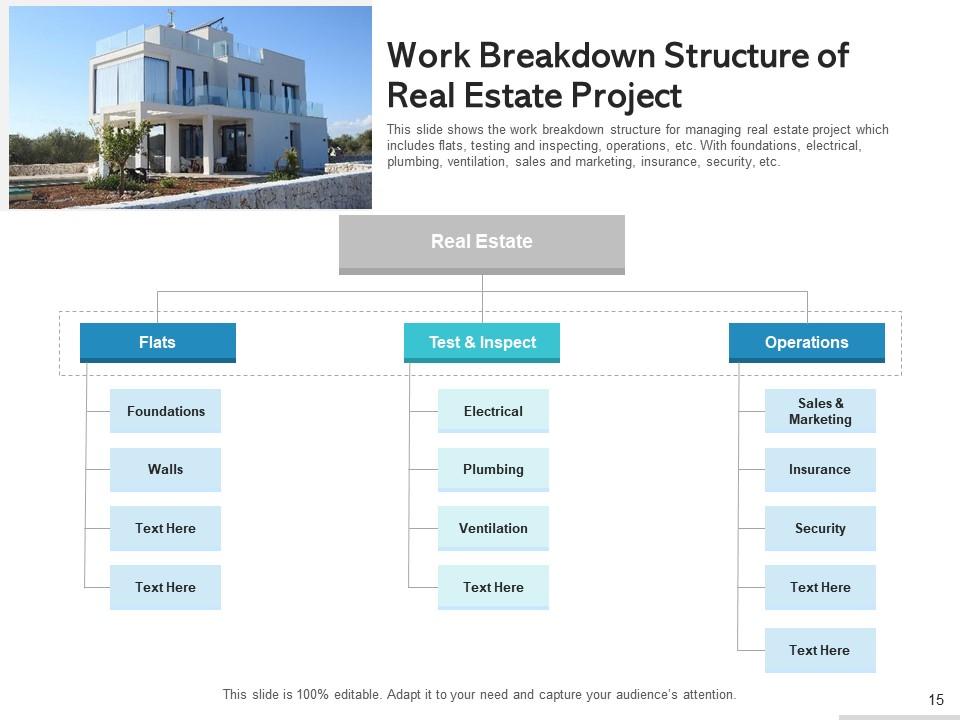
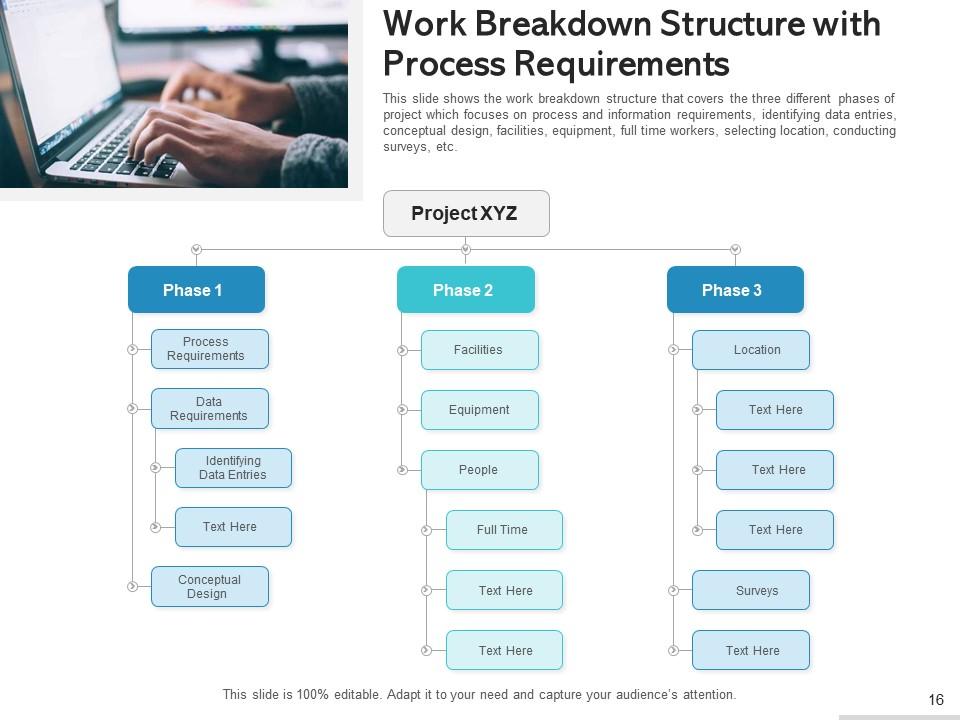
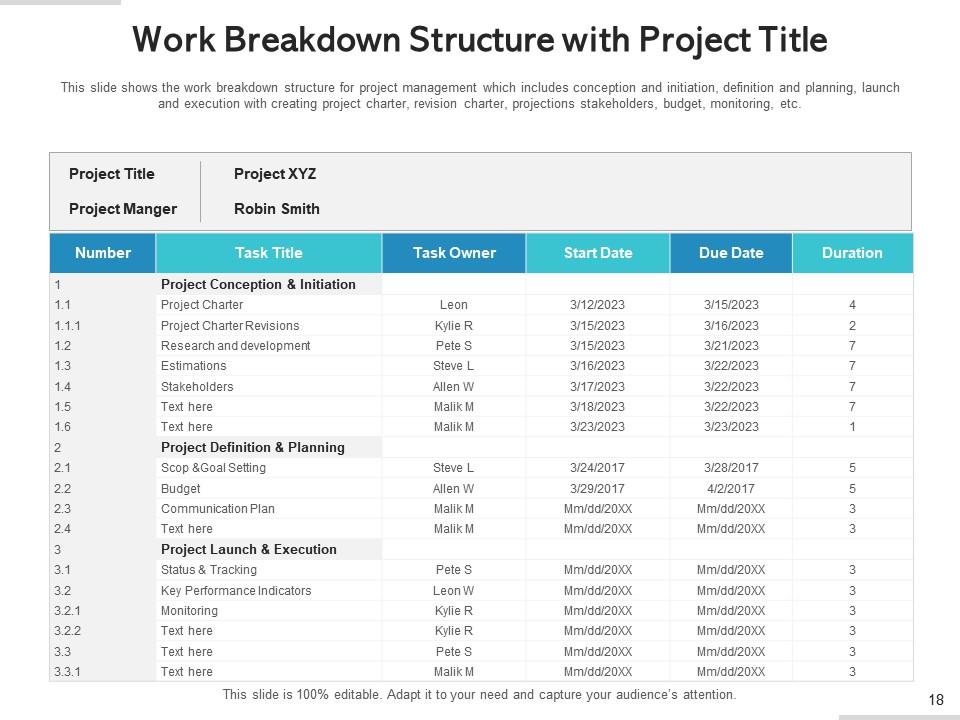
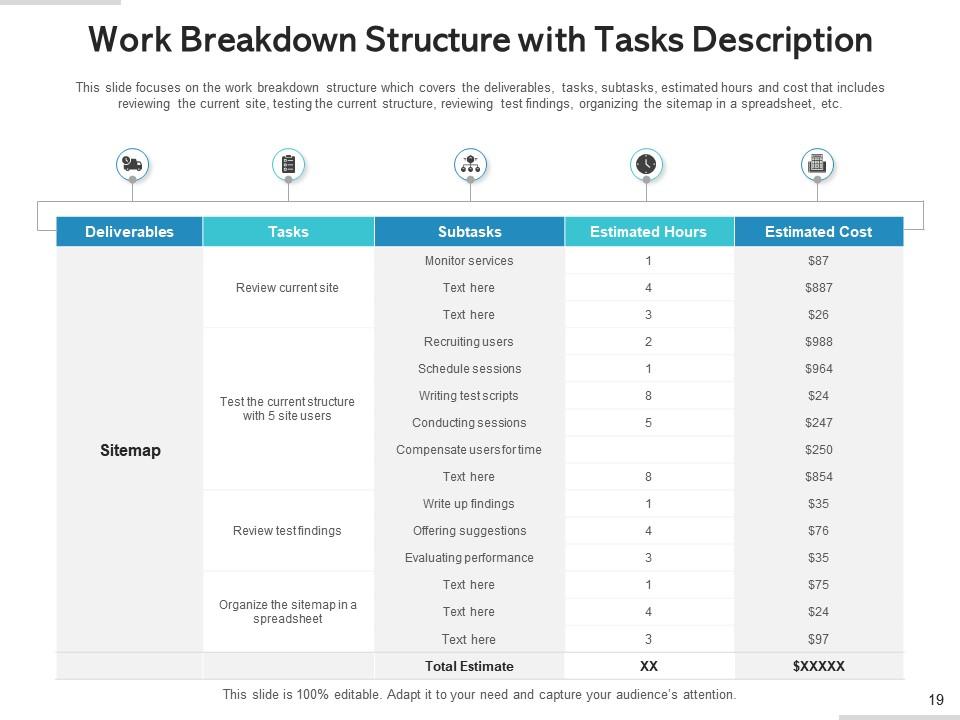
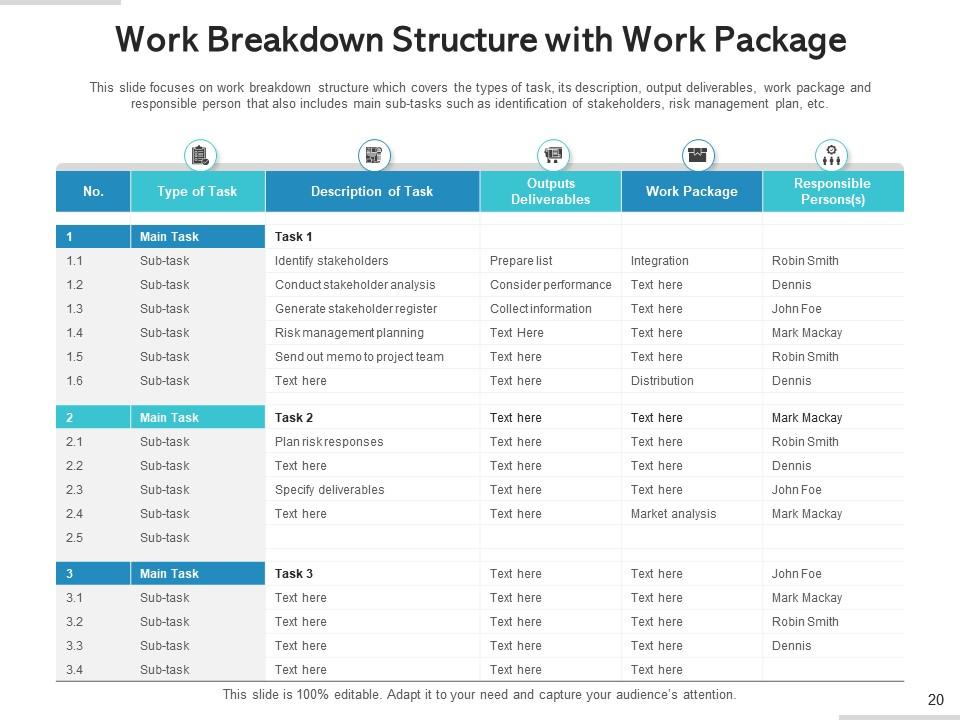
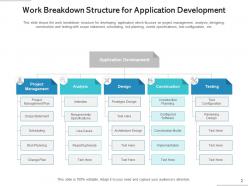
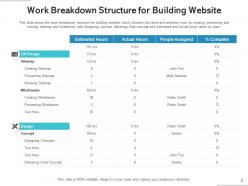
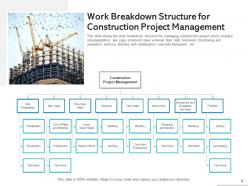
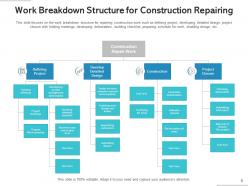
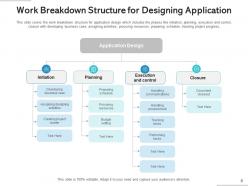
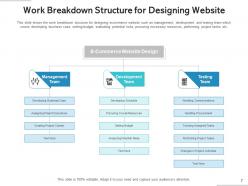
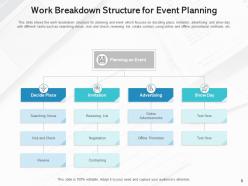
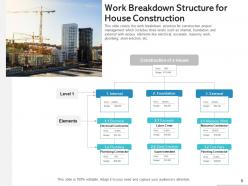
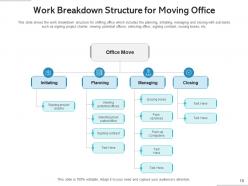
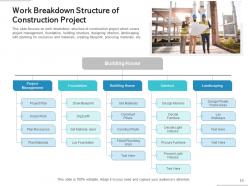
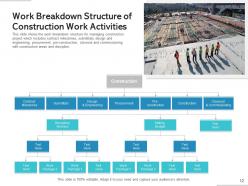
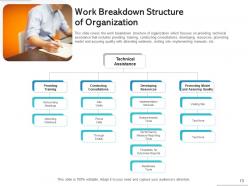
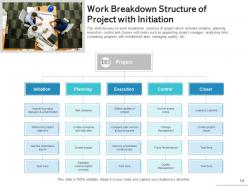
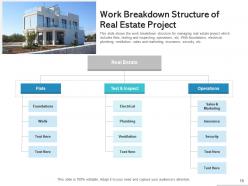
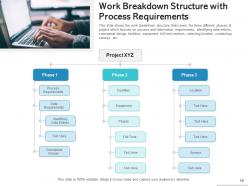
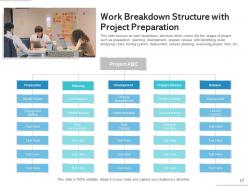
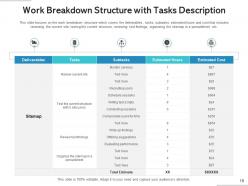
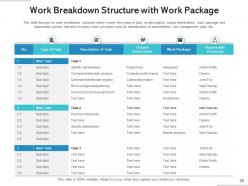
Work breakdown structure of real estate analysis project management design construction
Try Before you Buy Download Free Sample Product
Audience
Editable
of Time
Our Work Breakdown Structure Of Real Estate Analysis Project Management Design Construction are topically designed to provide an attractive backdrop to any subject. Use them to look like a presentation pro.
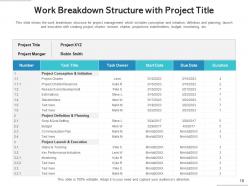
People who downloaded this PowerPoint presentation also viewed the following :
Work breakdown structure of real estate analysis project management design construction with all 21 slides:
Use our Work Breakdown Structure Of Real Estate Analysis Project Management Design Construction to effectively help you save your valuable time. They are readymade to fit into any presentation structure.
FAQs for Work breakdown structure of real estate analysis project
So basically you've got pre-development stuff first - site selection, feasibility studies, all that groundwork. Then comes planning and design where you're dealing with permits and architects. After that it's financing, approvals, construction, then marketing/sales. Fair warning though - planning always drags on way longer than anyone expects. Super annoying but you can't really skip ahead since each step builds on the last one. Your budget gets pretty much set in stone during those early phases too. Oh and definitely pad your timeline for approvals. They're basically guaranteed to take forever.
Honestly, good communication is what saves your butt when things go sideways. Keep everyone in the loop with regular updates - stakeholders hate being surprised, and nobody wants angry emails at 5pm on Friday. Set up your channels early and figure out who needs what info. Some people want the full breakdown, others just need the highlights. I'd do weekly check-ins, milestone reports when you hit major stuff, and maybe a Slack channel for urgent things. Trust me, it's way better than playing phone tag when something's on fire. Takes some upfront work but you'll thank yourself later.
Dude, you HAVE to do risk management - I can't stress this enough. Projects fall apart so fast when you skip it. Look for stuff like permit delays, market changes, construction issues, budget problems. Build in extra time and money from day one because something always goes wrong (trust me on this). Do a big risk review when you start, then check in monthly to catch problems early. My buddy skipped this once and ended up 6 months behind schedule. Don't be that guy.
Dude, you gotta try project management software - Monday or Asana will change your life. No more juggling random spreadsheets for timelines and budgets. Digital document storage is clutch too since you can pull up permits or contracts from your phone instead of digging through file cabinets (been there, it sucks). Real-time collaboration keeps everyone on the same page without those nightmare email threads. I'd start simple with just one platform first. The automation handles all the boring repetitive tasks, and honestly? You'll wonder how you survived without it once everything's synced up.
Here's what you gotta watch: budget variance first - compare actual costs to what you planned for each phase. Schedule stuff matters too, so keep an eye on milestones and any critical path delays. Quality metrics are clutch - track rework rates and how often inspections pass/fail. Oh, and don't sleep on stakeholder satisfaction scores plus safety incidents (learned that one the hard way lol). Weekly dashboards beat monthly reports by miles. Gives you room to fix small problems before they turn into budget nightmares. Most people wait too long to check this stuff.
Dude, check zoning laws FIRST before you get your heart set on anything. They control what you can build, how tall, density, setbacks - basically everything. Some of the restrictions are absolutely insane and will crush your dreams real quick. Height limits especially drive me nuts in my area. Good news though - you can apply for variances or rezoning if you're willing to wait. That'll add months to your timeline, maybe more. Definitely get a zoning attorney if your project's even slightly complicated. Trust me on this one.
Start with a solid baseline budget and add 10-15% contingency - seriously, you'll use it. I check actual vs projected costs every week because things go sideways fast in real estate. For big expenses like materials and labor, I do three estimates: best case, worst case, and realistic. Works way better than guessing. Set up budget check-ins at each milestone so nobody freaks out later. The whole trick is catching problems early when you can actually fix them, not at like 80% done when you're screwed. Oh and honestly? Monthly reviews are too slow - weekly keeps you sane.
Honestly, just bake it into your timeline from the start - don't tack it on later. Pick your site with green factors in mind, then work LEED planning into pre-dev. Design phase is where you spec the eco materials and energy-efficient stuff. Construction gets interesting though - waste reduction is huge, and local sourcing when you can swing it. Vendors have gotten so much better at this lately, which helps. Oh, and track your carbon metrics as you go. Pick like 2-3 sustainability goals for your project and just work backwards from there. Way easier than trying to retrofit green practices.
Honestly, start with super clear communication from day one - it saves so much drama later. Don't micromanage though, nobody wants that hovering boss energy. Regular check-ins work great, just keep them chill. Performance metrics and payment stuff needs to be crystal clear upfront. Oh and document EVERYTHING because people's memories get weirdly selective when money's involved lol. Try to actually connect with them beyond work too - grab coffee, ask about their weekend. Address problems fast. I learned this the hard way but that uncomfortable convo today beats a total meltdown next month.
Before you jump into any project, hit these three things first. Market research is huge - check demand, competition, what people are actually paying. Financial side comes next: acquisition costs, development expenses, timeline, projected returns. Always pad for unexpected costs because trust me, something will go wrong! Also look at zoning laws, permits, all that regulatory stuff. Honestly though? Start with the numbers. If those don't add up, you're just wasting time on everything else. Maybe throw together a quick SWOT analysis too if you're feeling thorough.
Procore and PlanGrid are solid picks - they're made for construction stuff. Buildertrend's good too. But honestly? If your projects aren't crazy complex, Monday.com or Asana work fine and cost way less. You need something that does scheduling, budgets, and document storage together. Don't go overboard with features though - I've watched teams pick fancy software that nobody ends up using because it's too much hassle. Try free trials on maybe 3 options max. See which one doesn't make your brain hurt when you're actually using it daily.
Honestly, market research is like your safety net before dropping serious cash. Check if people actually want what you're building and what they're willing to pay - look at recent sales in the area to get realistic about pricing. Timing matters too (learned this the hard way once). Hot market vs. about to tank makes a huge difference. The data shows you who to target and how to tweak your project specs. Start this stuff early and keep checking back - way cheaper than finding out you messed up later when it's too late to pivot.
Dude, timelines are where everyone screws up - we all think things'll go faster than they do. Always budget an extra 15-20% because trust me, something random will break. Due diligence sounds boring but skip it and you're toast. Zoning and permits? Total nightmare if you don't check early. Oh and contractors - half the problems come from bad communication there. Scope creep is brutal too, like clients suddenly want marble countertops when you planned laminate. My advice? Lock down every detail upfront with solid contracts. Sounds paranoid but it'll save your sanity later.
Oh man, cultural stuff will absolutely torpedo your international deals if you're not careful. Different places have totally different approaches to timing and relationship-building. Like, some cultures want to get to know you first before talking business - learned that one the hard way in Japan, awkward. You've got to adjust how you communicate, run meetings, even plan construction around their holidays and weird regulatory quirks. Honestly? Just find a good local consultant right away. They're worth every penny and will save you from looking like an idiot.
Look, you absolutely need to nail down your scope before you do anything else. Otherwise you're gonna get hit with constant "oh just one more thing" requests that'll destroy your budget. Document every single detail upfront - what you're building, renovating, whatever - and make sure contractors and investors sign off on it. I've seen too many projects turn into complete disasters because people skipped this step. Yeah, it takes extra time at the beginning, but trust me, it's way better than having those awkward conversations later about why everything costs twice as much. Get everyone on the same page from day one.
-
Designs have enough space to add content.
-
Awesome use of colors and designs in product templates.
-
Content of slide is easy to understand and edit.
-
Visually stunning presentation, love the content.