

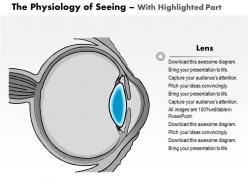
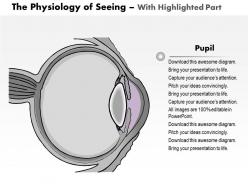
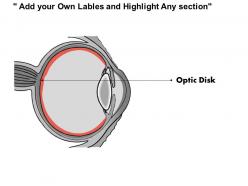
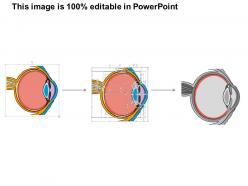
0514 physiology of seeing eye anatomy medical images for powerpoint





Try Before you Buy Download Free Sample Product
 Impress Your
Audience
 100%
Editable
 Save Hours
of Time


Connect with the folks with our 0514 Physiology Of Seeing Eye Anatomy Medical Images For PowerPoint. They are great at establishing communication.
People who downloaded this PowerPoint presentation also viewed the following :
0514 physiology of seeing eye anatomy medical images for powerpoint with all 11 slides:
Extend your advantage with our 0514 Physiology Of Seeing Eye Anatomy Medical Images For PowerPoint. They will get you far further ahead.





FAQs for 0514 physiology of seeing eye anatomy medical
Hey! So femtosecond lasers are huge right now - way more precise cuts and the whole thing just feels more controlled. Premium IOLs have gotten really good too, especially the multifocal ones giving people decent near vision again. Oh, and those light-adjustable lenses are wild - you literally zap them with UV after surgery to tweak the prescription. Honestly think it's becoming the standard because patients expect so much more these days. Short sentences work. If you haven't looked into upgrading yet, probably worth checking out what's available in your area.
Dude, ocular imaging has completely changed the game for catching retinal stuff early. OCT shows you these incredible cross-sections of retinal layers that you just can't see otherwise. Fluorescein angiography picks up vascular changes that are super subtle. Before these tools? We were basically flying blind and missing so much. The best part is you're getting actual measurable data instead of just "hmm, looks kinda funky." I'd definitely start doing regular OCT scans on your diabetic and AMD patients - my cousin's an ophthalmologist and swears by it. You'll catch complications way sooner and track treatment response much better.
Dude, AI's everywhere in eye clinics already. Most places use it for diabetic retinopathy screening and OCT stuff - honestly cuts down so much time on the boring routine cases. It flags weird stuff in fundus photos, catches early glaucoma signs, even predicts how diseases might progress. Pretty cool actually. But don't worry, it's not replacing doctors anytime soon - more like a really good assistant that never gets tired. If you're not using any yet, I'd start with diabetic retinopathy tools. They've got the best research behind them and will definitely make your day smoother.
Try preservative-free artificial tears first - you can use them as much as needed. Warm compresses are seriously underrated, way more helpful than people think. Most dry eye is actually from blocked oil glands, so lid hygiene makes a huge difference too. If that's not cutting it, punctal plugs or prescription drops like cyclosporine might help. There's usually inflammation going on underneath everything. Oh, and check if any meds you're taking could be making it worse - antihistamines and antidepressants are common culprits. Environmental stuff matters too, like using a humidifier.
So basically diabetes messes up the tiny blood vessels in your eyes - it's called diabetic retinopathy and it's seriously no joke. High blood sugar does most of the damage, but high blood pressure makes everything worse. You'll want to keep your A1C under 7% if possible. Get your eyes dilated and checked every year, or twice a year if there's already some damage happening. Oh, and diabetes also speeds up cataracts and increases glaucoma risk too. The good news? If they catch problems early, laser treatment or those anti-VEGF shots can actually prevent most vision loss.
So there's actually some cool stuff happening in glaucoma treatment right now. MIGS procedures are getting really popular - iStent and Xen gel stents give you way less invasive IOP reduction. Recovery's much faster too. Those Durysta implants are pretty neat because they solve the whole compliance nightmare for months. SLT is becoming first-line for a lot of cases now, and honestly? Repeat treatments work way better than I expected. Oh, and there's neuroprotective agents in late trials that could totally change how we handle progressive cases. You should definitely start working MIGS into your surgical conversations.
Honestly, just skip all the fancy medical terms - say "fluid buildup" instead of whatever complicated name they taught you in school. Most people are visual learners, so grab some paper and sketch it out. I know it sounds basic, but those quick drawings work way better than just talking at them. Break everything down into smaller pieces and ask them to tell you back what they heard. Trust me, they'll forget most of it once they walk out the door anyway. Oh, and definitely give them something written to take home - saves you from repeating the same explanation three times later.
Hey! So the biggest thing is consent - kids can't consent, so you're stuck dealing with parents who might want stuff that isn't necessary. Like with strabismus, sometimes it's purely cosmetic but parents push hard for surgery. Honestly, kids can be pretty mean about how other kids look, which makes it tricky - you're balancing actual medical need against the social stuff. My advice? Document everything super clearly. If parents are pressuring you for procedures that aren't really indicated, don't be afraid to get another doc's opinion.
So yeah, myopia progression in teens is actually pretty serious - their eyes grow crazy fast during puberty which can lead to really bad nearsightedness and nasty complications like retinal detachment down the road. The good news? There are solid treatment options now. Atropine drops work great (the 0.01% dose has barely any side effects), plus ortho-k lenses and multifocal contacts can slow things down by 30-60%. Getting kids outside more helps too, but honestly good luck with that these days! The main thing is catching it early since you can't undo the eye lengthening once it's happened. I'd definitely talk treatment options with any teen progressing -0.5D or more per year.
Dude, eye injuries are insanely time-sensitive - like you've got minutes to hours before permanent damage happens. What looks totally minor can cause blindness if you miss something. The pressure inside the eye can spike fast, or there might be tiny foreign objects you can't see without proper equipment. Most regular ERs honestly aren't equipped for this stuff. You can't stabilize someone with eye trauma the same way you would other injuries - there's no "bandage it up and transfer later" option here. My advice? Don't even hesitate - get ophthalmology on the phone immediately rather than trying to wing it.
Quit smoking if you smoke - hands down the biggest thing you can do. Mediterranean diet helps too, lots of leafy greens and fish. Good sunglasses matter more than people think. Exercise keeps blood flow healthy, which your retina loves. The supplement stuff is honestly weird - AREDS2 only worked for people who already had intermediate AMD, not prevention. I wouldn't stress about pills if your eyes are fine. You can't totally prevent it, but these things definitely help your odds. Start with the smoking thing first if that applies.
Telemedicine totally eliminates distance as a barrier for eye care - huge win for rural patients where specialists are basically nonexistent. Remote screenings work great for glaucoma monitoring, diabetic retinopathy follow-ups, stuff like that. Elderly folks especially love not having to arrange rides everywhere. The imaging quality now is honestly pretty impressive, you can spot way more issues than I expected without seeing someone face-to-face. Obviously complex cases still need in-person visits (and any actual procedures), but for routine check-ups and catching problems early? It's solid. I'd start with your patients who have the hardest time getting to appointments.
Honestly, the worst part about eye allergies? People just grab random drops from CVS and make everything worse. You've got chronic inflammation going on that needs actual strategy. First figure out what's triggering it - easier said than done sometimes. Mild cases do fine with antihistamine drops or mast cell stabilizers. Moderate to severe? Short bursts of steroid drops work great, just gotta watch eye pressure doesn't spike. But here's the thing - teach patients to start preventive drops BEFORE allergy season kicks in. Don't wait until you're already dying.
Dude, glaucoma is seriously sneaky - you won't feel anything until major damage is already done. That's why those routine eye exams matter so much. Your eye doctor can spot pressure changes and optic nerve problems way before you notice vision issues. I've heard of so many people who had no clue anything was wrong! The scary part? Once it damages your sight, there's no going back. You can only slow it down from there. Anyone over 40 should definitely get checked regularly, especially if it runs in the family.
Dude, patient education makes or breaks eye treatment compliance. Half these people are literally doing their drops wrong - show them the proper technique first. Then explain why timing matters and what happens if they skip doses. I swear, visual aids showing how their vision will get worse work way better than just talking at them. Address side effects upfront too, otherwise they'll just disappear on you. Oh, and always give written instructions because they zone out during appointments. Trust me, spending five extra minutes explaining stuff now saves you from dealing with treatment failures down the road.
-
I discovered this website through a google search, the services matched my needs perfectly and the pricing was very reasonable. I was thrilled with the product and the customer service. I will definitely use their slides again for my presentations and recommend them to other colleagues.
-
Great quality product.