

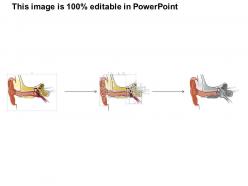
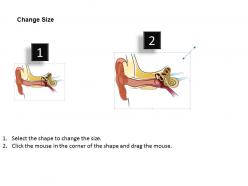
0514 anatomy of human ear medical images for powerpoint




Try Before you Buy Download Free Sample Product
 Impress Your
 Audience
 100%
100% Editable
 Save Hours
 of Time


Flaunt your style with our 0514 Anatomy of Human Ear Medical Images For PowerPoint. Go through your presentation with customary elan.
People who downloaded this PowerPoint presentation also viewed the following :
0514 anatomy of human ear medical images for powerpoint with all 11 slides:
Our 0514 Anatomy of Human Ear Medical Images For PowerPoint allow you a firmer grip. You will be able to handle it better.


FAQs for 0514 anatomy of human ear medical
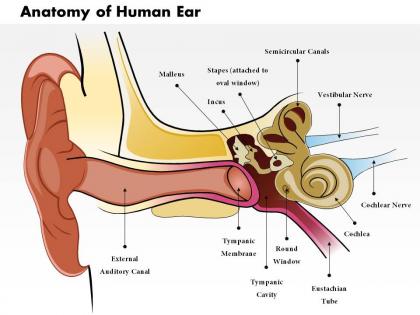
So basically your outer ear just catches sound waves and sends them to your eardrum. Then those three tiny bones in your middle ear - malleus, incus, stapes (weird names, right?) - they boost the sound by like 20 decibels. That's where the real amplification happens. Your inner ear's cochlea then flips those vibrations into electrical signals your brain can actually understand. Pretty wild process when you think about it. If you're cramming for a test or whatever, definitely focus on that middle ear amplification part. That's where most hearing issues start going wrong.
So basically your eardrum vibrates when sound hits it - like a tiny drum. Then these three bones (hammer, anvil, stirrup - whoever named those was having fun) amplify everything in your middle ear. The stirrup pushes fluid around in your cochlea, which has all these hair cells that turn vibrations into electrical signals. Your brain gets those signals through the auditory nerve. It's wild how much engineering is happening just so you can hear music. Makes you appreciate concerts more, honestly.
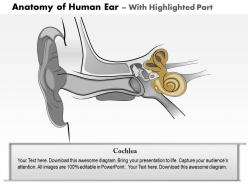
So the cochlea is like your ear's sound converter - it takes vibrations and turns them into signals your brain gets. Picture a snail shell (nature's kinda weird that way). Different spots handle different frequencies, so you can tell a high whistle from deep bass. Tiny hair cells inside bend when sound hits and shoot nerve signals to your brain. That's actually why some people lose certain pitches but not others - maybe the high-frequency section gets damaged while the rest works fine. Pretty wild how it all works together, honestly.
So your cochlea has these hair cells that are basically sound translators. Sound waves make the fluid inside move around, which bends these tiny hair-like things on the cells. Pretty crazy that physical movement becomes what we hear, right? When they bend, the cells release neurotransmitters that send signals up your auditory nerve to your brain. Different cells pick up different frequencies - that's how you can tell a trumpet from a bass guitar. It's honestly kind of mind-blowing that thousands of these little guys are doing this conversion every time you listen to music.
So there's basically three types - conductive, sensorineural, and mixed. Conductive is when sound can't get through properly, like earwax buildup or eardrum issues. Pretty straightforward stuff. Sensorineural is the tricky one though - that's inner ear or nerve damage, usually from aging or being around loud noise too much. Mixed is just both happening at once, which honestly sucks. The good news? Conductive can often be fixed, but sensorineural is usually permanent. Knowing which type you're dealing with makes all the difference - determines if it's treatable or if they'll need hearing aids.
So your eustachian tubes are like little pressure valves connecting your middle ear to your throat. They pop open when you swallow or yawn, letting air flow to balance pressure on both sides of your eardrum. Without that, you'd get that awful plugged feeling - or worse, damage your hearing. They drain fluid too, which is pretty neat. Oh, and they're why your ears get weird on planes! Try chewing gum or swallowing when that happens. You're basically forcing those tubes to open and do their thing.
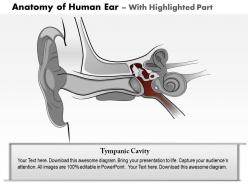
So your eardrum is like this super thin membrane that catches sound waves and turns them into vibrations. Pretty cool how it works - when sound hits it, the whole thing starts vibrating at exactly the same frequency. Those vibrations get passed to three tiny bones in your middle ear that basically amp up the signal before shooting it to your inner ear. It's wild how small those bones are, btw. Anyway, that's why doctors always peek in your ears first when you can't hear well - if your eardrum's messed up, the whole chain gets screwed up.
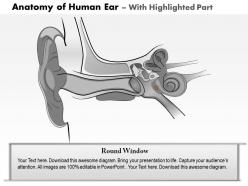
So the ossicles are like tiny dominoes in your ear. Sound hits your eardrum, which moves the hammer, then the anvil, then the stirrup - they're all connected. Pretty wild that we named them after actual objects, right? Anyway, this whole chain amplifies sound about 20 times, which you definitely need since sound has to jump from air into the fluid in your cochlea. Without that boost, you'd barely hear anything. The stirrup pushes against something called the oval window to make it happen. These little bones break down a lot with age or infections, so that's usually what's going wrong when people start losing their hearing.
So basically kids have way shorter, more horizontal ear tubes than us adults, which is why they get ear infections constantly. Their ear canals are smaller too, so wax gets stuck easier. The whole middle ear space is just tiny - even a little swelling messes with their hearing big time. Plus their immune systems aren't fully developed yet, so every cold turns into an ear thing. Honestly it's kind of amazing any kid makes it through childhood without chronic ear problems! But yeah, if you're dealing with hearing issues, check the structural stuff first since most of it's totally fixable.
So basically you've got these tiny fluid-filled chambers in your inner ear that are crazy sensitive to movement. When you tilt your head or whatever, the fluid sloshes around and hits these hair cells that immediately tell your brain "hey we're moving this direction." Your brain then combines that with what you're seeing and muscle feedback to keep you upright. Honestly the whole system is pretty incredible - it picks up even the smallest head tilts instantly. That dizzy feeling after spinning? That's just your vestibular system freaking out trying to figure out what's happening.
So basically bacteria or viruses get stuck in your middle ear, usually after you've had a cold or allergies that block up those eustachian tubes. Kids are like magnets for ear infections because their tubes are shorter and sit more sideways - terrible design honestly. The infection builds up fluid behind your eardrum. Makes everything sound muffled, like you're underwater or something. Good news is the hearing loss usually goes away once the infection clears up. But if you keep getting them over and over, you might end up with scarring. Pain + hearing issues = time to see a doctor, don't wait around.
So basically your ear just starts falling apart lol. The hair cells in your cochlea die off and don't grow back - super annoying. Your eardrum gets stiff, plus those tiny middle ear bones too. High frequencies go first, which is why my dad's always like "what?" when women talk but hears guys fine. It's called presbycusis if you wanna get technical. Oh and your ears stop making as much wax, so they get all dry. Really creeps up on you though! I'd get a hearing test now so you know where you're starting from.
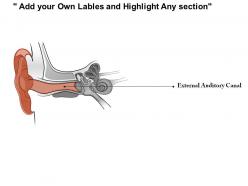
So your ears actually have some built-in protection! There's this tiny muscle called the stapedius that automatically tightens up when loud sounds hit - basically acts like natural volume control. Plus your ear canal has this slight curve that filters some noise out. But honestly, these defenses are pretty weak sauce against really loud stuff. They can't handle sudden explosions or like, standing next to speakers at concerts for hours. Anything over 85 decibels will still mess you up over time, so you've gotta use actual ear protection around machinery and shows.
Dude, the hearing tech stuff coming out now is honestly insane. Cochlear implants can basically give people their hearing back, and modern hearing aids have AI that filters background noise plus Bluetooth - my uncle's got ones that connect to his phone. There's even research into regrowing the tiny hair cells in your ears, which sounds like sci-fi but it's real. Oh, and they've got these automated screening tools that catch problems super early now. Bottom line though - if something feels off with your hearing, get it checked sooner rather than later. More options when you don't wait.
You basically need to know ear anatomy inside and out to make good hearing devices. The whole point is figuring out where things are broken so you can work around them. Like with cochlear implants - they're genius because someone realized you could just skip over the busted hair cells and zap the auditory nerve directly. Pretty cool stuff honestly. You have to map the entire pathway from outer ear through the cochlea to see where your device needs to plug in. Each type of hearing loss hits different spots, so your design has to match what's still working in those patients. It's all about finding the right intervention point.
-
Professional and unique presentations.
-
Easy to edit slides with easy to understand instructions.