


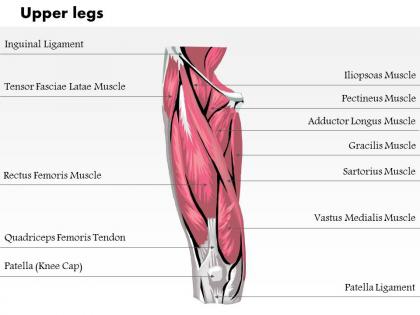
0514 upper legs anterior view medical images for powerpoint




Try Before you Buy Download Free Sample Product
 Impress Your
 Audience
 100%
100% Editable
 Save Hours
 of Time


Follow etiquette with our 0514 Upper Legs Anterior View Medical Images For PowerPoint. Your thoughts will always be appropriate.
People who downloaded this PowerPoint presentation also viewed the following :
0514 upper legs anterior view medical images for powerpoint with all 10 slides:
Enhance the force of attraction with our 0514 Upper Legs Anterior View Medical Images For PowerPoint. They will add on to your charisma.


FAQs for 0514 upper legs anterior view medical
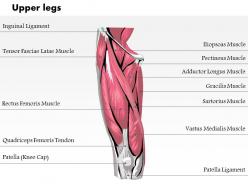
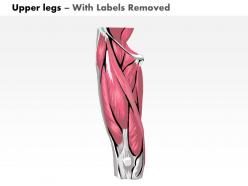
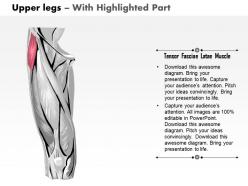
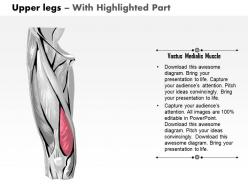
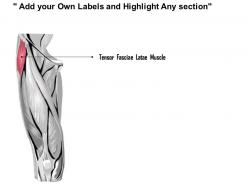
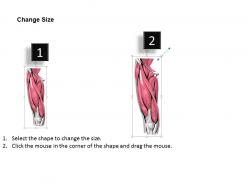
The upper legs from an anterior view display the quadriceps muscle group, including rectus femoris, vastus lateralis, vastus medialis, and vastus intermedius, along with the sartorius muscle, femoral triangle, and patella. These anatomical structures enable comprehensive understanding of lower limb biomechanics, muscle function, and movement patterns, with medical professionals, fitness trainers, and physical therapists finding this anterior perspective essential for assessment, treatment planning, and educational purposes.
Muscle definition in the upper legs enhances athletic performance by improving power generation, stride efficiency, and injury prevention through stronger quadriceps, hamstrings, and hip flexors. Well-developed anterior muscles enable explosive movements in sports like sprinting, jumping, and cycling, while providing better knee stabilization and force transfer, ultimately delivering improved speed, endurance, and reduced risk of lower-body injuries.
Common injuries affecting the anterior upper legs include quadriceps strains, hip flexor injuries, femoral stress fractures, rectus femoris tears, and anterior thigh contusions. These conditions frequently impact athletes, runners, and active individuals through overuse, sudden acceleration, or direct trauma, with sports medicine professionals finding that early intervention and targeted rehabilitation significantly enhance recovery outcomes and prevent chronic complications.
Body posture significantly influences upper leg appearance from the anterior view by altering muscle definition, weight distribution, and anatomical alignment through hip positioning, knee placement, and pelvic tilt adjustments. Different postural positions enhance or diminish quadriceps visibility, affect thigh circumference perception, and modify overall leg proportions, with many healthcare professionals and fitness specialists finding that proper alignment optimizes both functional performance and aesthetic presentation.
**INPUT**: What role do the quadriceps play in lower body movements as seen from the anterior perspective? **OUTPUT**: The quadriceps serve as primary knee extensors and hip flexors, controlling walking, running, jumping, squatting, and stair climbing through coordinated muscle activation. These four muscles work synergistically to stabilize the patella, absorb impact forces, and generate powerful propulsion, with athletes and rehabilitation specialists finding that targeted quadriceps strengthening enhances performance while preventing knee injuries. [Word count: 55 words]
The anterior view of the upper legs enables assessment of muscular imbalances by revealing asymmetries in quadriceps development, hip flexor positioning, and overall muscle definition between left and right limbs. Healthcare professionals and fitness specialists use this perspective to identify compensatory movement patterns, strength discrepancies, and postural deviations, ultimately delivering more targeted rehabilitation programs and injury prevention strategies.
Effective exercises include dynamic leg swings, walking lunges, Bulgarian split squats, straight-leg raises, and wall sits for comprehensive anterior muscle development. These movements enhance quadriceps strength, hip flexor flexibility, and overall lower body stability by targeting multiple muscle groups simultaneously, with many athletes and fitness enthusiasts finding that consistent practice delivers improved performance, reduced injury risk, and enhanced functional movement patterns.
Fat distribution in the anterior upper leg typically shows lower concentrations compared to areas like the abdomen, hips, and posterior thighs, with women generally storing more subcutaneous fat in this region than men. This distribution pattern varies significantly based on genetics, hormones, and lifestyle factors, with many fitness professionals and healthcare providers finding that targeted exercise and nutrition strategies can effectively address regional fat storage concerns while promoting overall body composition improvements.
Typical measurements for upper leg proportions in anterior view include thigh circumference, quadriceps muscle width, inter-thigh gap distance, femoral length, and muscle definition ratios. These measurements enable fitness professionals, medical practitioners, and athletic trainers to assess muscle development, track rehabilitation progress, and optimize training programs, with many sports medicine facilities finding that standardized anterior assessments deliver more accurate progress tracking and enhanced performance outcomes.
The anterior view reveals quadriceps muscle groups, hip flexors, and supporting structures, enabling trainers to design programs targeting specific muscle imbalances, strength deficits, and movement patterns. This anatomical perspective helps fitness professionals create strategic exercise combinations, monitor muscle development progression, and address anterior chain weaknesses, ultimately delivering more effective leg strengthening protocols and enhanced athletic performance outcomes.
Photographers can effectively highlight upper legs in anterior view through strategic lighting placement, directional shadows, texture enhancement, and careful angle selection. Professional portrait and fitness photographers often employ key lighting from slightly above, side lighting to define muscle contours, and post-processing techniques to enhance definition, ultimately delivering striking anatomical imagery that emphasizes form and proportion.
Anatomical diagrams enhance understanding of anterior upper leg structures by providing clear labeling of muscles, bones, and blood vessels, detailed cross-sectional views, and color-coded differentiation between tissue types. These visual tools enable medical students, healthcare professionals, and fitness trainers to identify quadriceps components, femoral anatomy, and vascular pathways more effectively, ultimately delivering improved diagnostic accuracy and treatment planning.
Fashion considerations for upper legs from the front include hemline placement, fabric drape, color coordination, silhouette balance, and proportional harmony with the overall outfit. These elements work together by creating visual flow, emphasizing or minimizing specific areas, and enhancing body proportions, with many designers finding that strategic styling ultimately delivers flattering silhouettes and confident presentation.
Movement analysis from the anterior view aids rehabilitation practices by identifying muscle imbalances, compensation patterns, tracking asymmetries, and monitoring joint alignment during functional movements. Physical therapists and sports medicine professionals use this perspective to assess quadriceps activation, hip stability, and knee tracking, ultimately designing targeted interventions that restore proper biomechanics and accelerate recovery outcomes.
Sportswear innovations for highlighting upper leg contours include compression leggings with strategic paneling, gradient compression technology, moisture-wicking fabrics with contouring seams, and athletic wear featuring color-blocking designs. These technologies enhance muscle definition through targeted support, improved circulation, and visual sculpting effects, with many fitness brands finding that strategic fabric placement and compression zones ultimately deliver better performance aesthetics and athletic confidence.
-
Great designs, Easily Editable.
-
I discovered this website through a google search, the services matched my needs perfectly and the pricing was very reasonable. I was thrilled with the product and the customer service. I will definitely use their slides again for my presentations and recommend them to other colleagues.