


Abercrombie and fitch co company profile overview financials and statistics from 2014-2018




Try Before you Buy Download Free Sample Product
 Impress Your
 Audience
 100%
100% Editable
 Save Hours
 of Time


This report is an extensively researched profile on company Abercrombie And Fitch Co Company Profile Overview Financials And Statistics From 2014 to 2018 in industry Consumer Goods And FMCG and Retail and Trade and E-Commerce and has been prepared by SlideTeam industry experts after extensively researching through hundreds of data sources.
People who downloaded this PowerPoint presentation also viewed the following :
Abercrombie and fitch co company profile overview financials and statistics from 2014-2018 with all 75 slides:
Our Abercrombie And Fitch Co Company Profile Overview Financials And Statistics From 2014-2018 ensure you get through. They will answer your call for action.









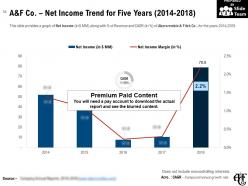

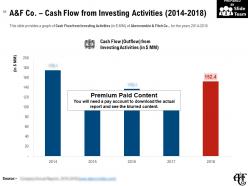
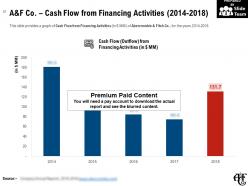
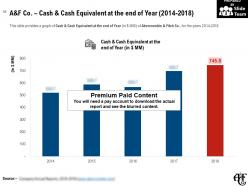
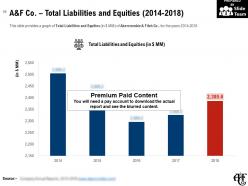
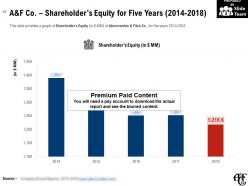
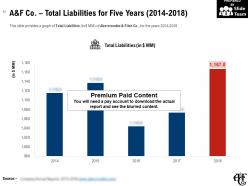
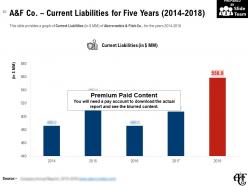
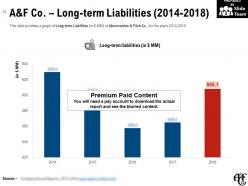
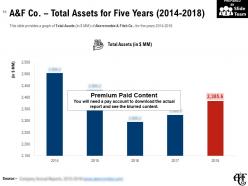
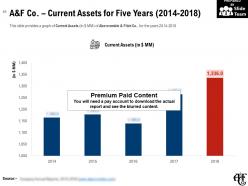
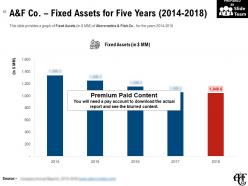


FAQs for Abercrombie and fitch co company profile overview financials and
Abercrombie & Fitch evolved from an 1892 outdoor sporting goods retailer into a global lifestyle brand through strategic reinvention, particularly under Mike Jeffries' leadership from 1992-2014. The company transformed from near-bankruptcy in the 1970s to international expansion, adapting its marketing approach and brand positioning while navigating changing consumer preferences, ultimately delivering sustained growth across multiple retail formats and geographic markets.
Abercrombie & Fitch's branding strategy has evolved from exclusivity-focused marketing to inclusive, diverse campaigns, emphasizing sustainability, body positivity, and authentic customer experiences. The company streamlined operations by closing underperforming stores, refreshing product lines, and leveraging digital platforms, ultimately delivering improved financial performance and stronger consumer connections in an increasingly competitive retail landscape.
Social media serves as Abercrombie & Fitch's primary platform for brand storytelling, influencer partnerships, visual merchandising, and direct customer engagement across Instagram, TikTok, and other channels. These digital touchpoints enable the retailer to showcase lifestyle content, drive traffic to physical stores, and build community connections with younger demographics, ultimately delivering enhanced brand awareness and measurable conversion rates.
Abercrombie & Fitch differentiates itself through distinctive brand positioning focused on casual luxury, experiential retail environments, targeted demographic marketing, and premium pricing strategies that create aspirational appeal. The company leverages immersive store experiences, carefully curated seasonal collections, and strategic digital marketing to build brand loyalty, while many retailers find that this focused approach delivers stronger customer engagement and sustainable competitive advantage.
Abercrombie & Fitch primarily targets millennials and Gen Z consumers aged 18-35, focusing on fashion-conscious individuals with disposable income seeking premium casual wear. The brand appeals to trend-aware customers across urban and suburban markets, with many retail analysts finding that their demographic strategy emphasizes lifestyle aspiration and brand authenticity over traditional age segmentation.
Abercrombie & Fitch has significantly transformed its approach by expanding size ranges, diversifying marketing campaigns, and implementing inclusive hiring practices across all organizational levels. The company shifted from its historically exclusive brand positioning to embrace body positivity and cultural diversity, with many retail analysts finding that these strategic changes have enhanced customer loyalty, broadened market appeal, and ultimately delivered stronger financial performance in an increasingly inclusive marketplace.
E-commerce has fundamentally transformed Abercrombie & Fitch's retail approach by shifting focus from exclusively mall-based stores to omnichannel experiences, digital marketing strategies, and streamlined inventory management. This transformation enables faster customer engagement, reduced operational costs, and enhanced personalization capabilities, with many fashion retailers finding that integrated digital platforms ultimately deliver competitive advantage in an increasingly dynamic retail landscape.
Abercrombie & Fitch has implemented sustainable materials sourcing, water conservation programs, energy-efficient store operations, waste reduction initiatives, and responsible manufacturing partnerships across its supply chain. These sustainability efforts streamline operational efficiency while reducing environmental impact, with the company finding that eco-conscious practices enhance brand reputation, attract environmentally aware consumers, and ultimately deliver competitive advantage in retail markets.
Abercrombie & Fitch manages its supply chain through comprehensive vendor auditing programs, strict quality control standards, and ethical sourcing initiatives that monitor labor practices, environmental compliance, and material authenticity. The company partners with certified suppliers across global markets, implements regular facility inspections, and maintains transparency reporting systems, ultimately delivering consistent product quality while meeting increasingly important sustainability expectations in retail operations.
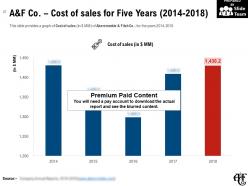
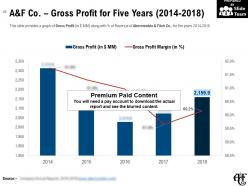
Abercrombie & Fitch's financial performance metrics include revenue growth trends, comparable store sales, gross margin percentages, operating income ratios, and digital commerce penetration rates. These indicators collectively demonstrate the company's operational efficiency, brand positioning strength, and market competitiveness, with many retail analysts finding that consistent digital growth and margin improvements signal strategic transformation success.
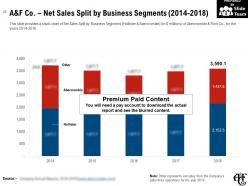
Abercrombie & Fitch's product segmentation across multiple brands—Abercrombie & Fitch, Hollister, and abercrombie kids—enables targeted marketing strategies, distinct pricing models, and demographic-specific store experiences that maximize market reach. This strategic segmentation allows the company to capture different age groups and lifestyle preferences simultaneously, ultimately delivering diversified revenue streams and reducing dependence on single market segments.
Abercrombie & Fitch has pursued influencer collaborations with social media personalities, celebrity partnerships, music festival sponsorships, and strategic retail partnerships to enhance brand visibility. These collaborations enable the company to reach younger demographics, expand digital presence, and strengthen brand authenticity, with many fashion retailers finding that strategic partnerships deliver enhanced customer engagement and competitive market positioning.
Abercrombie & Fitch's store designs reflect its brand identity through carefully curated elements including dim lighting, loud music, strong fragrances, and rustic lodge aesthetics that create an exclusive, aspirational atmosphere. These design choices reinforce the brand's positioning as a lifestyle destination targeting young consumers, with the sensory-heavy environment ultimately delivering memorable experiences that differentiate it from traditional retail competitors.
Abercrombie & Fitch has introduced sustainable materials, inclusive sizing, digital-first collections, and personalized styling services to modernize its offerings. These innovations streamline customer experiences by embracing eco-conscious fashion, expanding market reach, and leveraging data-driven personalization, with many retail brands finding that strategic reinvention ultimately delivers enhanced brand loyalty and competitive advantage.
Abercrombie & Fitch leverages customer feedback through social media monitoring, in-store surveys, online reviews analysis, and focus groups to refine product designs, sizing, and style preferences. This customer-centric approach enables the retailer to enhance product quality, streamline inventory decisions, and deliver more targeted collections, ultimately improving customer satisfaction and driving stronger sales performance.
No Reviews