


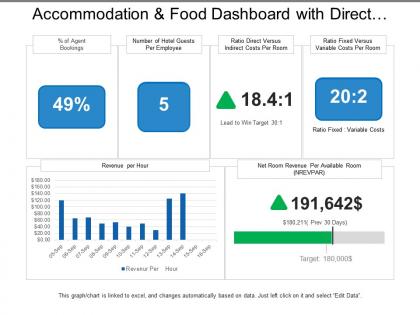
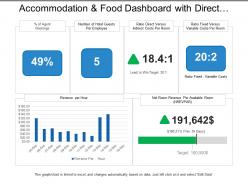
Accommodation and food dashboard with direct and indirect cost per room




Try Before you Buy Download Free Sample Product
 Impress Your
 Audience
 100%
100% Editable
 Save Hours
 of Time


Ensure you bag it with our Accommodation And Food Dashboard With Direct And Indirect Cost Per Room. They are completely given to achieving.
People who downloaded this PowerPoint presentation also viewed the following :
Accommodation and food dashboard with direct and indirect cost per room with all 6 slides:
Conduct back to back events with our Accommodation And Food Dashboard With Direct And Indirect Cost Per Room. Handle them with equal aplomb.
-
Accommodation and food dashboard with direct and indirect cost per room
-

Accommodation and food dashboard with direct and indirect cost per room
-
Accommodation and food dashboard with direct and indirect cost per room
-
Accommodation and food dashboard with direct and indirect cost per room
-
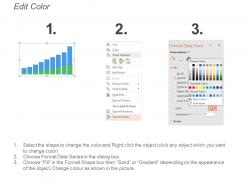
Accommodation and food dashboard with direct and indirect cost per room
-
Accommodation and food dashboard with direct and indirect cost per room
FAQs for Accommodation and food dashboard with direct and indirect
**INPUT**: What are the primary factors influencing accommodation costs in urban versus rural areas? **OUTPUT**: Primary factors influencing accommodation costs include land availability, population density, employment opportunities, infrastructure development, and local amenities access. Urban areas typically deliver higher costs through premium location values and competitive markets, while rural regions offer cost advantages through abundant land and lower operational expenses, with many organizations finding strategic combinations enable optimized resource allocation across diverse geographical portfolios. *[Word count: 60 words]*
Seasonal trends significantly impact hotel pricing through supply-demand fluctuations, with rates increasing 30-70% during peak periods like summer vacations, holidays, and major events. Hotels in tourist destinations, ski resorts, and business districts adjust pricing dynamically, while travelers can reduce accommodation expenses by booking off-season, ultimately delivering cost savings of 40-60% compared to peak rates.
Location significantly influences accommodation value through proximity to attractions, transportation hubs, business districts, and amenities, while also reflecting local market conditions, safety levels, and neighborhood desirability. Prime locations like downtown financial districts or beachfront properties command premium pricing, with many hospitality investors finding that strategic location selection ultimately delivers higher occupancy rates and competitive advantage over amenities alone.
Travelers can effectively use price comparison tools by checking multiple platforms simultaneously, filtering results by location and amenities, setting price alerts for preferred dates, and comparing total costs including fees. These tools streamline decision-making by aggregating rates from various booking sites, enabling travelers to identify seasonal pricing patterns and secure competitive rates, ultimately delivering significant savings and more informed accommodation choices.
Hidden accommodation fees include resort charges, Wi-Fi costs, parking fees, cleaning surcharges, early check-in penalties, and mandatory service charges. These additional costs often increase total expenses by 15-30%, with many travelers and corporate booking managers finding that transparent fee disclosure and negotiated rate agreements help minimize unexpected charges while delivering better budget predictability.
Length of stay significantly impacts hospitality pricing through volume discounts, operational efficiency gains, and reduced turnover costs that enable hotels to offer lower nightly rates for extended bookings. Many hotels, resorts, and corporate housing providers leverage dynamic pricing models that reward longer commitments with graduated discounts, ultimately delivering improved occupancy rates and higher revenue per available room while enhancing guest loyalty.
Historical accommodation rate data during major events reveals pricing patterns, demand fluctuations, optimal booking windows, seasonal variations, and regional capacity constraints. Through analyzing events like conferences, festivals, or sporting competitions, organizations can predict rate increases of 200-400%, identify cost-saving booking strategies, and optimize travel budgets, ultimately delivering significant expense reductions and enhanced resource allocation for future event planning.
Alternative lodging options like Airbnb and hostels typically cost 20-60% less than traditional hotels, with hostels offering the lowest rates and vacation rentals providing better value for groups or extended stays. These alternatives enable travelers and businesses to significantly reduce accommodation expenses while often delivering enhanced space, local experiences, and flexible amenities, with many organizations finding that strategic lodging choices can optimize travel budgets without compromising quality.
Demand forecasting significantly impacts accommodation pricing by enabling dynamic rate adjustments, optimizing revenue management, and enhancing competitive positioning through predictive analytics. Hotels and hospitality providers leverage these insights to maximize occupancy rates, adjust seasonal pricing strategies, and deliver better customer value, ultimately achieving higher profitability while maintaining market responsiveness.
Economic factors significantly impact accommodation prices through rising operational costs, fluctuating demand patterns, local supply constraints, and regional economic health indicators. Inflation drives up expenses for utilities, labor, and maintenance, while market conditions like tourism trends, business travel demand, and local events create pricing volatility, with properties in economically robust areas commanding premium rates and delivering enhanced revenue optimization.
Travelers can secure better accommodation deals through flexible booking dates, comparing prices across multiple platforms, booking directly with hotels for exclusive rates, utilizing loyalty programs, and considering alternative accommodations like vacation rentals. These strategies enable significant cost savings by leveraging seasonal pricing variations, promotional offers, and membership benefits, with many travelers finding that combining multiple approaches ultimately delivers optimal value and enhanced travel experiences.
Loyalty programs and memberships significantly reduce accommodation costs through exclusive discounts, room upgrades, waived fees, and points-based rewards that enable free stays. These programs deliver substantial savings for frequent travelers, with many hospitality chains finding that members enjoy 10-20% cost reductions while hotels benefit from increased customer retention and higher booking frequency.
Environmental sustainability considerations affecting eco-friendly accommodation costs include renewable energy systems, water conservation technologies, sustainable building materials, waste reduction programs, and green certification processes. These investments typically require higher upfront capital but deliver long-term operational savings through reduced utility costs, enhanced guest satisfaction, and competitive positioning, with many hotels finding that sustainability initiatives ultimately improve profitability while attracting environmentally conscious travelers.
Remote work fundamentally reshapes accommodation demand by reducing business travel, increasing long-term stays, and shifting preferences toward residential-style properties with workspace amenities. Hotels and rental platforms are adapting pricing strategies through extended-stay discounts, workspace packages, and flexible booking terms, while many properties find that targeting remote workers with monthly rates and co-working facilities delivers more consistent revenue streams.
Demographic trends influencing accommodation pricing include aging populations requiring accessible facilities, urbanization driving city-center demand, remote work flexibility affecting location preferences, and millennial travel behaviors prioritizing experiences over luxury. These shifts enable hospitality providers to diversify offerings, optimize pricing strategies, and expand market reach, with many hotels finding that demographic-targeted accommodations deliver enhanced occupancy rates and competitive positioning.
No Reviews