


Accounts Payable Invoice Processing Disbursements Compliance Journal Entry




Try Before you Buy Download Free Sample Product
 Impress Your
 Audience
 100%
100% Editable
 Save Hours
 of Time


Our Accounts Payable Invoice Processing Disbursements Compliance Journal Entry are topically designed to provide an attractive backdrop to any subject. Use them to look like a presentation pro.
People who downloaded this PowerPoint presentation also viewed the following :
Accounts Payable Invoice Processing Disbursements Compliance Journal Entry with all 14 slides:
Use our Accounts Payable Invoice Processing Disbursements Compliance Journal Entry to effectively help you save your valuable time. They are readymade to fit into any presentation structure.
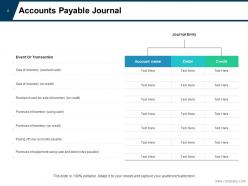
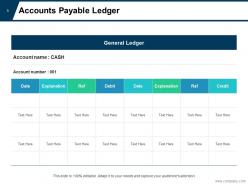
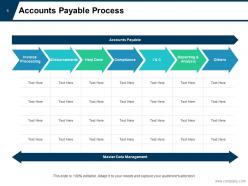
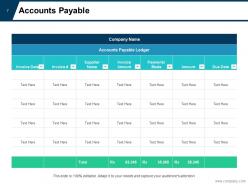

FAQs for Accounts Payable Invoice Processing Disbursements
So you need the basic stuff first - invoice receipt, verification, approval workflows, and payment processing that doesn't take forever. Three-way matching is huge though, like it compares invoices against purchase orders and receipts. Seriously saves you from so many headaches. Set up approval levels based on dollar amounts, get automated reminders going, and use one central system to track it all. Oh and definitely standardize everything so stuff doesn't get lost. I'd start by looking at your current process - where does everything always get stuck? That's usually where you fix first.
Dude, start with invoice processing - that's where you'll feel the biggest difference right away. Set it up to automatically pull data from PDFs and paper invoices so you're not typing everything by hand. The matching part is pretty sweet too - it'll connect invoices to your POs and receipts without you doing anything. Routine approvals can run on autopilot based on whatever rules you set up. Honestly, the visibility alone makes it worth it because you can actually see what's sitting there waiting. Exception handling is solid too - flags weird stuff for you to check out. Once you see how much time it frees up, you'll wonder why you waited so long.
Focus on a few key metrics first - don't overwhelm yourself. Days Payable Outstanding (DPO) is solid because it shows how long you're taking to pay suppliers. Higher numbers usually mean better cash flow for you. Invoice processing time matters too - tracks how fast things move through approval. Cost per invoice is honestly where I'd start though. It really shows you where automation actually makes a difference versus just being fancy tech. Payment accuracy and early discount capture are worth tracking once you get the hang of it. Pick maybe 2-3 that match your biggest headaches right now.
Okay so vendor management is literally the backbone of your whole AP process. It's all about onboarding new vendors, keeping their contact and payment info updated, negotiating better terms. Plus you're building actual relationships - trust me, when stuff goes wrong you'll want those connections. Performance monitoring is huge too, making sure everyone follows company policies. Oh and consolidating suppliers can get you way better rates if you play it right. My advice? Put in the work upfront setting up solid processes. Your future self will thank you when daily AP tasks aren't a total nightmare.
Honestly, you've got to build some solid checks into your AP process or you're asking for trouble. Never let one person handle payments solo - always have two sets of eyes on invoices and approvals. I'd also split up the duties so whoever gets the invoices isn't the same person cutting checks. Keep an eye on your vendor list too, because scammers love setting up bogus companies for duplicate payments. The whole point is stopping anyone from controlling the entire payment chain by themselves. Trust me, it's way easier to prevent fraud upfront than deal with the mess afterward.
Ugh, AP is such a nightmare sometimes. The worst stuff? Invoice delays, paying the same thing twice (happens way more than you'd think), and vendors constantly calling about late payments. So many places still do manual data entry which just blows my mind - like why are we typing everything in 2024? Approval workflows get stuck because departments don't talk to each other. Then you can't predict cash flow properly when payment schedules are all over the place. Honestly, if you automate invoice capture first, that'll fix most of your headaches right there.
Honestly, AP timing is everything for your cash flow. Longer payment terms = more cash sitting in your account longer, which is basically free financing. But don't pay suppliers super early unless you have to - I made that mistake and it totally squeezed my working capital. You've gotta find the sweet spot between keeping vendors happy and not screwing yourself over financially. Track your aging reports like crazy and push for longer terms when you can. Just don't be a dick about it or you'll burn bridges with suppliers you actually need.
You definitely want that three-way match thing - check your PO, receiving docs, and invoice match up before paying anything. Automate whatever you can because manual entry is where everything goes to hell. Get those invoices digital from day one and route them fast to whoever needs to approve them. Set approval workflows based on dollar amounts too. Oh, and nail down standard payment terms with vendors upfront - helps you plan cash flow way better. Honestly the whole thing comes down to having a process your team can actually follow every time. Technology should handle the boring stuff so people don't create bottlenecks.
Start with rock-solid internal controls and document literally everything. Get approval workflows in place, split up duties so one person can't handle entire payments solo. Audits are annoying but they'll save your butt before regulators come knocking. Keep your team current on tax stuff - 1099s and international payments change constantly. Oh, and segregating duties actually prevents most fraud too, which is a nice bonus. Every invoice needs a clear paper trail showing you followed protocol. Short version: if you can't prove you did it right, you probably didn't.
Honestly, the AI invoice stuff is getting insane - it reads and sorts everything automatically now. Real-time payments are everywhere too, so no more waiting around for ACH transfers. Most AP systems integrate way better with ERPs these days. Your team's probably gonna expect mobile approvals since everyone's used to doing everything on their phones now. Oh, and blockchain for vendor verification is a thing, but it's still pretty niche tbh. I'd definitely start with the AI piece though. It'll cut down your manual data entry by like 80%. That's where you'll see the biggest time savings right off the bat.
Honestly, interdepartmental communication is the make-or-break thing for AP. Most of the nightmare scenarios I've seen aren't even tech problems - they're just departments not talking to each other. You'll need procurement on speed dial for PO matching, finance has to stay in the loop for approvals, and receiving needs to actually tell you when stuff arrives (good luck with that last one sometimes). When everyone's actually coordinating, your invoice processing gets way faster and you spot problems before they blow up. Set up regular check-ins with the main players and figure out who handles urgent escalations.
Look at your payment history first - if you've been solid with payments, that's your golden ticket. Suppliers hate chasing down money, so they'll actually work with reliable customers. I'd start with your biggest suppliers during contract renewal time since they're way more flexible then. You could offer to pay a bit more for longer terms, or ask about early payment discounts if that helps your cash flow. Honestly, don't bother with the small vendors unless you really need to. Just make sure whatever you agree on gets put in writing before you change anything - learned that one the hard way!
Oh man, currency swings are brutal for payables when you're buying from overseas suppliers. If you owe euros and the euro gets stronger against the dollar, boom - you're suddenly paying way more than you planned. Weakens? You save money, which is always nice. These swings show up as foreign exchange gains/losses on your books, and honestly, it can get pretty messy without some planning. Forward contracts help lock in rates ahead of time. Currency swaps too. Talk to your treasury folks about hedging the big stuff - you don't want any nasty surprises hitting your budget.
Honestly, your AP process is probably killing way more trees than you think. Between invoices, checks, filing cabinets, and all those envelopes flying around in mail trucks - it's a mess. My old company went through like 10 reams of paper monthly just for vendor stuff, which seems insane looking back. Don't even get me started on the storage space that needs AC and lighting year-round. Digital workflows can slash paper use by 80-90% easy. E-invoicing speeds everything up too, so you're basically fixing two problems at once.
Data analytics can help you spot payment patterns and catch duplicate invoices before they become headaches. Predictive analytics is where things get interesting though - you'll forecast cash flow better and time payments smarter. One team I know cut processing costs by 30% just by analyzing which vendors were dragging their feet, then renegotiating those contracts. Pull your payment history first and look for trends in processing times and discount rates. Honestly, even basic reporting usually uncovers inefficiencies you didn't realize were there. The exception handling data alone might surprise you.
-
Much better than the original! Thanks for the quick turnaround.
-
Good research work and creative work done on every template.
-
Informative design.