

Agriculture Value Chain Powerpoint Ppt Template Bundles




Try Before you Buy Download Free Sample Product
 Impress Your
 Audience
 100%
100% Editable
 Save Hours
 of Time


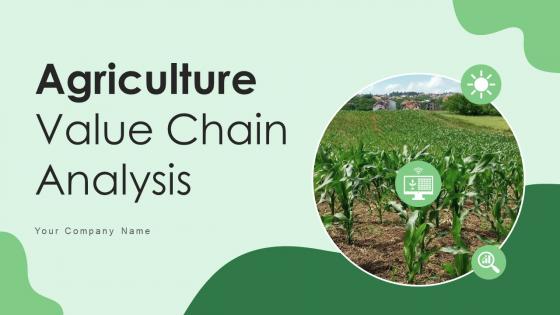
Agriculture Value Chain, a strategic exploration of the Agribusiness chain, Agro value chain, Agriculture supply chain model, and Agro model. This dynamic presentation delves into the intricate web of processes, from farm to consumer, elucidating key components of production, distribution, and marketing within the agri value chain. Explore strategic insights into optimizing Agro models, enhancing efficiency, and leveraging technology for sustainable practices. With visually engaging slides and insightful content, this PPT is an invaluable resource for professionals, educators, and enthusiasts seeking a holistic understanding of the intricate dynamics shaping the contemporary Agriculture Value Chain.
People who downloaded this PowerPoint presentation also viewed the following :
Agriculture Value Chain Powerpoint Ppt Template Bundles with all 19 slides:
Use our Agriculture Value Chain Powerpoint Ppt Template Bundles to effectively help you save your valuable time. They are readymade to fit into any presentation structure.










FAQs for Agriculture Value Chain Powerpoint
So basically you're looking at everything from farm to fork, right? Input supply comes first - farmers need seeds, fertilizer, equipment, all that stuff. Then there's actual production and harvesting. After that, processing kicks in (like turning wheat into flour). Distribution moves everything through wholesalers. Finally hits retail where we buy it. Honestly, the finance and logistics side is huge too but people forget about it. Each step depends on the others, so if you map it all out you can spot where things get stuck or could work better.
Dude, start with just one digital tool and build from there. IoT sensors give you real-time crop data, while AI can predict yields and market demand. Mobile apps are clutch for checking prices on the spot. Automated sorting cuts down on waste after harvest, and blockchain helps track everything through your supply chain - though honestly that drone footage just makes farming look way more high-tech than it feels day-to-day! The real win? You'll spot problems faster with better visibility. Don't overthink it, pick something simple first.
Smallholders grow most of the world's food, especially in poorer countries. They're stuck doing everything - planting, harvesting, basic processing - but get screwed on prices because they can't negotiate with big buyers. Scaling up solo? Nearly impossible. The crazy part is these farmers are actually crucial for food security, but nobody treats them that way. When they get better market access and tech support, the whole system works better. Oh, and if you're doing ag work, try connecting them straight to processors. Cuts out those greedy middlemen who take way too much profit.
Honestly, sustainable farming is kind of a game-changer for your whole operation. Better soil health means higher yields, and you'll cut costs by using fewer pesticides. Consumers are willing to pay more for eco-friendly stuff too - that's where the real money is. Your supply chain gets more resilient, which is huge during unpredictable seasons. Takes a few years to see the full impact though, so don't expect miracles overnight. The thing is, it's not just about being green anymore - it's actually smart business that boosts your margins and sets you apart from competitors.
Honestly, weather's your biggest enemy - one bad drought totally screws your whole plan. Quality's all over the place too since you're dealing with small farms that don't have consistent processes. Rural transport is garbage, which jacks up costs and delays everything. Then there's the seasonal stuff and crazy price swings that make planning impossible. Oh, and finding reliable suppliers is tough when they're scattered everywhere. My advice? Get suppliers in different regions so you're not putting all your eggs in one basket. Spreads the risk way better.
Honestly, data analytics is a game changer for farming decisions. Collect info from everywhere - yields, weather, market prices, equipment performance. Then use analytics tools to spot patterns you'd never see otherwise. My neighbor started doing this and now he can actually predict when his tractors might break down (saves him tons in downtime). You'll forecast crop yields better, time your planting right, and figure out the most efficient distribution routes. Plus tracking market demand helps you avoid those brutal price drops. Start small though - just pick a few data points and build from there.
Dude, post-harvest stuff can make or break you financially. I've seen too many farmers grow amazing crops then lose like 30% of their money on storage screwups - it's painful to watch. Don't treat it as an afterthought either. Proper drying is huge. Temperature control matters way more than people think. And timing when you actually sell? That's where you can really maximize what you're making. Honestly, those three basics - drying, storage conditions, and market timing - will save you from watching your profits literally rot away. You'll kick yourself if you nail the growing part but fumble the finish line.
Dude, it's crazy how global stuff hits your local business. Commodity prices spike somewhere? Your input costs jump. That whole organic/plant-based trend starts with consumers but trickles down to farmers who have to switch up production. Currency changes can kill your export game overnight - honestly didn't realize how brutal that was until my cousin started shipping soybeans overseas. Climate disasters on the other side of the world mess with your supply chains too. I'd watch those key indicators for your crops and maybe spread out your market channels so you're not totally screwed when things go sideways.
Oh man, agriculture is honestly brutal for the environment. Every single step creates problems - soil gets trashed, pesticides leak into water, deforestation happens for more farmland. Then there's shipping food across the globe (talk about carbon footprint), plus processing plants that chug energy like crazy. Don't even get me started on food waste rotting in dumps. It's kind of depressing when you think about it all at once. But you can actually help by sourcing locally when you can, cutting waste, and supporting sustainable suppliers. Small changes add up, you know?
Honestly, when everyone in the supply chain actually talks to each other, it fixes so many headaches. Your farmers share harvest dates, processors plan around that, retailers loop everyone in on promotions - suddenly you've got way less waste and better timing on everything. Problems get solved faster too since nobody's working blind. Like, imagine your processor knowing both the farm schedule AND retail plans - they can nail their production timing perfectly. I'd pick 2-3 main partners first and just start with regular calls to swap insights. Way easier than trying to coordinate with everyone at once.
Honestly, the waste is insane - like 30-40% gets lost in some places. Three things that actually work: better storage and cold chain stuff, smarter demand forecasting, and connecting farmers directly with buyers. Storage facilities right at the farm level are huge, plus refrigerated transport. Digital platforms help cut out middlemen who just slow everything down. Oh and training farmers on when/how to harvest properly makes a real difference too. I'd start by figuring out where you're losing the most product first, then tackle those spots.
So basically, whatever consumers want trickles backward through the whole food system. Like when everyone went crazy for gluten-free stuff a few years back? Mills started changing wheat varieties, processors had to reformulate everything, farmers switched what they planted. Takes maybe 2-3 seasons but it happens. Same thing's happening now with plant proteins and organic everything. The demand signal just works its way back up the chain like dominoes falling in reverse. If you want to get ahead of it, track consumer trend data - that's your early warning system before the changes hit your operation.
Banks are the obvious choice, but ag lenders actually understand your seasonal stuff way better. Equipment loans are pretty sweet deals since your tractor becomes the collateral. USDA programs have crazy good rates if you qualify. There's also this whole wave of impact investors getting into food chain stuff - might be worth a shot. Crowdfunding's gotten pretty popular too, honestly didn't think it would work for farming but here we are. Oh and cooperatives are doing more financing now. I'd map out what you need and when, then just mix and match whatever works best for your situation.
Tax credits for R&D are your best starting point - they work. Grants for farm tech startups help too, but honestly the biggest thing is just cutting through all the regulatory BS that kills innovation before it starts. Set up some innovation hubs where farmers can actually meet the tech people (they don't talk to each other enough). Public-private partnerships spread the financial risk around. Subsidies for early adopters who'll test new stuff are huge. You want to make experimenting cheap and failure less painful. Figure out what your biggest ag problems are first, then build incentives around those specific issues. Precision agriculture and alt proteins are where I'd focus.
Certifications are like quality checkpoints for your whole supply chain. GAP, organic, Fair Trade - they make producers hit specific standards from farm to shelf. Third-party auditors actually verify everything, so there's real accountability there. Your soil management, pesticide use, storage - all of it gets better. Honestly, some certifications are way more demanding than others, but that's not necessarily bad. You'll get more consistent quality, fewer contamination headaches, and usually better pricing. Oh, and less recall drama, which is huge. Figure out what matters to your customers first though.
-
Their products can save your time, effort and money. What else you need. All in one package for presentation needs!
-
Love how there are no boring templates here! The design is fresh and creative, just the way I like it. Can't wait to edit and use them for my extended projects!