


Organic Farming Powerpoint Ppt Template Bundles




Try Before you Buy Download Free Sample Product
 Impress Your
 Audience
 100%
100% Editable
 Save Hours
 of Time


Our Organic Farming Powerpoint Ppt Template Bundles are topically designed to provide an attractive backdrop to any subject. Use them to look like a presentation pro.
People who downloaded this PowerPoint presentation also viewed the following :
Organic Farming Powerpoint Ppt Template Bundles with all 17 slides:
Use our Organic Farming Powerpoint Ppt Template Bundles to effectively help you save your valuable time. They are readymade to fit into any presentation structure.






FAQs for Organic Farming Powerpoint
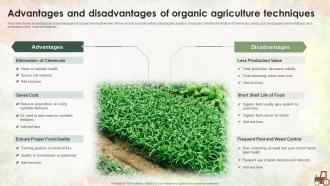
Honestly, going organic is pretty sweet for your soil - it actually gets richer instead of totally depleted over time. No nasty synthetic stuff contaminating your crops or water either. You'll get way more beneficial bugs and birds hanging around, which basically becomes your free pest control system. The downside? Lower yields at first and it costs more upfront. But you're building something that'll last, you know? Oh, and the biodiversity boost is incredible - I visited my buddy's organic farm last month and couldn't believe how alive everything looked. If you're thinking about it, maybe just try one field first to see how it goes on your land.
Dude, organic farming is actually amazing for soil and biodiversity. No synthetic chemicals means all the good bacteria and microorganisms in dirt can thrive. Compost and crop rotation feed the whole ecosystem instead of killing it. There's literally 30% more species on organic farms - more bugs, birds, everything. The soil gets way healthier too. My neighbor switched part of his farm last year and you can totally see the difference. If you're considering it, maybe just try one section first? It's pretty cool to watch nature bounce back like that.
Dude, organic farming is brutal honestly. Production costs are insane and yields suck compared to conventional. Pest management becomes this whole thing - you can't just spray when bugs show up, so farmers are constantly fighting weeds and pests with expensive methods that take forever. Getting certified takes years and costs a ton upfront. Then you still need distribution partners willing to pay those premium prices, which isn't guaranteed. Climate's getting weirder too, and organic farms get hit harder since they don't have as many quick fixes. If you're seriously considering this, nail down supply chain relationships first - that's make or break.
So organic farming is actually pretty solid for climate stuff. The soil holds way more carbon - like, it becomes this natural carbon sponge through crop rotation and composting. No synthetic fertilizers also means less nitrous oxide getting pumped into the air (which is honestly worse than CO2). Biodiversity gets a boost too. I mean, I know organic costs more, but if you're trying to vote with your wallet on climate issues, it's one of those purchases that actually moves the needle. Way more impact than people realize.
So you'll need USDA certification to call stuff organic - it's a 3-year process where you can't use synthetic pesticides or fertilizers on your land. The application is pretty detailed about your farming methods, plus you're looking at $500-10k in fees depending on how big your operation is. Annual inspections are required too. Honestly the paperwork is a pain but those premium prices make it worthwhile. Oh, and small farms under $5k in sales can skip the certification but still have to follow organic rules. I'd start looking up certified agencies near you and definitely budget for inspection costs early on.
So instead of blasting everything with chemicals, organic farming works with nature's existing setup. You attract the good bugs - ladybugs, parasitic wasps - and they handle pest control for you. Honestly it's pretty satisfying watching them go to work. Crop rotation messes with pest life cycles, companion planting confuses bugs, and you can use stuff like neem oil when things get dicey. The soil gets stronger over time too, which makes plants tougher naturally. I'd start by figuring out what beneficial insects you've already got around and plant flowers they actually want.
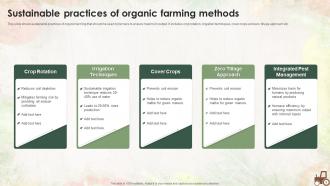
So basically crop rotation breaks up disease cycles and keeps your soil happy. Legumes like beans actually put nitrogen back into the dirt - then corn or whatever heavy feeder you plant next gets to use it. Pretty cool system honestly. Different root depths mean you're pulling nutrients from various soil layers too. Oh and pests hate it since most bugs are picky about their host plants. I'd plan like 3-4 seasons out if you can manage it. My neighbor swears by this approach and his garden always looks amazing compared to mine lol.
Hey! So cover crops are plants you grow just to help your soil, not to actually harvest anything. They're amazing - legumes like clover pump nitrogen into the ground, while grasses like rye add tons of organic matter when you till them back in. You plant them between your main crops or during off-seasons. They'll also stop weeds and prevent erosion, which is honestly a huge win. I'd say start by figuring out what your soil needs most, then pick your cover crop from there. My neighbor swears by crimson clover but really depends on your situation.
Honestly, it all comes down to what people *think* about organic food. Your customers will pay extra if they believe it's healthier or better for the environment. Doesn't always matter if there's real nutritional differences - perception is everything. Like, if someone's convinced that regular farming uses sketchy chemicals, they're buying organic every time. Marketing and random news articles can totally flip these opinions too. Oh, and taste plays into it way more than you'd expect. Bottom line: figure out what your specific customers actually believe about organic vs. conventional, because that's what drives their wallets.
Honestly, the biggest thing is you can charge way more - like 20-30% premium once you get certified. The transition sucks though, takes about 3 years before you can actually slap that organic label on anything. But after that? Way better profit margins and you're in those fancy markets. Your input costs drop too since you're not buying all those synthetic fertilizers anymore. Consumer demand keeps growing so you're kinda getting in while it's hot. I'd definitely look into what certification runs in your area first - and maybe check what organic stuff is selling for locally before you commit to anything.
Dude, the tech stuff for organic farming is getting pretty wild. GPS tractors and soil sensors let you nail the perfect planting spots while keeping everything natural. Drones are clutch for catching pests early - then you can hit them with biological controls before things get crazy. Weather apps have gotten scary accurate too, helps you time treatments way better. Oh and precision agriculture sounds fancy but it's basically just being smarter about where you plant stuff. The whole point is boosting what nature already does instead of fighting it. I'd pick one tool that fixes your worst headache and go from there.
Dude, you gotta start with the basics - crop rotation and cover crops will do half the work for you. Mulch everything heavily (I'm obsessed with mulch honestly, it's like magic). Hand-pulling works when they're small, and flame weeding is pretty satisfying for bigger patches if you don't burn your garden down. The key is getting them before they go to seed - once that happens you're screwed for next year. Oh, and healthy soil makes your plants thick enough to crowd out most weeds naturally. Plan this stuff out before spring hits you.
Yeah, organic farming is super location-dependent. Climate totally dictates your approach - like tropical farmers are constantly battling fungal issues from all that humidity, while desert growers obsess over water conservation. Up north, cover crops are huge for extending seasons. Pest control? Completely different game everywhere. What kills aphids in Cali is useless against East African locusts, you know? The basic principles don't change, but your daily tactics have to match what you're dealing with. Honestly, I'd just find your local organic farming group - they'll know what actually works in your area way better than any general advice.
So organic farming basically helps with food security and boosts local economies at the same time. These farms don't need synthetic chemicals, which makes them tougher against weird weather patterns we've been having. They hire more workers per acre too. Money stays local instead of going to massive corporations - that's honestly one of the best parts. Soil gets healthier over time, so you'll see more consistent harvests down the road. Oh, and if you're thinking policy stuff, definitely push for better regional distribution networks. That's where things usually fall apart.
Yeah, organic farming does tend to use less water overall. The real magic happens with how they treat the soil though - all that composting and cover cropping makes it hold water way better instead of just letting it run off. No synthetic fertilizers also means they're not poisoning groundwater, which is pretty awesome if you ask me. The catch is that organic yields can be lower, so you might need more water per tomato or whatever. But honestly, if the farm focuses on drought-resistant crops and decent irrigation, it's still gonna be more water-efficient than conventional methods.
-
The way SlideTeam professionals work is exceptional. Thanks for being so helpful!
-
Unique design & color.