

Slides de apresentação em Powerpoint do plano de negócios da Amazon





Try Before you Buy Download Free Sample Product
 Impress Your
Audience
 100%
Editable
 Save Hours
of Time


Pegue nossa apresentação de plano de negócios da Amazon habilmente elaborada, projetada para ajudar os empreendedores a ter sucesso no competitivo mercado de comércio eletrônico, fornecendo um esboço abrangente de sua estratégia de negócios on-line. Nosso Plano Corporativo da Amazon inclui um resumo executivo, uma análise de mercado e uma análise dos fatores vitais de sucesso. Além disso, destaca a missão, a visão e o resumo financeiro da empresa. Além disso, nosso Amazon Business Model PPT exibe uma análise de crescimento potencial e abrange uma análise SWOT com o modelo de análise de cinco forças de Porter, análise de clientes e dimensionamento de mercado. O plano também descreve uma estratégia de marketing v offline e online e um funil de vendas para retenção de clientes. O resumo financeiro inclui uma análise de cenário, demonstração de lucros e perdas, demonstração de fluxo de caixa, balanço e um modelo de avaliação DCF para o negócio após cinco anos. Ao implementar as estratégias descritas neste plano, você pode aumentar suas vendas, melhorar a retenção de clientes e, finalmente, alcançar um sucesso substancial no mercado altamente competitivo. Acesse o PPT agora para levar seu negócio de comércio eletrônico para o próximo nível.
People who downloaded this PowerPoint presentation also viewed the following :
Conteúdo desta apresentação em Powerpoint
Slide 1 : Este slide apresenta o plano de negócios da Amazon. Comece informando o nome da sua empresa.
Slide 2 : Este slide descreve a Agenda da apresentação.
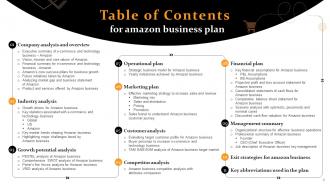
Slide 3 : Este slide inclui o sumário.
Slide 4 : Este slide destaca o título dos tópicos a serem abordados posteriormente.
Slide 5 : Este slide apresenta o Sumário Executivo de e-commerce e negócios de tecnologia – Amazon.
Slide 6 : Este slide cobre os detalhes relacionados à visão, missão e valores centrais da Amazon.
Slide 7 : Este slide fornece os detalhes relacionados ao desempenho financeiro da Amazon com base no crescimento de receita e lucratividade.
Slide 8 : Este slide descreve os principais pilares de sucesso da Amazon, definindo seu crescimento e lucratividade.
Slide 9 : Este slide inclui detalhes relacionados às iniciativas futuras da Amazon e seu foco na expansão dos negócios existentes e no investimento em novas tecnologias.
Slide 10 : Este slide aborda o problema associado ao comércio eletrônico e à indústria de tecnologia.
Slide 11 : O objetivo deste slide é fornecer informações relacionadas à ampla gama de produtos e serviços oferecidos pelo negócio da Amazon.
Slide 12 : Este slide inclui o título do conteúdo a ser discutido a seguir.
Slide 13 : Este slide destaca as principais estatísticas associadas ao comércio eletrônico e negócios de tecnologia - Global.
Slide 14 : Este slide continua as principais estatísticas associadas ao comércio eletrônico e negócios de tecnologia – Global.
Slide 15 : Este slide apresenta as principais estatísticas associadas ao comércio eletrônico e negócios de tecnologia - EUA.
Slide 16 : Este slide apresenta as principais estatísticas associadas ao comércio eletrônico e negócios de tecnologia - Amazon.
Slide 17 : Este slide retrata as principais tendências de mercado que moldam os negócios da Amazon.
Slide 18 : Este slide trata de destacar os principais desafios enfrentados pelos negócios da Amazon.
Slide 19 : Este slide contém o título das ideias a serem discutidas posteriormente.
Slide 20 : Este slide revela a análise PESTEL dos negócios da Amazon.
Slide 21 : Este slide mostra a análise SWOT abrangente dos negócios da Amazon.
Slide 22 : O slide destaca o modelo das cinco forças de Porter e suas implicações no comércio eletrônico e na indústria de tecnologia dos EUA.
Slide 23 : Este slide retrata a análise VRIO dos negócios da Amazon.
Slide 24 : Este slide inclui o título das ideias a serem abordadas a seguir.
Slide 25 : Este slide exibe a análise do concorrente de negócios da Amazon com comparação de atributos.
Slide 26 : Este slide continua a análise do concorrente de negócios da Amazon com comparação de atributos.
Slide 27 : Este slide mostra o título dos tópicos a serem discutidos no próximo modelo.
Slide 28 : Este slide cobre uma avaliação de como os produtos da empresa se encaixarão em um determinado mercado e onde eles adquirirão mais tração com os clientes.
Slide 29 : Este slide fornece uma visão geral de como entender melhor o público-alvo.
Slide 30 : Este slide descreve a análise TAM SAM SOM do mercado-alvo de negócios da Amazon.
Slide 31 : Este slide indica o Título para o Conteúdo a ser abordado mais adiante.
Slide 32 : Este slide retrata a estratégia de marketing eficaz para aumentar as vendas e a receita – mix de marketing.
Slide 33 : Este slide mostra a estratégia de marketing eficaz para aumentar as vendas e a receita – Vendas e Distribuição.
Slide 34 : Este slide exibe a estratégia de marketing eficaz para aumentar as vendas e a receita - Preços.
Slide 35 : O objetivo deste slide é implementar uma estratégia eficaz de entrada no mercado para levar os produtos ou serviços da empresa a um cliente final.
Slide 36 : Este slide dá continuidade à estratégia de marketing eficaz para aumentar as vendas e a receita – Promoção.
Slide 37 : Este slide revela o funil de vendas para entender a jornada do cliente comercial da Amazon.
Slide 38 : Este slide destaca o título do conteúdo a ser discutido a seguir.
Slide 39 : Este slide apresenta o modelo de negócios estratégico para os negócios da Amazon.
Slide 40 : O slide cobre objetivos específicos ou metas alcançadas por uma organização em diferentes anos.
Slide 41 : Este slide retrata o título dos tópicos a serem abordados no próximo modelo.
Slide 42 : Este slide descreve as importantes suposições financeiras que devem ser feitas ao definir os negócios da Amazon.
Slide 43 : Este slide apresenta as principais premissas financeiras para o Amazon Business – BS Premissas.
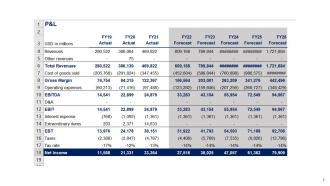
Slide 44 : Este slide representa a demonstração da conta de lucros e perdas projetada para os negócios da Amazon.
Slide 45 : Este slide continua a demonstração da conta de lucros e perdas projetada para os negócios da Amazon.
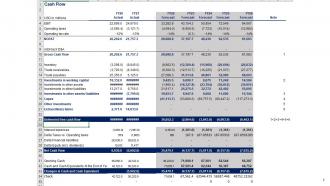
Slide 46 : Este slide exibe as demonstrações consolidadas dos fluxos de caixa para os negócios da Amazon.
Slide 47 : Este slide dá continuidade às demonstrações consolidadas dos fluxos de caixa dos negócios da Amazon.
Slide 48 : Este slide cobre a demonstração do balanço patrimonial comparativo para os negócios da Amazon.
Slide 49 : Este slide retrata a análise de Cenário com casos otimistas, pessimistas e nominais.
Slide 50 : Este slide continua a análise de Cenário com casos otimistas, pessimistas e nominais.
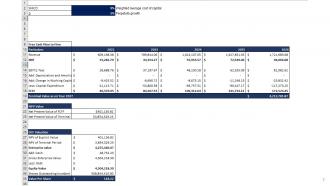
Slide 51 : Este slide mostra a avaliação do fluxo de caixa descontado para os negócios da Amazon.
Slide 52 : Este slide contém o Título dos Tópicos a serem discutidos a seguir.
Slide 53 : O slide destaca a hierarquia organizacional na empresa usada para definir a estrutura de pessoal.
Slide 54 : Este slide apresenta as maiores realizações profissionais e as habilidades mais valiosas do fundador.
Slide 55 : Este slide mostra as maiores realizações profissionais e as habilidades mais valiosas do CEO (Chief Executive Officer).
Slide 56 : Este slide descreve a descrição do trabalho de gerenciamento de chaves de negócios da Amazon.
Slide 57 : Este slide continua a descrição do trabalho de gerenciamento de chaves de negócios da Amazon.
Slide 58 : Este slide revela o título do conteúdo a ser coberto mais adiante.
Slide 59 : Este slide representa estratégias de saída, como vendas, IPOs, fusões e aquisições.
Slide 60 : Este slide exibe o Título das Ideias a serem discutidas no próximo modelo.
Slide 61 : Este slide apresenta as abreviações de chave usadas no plano.
Slide 62 : Este é o slide dos Ícones contendo todos os Ícones usados no plano.
Slide 63 : Este slide é usado para representar algumas informações adicionais.
Slide 64 : Este é o slide do plano de 30,60,90 dias para um planejamento eficaz.
Slide 65 : Este slide destaca as informações relacionadas à empresa.
Slide 66 : Este é o slide Conheça nossa equipe.
Slide 67 : Este slide contém as notas de Posts it para lembretes e prazos.
Slide 68 : Este slide elucida o Roteiro relacionado à organização.
Slide 69 : Este slide mostra a linha do tempo da empresa.
Slide 70 : Este é o slide Citações para motivação.
Slide 71 : Este é o slide de agradecimento pelo reconhecimento.
Amazon Business Plan Powerpoint Slides com todos os 76 slides:
Use nossos slides de apresentação do Powerpoint do plano de negócios da Amazon para ajudá-lo a economizar seu valioso tempo. Eles estão prontos para caber em qualquer estrutura de apresentação.








































































FAQs for Amazon Business Plan
Dude, you gotta nail the market research first - figure out your niche and scope out competitors. Product sourcing is huge too, plus pricing that covers all those annoying Amazon fees (seriously, they add up fast). Don't skip inventory planning and marketing for visibility. Financial projections are clutch because margins get tight real quick. Also map out brand protection and customer service stuff. Honestly? Start small with just one product category. Test it out, see what works, then expand once you've got the hang of it. Way less overwhelming that way.
Look, market research is what separates successful Amazon sellers from people who just burn through cash. Without it, you're basically guessing at everything - pricing, competition, what people actually want to buy. Pretty risky move if you ask me. Tools like Jungle Scout or Helium 10 will show you real demand numbers and how saturated different niches are. You'll spot seasonal patterns, find keywords that convert, and figure out pricing that actually works. Honestly beats the hell out of launching something random and hoping for the best. Do this homework first before you pick any product.
Look, you gotta spy on your competition or you'll get destroyed. Check what they're charging, which keywords they use, how they write their listings - basically everything. I know it sounds creepy but it works. Track your top 5-10 competitors every week and see what moves they make. This stuff helps you find pricing sweet spots and gaps in the market nobody's filling yet. Without doing this research, you're basically gambling with your money. Trust me, I learned this the hard way when I first started selling.
Start with Helium 10 or Jungle Scout to see what keywords people actually search for - that data's everything. Then dig into your competitors' listings and find the gaps. The reviews section is honestly where the magic happens though. Read what customers complain about and how they describe problems. Use their exact words in your listings, not some corporate speak. Set up PPC campaigns targeting those high-intent searches, and Amazon's advertising console has decent audience insights if you poke around. Pick one customer type first - trying to target everyone usually backfires.
Dude, be super conservative with your Amazon forecasts - that platform is wild. Don't just burn cash on random keywords, figure out what ads actually convert. Seasonal stuff will mess with your numbers big time, plus Amazon loves changing their fees randomly (ugh). Rolling 13-week forecasts work way better than trying to predict a whole year. Amazon moves too fast for that. Oh and if you're new, account for the fact that you'll probably screw some things up at first - we all do. Track your weekly actuals religiously so you can pivot when things go sideways. Buffer time for inventory delays too.
Dude, inventory is everything - don't treat it like some side thing. Stock out and your rankings tank hard. But don't go crazy buying too much either (learned that with $10K of fidget spinners just sitting there lol). Amazon's forecasting tools help but they're not gospel, you know? Track your velocity like crazy and set up those auto-reorder points. Always add buffer time for delays because stuff happens. Oh and with new products? Start small. Scale up once you see real sales, not what you hope will happen. Cash tied up in dead inventory is the worst feeling ever.
Honestly, start with your product photos - they're everything on Amazon. Bad pics = no sales, period. Then work on getting those first few reviews, which takes forever but you need them. Keywords in your listings matter too, just don't stuff them awkwardly. Once you've got maybe 10-15 reviews, try some Sponsored Product ads. Don't go crazy with the budget though - I learned that the hard way lol. Test small amounts first, see what actually works for your stuff specifically. The algorithm's weird and takes time to figure you out, so be patient while you're tweaking things based on real data.
Honestly, start with Amazon's seller tools - the data you'll get on customer behavior and competitor pricing is insane. Their ad platform is perfect for testing what actually works before you scale up. I'd definitely use FBA so you're not dealing with shipping headaches (trust me on this one). Brand registry is a must too - protects your listings and gives you way better content options. The Seller Central dashboard might look overwhelming at first, but those performance metrics will literally show you where to adjust your strategy. Oh and seasonal trends - that data alone is worth diving in.
Honestly, supply chain issues are probably your biggest headache - stuff just stops showing up sometimes. Competition's brutal too, and don't even get me started on Amazon randomly changing their algorithm and tanking your listings. You'll have cash tied up in inventory that might just sit there for months. The worst part? Amazon controls everything with your customers, so you're basically at their mercy. Their fees keep going up too, which sucks. Oh, and definitely stash away like 3-6 months of expenses because things get weird fast. Multiple income streams are clutch from the start.
Honestly, branding is everything on Amazon. You'll stand out from all the generic crap flooding the marketplace. Customers actually search for YOUR stuff specifically instead of just grabbing whatever's cheapest - which means better margins. Amazon's algorithm loves branded sellers too. You get A+ content, brand stores, sponsored ads that regular sellers can't touch. I know this one guy who literally tripled his profits just from better packaging and a solid brand name (kinda crazy but true). Start simple - consistent logo and packaging across your listings. Then you can build out from there. Worth the investment for sure.
Honestly, there's like 5 main things I'd watch if I were you. Your conversion rate and ad click-through rates are huge - they tell you if people actually want your stuff. Check your organic keyword rankings too. Profit margins are critical because Amazon's fees will eat you alive if you're not careful. Also track how fast inventory moves and keep an eye on reviews/return rates. I pull these numbers every week now - way easier to catch issues early. Oh and inventory turnover rate matters more than people think.
Dude, Amazon policy changes will mess up your plans so fast. Last year they switched up seller fees with barely any heads up - totally caught me off guard. Fee changes, new FBA rules, advertising tweaks... all of it hits your profit margins hard. I always build in some extra cushion now when I'm projecting costs. Check Seller Central regularly (I know, it's boring) and set up those notification alerts. Honestly, reviewing your whole setup every few months isn't overkill anymore. Having a backup plan ready has saved me more times than I can count.
Honestly, customer feedback is like a mirror for your Amazon business - shows you what's really happening vs what you think is happening. Reviews and DMs are pure gold (I swear, read them all even when they sting). You'll spot issues with product quality, pricing problems, shipping delays before they wreck your metrics. Common complaints usually follow patterns. Track those monthly and tweak your business plan every quarter based on what you're seeing. It's wild how one bad review can point you toward a product improvement that doubles your sales.
Honestly, start by figuring out what actually makes your product better than everyone else's. Could be quality, features, whatever - just make it real. Get some solid photos up and use keywords people are actually searching for (not what you think sounds cool). Reviews are huge, so follow up with customers and make sure they're happy. PPC ads help too if you're just starting out. Oh, and don't sleep on your brand story - people buy from companies they connect with. I'd probably audit your biggest competitors first though. See what gaps they're missing that you can jump on.
So for your operational plan, map out the boring stuff first - sourcing, inventory, fulfillment, customer service. You'll want workflows for daily tasks written down somewhere (seriously, future you will love having this when orders start flooding in). Don't skip the unsexy parts like returns and quality checks. Document what you're doing now, then spot where things might get messy later. Oh, and definitely think through how you'll handle growth - like, what happens when you're doing 10x the volume? The logistics piece is honestly where most people mess up.
-
You guys are life-saver when it comes to presentations. Honestly I cannot do much without your services. Thank you!!!
-
Wow! The design and quality of templates on SlideTeam are simply the best.