

Amazon Unternehmensprofil Powerpoint-Präsentationsfolien





Try Before you Buy Download Free Sample Product
 Impress Your
Audience
 100%
Editable
 Save Hours
of Time


Amazon begann als Online-Buchhandlung, ist aber zu einem Giganten im E-Commerce, Cloud Computing AWS und Streaming geworden und hat den Spitznamen "The Everything Store" erhalten. Unser sorgfältig erstellte PowerPoint-Präsentation mit dem Titel "Amazon Company Profile" bietet Details zum Firmenprofil, einschließlich des rechtlichen Namens, des Hauptsitzes, des Gründungsjahres, der Gründer, des Börsenkürzel und der Produkt- und Dienstleistungsangebote. Sie umreißt auch Details zu den Geschäftsaktivitäten wie Mission und Kernwerte, Fakten und Statistiken, einzigartige Verkaufsargumente und Geschäftsmodell. Darüber hinaus zeigt die Technologie-Präsentation die globale Präsenz, Geschichte, Auszeichnungen und Errungenschaften, Mitarbeiterzahl und Vielfalt der Belegschaft. Darüber hinaus zeigt die Präsentation zur Cloud-Computinganbieter die Wettbewerbslandschaft des Unternehmens und enthält jährliche Vergleiche der monatlich aktiven Kunden, Buchungen und Bruttobuchungen. Schließlich präsentiert unser Modul zum digitalen Streaming Unternehmenszusammenschlüsse, SWOT-Analysen, Organisationsstruktur, zukünftige Strategie und Ziele, Pläne für zukünftige Expansion sowie CSR-Ziele und -Initiativen.
People who downloaded this PowerPoint presentation also viewed the following :
Inhalt dieser Powerpoint-Präsentation
Folie 1: Diese Folie führt das Amazon-Unternehmensprofil ein. Nennen Sie Ihren Firmennamen und beginnen Sie.
Folie 2: Diese Folie zeigt ein Inhaltsverzeichnis für die Präsentation.
Folie 3: Diese Folie setzt die vorherige Folie fort.
Folie 4: Die Folie zeigt eine Zusammenfassung, um kurze Einblicke in das Unternehmen zu geben.
Folie 5: Diese Folie zeigt die Unternehmensvorstellung, die das Gründungsjahr, die Website, die Kontaktnummer, die E-Mail, den Gründer, den Hauptsitz und die Mitarbeiterzahl enthält.
Folie 6: Diese Folie hebt die Mission, die Vision und die Kernwerte von Amazon hervor.
Folie 7: Diese Folie präsentiert die jüngsten Auszeichnungen und Anerkennungen, die das Unternehmen für seine Arbeit für Kunden, Mitarbeiter und die Gemeinschaft weltweit erhalten hat.
Folie 8: Diese Folie stellt die Reise von Amazon von 1994 bis 2022 dar und zeigt Informationen über die Gründung des Unternehmens, den Börsengang, Expansionen, Akquisitionen, Produkteinführungen, den Markteintritt usw.
Folie 9: Diese Folie umreißt die Reise von Amazon von 1994 bis 2022.
Folie 10: Diese Folie beschreibt die internationale Präsenz von Amazon mit Büros auf allen Kontinenten.
Folie 11: Diese Folie zeigt verschiedene Marken, mit denen Amazon langfristige strategische Partnerschaften eingegangen ist.
Folie 12: Diese Folie konzentriert sich auf die wichtigsten Kunden unseres Unternehmens nach Branchen.
Folie 13: Diese Folie setzt die vorherige Folie fort.
Folie 14: Diese Folie nennt die Schlüsselmitglieder des Managementteams mit ihren Funktionsrollen.
Folie 15: Diese Folie enthält die Organisationsstruktur von Amazon.
Folie 16: Diese Folie hebt die Eigentümerstruktur von Amazon hervor.
Folie 17: Diese Folie stellt die Produktkategorien der verschiedenen Marken dar, die das Unternehmen anbietet.
Folie 18: Diese Folie zeigt Statistiken von Amazon, die Details darüber enthalten, wie das Unternehmen den US-Marktanteil dominiert.
Folie 19: Die Folie umreißt die Diversität am Amazon-Arbeitsplatz für verschiedene Ebenen weltweit, in den USA und nach Rasse/Ethnizität.
Folie 20: Diese Folie hebt die Wettbewerbsanalyse von Amazon, Walmart, Alibaba, Flipkart und eBay basierend auf Kategorien hervor.
Folie 21: Diese Folie zeigt den Gewinn pro Aktie des Amazon-Unternehmens, der Investoren dabei hilft zu bestimmen, ob eine Investition in das Unternehmen maximale Gewinne erzielen wird oder nicht.
Folie 22: Diese Folie zeigt ein geeignetes Diagramm/eine geeignete Grafik.
Folie 23: Diese Folie umreißt einen Überblick über den Nettoumsatz von Amazon nach regionaler Verteilung.
Folie 24: Diese Folie enthält einen Überblick über den Nettoumsatz von Amazon nach verschiedenen Segmenten.
Folie 25: Diese Folie enthält einen Überblick über den Nettoumsatz und den operativen Gewinn oder Verlust des Nordamerika-Segments von Amazon.
Folie 26: Diese Folie markiert einen Überblick über den Nettoumsatz und den operativen Gewinn oder Verlust des internationalen Segments von Amazon.
Folie 27: Diese Folie zeigt einen Überblick über den Nettoumsatz und den operativen Gewinn oder Verlust des Amazon Web Services-Segments von Amazon.
Folie 28: Diese Folie projiziert die Performance des Amazon-Aktienkurses.
Folie 29: Diese Folie bezieht sich auf den Wertvorschlag von Amazon für Kunden und Verkäufer.
Folie 30: Diese Folie konzentriert sich auf Stärken, Schwächen, Chancen und Risiken, um die Wettbewerbsposition des Unternehmens zu bewerten.
Folie 31: Diese Folie konzentriert sich auf das Geschäftsmodell von Amazon.
Folie 32: Diese Folie erläutert bemerkenswerte Akquisitionen und Tochtergesellschaften von Amazon mit Jahr und Wert.
Folie 33: Diese Folie zeigt verschiedene Marken, die sich im Privatbesitz von Amazon befinden, mit den angebotenen Produkten.
Folie 34: Diese Folie nennt die zukünftigen Ziele von Amazon für die Expansion des Geschäfts zur Maximierung der Gewinnspannen.
Folie 35: Diese Folie stellt Kundenreferenzen nach der Nutzung der von Amazon angebotenen Produkte und Dienstleistungen dar.
Folie 36: Diese Folie zeigt die CSR-Ziele und -Initiativen von Amazon zur Förderung der Nachhaltigkeit und zur Reduzierung des CO2-Fußabdrucks des Unternehmens.
Folie 37: Diese Folie erwähnt die Fallstudie, die die von einem Kunden bewältigte Herausforderung darstellt.
Folie 38: Diese Folie hebt die verschiedenen Plattformen hervor, um Amazon zu folgen und Kontakt aufzunehmen.
Folie 39: Diese Folie zeigt alle in der Präsentation enthaltenen Symbole.
Folie 40: Diese Folie trägt den Titel Zusätzliche Folien für den weiteren Fortschritt.
Folie 41: Dies ist eine Folie zur Ideengenerierung, um eine neue Idee zu nennen oder Informationen, Spezifikationen usw. hervorzuheben.
Folie 42: Dies ist unsere Zielfolie. Nennen Sie hier Ihre Ziele.
Folie 43: Dies ist eine Zeitachsenfolie. Zeigen Sie hier zeitintervallbezogene Daten.
Folie 44: Diese Folie zeigt Post-it-Notizen. Posten Sie hier Ihre wichtigen Notizen.
Folie 45: Diese Folie zeigt ein Venn-Diagramm mit Textfeldern.
Folie 46: Dies ist eine Finanzfolie. Zeigen Sie hier Ihre finanzrelevanten Inhalte.
Folie 47: Dies ist eine Dankesfolie mit Adresse, Telefonnummern und E-Mail-Adresse.
Amazon Unternehmensprofil Powerpoint-Präsentationsfolien CP CD mit allen 56 Folien
Unsere Amazon-Firmenprofil-Präsentationsfolien CP CD können Ihnen dabei helfen, wertvolle Zeit zu sparen. Sie sind fertig erstellt und lassen sich in jede Präsentationsstruktur einfügen.
-

Amazon Company Profile
-
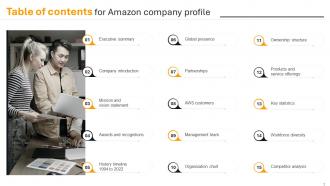
Table of contents for Amazon company profile
-
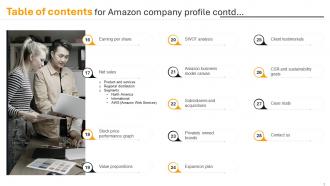
Table of contents for Amazon company profile contd
-
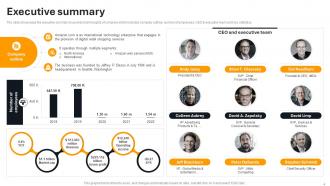
Executive summary
-
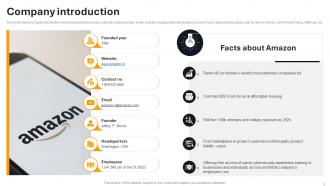
Company introduction
-
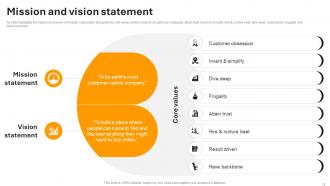
Mission and vision statement
-

Awards and recognitions
-
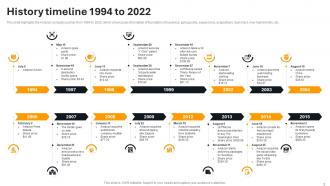
History timeline 1994 to 2022
-
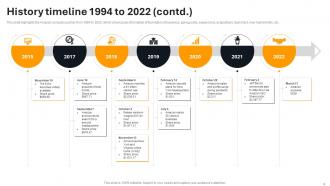
History timeline 1994 to 2022 contd
-

Global presence
-
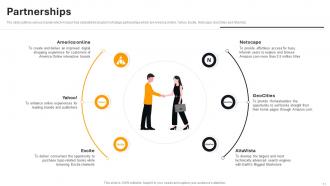
Partnerships
-
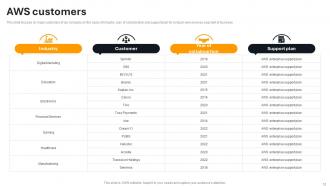
AWS customers
-
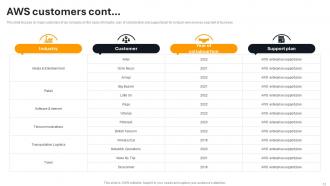
AWS customers cont
-
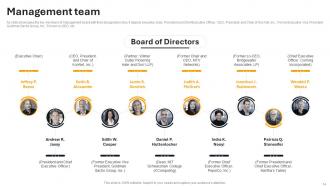
Management team
-
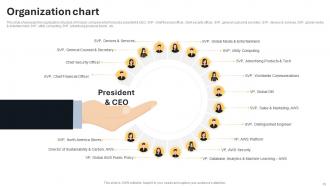
Organization chart
-
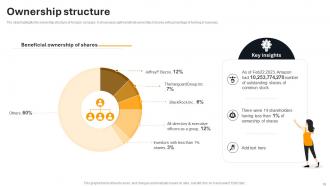
Ownership structure
-
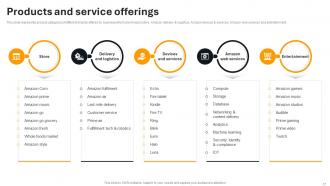
Products and service offerings
-
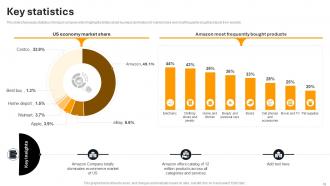
Key statistics
-
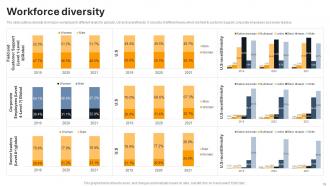
Workforce diversity
-
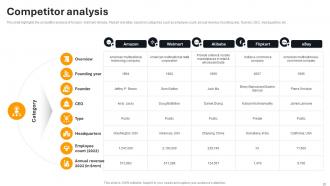
Competitor analysis
-
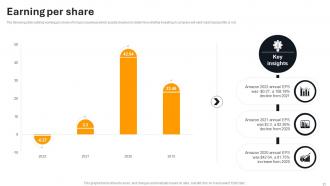
Earning per share
-
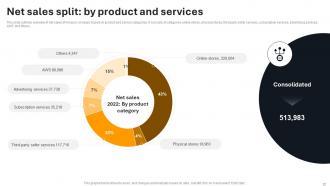
Net sales split by product and services
-

Net sales split by regional distribution
-
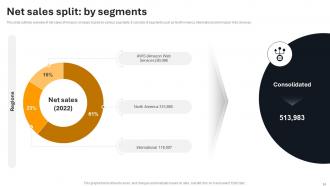
Net sales split by segments
-
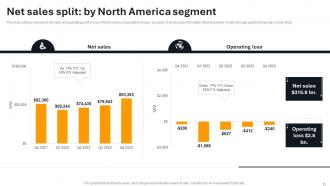
Net sales split by North America segment
-
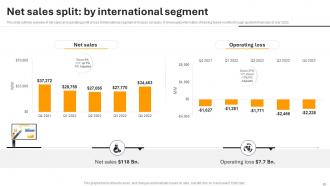
Net sales split by international segment
-
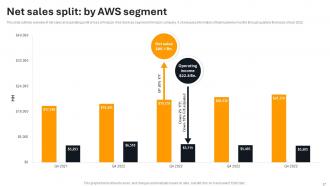
Net sales split by AWS segment
-

Stock price performance graph
-
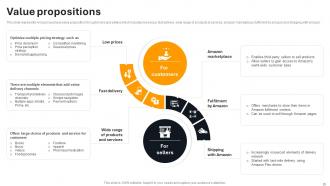
Value propositions
-
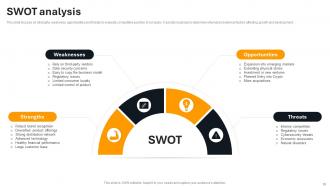
SWOT analysis
-
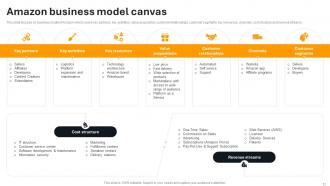
Amazon business model canvas
-
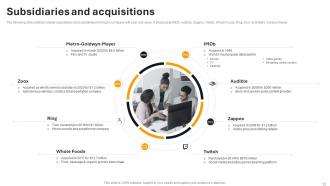
Subsidiaries and acquisitions
-
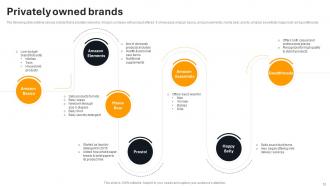
Privately owned brands
-
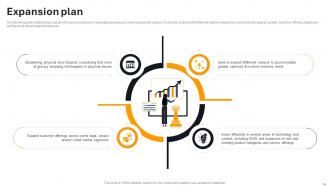
Expansion plan
-

Client testimonials
-
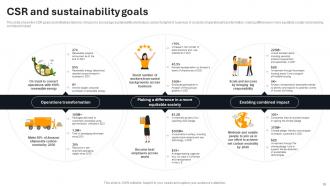
CSR and sustainability goals
-
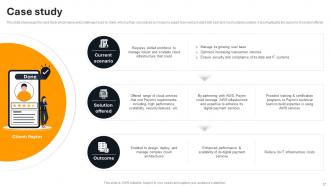
Case study
-

Contact us
-
Icons slide for Amazon company profile
-

Additional slides
-
Idea generation
-

Target
-

Timeline
-
Post it notes
-
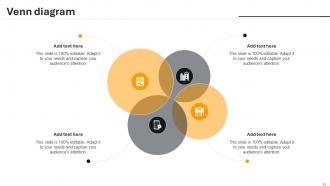
Venn diagram
-
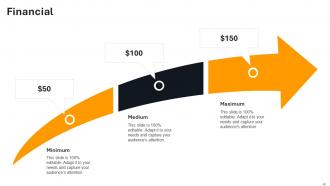
Financial
-

Thanks for watching
-

-

-

-

-

-

-

-

FAQs for Amazon Company Profile Powerpoint Presentation
So Amazon basically started in '94 when Bezos was selling books out of his garage - pretty wild origin story. They went public in '97, then started selling literally everything. Prime launched in 2005 (that was smart), followed by AWS in 2006 which honestly makes them way more money than the retail side. Kindle came out in '07, then Alexa in 2014. Bezos handed things over to Andy Jassy in 2021. The crazy thing is how they kept reinvesting everything instead of just taking profits - that's probably why they're so huge now.
Amazon's crazy when you think about it - started selling books in '94 and now they're everywhere. They expanded into general retail, then AWS cloud services became this massive money maker. Prime membership was genius too. Third-party sellers, ads, streaming, even bought Whole Foods at some point. What gets me is how they'll take profits from one thing and just dump it into something totally different. Their whole strategy is playing the long game instead of chasing quick profits. That patience is probably why they dominate so many markets now.
Dude, AWS is literally Amazon's money printer. Most people think Amazon's all about retail, but AWS generates like 70% of their actual profits. That's how they can sell stuff at basically no margin - the cloud business pays for everything else. Plus it gives them this insane infrastructure advantage since they're running on their own tech stack. Honestly, whenever I'm looking at Amazon's financials, I skip straight to the AWS numbers because that's where the real action is. The whole company's basically transformed into a tech infrastructure play rather than just selling books and random stuff online.
So Amazon's basically put AI everywhere - Alexa's voice stuff, those "you might also like" suggestions when you're shopping. Their warehouses have AI robots doing inventory, plus they use it to figure out the fastest delivery routes. AWS sells a ton of AI tools to other companies (smart money move, honestly). They've got machine learning doing fraud detection and pricing, and it's what makes those Amazon Go stores work without cashiers. Oh, and if you want to see how they actually do this stuff, their AWS case studies are pretty detailed - I was reading through some the other day and they're way more transparent than I expected.
Prime totally changed shopping psychology. People check Amazon first now before even thinking about other stores. Two-day shipping spoiled everyone - honestly I get annoyed waiting longer than that myself. Members buy way more stuff because there's no shipping fee holding them back. Smart bundling too - you're not just canceling shipping, you're losing your shows and music. It's like breaking up with three services at once. Really shows how removing small barriers can create massive loyalty. Other businesses should study this playbook.
Yeah, Amazon's pushing hard on their Climate Pledge thing - net-zero by 2040. Pretty wild goal for a company shipping that much stuff daily. They're dumping money into electric delivery trucks and renewable energy for data centers. Plus sustainable packaging, though honestly the results feel kinda mixed so far. There's also this $10 billion fund they set up for clean tech companies. Scale is crazy though. Just heads up - if you're dealing with them as a vendor, they're getting pickier about sustainability requirements from suppliers now too.
Honestly, Amazon nailed it with three big moves. First, they built warehouses everywhere so your order ships from like 20 miles away instead of across the country. Prime was brilliant too - getting people to pay upfront for "free" shipping while Amazon uses that money to build more infrastructure. The scary part is how they predict what you want before you do, moving products closer based on data patterns. My friend's startup struggled until they focused on faster delivery and started tracking customer buying habits better. Short delivery times and good data analytics - that's where you gotta start if you're doing e-commerce.
Amazon started selling books back in '94, but damn, look at them now. They sell literally everything - groceries, electronics, random stuff you didn't know you needed. AWS is their real money maker though, which is kinda crazy when you think about it. A bookstore now runs half the internet's infrastructure. They've got Prime Video, Alexa, bought Whole Foods... honestly it's wild how they just kept expanding into whatever made sense. Perfect example of how to grow way beyond where you started.
Yeah, Amazon's in hot water with regulators right now - mainly antitrust stuff. They're getting called out for boosting their own products in search results and supposedly using seller data against competitors. The EU's been going hard on them with investigations and fines. Competition's heating up too. Shopify's helping brands skip Amazon entirely, and TikTok Shop is weirdly changing how people find stuff to buy. The whole landscape flipped pretty fast, honestly. If you're doing business with them, just watch how these regulatory changes might mess with their policies down the road.
Amazon basically stalks your every move to personalize everything. Your browsing history, what you buy, even how long you stare at something - they're watching it all. Those "customers who bought this" suggestions? Scary accurate because of all that data. They use it to tweak your search results and show you specific reviews first. Plus machine learning helps them predict what you'll want and get it to you faster. Oh, and prices change in real-time based on the analytics too. It's kind of creepy but honestly works really well.
Dude, Amazon's acquisition strategy is honestly genius but also kinda terrifying. They bought Whole Foods, AWS companies, logistics firms - not just to grow bigger, but to create this web where everything connects. Each purchase either kills competition or feeds data back into their system. So now they can lose money in one area while making bank in another, which lets them undercut competitors who only do one thing. Like, good luck competing against that flywheel effect. If you're looking at any retail or cloud company, don't just compare them to Amazon's individual businesses - you're really going up against this whole interconnected beast.
So Amazon basically changes everything depending on where they're going. Europe gets the full Prime treatment with crazy fast shipping since people there expect it. India? Totally different - they went mobile-heavy and added cash payments because that's just how Indians shop. China was honestly a disaster for them against Alibaba. Latin America's tricky with all the regulations, so they're partnering locally instead of going solo. Oh and they're super cautious there too. For your expansion, just copy what they do - figure out how people actually pay and shop in each place. Don't try forcing your usual approach everywhere.
Dude, Amazon's warehouse game is insane - those robot fulfillment centers cut picking time by 75%. They've got predictive analytics that somehow know what you want before you do, which honestly feels a little creepy but whatever. One-day shipping used to be impossible, now it's standard because of their logistics network. Machine learning handles demand forecasting across millions of products. The drone delivery thing is still rolling out, but their real-time route optimization already works crazy well. Seriously though, if you're trying to fix supply chain issues, just copy what they're doing. Their automation strategies are next level.
So Amazon basically does both - they buy directly from manufacturers for some stuff, but they also let third-party sellers use their warehouses through FBA. Their inventory system is wild though, like they've got these algorithms predicting what people will buy and auto-ordering more stock. Pretty smart way to avoid being stuck with too much crap sitting around. Most of the inventory headache actually gets pushed onto the sellers anyway - you ship your products to their warehouses and they handle shipping to customers. Just heads up, their payment terms can be brutal if you don't follow their rules exactly.
So Amazon's obsessed with their 14 Leadership Principles - stuff like "Customer Obsession" and "Ownership." Honestly, they take it pretty seriously. You'll hear people quoting them in random meetings all the time. They also do this thing called "Working Backwards" where they write fake press releases before building anything (kinda weird but it works). The culture's intense, not gonna lie. But it keeps everyone on the same page across like a million employees. If you're interviewing, definitely study those principles and think of real examples. They WILL ask about them.
-
Informative design.
-
Nice and innovative design.