


Walmart Company Profile Powerpoint Presentation Slides CP CD
A company profile provides an overview of the most critical points about an organization which helps the investors and stakeholders to evaluate the business value and performance. Check out our professionally designed Walmart company profile PowerPoint presentation. Firstly, the profile covers the executive summary, company introduction, business model, global presence, product portfolio, employee base, and shareholding pattern. Also, this profile shows the Board of Directors, key stats and figures, and revenue growth from 2018 to 2022. Moreover, this PowerPoint outlines business finances such as revenue, operating expenses, net income, balance sheets and cash flow statements. It also outlines the total deals done and deal value. Finally, this ppt illustrated business performance evaluation with competitor analysis and SWOT analysis. It further outlines plan and SWOT analysis. Lastly, it shows CSR activities. Download our 100 percentage editable and customizable template, which is also compatible with Google Slides.
A company profile provides an overview of the most critical points about an organization which helps the investors and stak..
































-

- Google Slides is a new FREE Presentation software from Google.
- All our content is 100% compatible with Google Slides.
- Just download our designs, and upload them to Google Slides and they will work automatically.
- Amaze your audience with SlideTeam and Google Slides.
-

Want Changes to This PPT Slide? Check out our Presentation Design Services
-

- WideScreen Aspect ratio is becoming a very popular format. When you download this product, the downloaded ZIP will contain this product in both standard and widescreen format.
-

- Some older products that we have may only be in standard format, but they can easily be converted to widescreen.
- To do this, please open the SlideTeam product in Powerpoint, and go to
- Design ( On the top bar) -> Page Setup -> and select "On-screen Show (16:9)” in the drop down for "Slides Sized for".
- The slide or theme will change to widescreen, and all graphics will adjust automatically. You can similarly convert our content to any other desired screen aspect ratio.
Compatible With Google Slides

Get This In WideScreen
You must be logged in to download this presentation.


Do you want to remove this product from your favourites?
PowerPoint presentation slides
Enthrall your audience with this Walmart Company Profile Powerpoint Presentation Slides CP CD. Increase your presentation threshold by deploying this well-crafted template. It acts as a great communication tool due to its well-researched content. It also contains stylized icons, graphics, visuals etc, which make it an immediate attention-grabber. Comprising fifty one slides, this complete deck is all you need to get noticed. All the slides and their content can be altered to suit your unique business setting. Not only that, other components and graphics can also be modified to add personal touches to this prefabricated set.

People who downloaded this PowerPoint presentation also viewed the following :
Content of this Powerpoint Presentation
Slide 1: This slide showcase title WALMART COMPANY PROFILE.
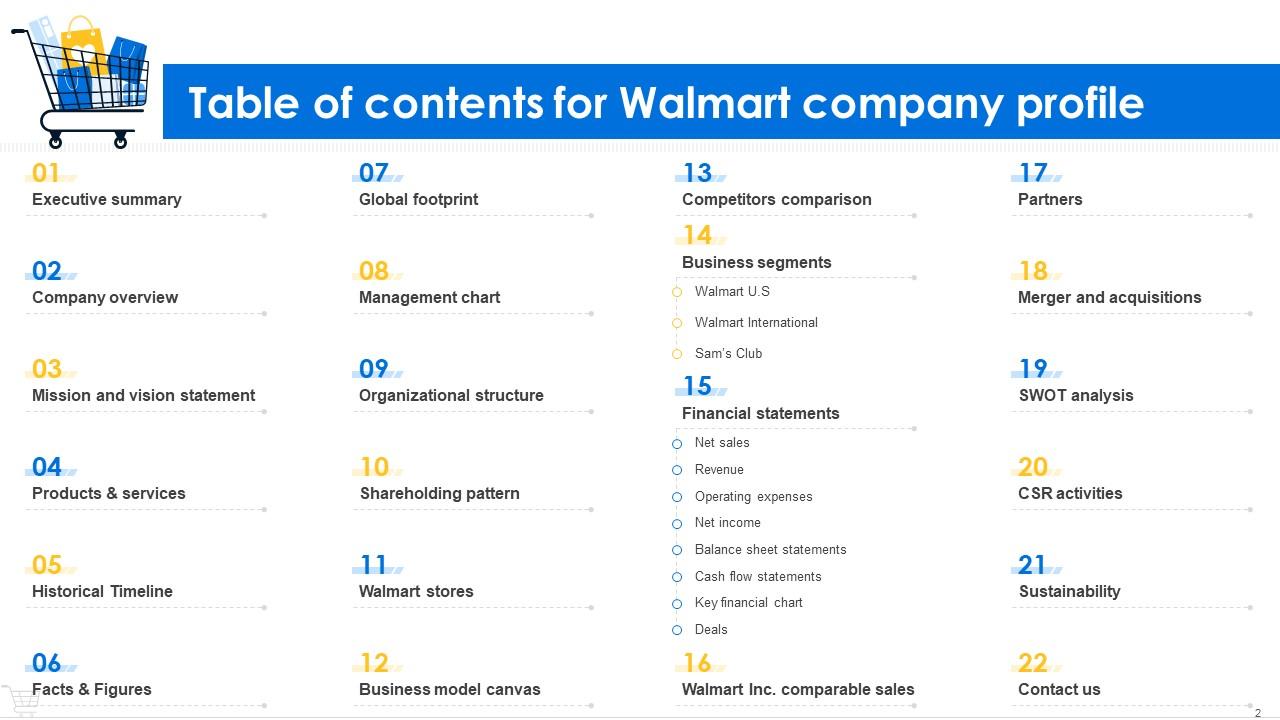
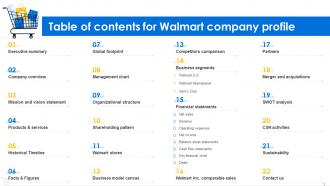
Slide 2: This slide exhibit Table of Content.
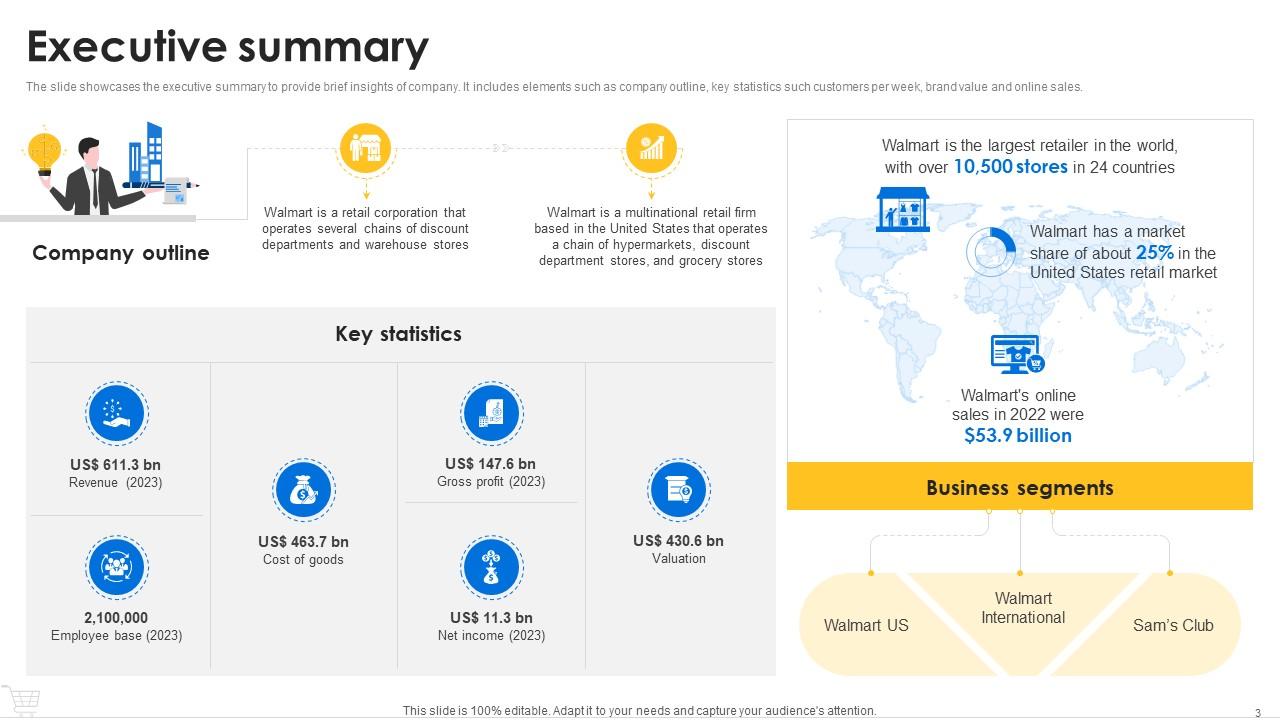
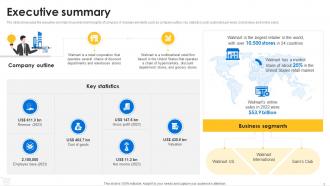
Slide 3: The slide showcases the executive summary to provide brief insights of company.
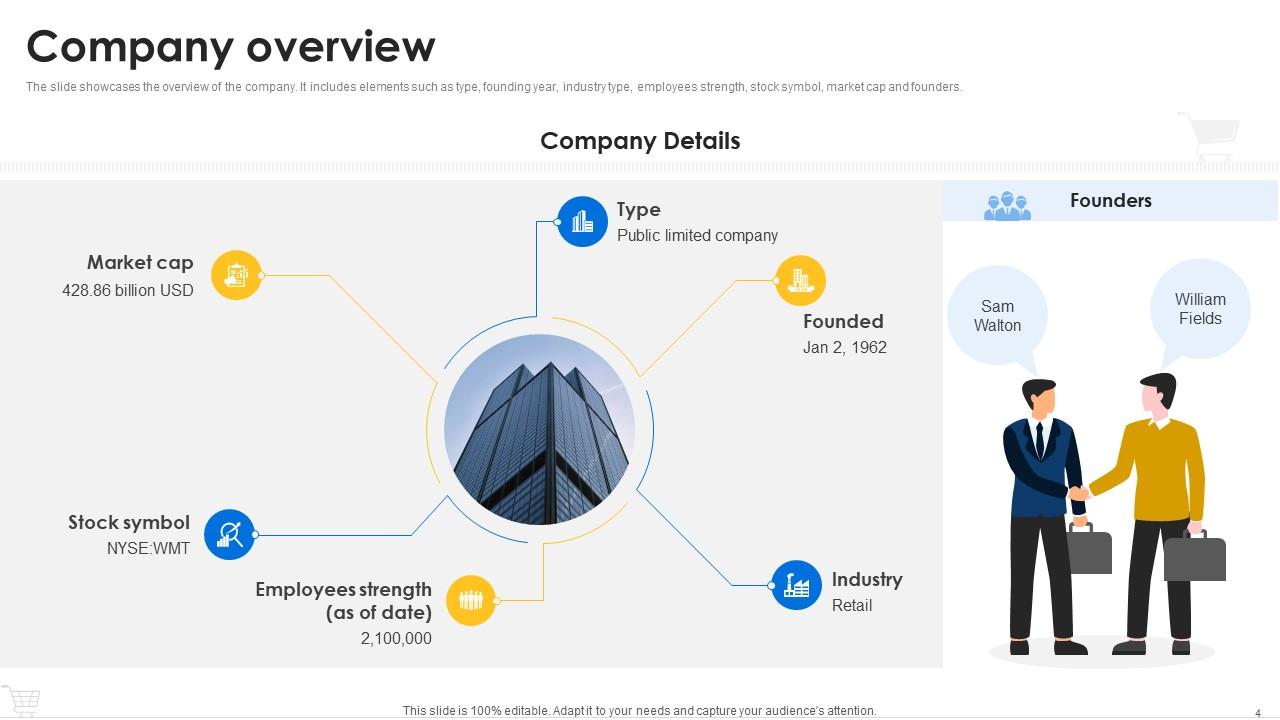
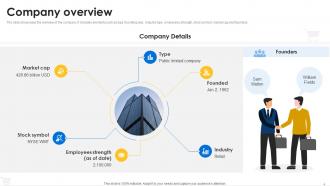
Slide 4: The slide showcases the overview of the company.
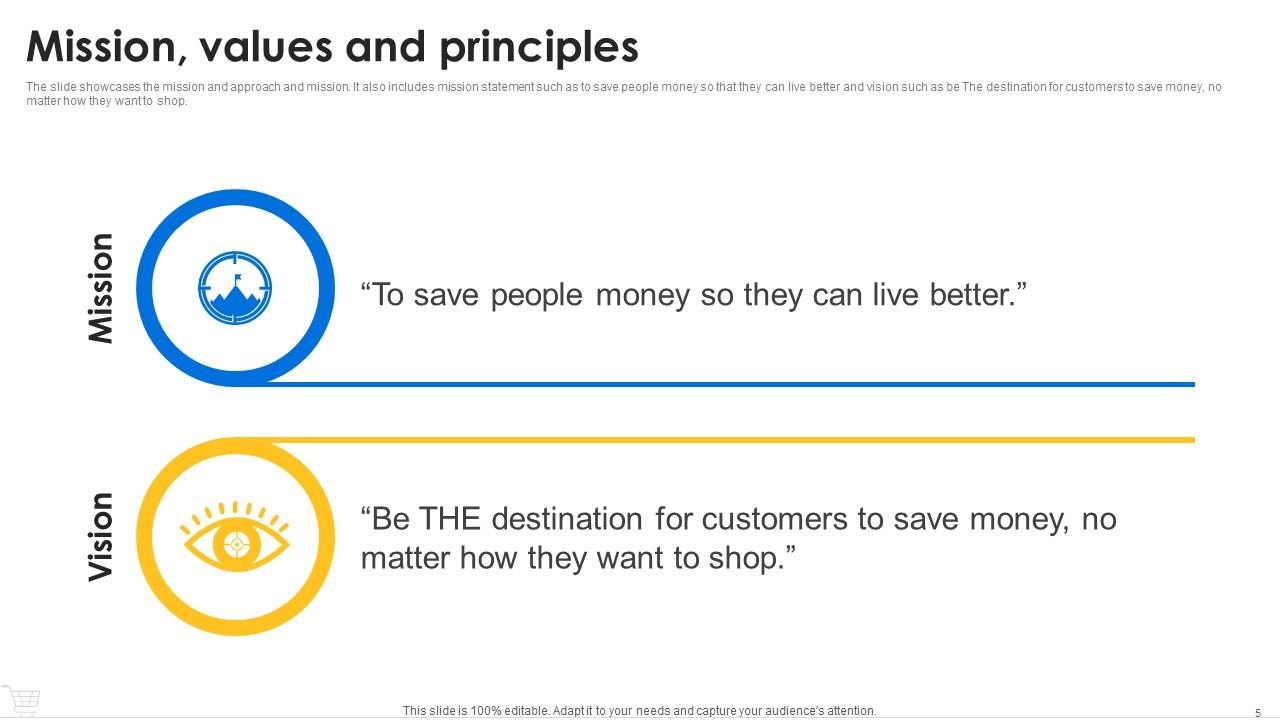
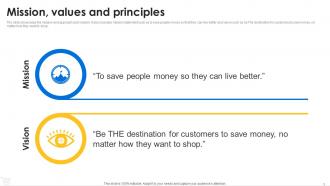
Slide 5: The slide showcases the mission and approach and mission.
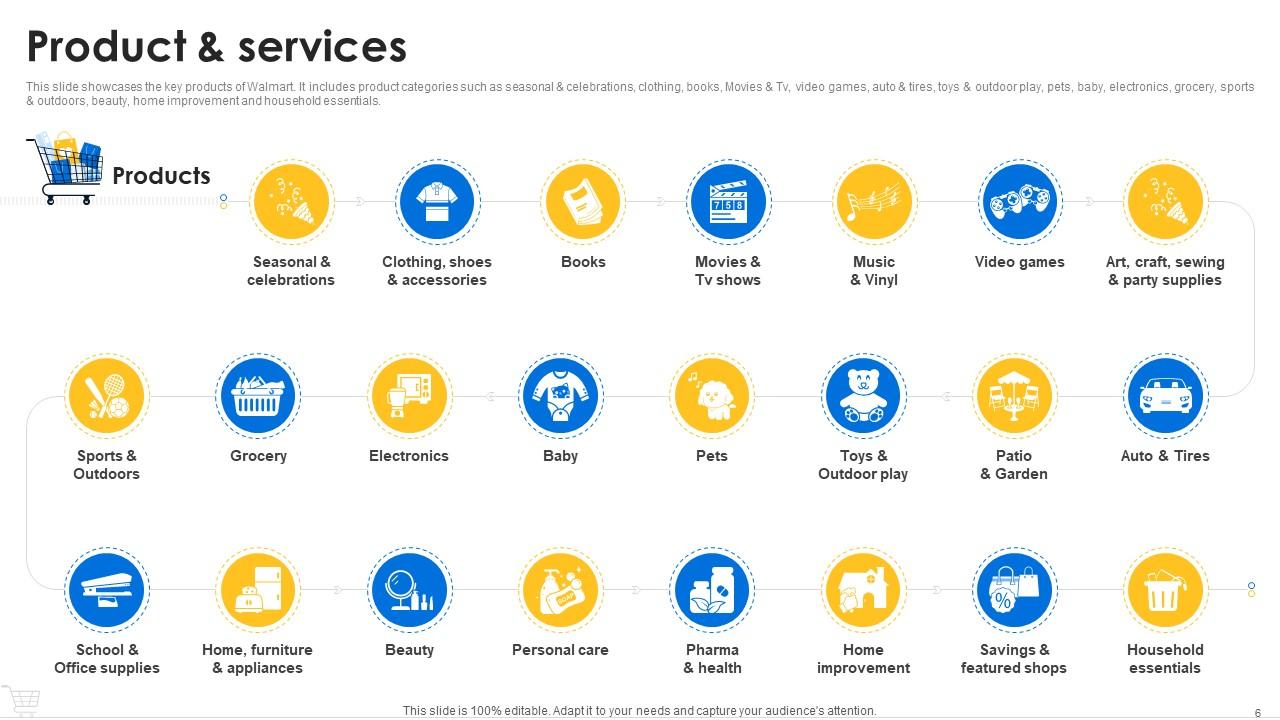
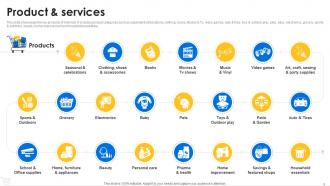
Slide 6: This slide showcases the key products of Walmart. It includes product categories such as seasonal & celebrations, clothing, books, Movies & Tv, video games etc.
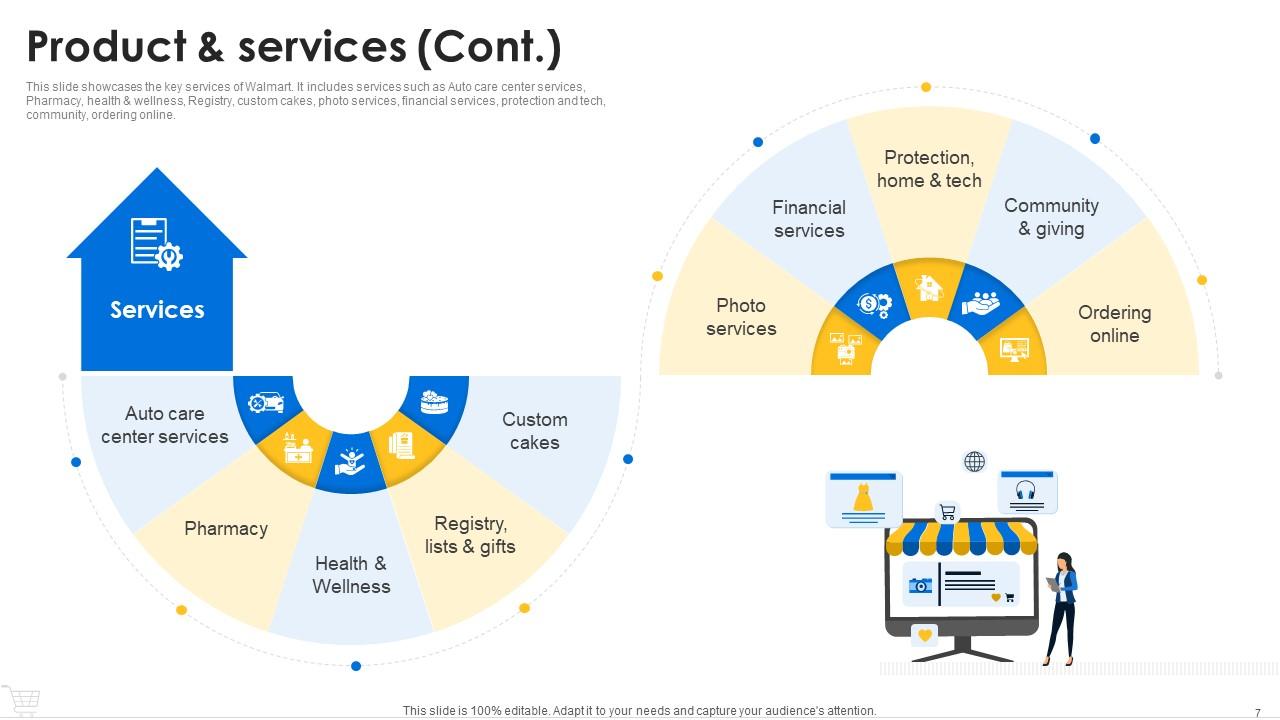
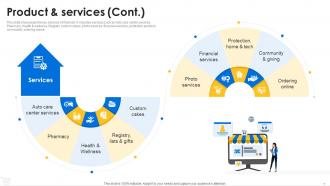
Slide 7: This slide showcases the key services of Walmart. It includes services such as Auto care center services, Pharmacy, health & wellness, Registry etc.
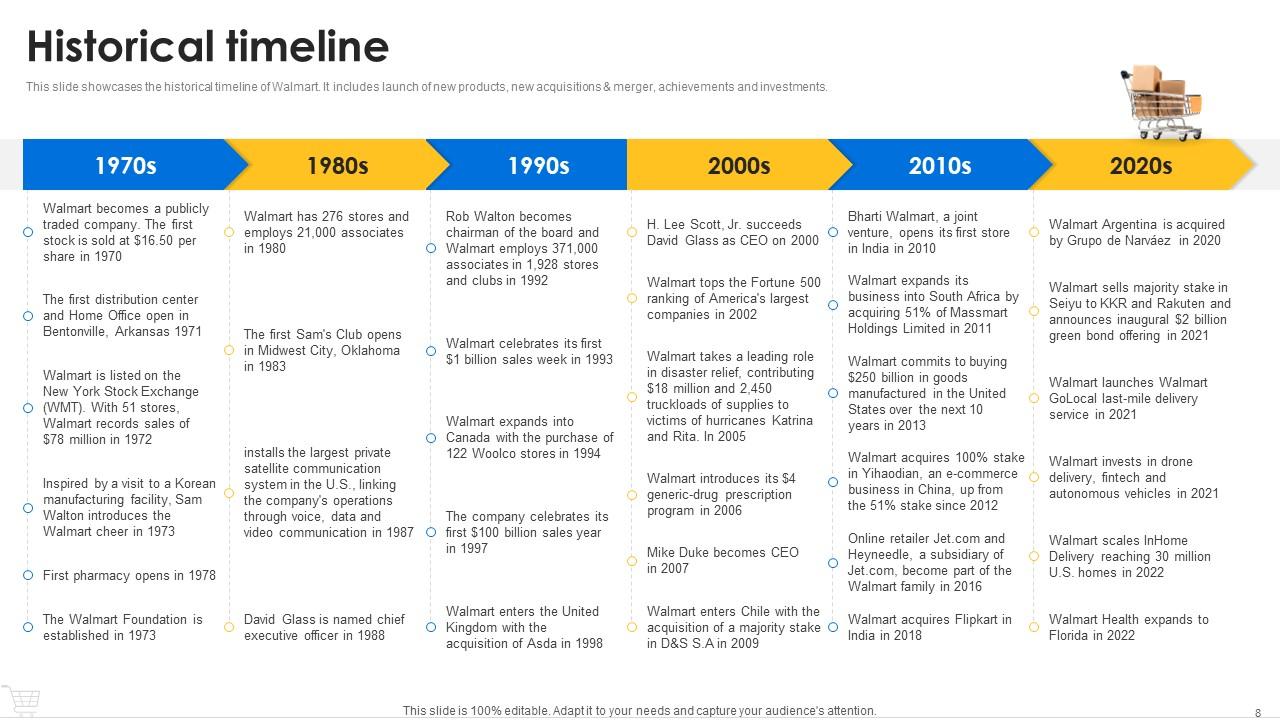
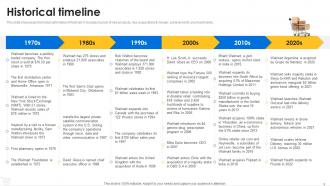
Slide 8: This slide showcases the historical timeline of Walmart. It includes launch of new products, new acquisitions & merger, achievements and investments.
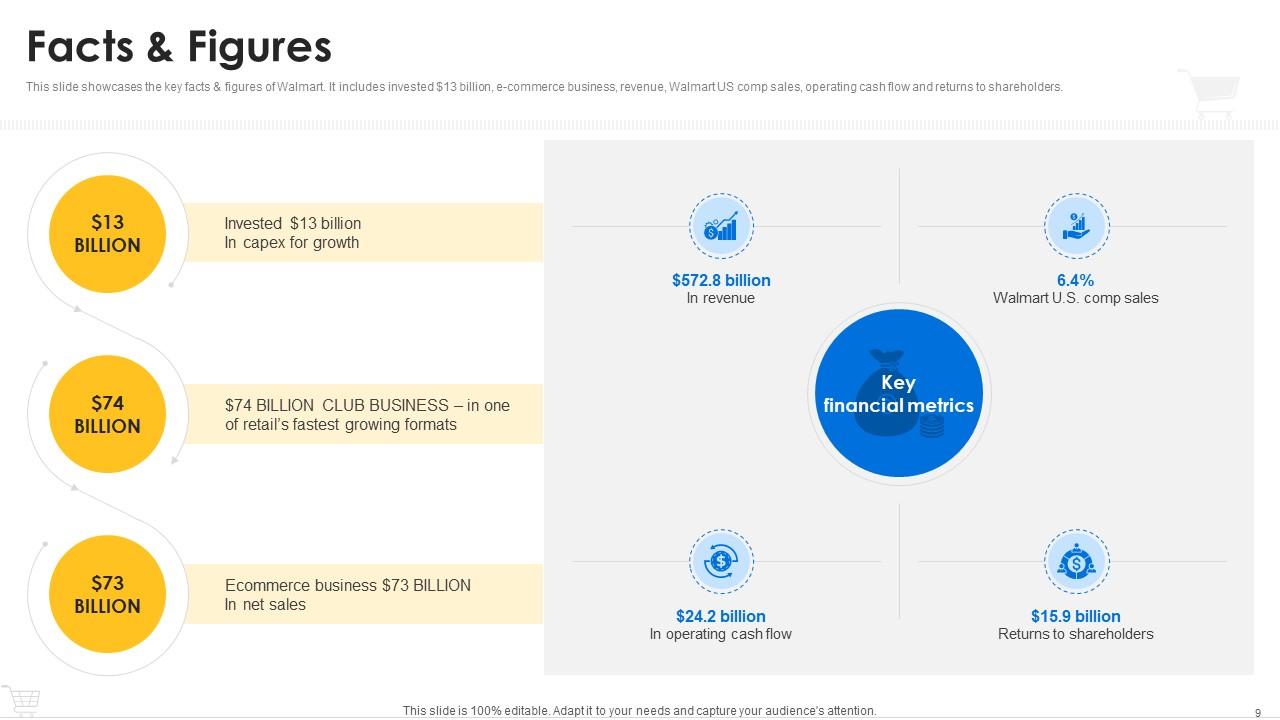
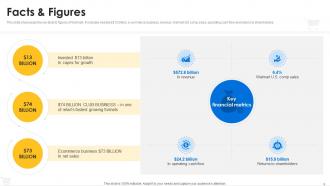
Slide 9: This slide showcases the key facts & figures of Walmart. It includes invested $13 billion, e-commerce business, revenue, Walmart US comp sales etc.
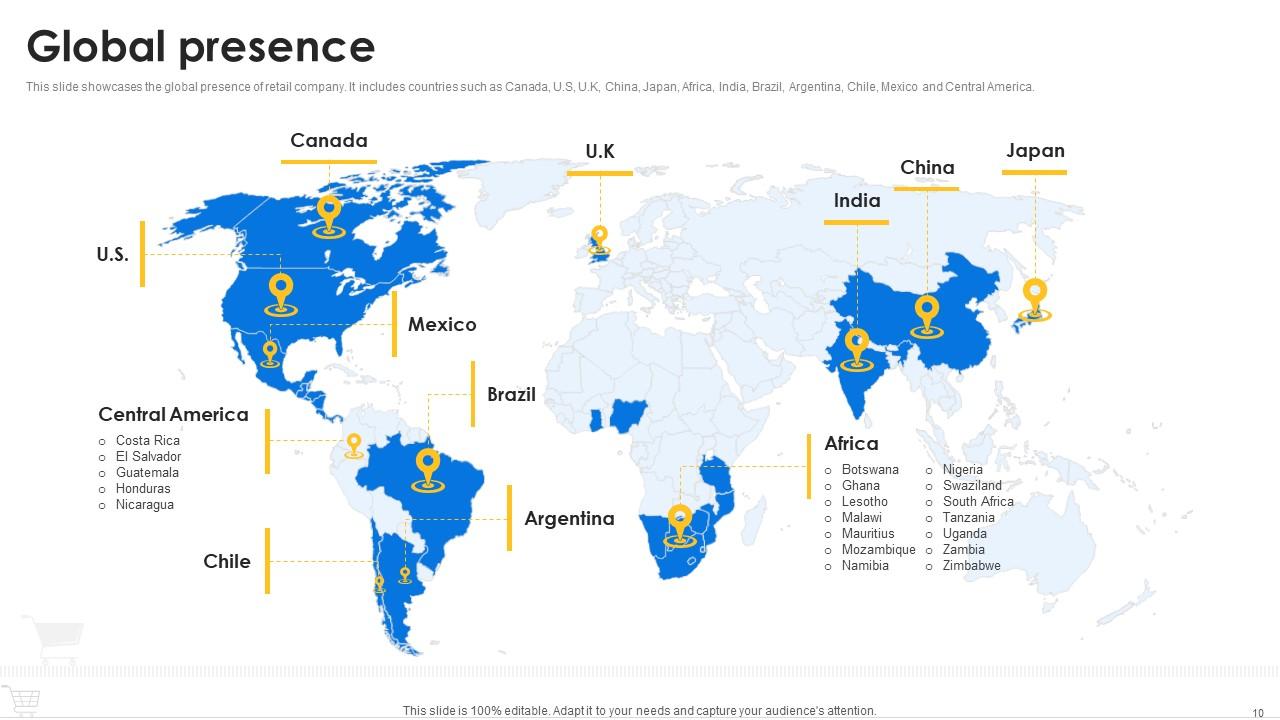
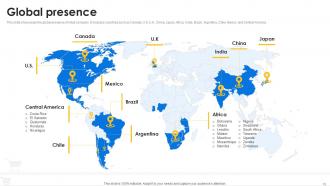
Slide 10: This slide showcases the global presence of retail company. It includes countries such as Canada, U.S, U.K, China, Japan, Africa, India, Brazil etc.
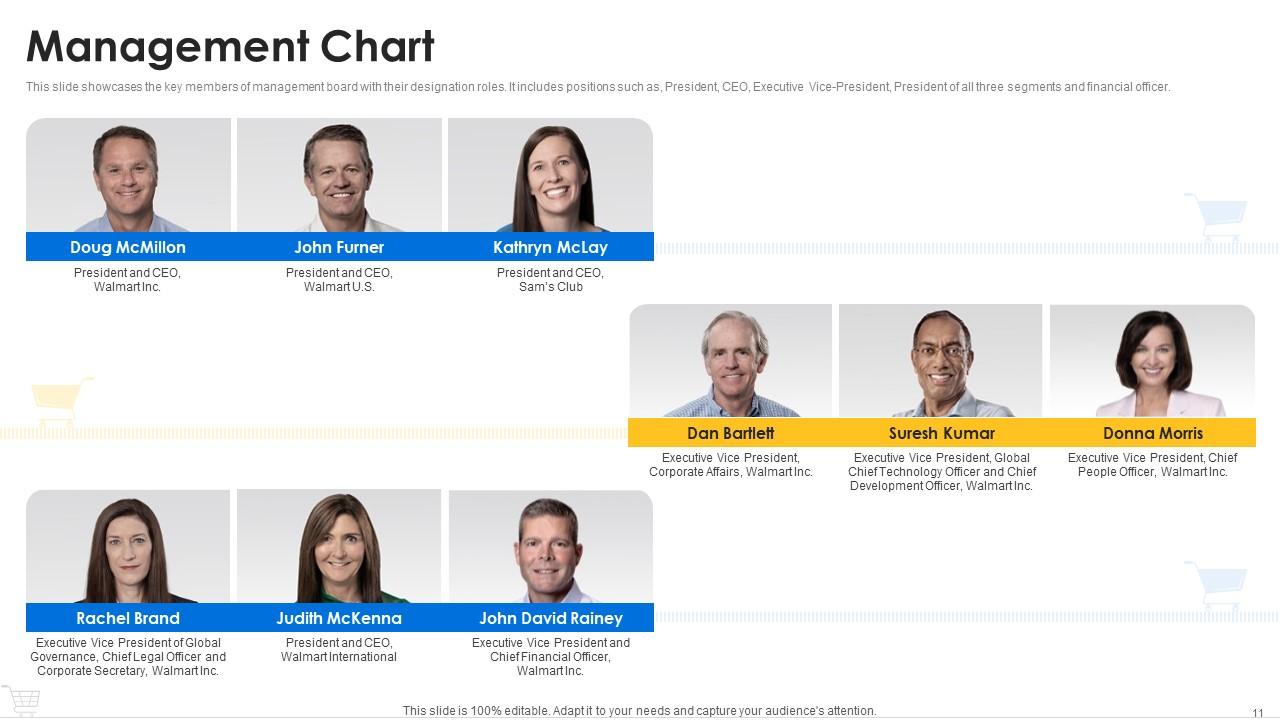
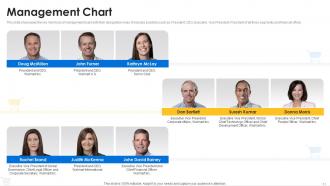
Slide 11: This slide showcases the key members of management board with their designation roles.
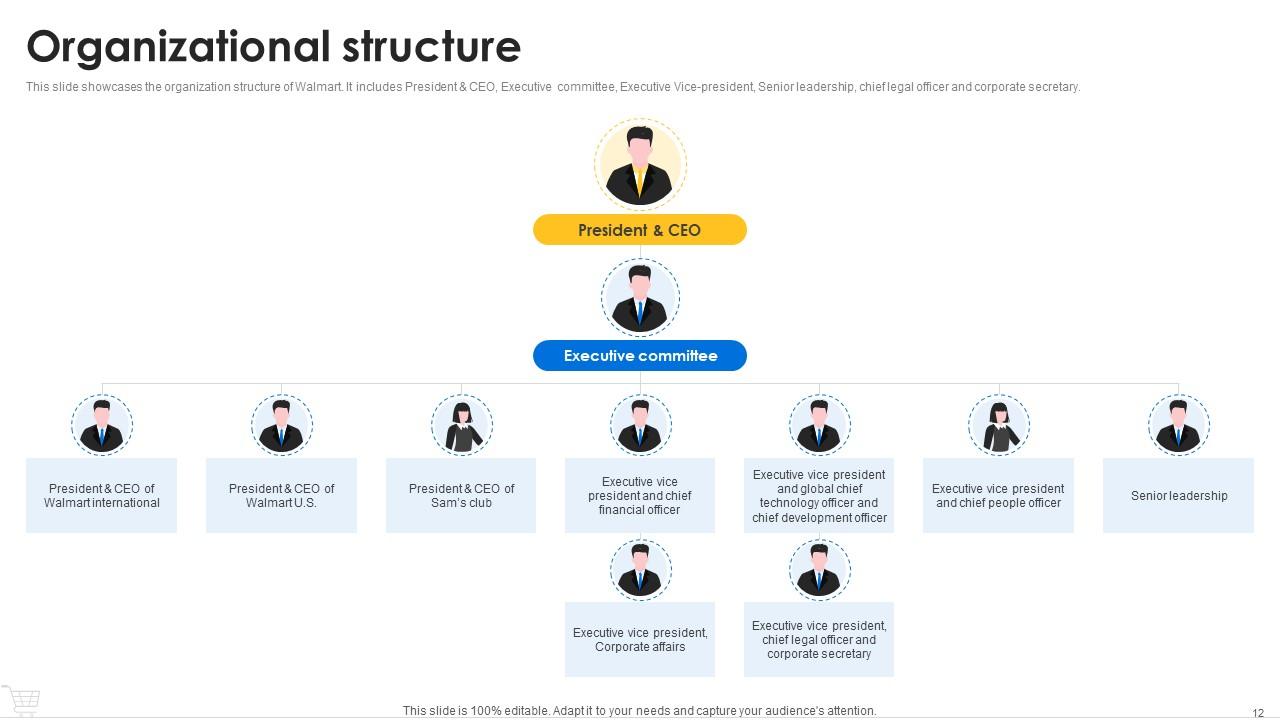
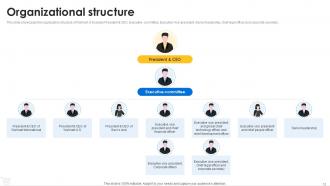
Slide 12: This slide showcases the organization structure of Walmart.
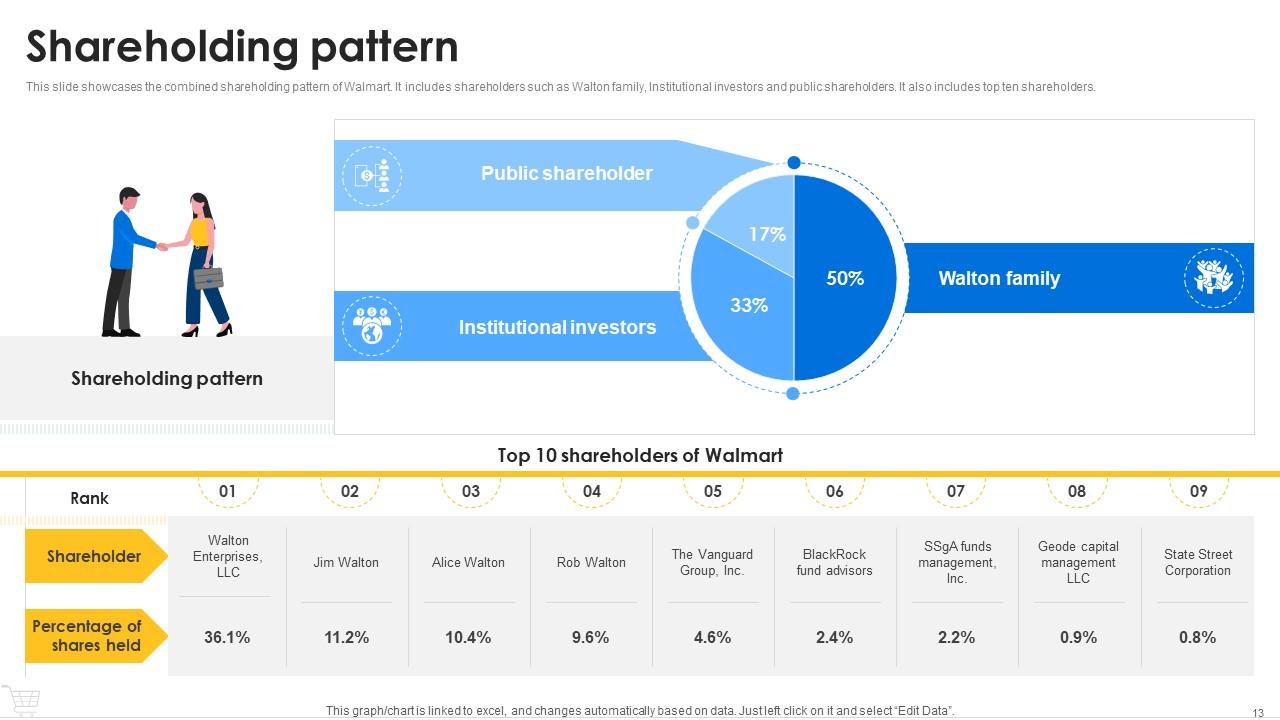
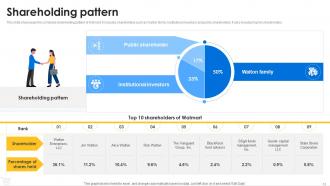
Slide 13: This slide showcases the combined shareholding pattern of Walmart.
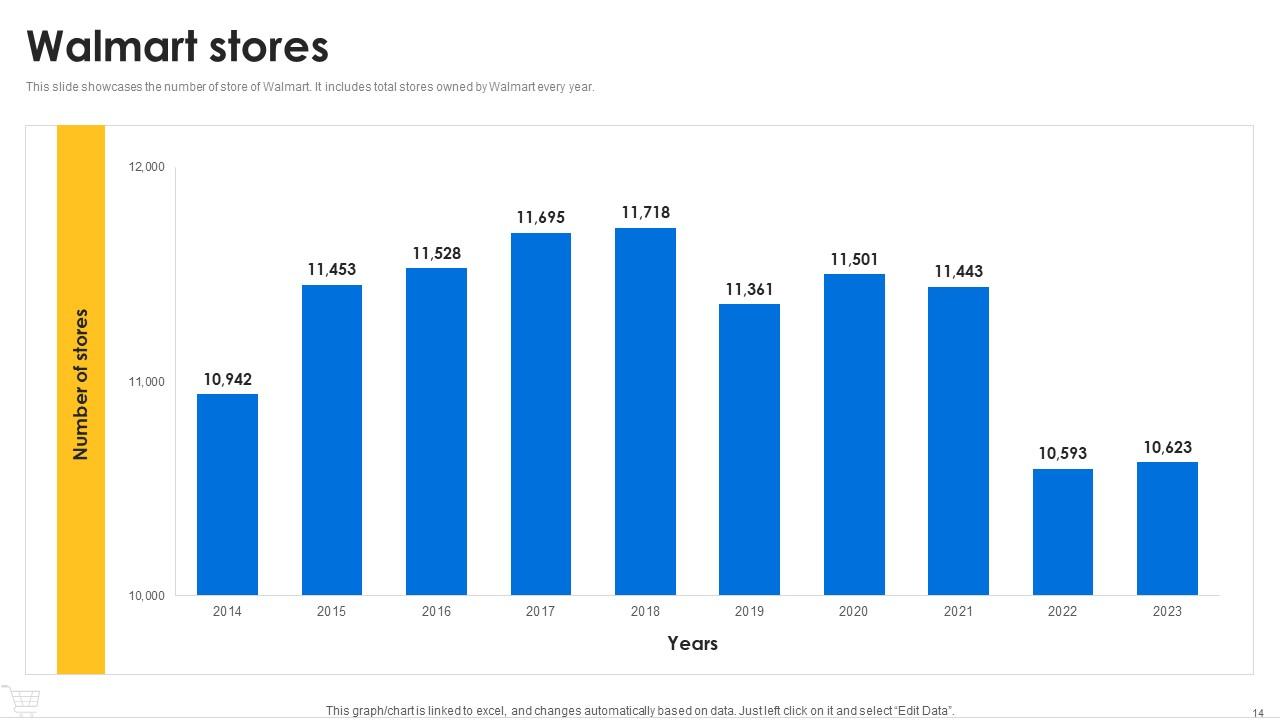
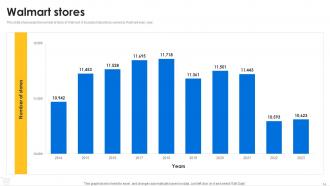
Slide 14: This slide showcases the number of store of Walmart. It includes total stores owned by Walmart every year.
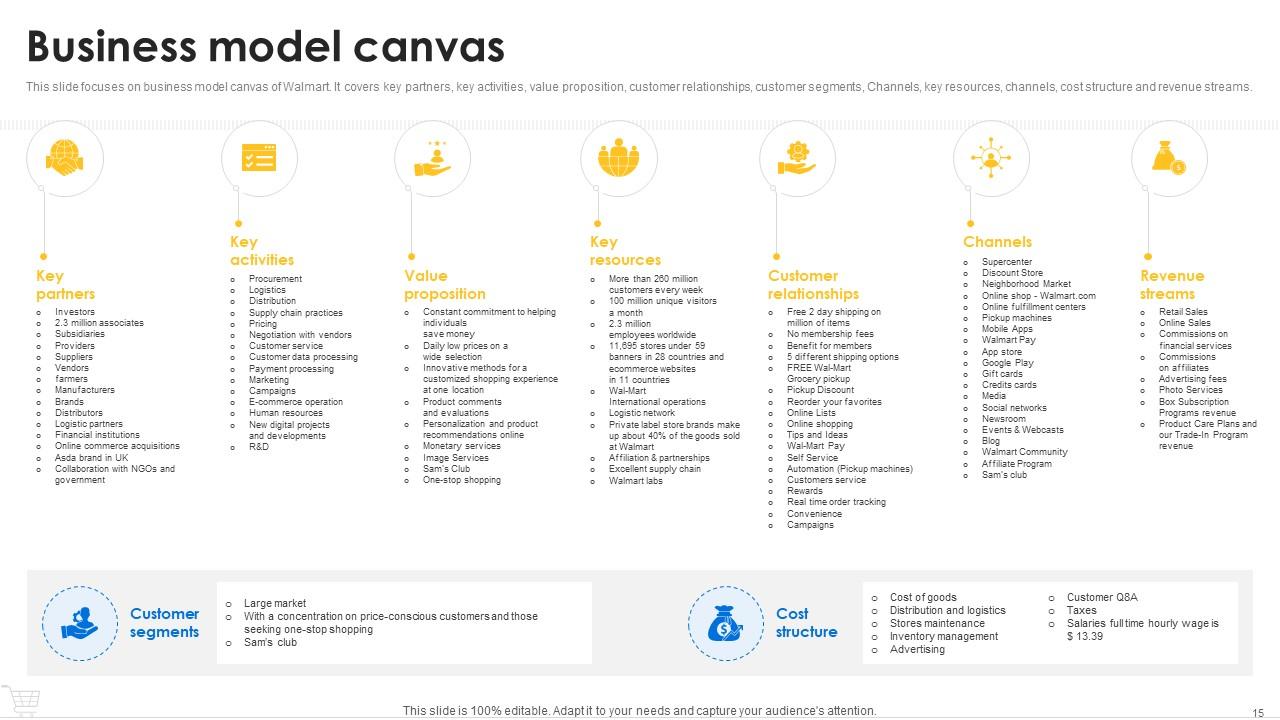
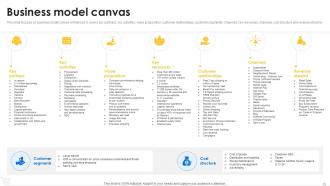
Slide 15: This slide focuses on business model canvas of Walmart.
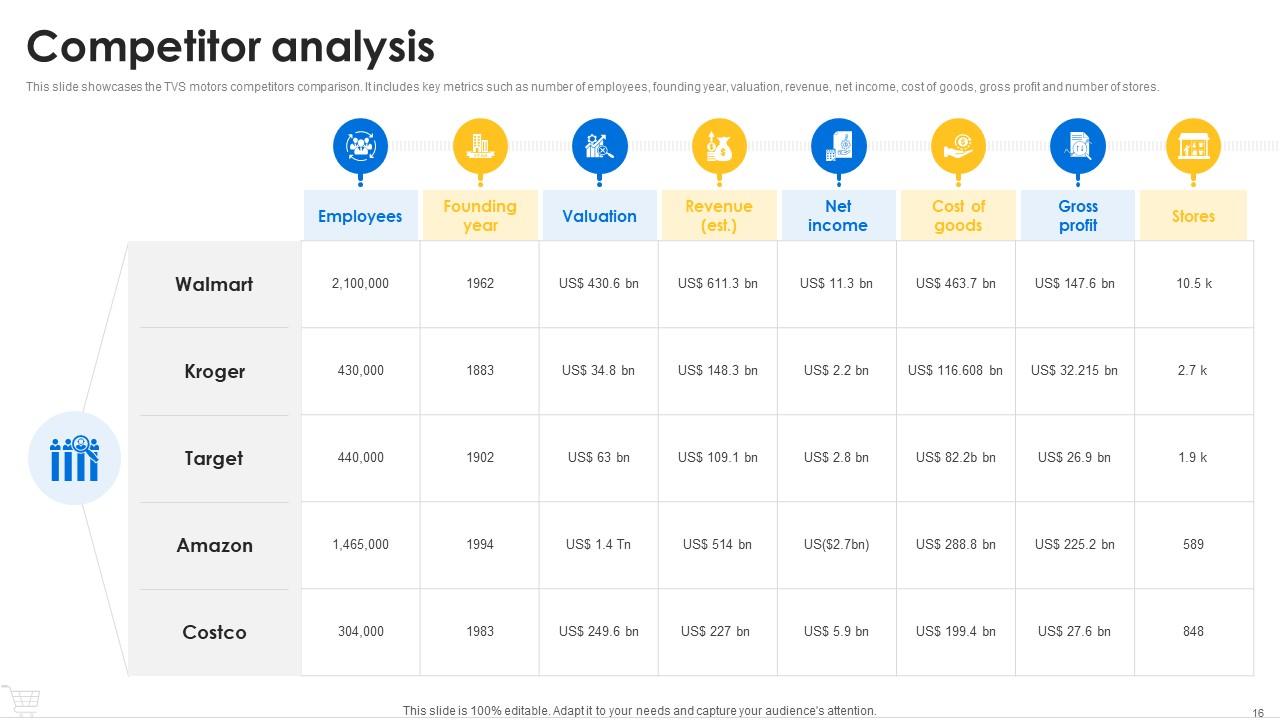
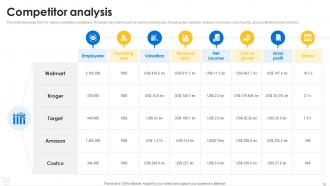
Slide 16: This slide showcases the TVS motors competitors comparison.
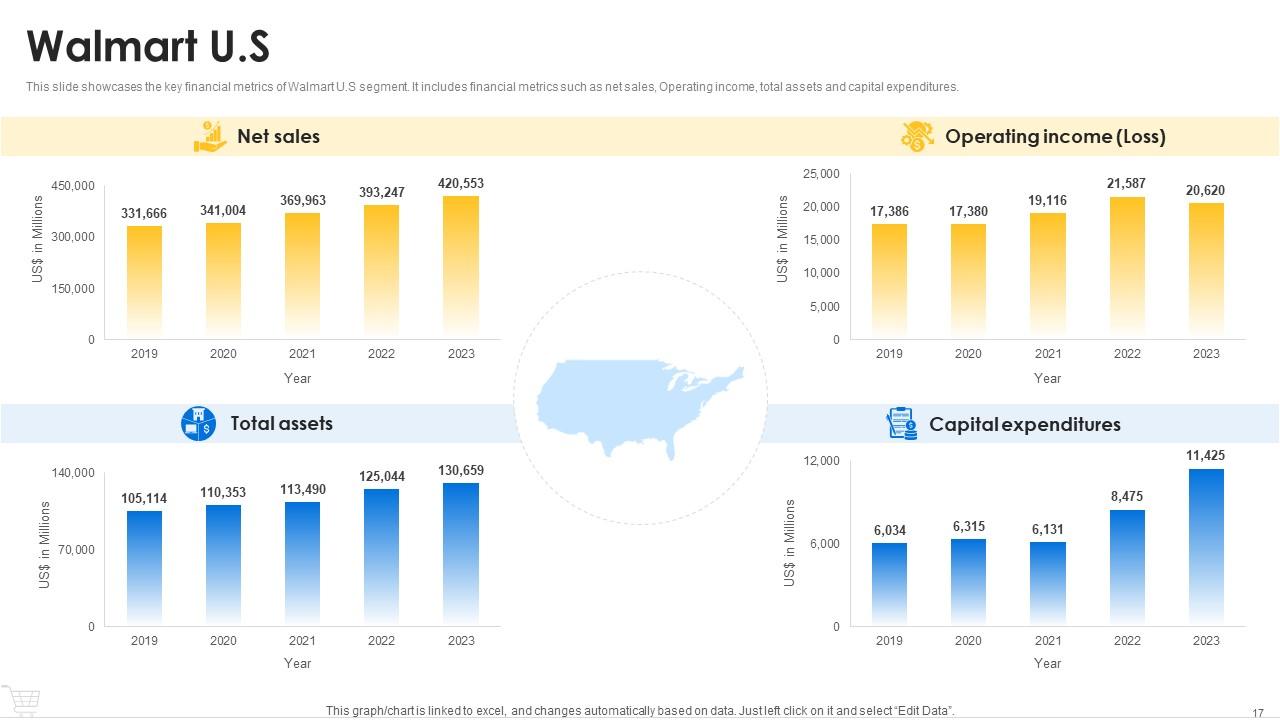
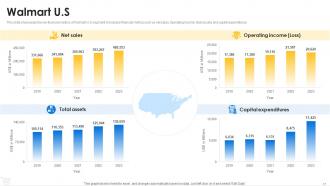
Slide 17: This slide showcases the key financial metrics of Walmart U.S segment.
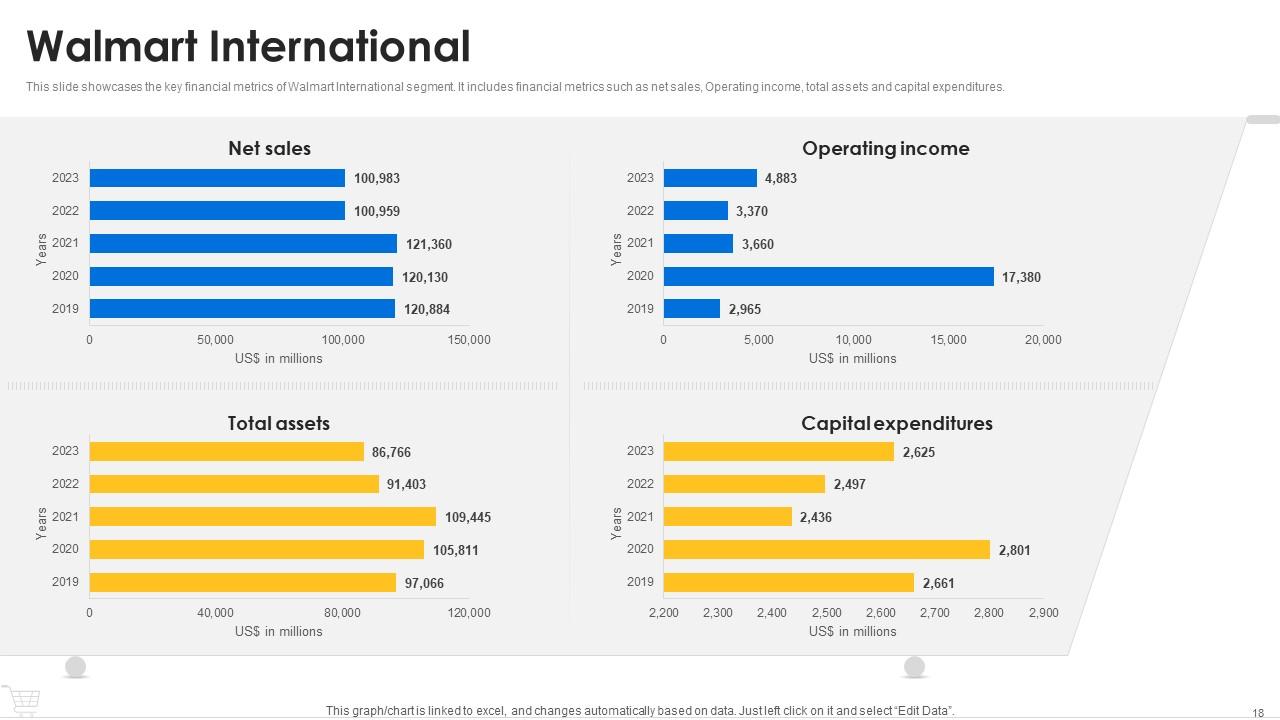
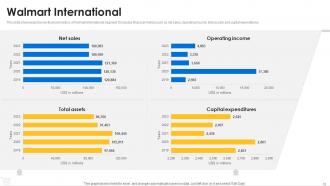
Slide 18: This slide showcases the key financial metrics of Walmart International segment.
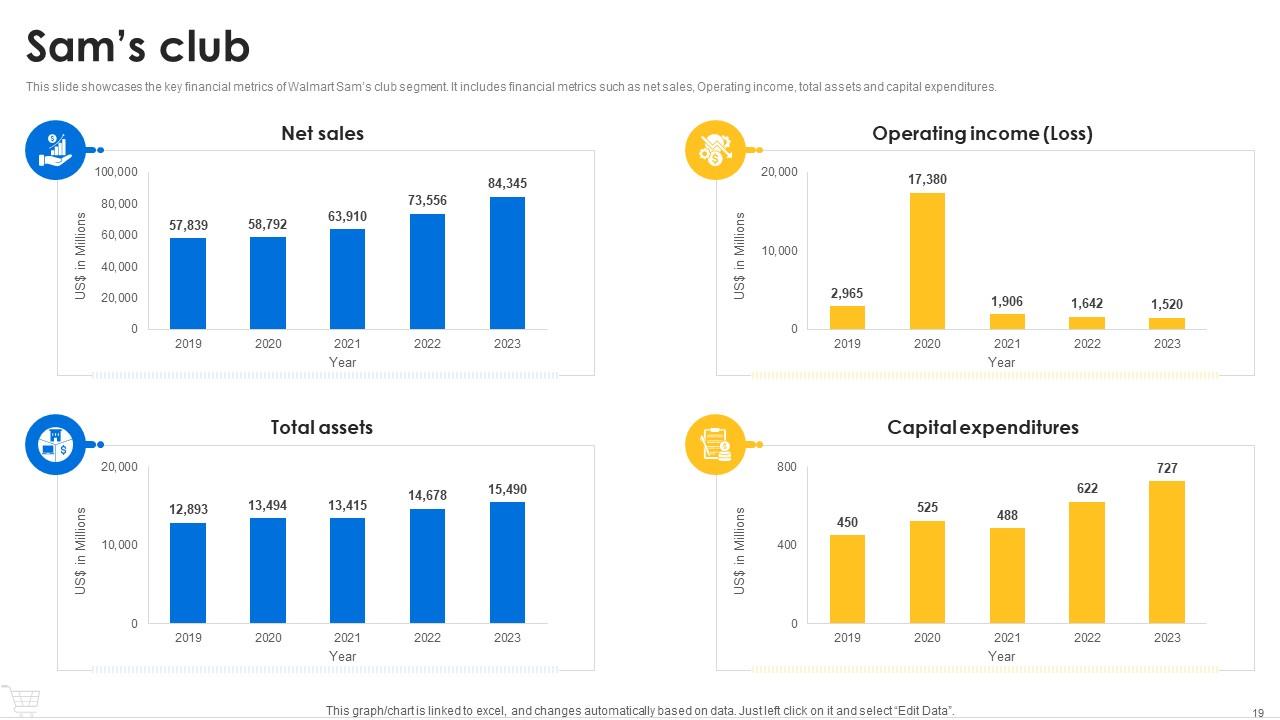
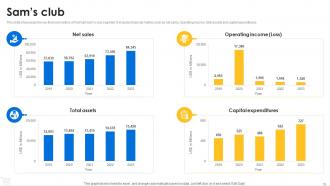
Slide 19: This slide showcases the key financial metrics of Walmart Sam’s club segment.
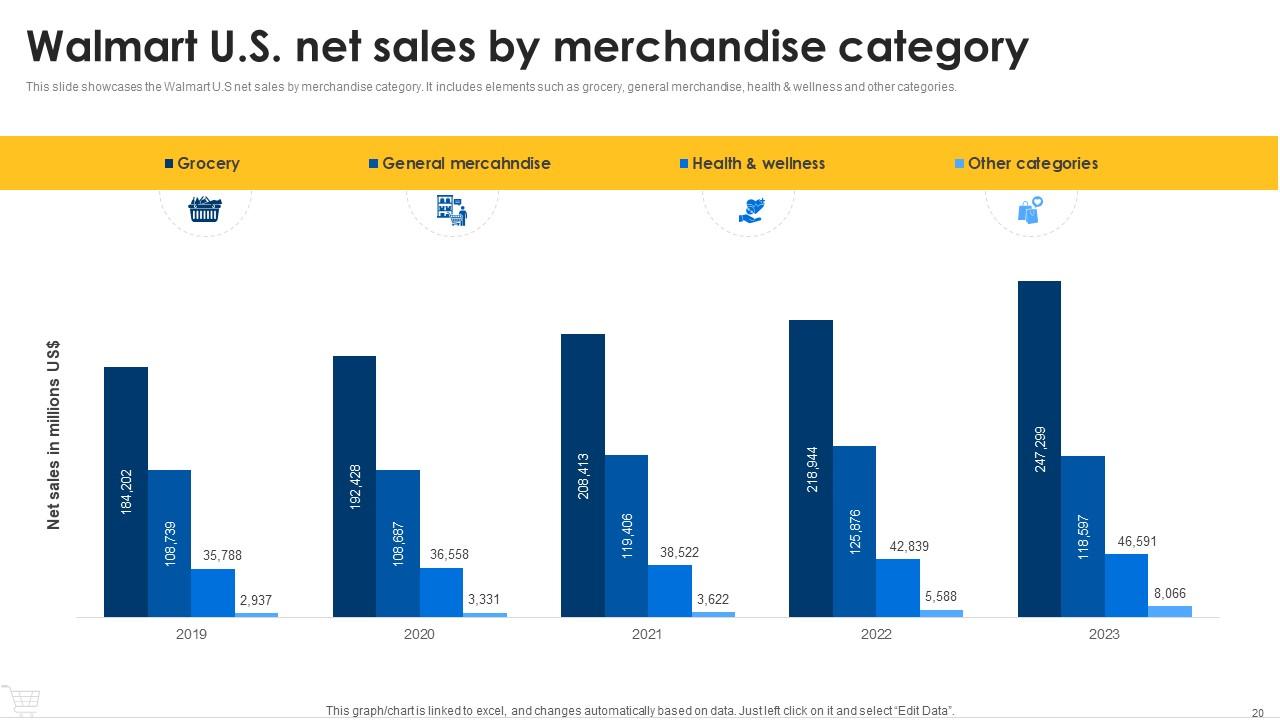
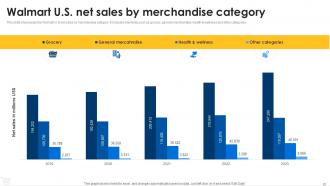
Slide 20: This slide showcases the Walmart U.S net sales by merchandise category.
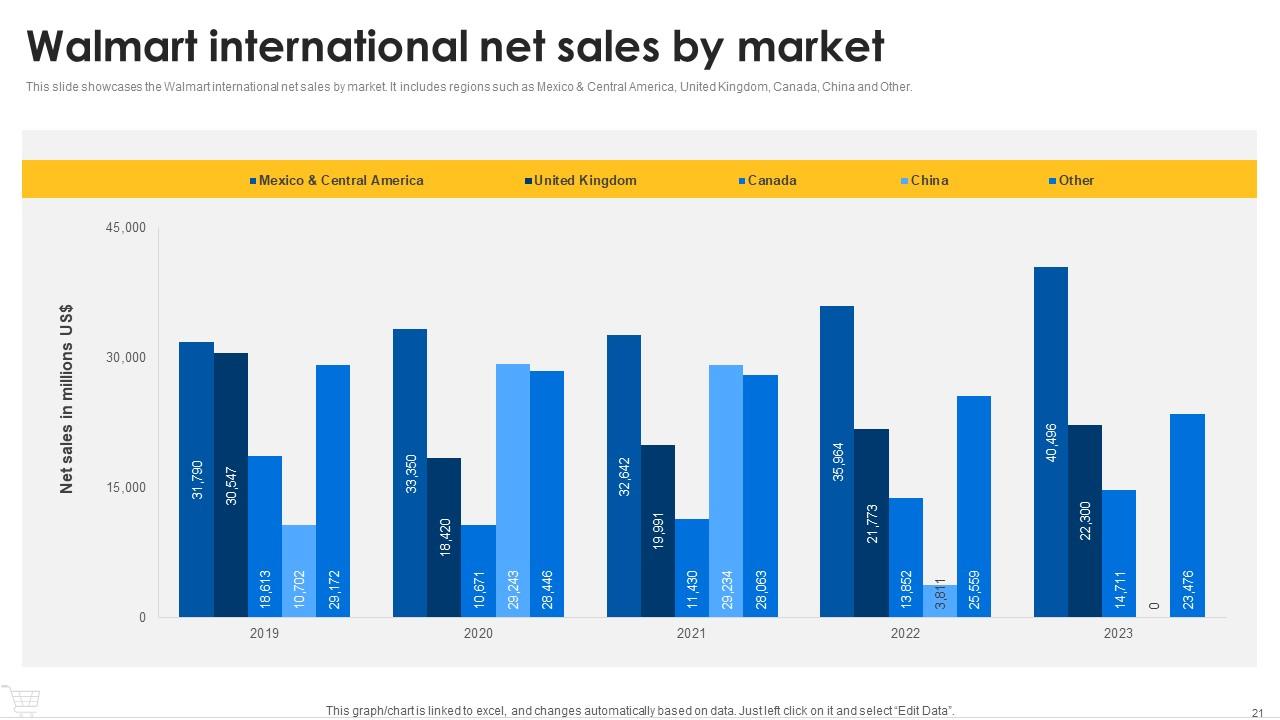
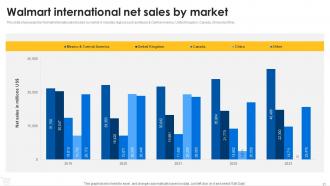
Slide 21: This slide showcases the Walmart international net sales by market.
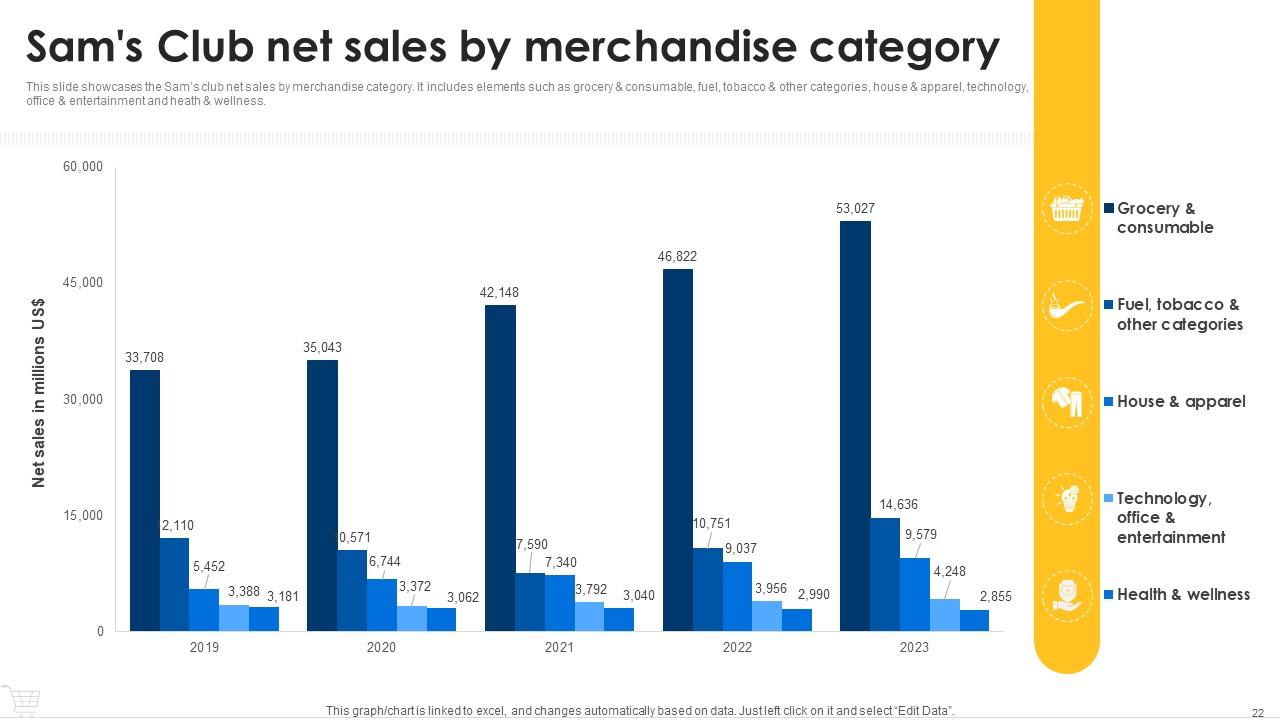
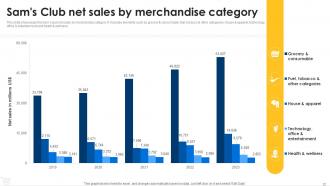
Slide 22: This slide showcases the Sam’s club net sales by merchandise category.
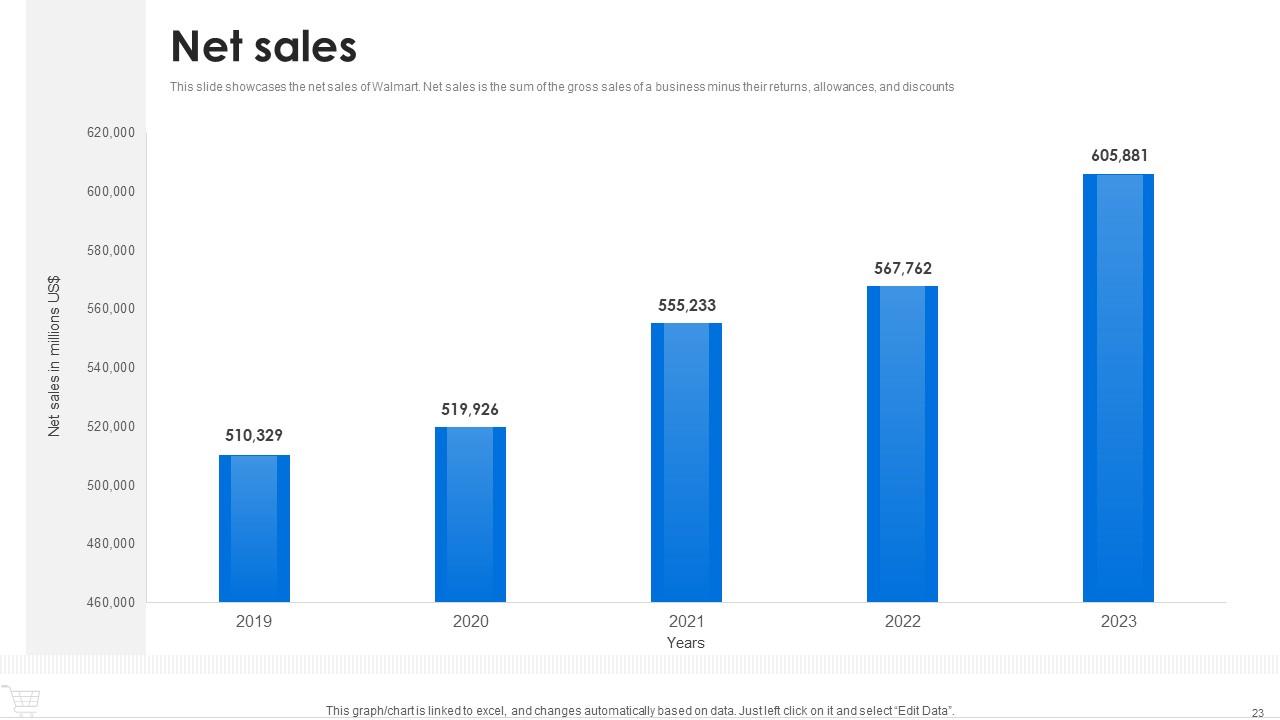
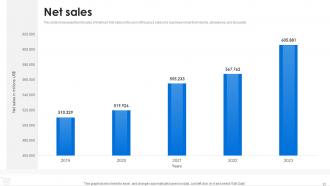
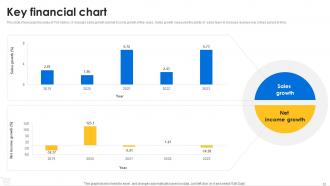
Slide 23: This slide showcases the net sales of Walmart.
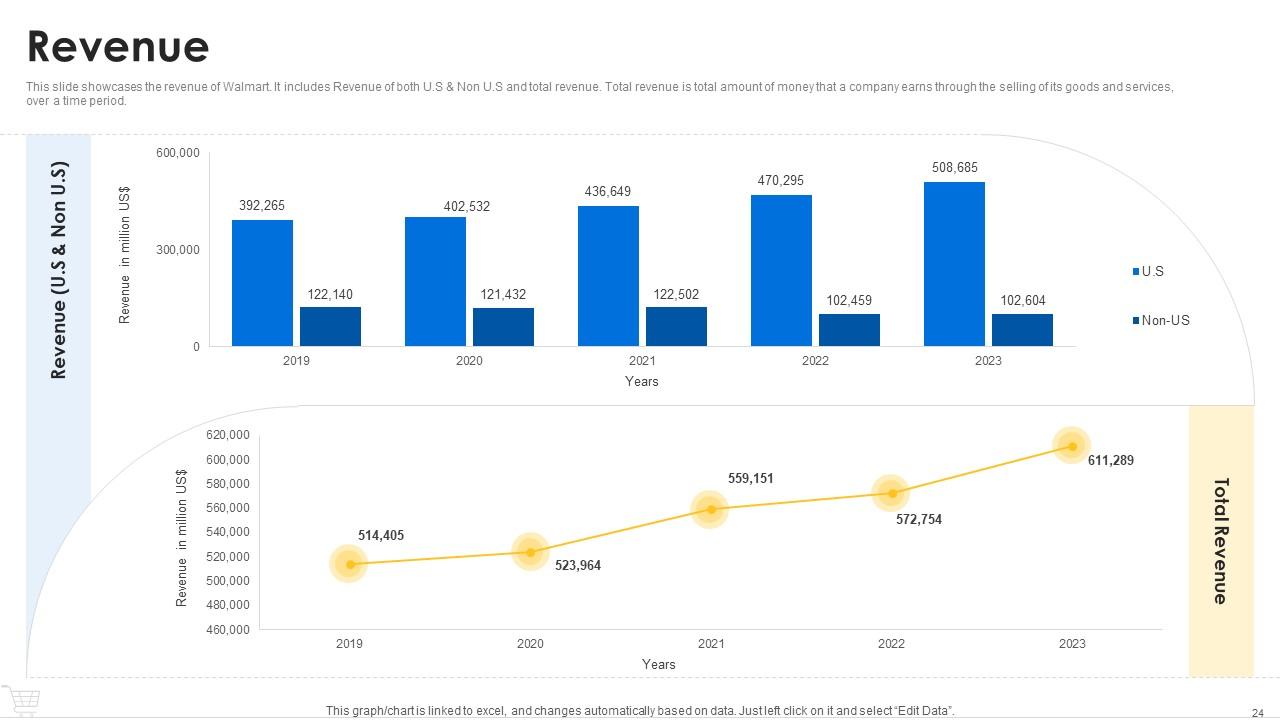
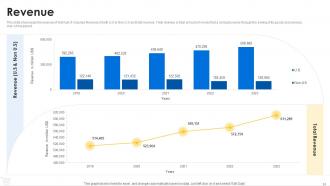
Slide 24: This slide showcases the revenue of Walmart. It includes Revenue of both U.S & Non U.S and total revenue.
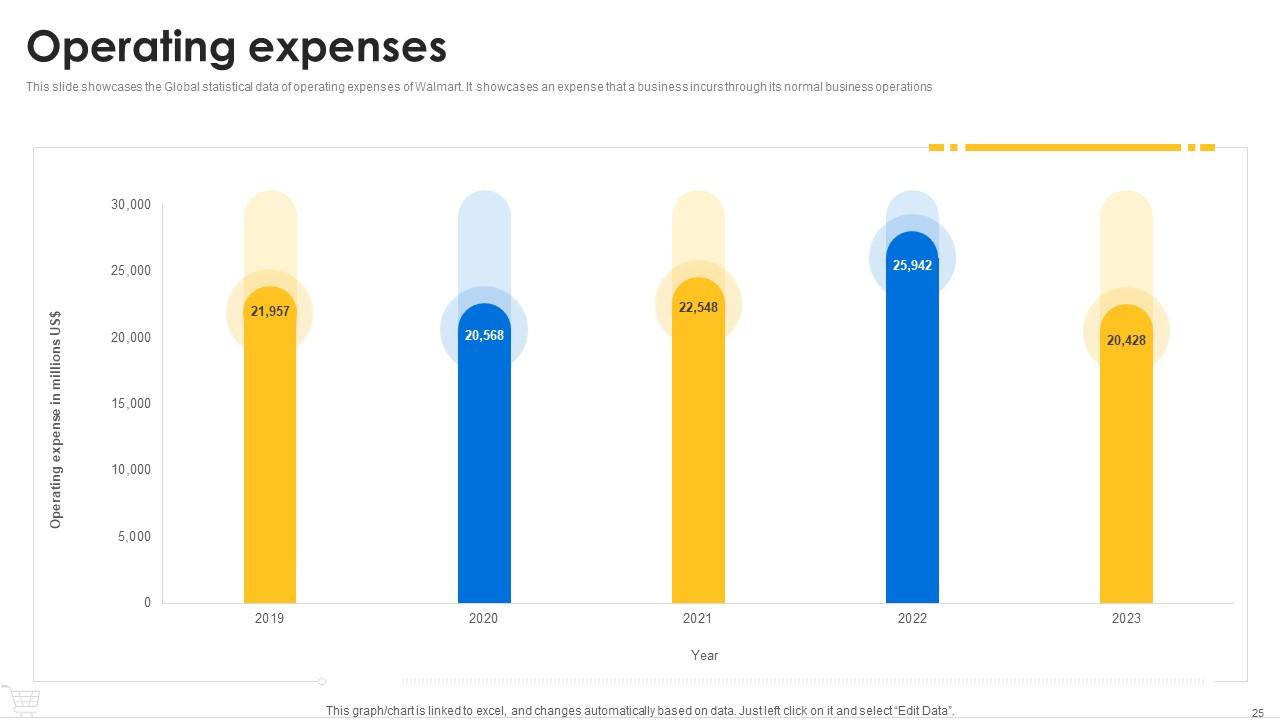
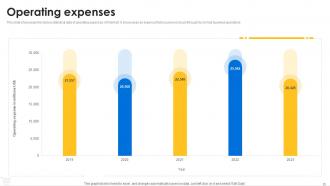
Slide 25: This slide showcases the Global statistical data of operating expenses of Walmart.
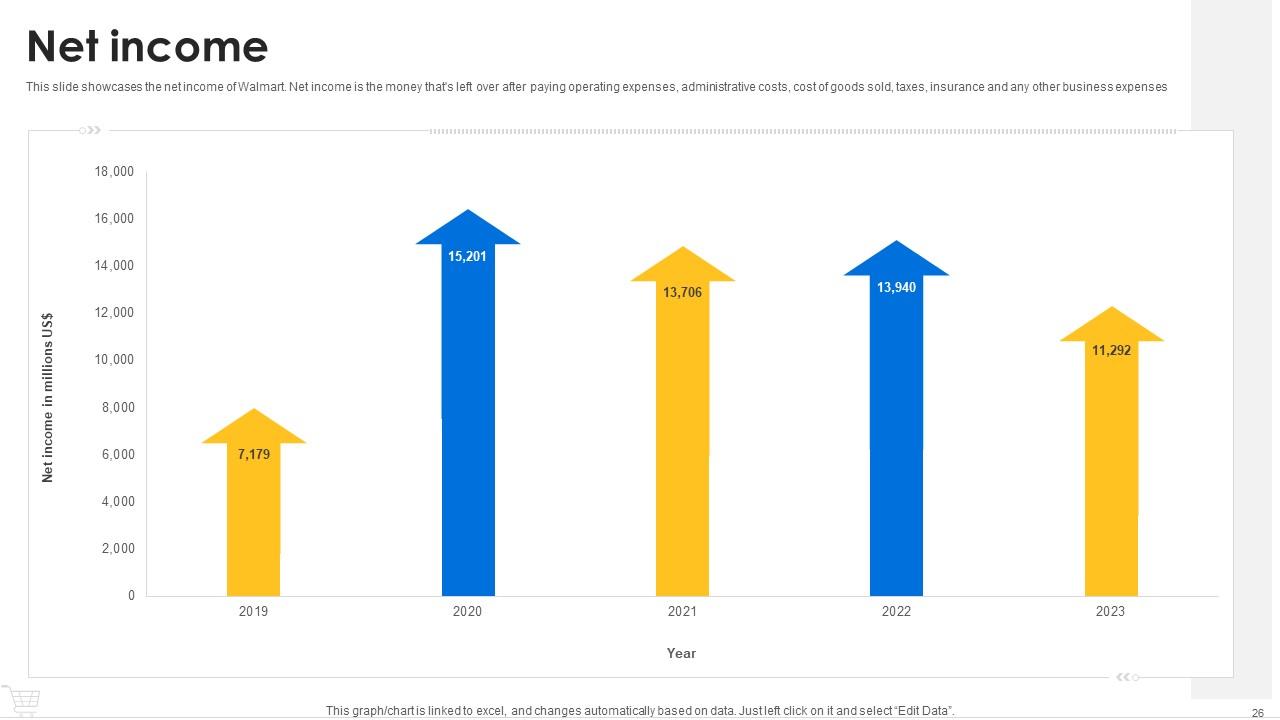
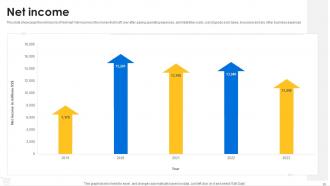
Slide 26: This slide showcases the net income of Walmart.
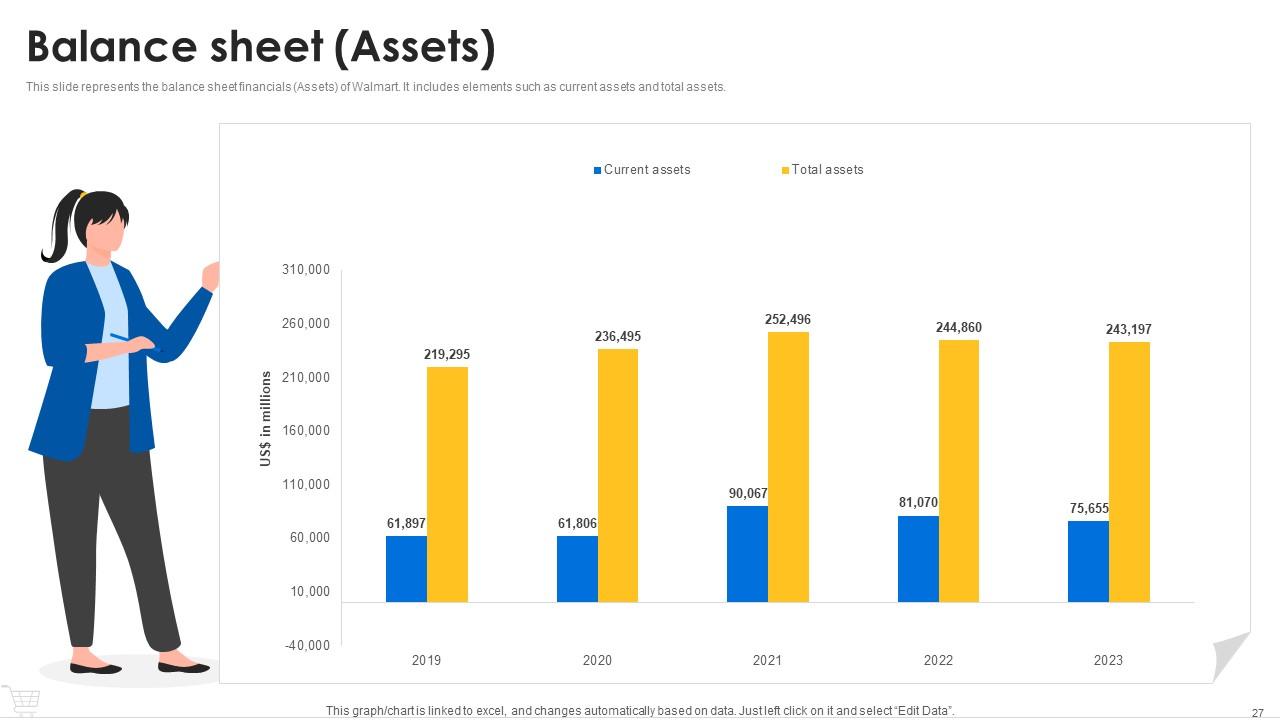
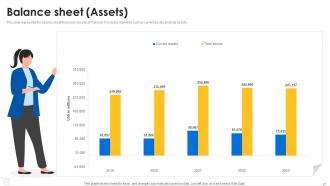
Slide 27: This slide represents the balance sheet financials (Assets) of Walmart.
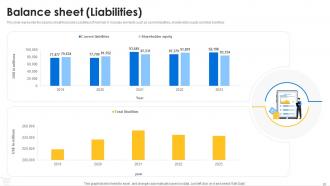
Slide 28: This slide represents the balance sheet financials (Liabilities) of Walmart.
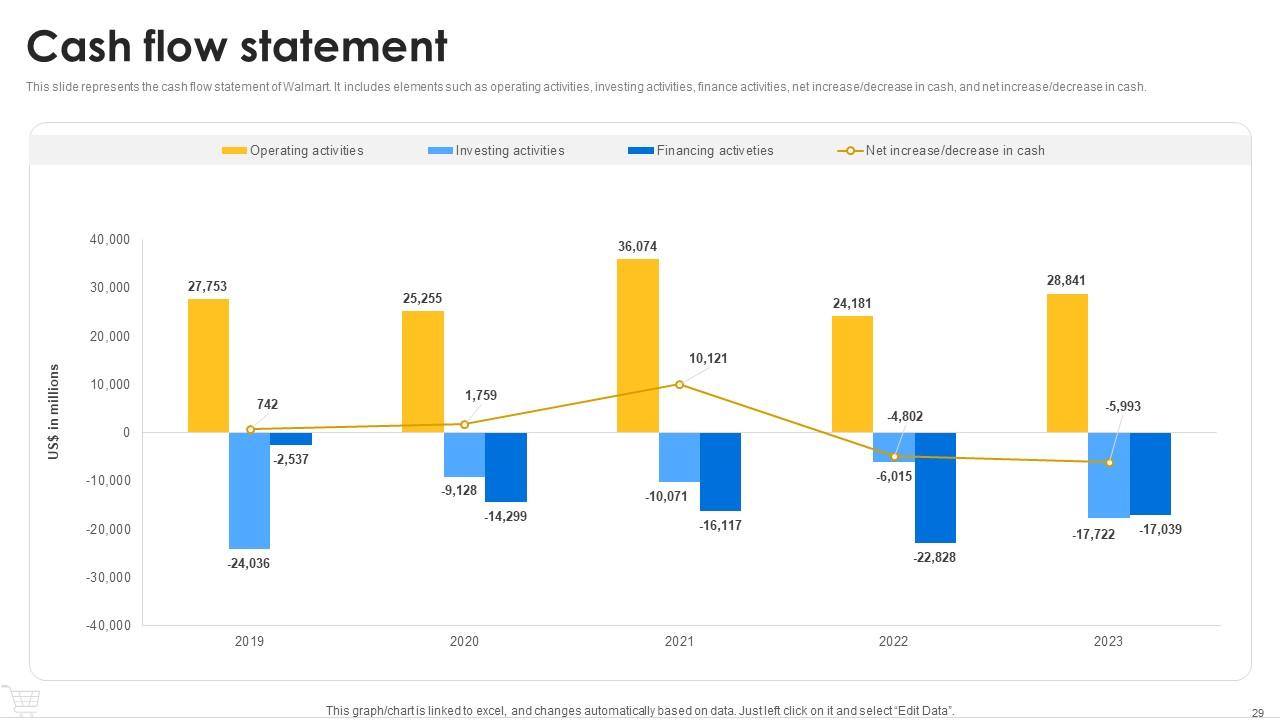
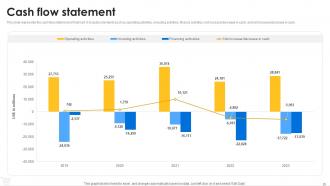
Slide 29: This slide represents the cash flow statement of Walmart.
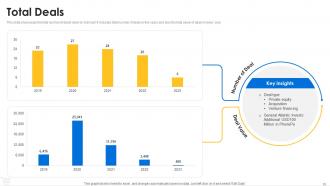
Slide 30: This slide showcases the total number of deals done by Walmart.
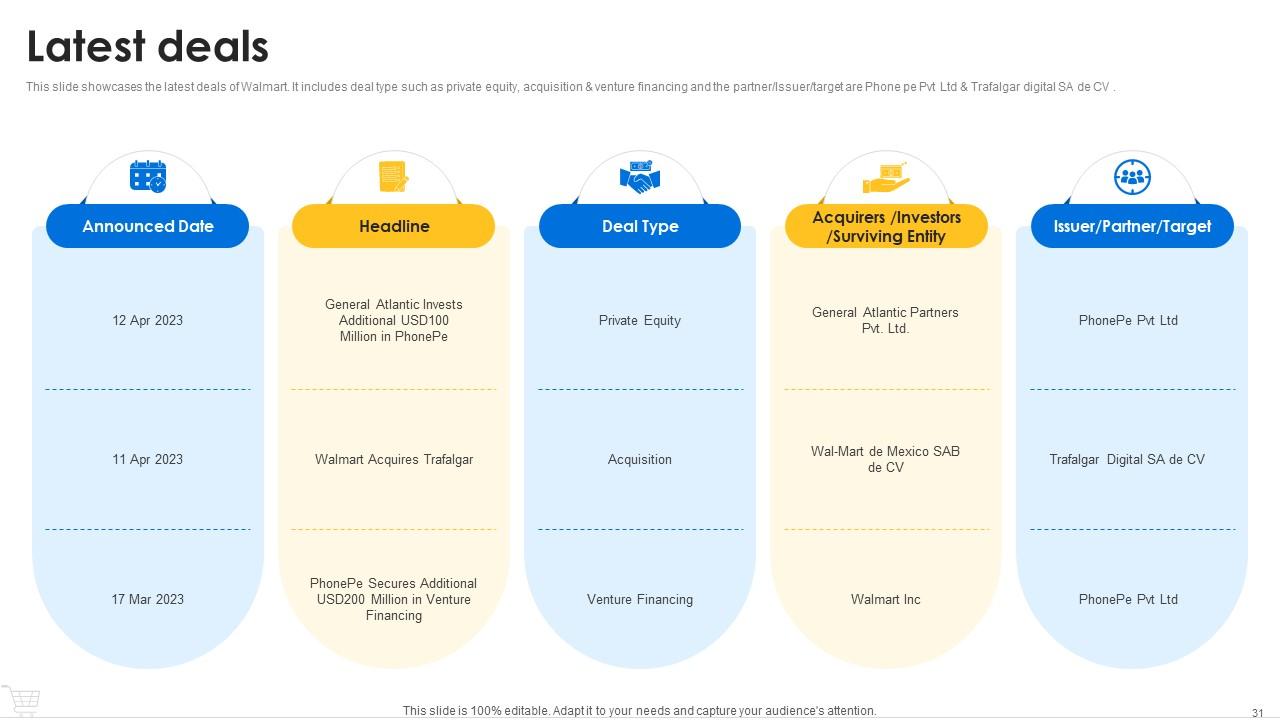
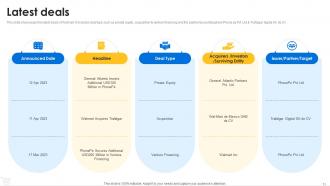
Slide 31: This slide showcases the latest deals of Walmart.
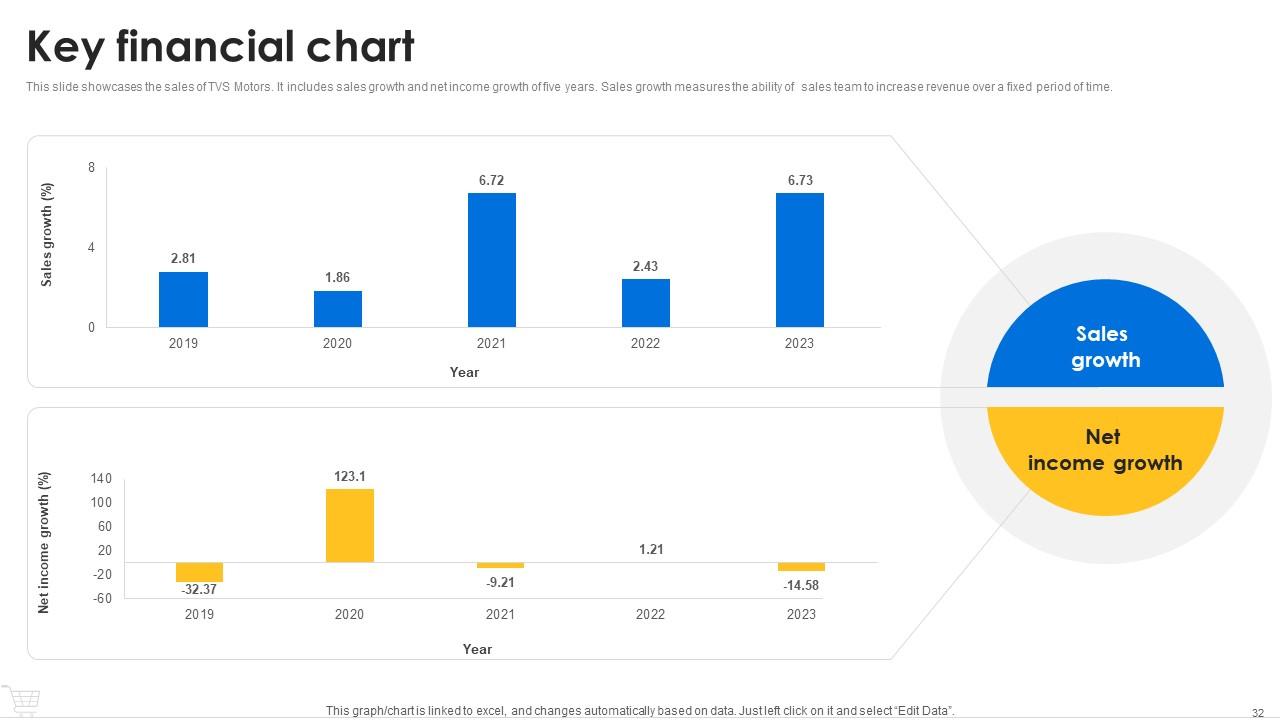
Slide 32: This slide showcases the sales of TVS Motors.
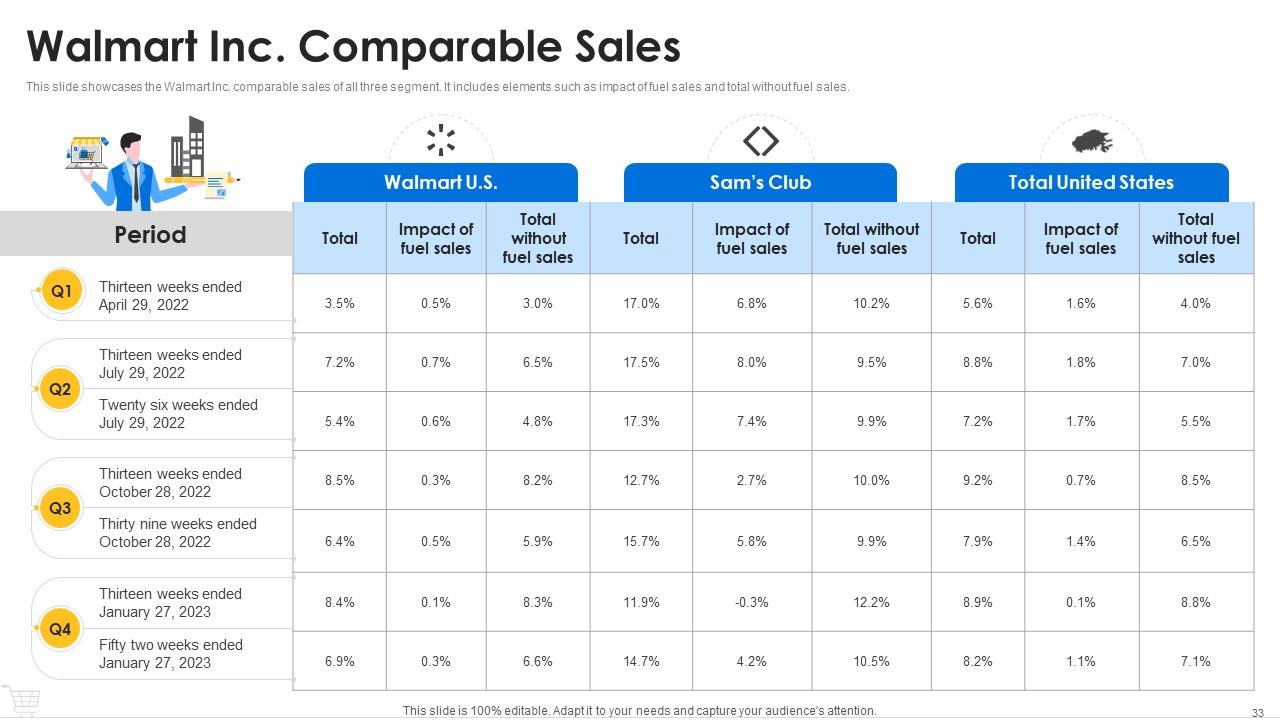
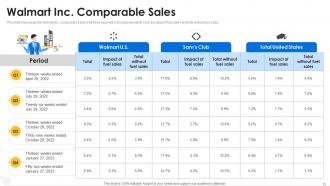
Slide 33: This slide showcases the Walmart Inc. comparable sales of all three segment. It includes elements such as impact of fuel sales and total without fuel sales.
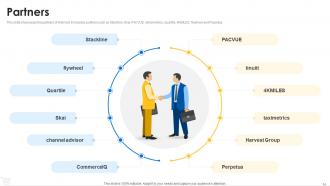
Slide 34: This slide showcases the partners of Walmart. It includes partners such as Stackline, Skai, PACVUE, teikametrics, Quartile, 4KMILES, flywheel and Perpetua.
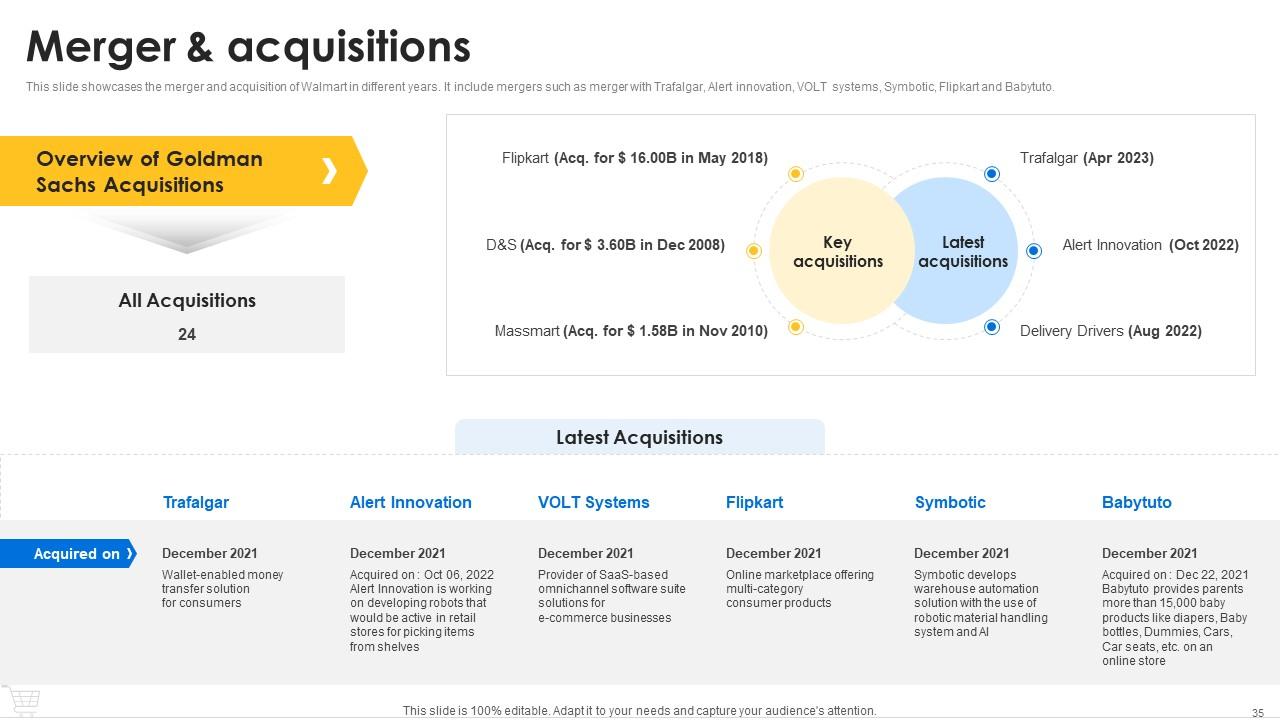
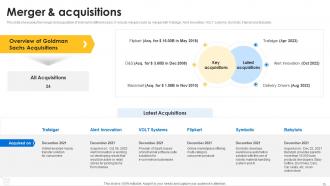
Slide 35: This slide showcases the merger and acquisition of Walmart in different years.
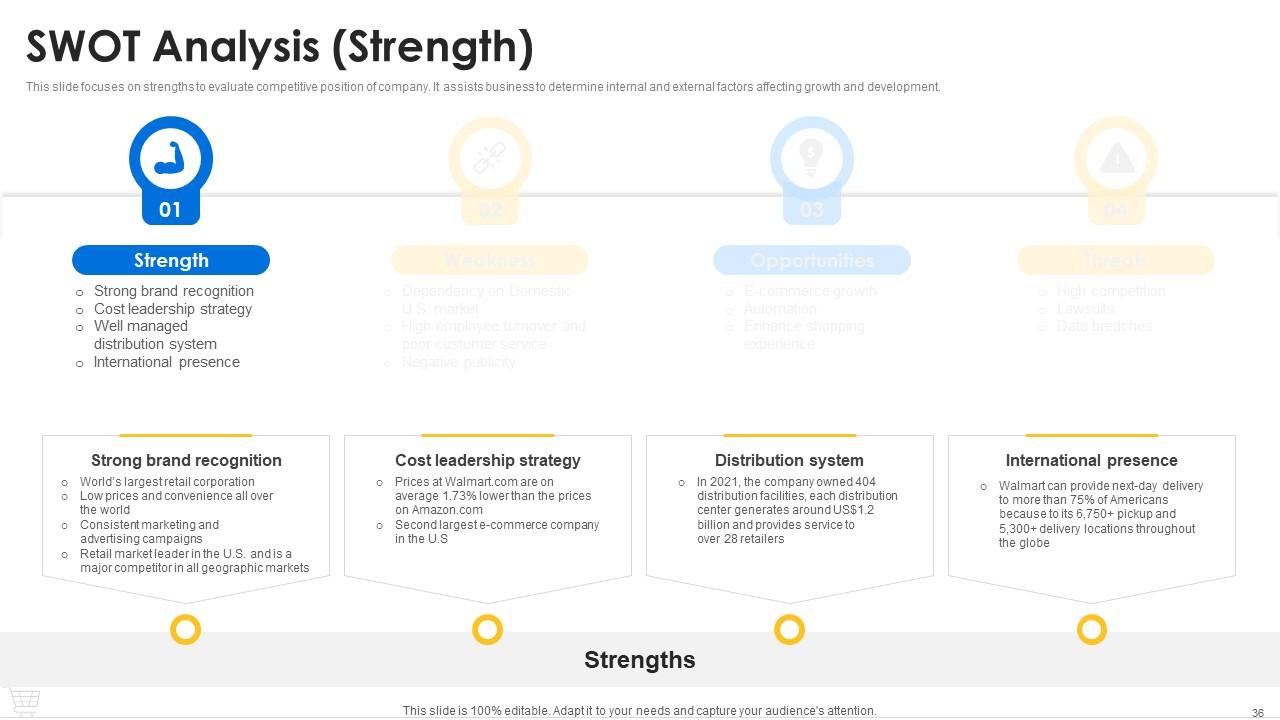
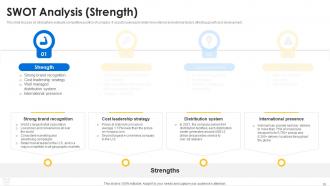
Slide 36: This slide focuses on strengths to evaluate competitive position of company.
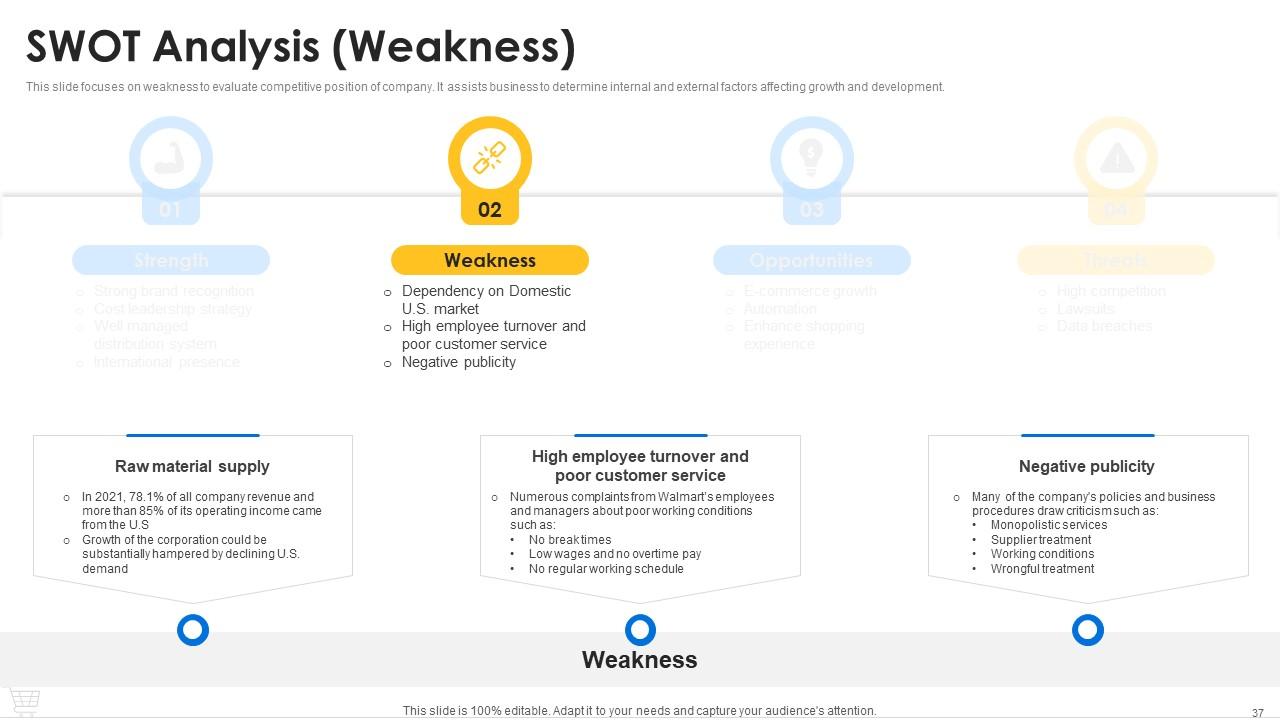
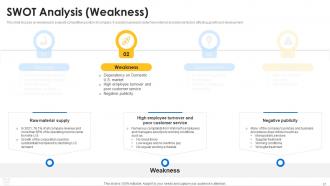
Slide 37: This slide focuses on weakness to evaluate competitive position of company.
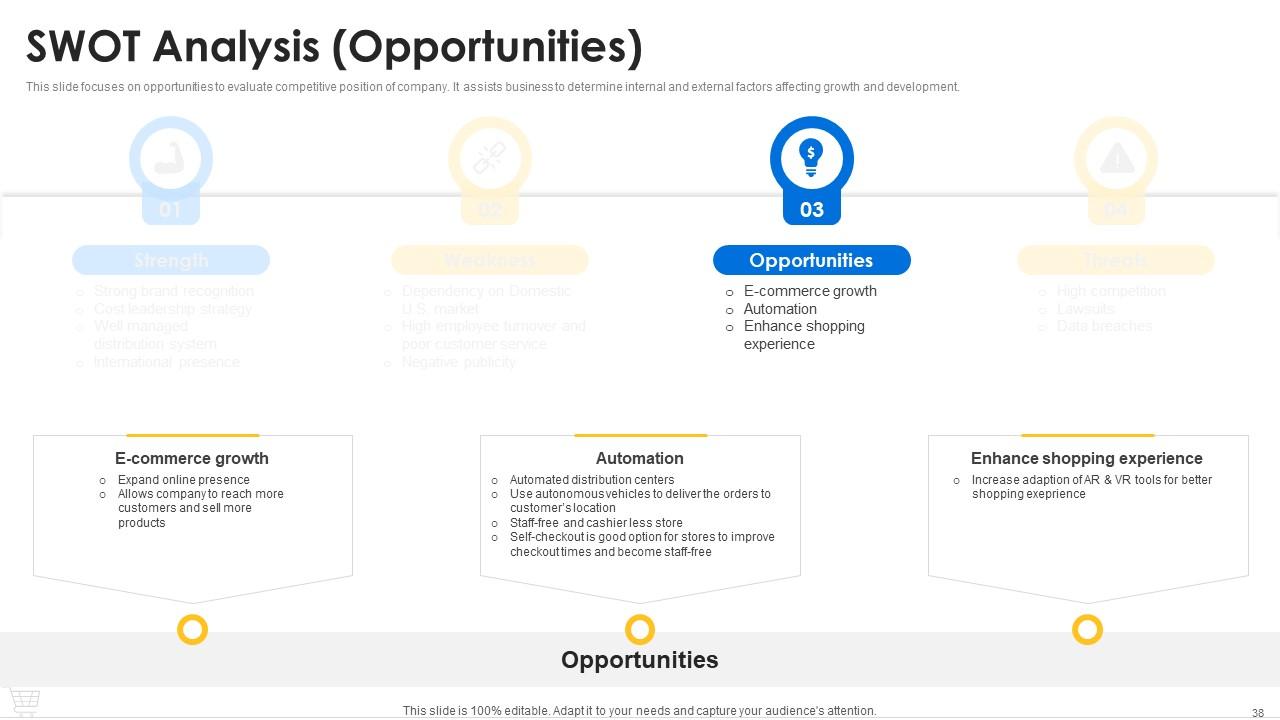
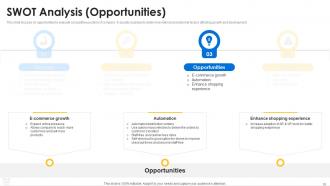
Slide 38: This slide focuses on opportunities to evaluate competitive position of company.
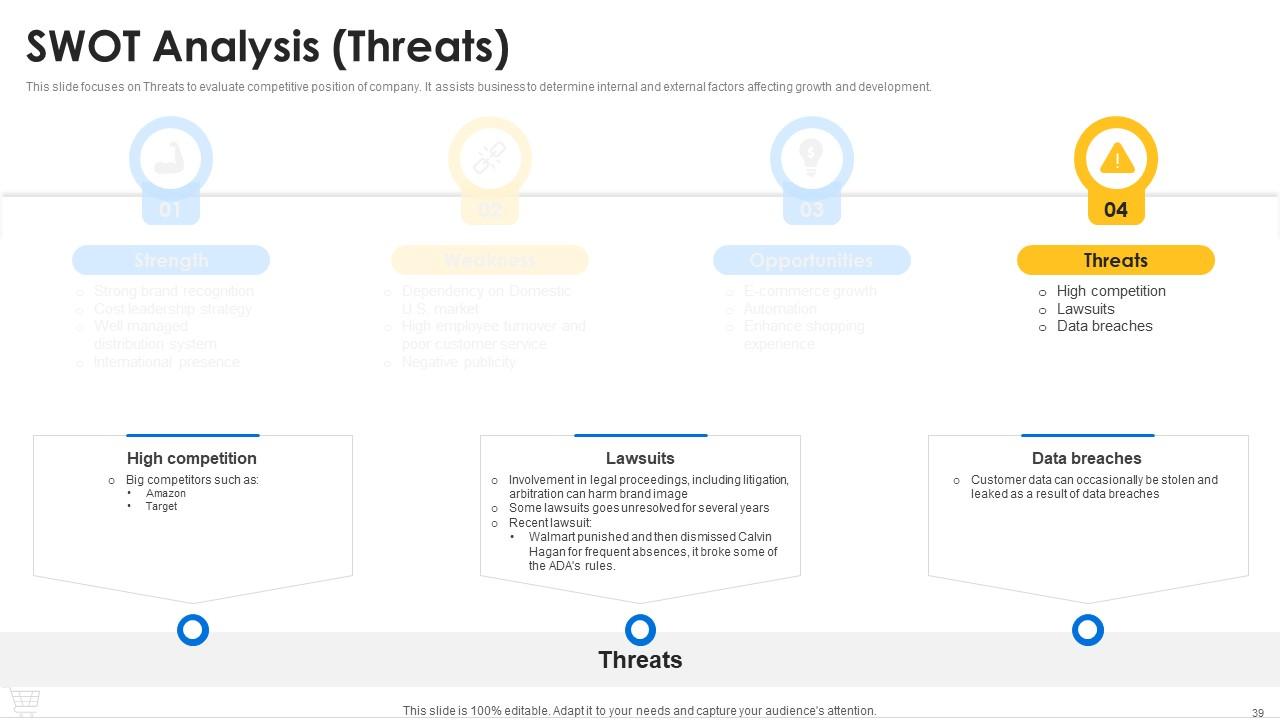
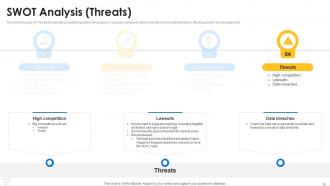
Slide 39: This slide focuses on Threats to evaluate competitive position of company.
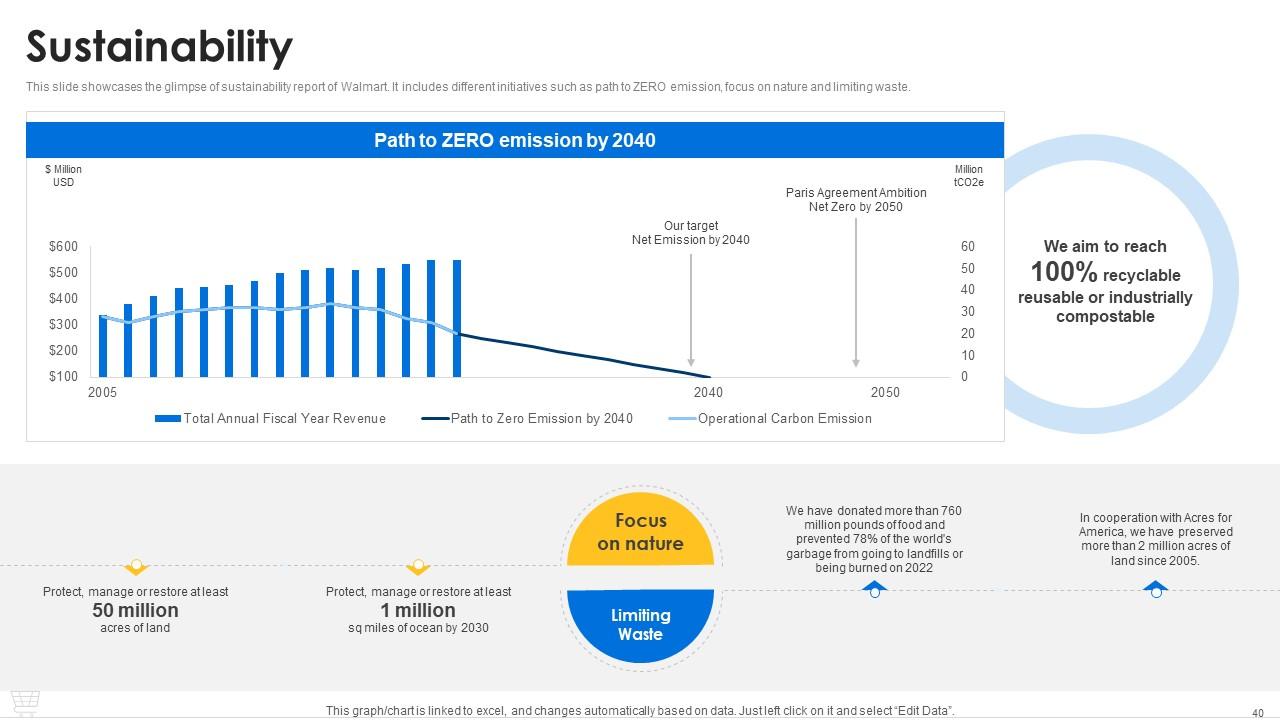
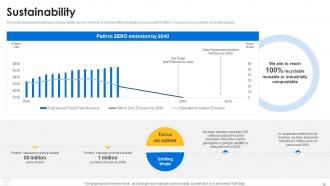
Slide 40: This slide showcases the glimpse of sustainability report of Walmart.
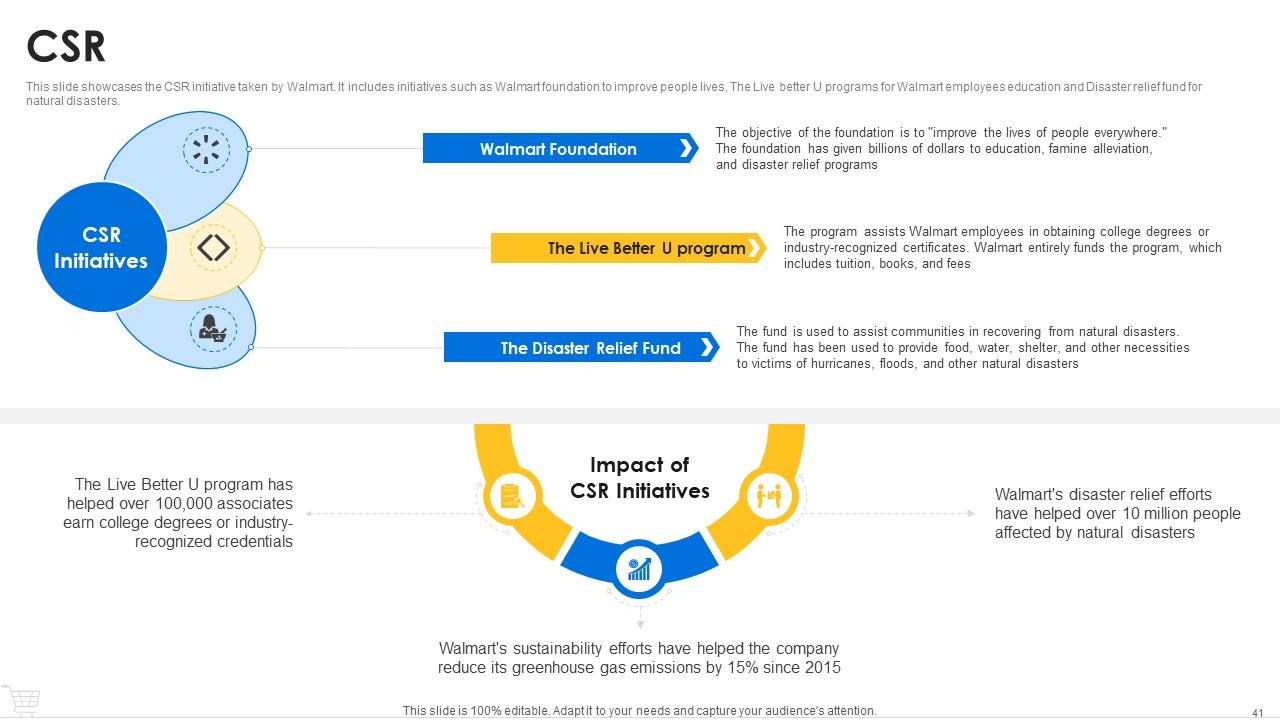
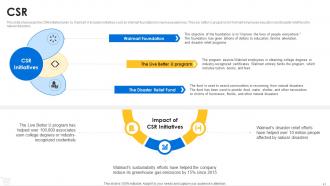
Slide 41: This slide showcases the CSR initiative taken by Walmart.
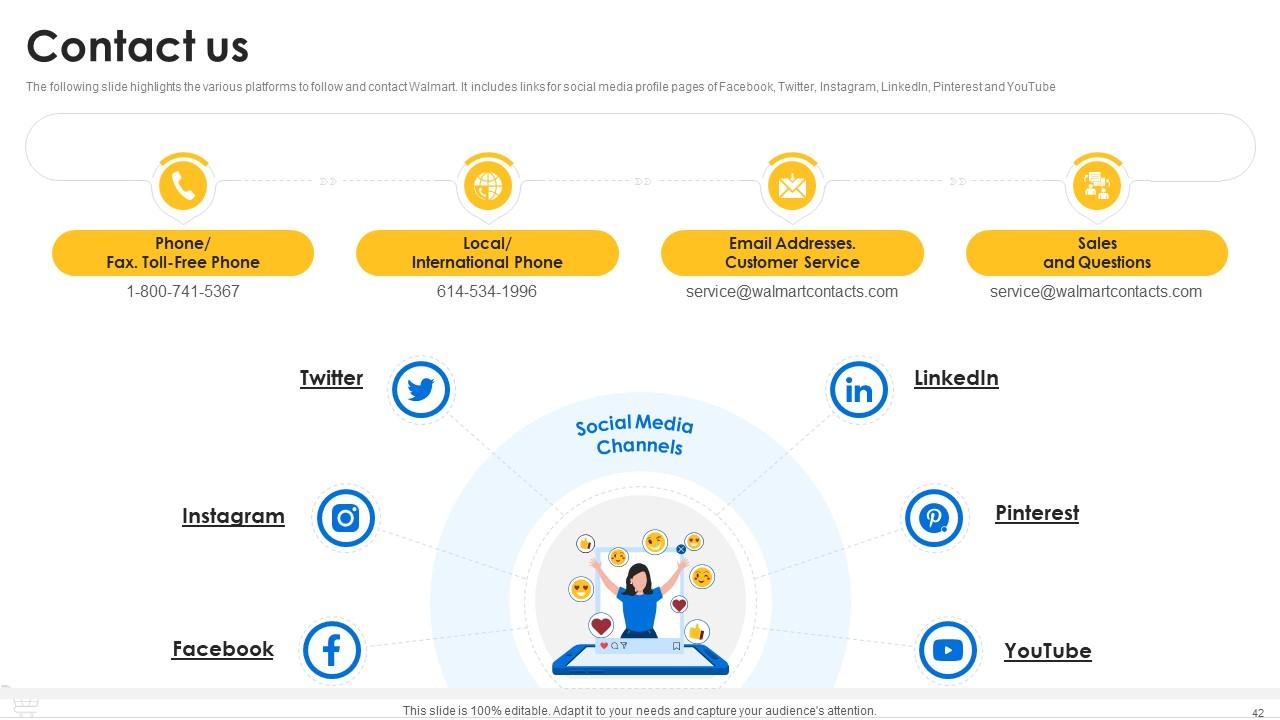
Slide 42: The following slide highlights the various platforms to follow and contact Walmart.
Slide 43: This slide shows all the icons included in the presentation.
Slide 44: This slide is titled as Additional Slides for moving forward.
Slide 45: This slide depicts Venn diagram with text boxes.
Slide 46: This slide displays Mind Map with related imagery.
Slide 47: This is Our Target slide. State your targets here.
Slide 48: This slide contains Puzzle with related icons and text.
Slide 49: This slide showcases Magnifying Glass to highlight, minute details, information, specifications etc.
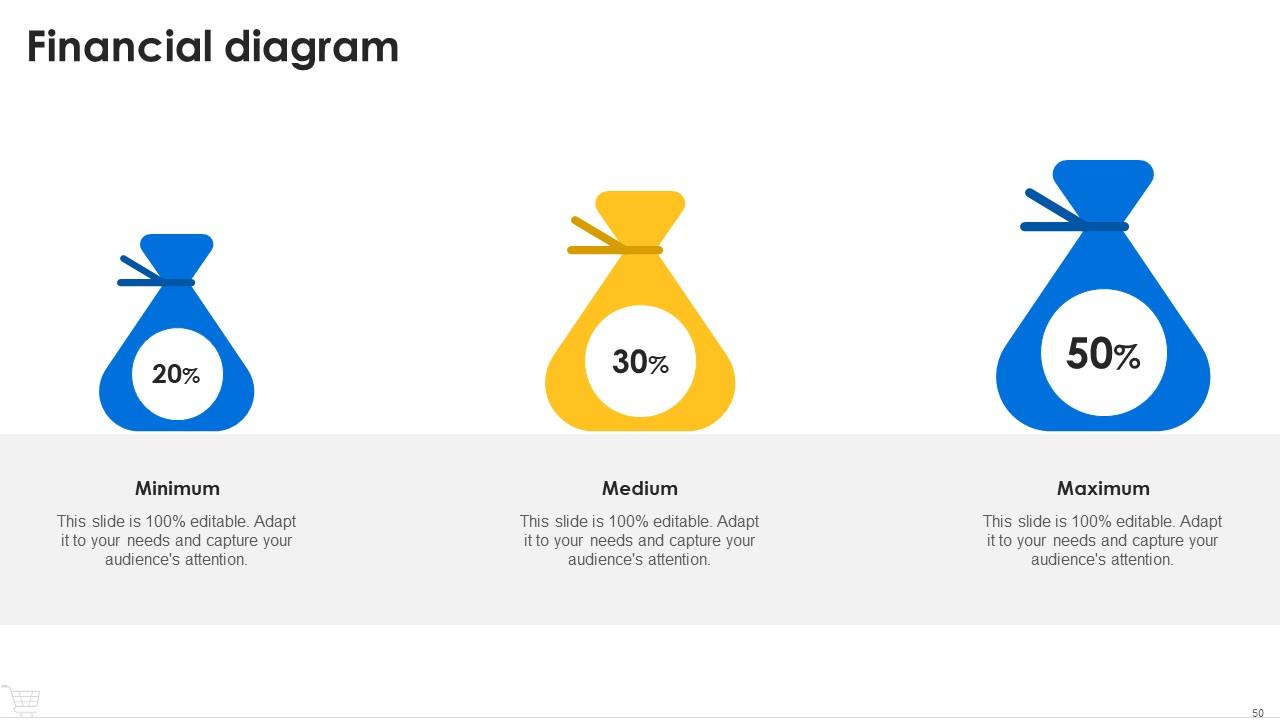
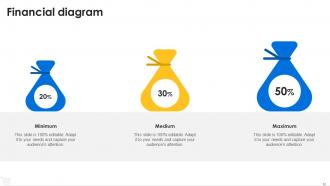
Slide 50: This is a financial slide. Show your finance related stuff here.
Slide 51: This is a Thank You slide with address, contact numbers and email address.
Walmart Company Profile Powerpoint Presentation Slides CP CD with all 60 slides:
Use our Walmart Company Profile Powerpoint Presentation Slides CP CD to effectively help you save your valuable time. They are readymade to fit into any presentation structure.
-
The templates you provide are great! They have saved me tons of time and made my presentations come alive. Thank you for this awesome product. Keep up the good work!
-
Informative design.
