


Unilever Company Profile Powerpoint Presentation Slides CP CD




Try Before you Buy Download Free Sample Product
 Impress Your
 Audience
 100%
100% Editable
 Save Hours
 of Time


A company profile provides an overview of the most critical points about an organization which helps the investors and stakeholders to evaluate the business value and performance. Check out our professionally designed Unilever Company Profile PowerPoint presentation. Firstly, the profile covers the executive summary, company introduction, business model, global presence, historical timelines, product portfolio, affiliated companies, employee base, cultural diversity, shareholding pattern, etc. Also, this profile shows the Board of Directors, key stats and figures, and revenue growth from 2018 to 2022. Moreover, this PowerPoint outlines business finances such as gross profit, operating profit, net profit, assets and liabilities, cash flow, etc. It also outlines the total deals done and deal value. Finally, this ppt illustrated business performance evaluation with competitor analysis and SWOT analysis. It further outlines the plan and SWOT analysis. Lastly, it shows sustainability facts and CSR activities. Download our 100 percentage editable and customizable template, which is also compatible with Google Slides.
People who downloaded this PowerPoint presentation also viewed the following :
Content of this Powerpoint Presentation
Slide 1: This slide showcase title Unilever Company Profile. State your Company name.
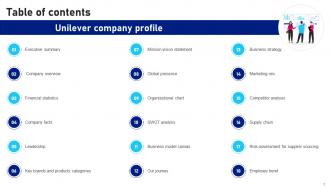
Slide 2: This slide exhibit Table of Content.
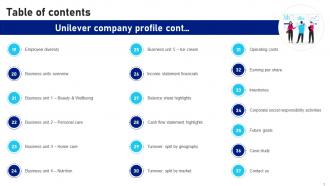
Slide 3: This slide exhibit Table of Content.
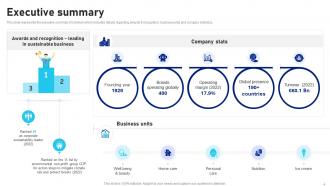
Slide 4: This slide represents the executive summary of Unilever which includes details regarding awards & recognition, business units and company statistics.
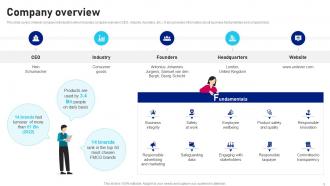
Slide 5: This slide covers Unilever company introduction which includes company overview (CEO, industry, founders, etc.).
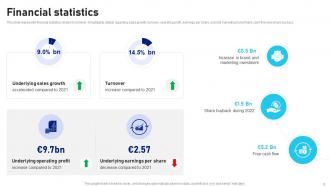
Slide 6: This slide represents financial statistics related to Unilever.
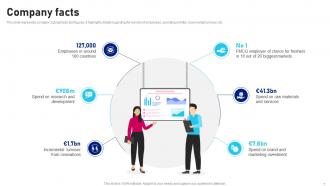
Slide 7: This slide represents company’s global facts and figures. It highlights details regarding the number of employees, spending on R&D, incremental turnover, etc.
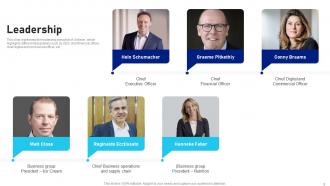
Slide 8: This slide represents the leadership executive of Unilever, which highlights different designations.
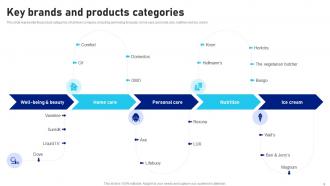
Slide 9: This slide represents the product categories of Unilever company, including well-being & beauty, home care, personal care, nutrition and ice cream.
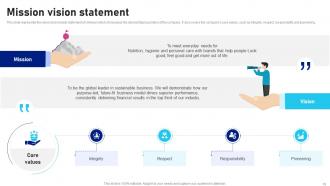
Slide 10: This slide represents the vision and mission statement of Unilever which showcases the desired future position of the company.
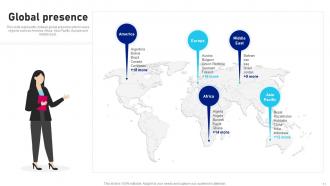
Slide 11: This slide represents Unilever global presence which covers regions such as America, Africa, Asia Pacific, Europe and Middle East.
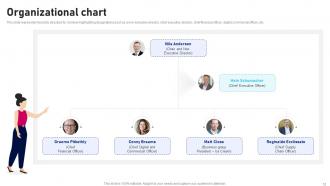
Slide 12: This slide represents hierarchy structure for Unilever highlighting designations.
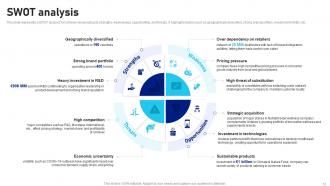
Slide 13: This slide represents a SWOT analysis for Unilever showcasing its strengths, weaknesses, opportunities, and threats.
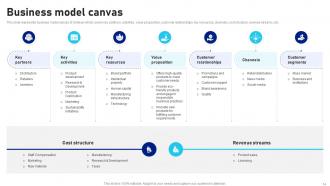
Slide 14: This slide represents business model canvas of Unilever which covers key partners, activities, value proposition, customer relationships, key resources.
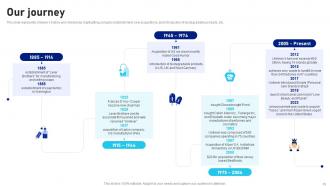
Slide 15: This slide represents Unilever’s history and milestones, highlighting company establishment, new acquisitions, and introduction of biodegradable products, etc.
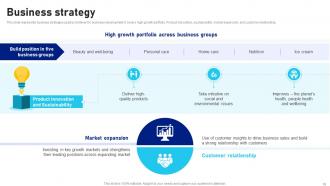
Slide 16: This slide represents business strategies used by Unilever for business development.
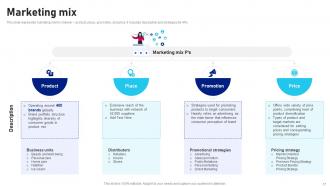
Slide 17: This slide represents marketing mix for Unilever – product, place, promotion, and price. It includes description and strategies for 4Ps.
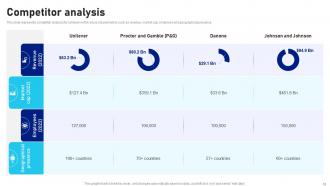
Slide 18: This slide represents competitor analysis for Unilever on the basis of parameters such as revenue, market cap, employee and geographical presence.
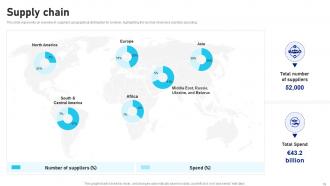
Slide 19: This slide represents an overview of suppliers' geographical distribution for Unilever, highlighting the number of vendors and total spending.
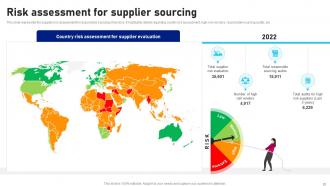
Slide 20: This slide represents the supplier risk assessment for responsible sourcing of vendors.
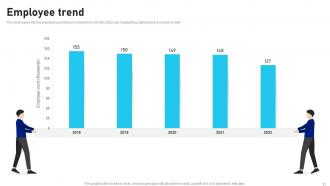
Slide 21: This slide represents the employee count trend of Unilever from 2018 to 2022 year highlighting slight decline in number of staff.
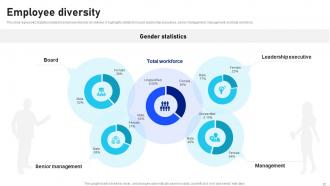
Slide 22: This slide represents statistics related to employee diversity at Unilever.
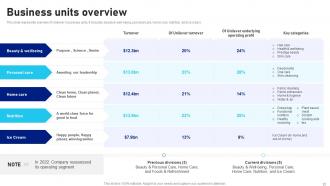
Slide 23: This slide represents overview of Unilever’s business units. It includes beauty & well-being, personal care, home care, nutrition, and ice cream.
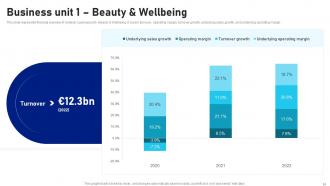
Slide 24: This slide represents financial overview of Unilever business unit – Beauty & Wellbeing.
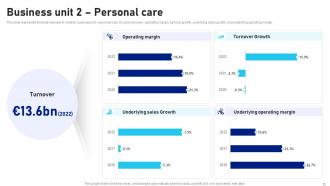
Slide 25: This slide represents financial overview of Unilever business unit – personal care.
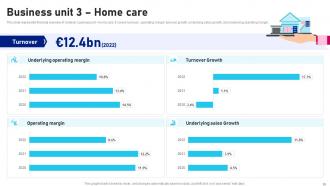
Slide 26: This slide represents financial overview of Unilever business unit – home care.
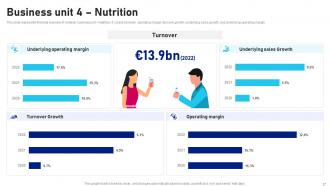
Slide 27: This slide represents financial overview of Unilever business unit – Nutrition.
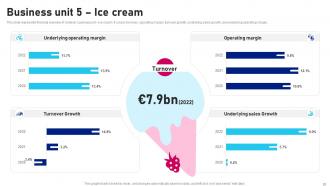
Slide 28: This slide represents financial overview of Unilever business unit – Ice cream.
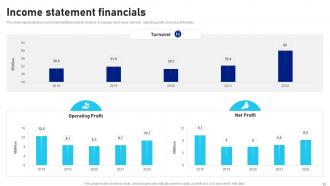
Slide 29: This slide represents the income statement financials for Unilever. It includes last 5 years’ turnover, operating profit, and net profit details.
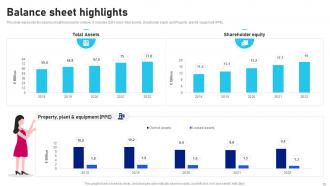
Slide 30: This slide represents the balance sheet financials for Unilever. It includes last 5 years’ total assets, shareholder equity, and Property, plant & equipment (PPE).
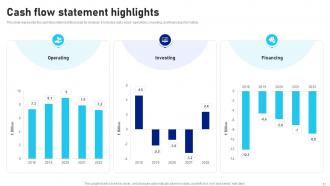
Slide 31: This slide represents the cash flow statement financials for Unilever.
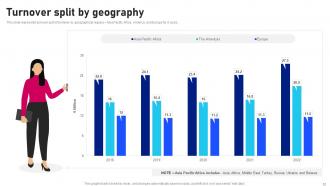
Slide 32: This slide represents turnover split of Unilever by geographical regions – Asia Pacific Africa, America, and Europe for 5 years.
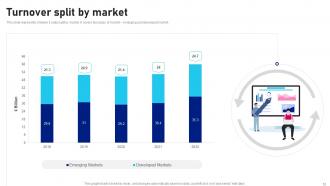
Slide 33: This slide represents Unilever’s sales split by market. It covers two types of market – emerging and developed market.
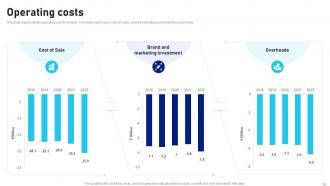
Slide 34: This slide represents the operating cost for Unilever. It includes last 5 years’ cost of sales, brand & marketing investment and overheads.
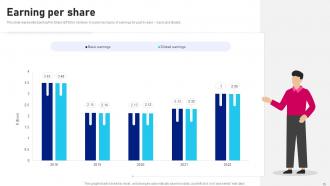
Slide 35: This slide represents Earning Per Share (EPS) for Unilever. It covers two types of earnings for past 5 years – basic and diluted.
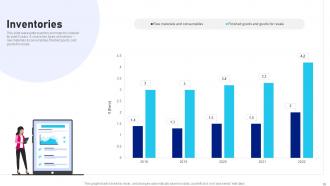
Slide 36: This slide represents inventory summary for Unilever for past 5 years.
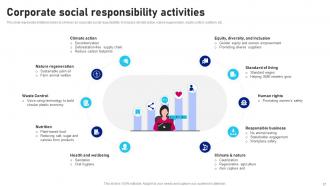
Slide 37: This slide represents initiatives taken by Unilever as corporate social responsibility.
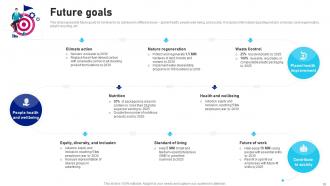
Slide 38: This slide represents future goals for Unilever to be achieved in different areas – planet health, people well-being, and society.
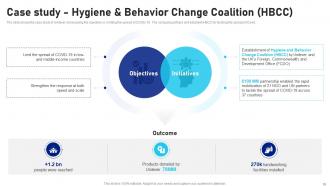
Slide 39: The slide shows the case study of Unilever showcasing the objective i.e. limiting the spread of COVID-19.
Slide 40: This is a Contact Us slide to show company's contact information.
Slide 41: This slide shows all the icons included in the presentation.
Slide 42: This slide is titled as Additional Slides for moving forward.
Slide 43: This slide shows Post It Notes for reminders and deadlines. Post your important notes here.
Slide 44: This slide presents Roadmap with additional textboxes. It can be used to present different series of events.
Slide 45: This slide depicts Venn diagram with text boxes.
Slide 46: This slide displays Mind Map with related imagery.
Slide 47: This is Our Target slide. State your targets here.
Slide 48: This is a Thank You slide with address, contact numbers and email address.
Unilever Company Profile Powerpoint Presentation Slides CP CD with all 56 slides:
Use our Unilever Company Profile Powerpoint Presentation Slides CP CD to effectively help you save your valuable time. They are readymade to fit into any presentation structure.








FAQs for Unilever Company Profile Powerpoint Presentation
So Unilever started back in 1929 - Dutch margarine company Margarine Unie merged with British soap makers Lever Brothers. Smart move during the Depression, honestly. Lever Brothers had been around since the 1880s making Sunlight soap (you've probably seen it). The Dutch guys brought their margarine know-how. Together they became this huge consumer goods company that could survive economic downturns way better than smaller players. Now they own like 400+ brands - everything from food to shampoo. If you need specifics for whatever you're working on, check their investor relations page.
So Unilever totally transformed their whole thing over the years. They went from owning literally everything - random chemicals, tons of food brands, you name it - to this focused sustainability play. Smart move honestly. Now they're all about personal care, home stuff, and foods that actually fit their "sustainable living" vibe. They've been dumping brands that don't match and picking up smaller companies with real purpose behind them. It's pretty strategic if you think about it - ditch the old legacy stuff that doesn't work anymore and double down on what people actually care about now.
Dude, Unilever owns SO many brands you probably don't even realize. Dove, Axe, Ben & Jerry's, Hellmann's, Lipton, Knorr - like over 400 total but those are the big ones. Next time you're at the store, seriously look for their little logo. You'll be shocked how much stuff they make - everything from shampoo to ice cream to soup mix. It's kinda crazy when you think about it. Oh, and if you need this for work stuff, they have a brand portfolio page that shows everything. Fair warning though, you might go down a rabbit hole looking at all of it!
So Unilever's whole thing is weaving sustainability right into their business model - not treating it like some afterthought. They call it their "Sustainable Living Plan" where they're trying to grow without trashing the environment more. Smart move, honestly. You'll see this philosophy in everything they do: supply chains, how they make products, even their marketing. Oh and they're super focused on cutting plastic waste and ethical sourcing. Their annual sustainability reports are actually worth reading if you're doing research - they don't sugarcoat the messy parts, which I respect.
So Unilever has this "Sustainable Living Plan" thing going on. They're basically trying to grow their business without trashing the planet more - plus boost social impact. Three main focus areas: health/wellbeing, cutting environmental damage, and improving livelihoods throughout their supply chain. Pretty wild goals too - 100% sustainable agricultural sourcing and net-zero emissions by 2039. What I think is smart though? They actually tie executive pay to hitting these targets, so people can't just ignore it. Oh, and definitely check their annual sustainability report if you want the nitty-gritty on how they track everything.
Unilever's strategy is honestly pretty smart - they cast this massive net globally instead of going niche. Families get hit with Dove and Knorr ads, young people see the personal care stuff everywhere. They're absolutely crushing it in emerging markets like Asia and Africa. What's cool though is how they adapt locally - German stores will have totally different products than what you'd find in India, even under the same brand. Makes sense when you think about it, since everyone needs soap and food regardless of where they live. Their whole thing is keeping that global brand recognition while tweaking everything for local tastes and needs.
So Unilever's got these R&D centers all over the world, plus they team up with startups and universities for new product development. They're really into sustainability stuff - plastic-free packaging, waterless products, that kind of thing. Get this - they drop about €1 billion on R&D every year, which is honestly insane. They also dig into consumer data to spot market gaps before competitors do. Oh, and they have this Open Innovation platform where they basically crowdsource ideas from outside partners. Pretty smart if you ask me. Worth checking out if you're looking for inspiration on innovation strategies.
Honestly, Unilever's in a tough spot right now. They're getting squeezed by P&G on one side and these nimble local brands on the other - those smaller guys can pivot way faster. Consumers actually give a damn about sustainability now (thank god), but that costs money. Meanwhile inflation's killing their margins and they can't jack up prices without losing customers. The whole e-commerce thing is tricky too. They need those direct sales but can't piss off Walmart and Target. Oh, and watch how they handle emerging markets - that's where the real growth is, but you gotta nail the pricing.
Unilever's got this down to a science - they keep their core brand but totally adapt everything else for local markets. In India they're all about family and keeping prices low. Nordic countries? They push the sustainability angle hard since that's what sells there. Smart move using local influencers too instead of just copying their Western campaigns (some brands still mess this up honestly). Product formulations even change based on what people actually want. It's wild how they pull off staying consistent globally while feeling completely local. Definitely worth studying if you're into marketing strategy stuff.
So Unilever's basically going all-in on tech for their supply chain. They've got AI doing demand forecasting, IoT sensors tracking stuff in real-time across their whole network. Smart move, honestly. Blockchain's helping them stay transparent about sustainability - which is huge for their environmental targets. The predictive analytics thing is pretty cool too, lets them spot problems before they actually hit. Oh, and definitely look into their Connected 4 Growth program if you need examples. It's like a perfect case study for this stuff. Data analytics is everywhere in their operations now.
Yeah so Unilever's going hard on the wellness thing right now. They're cutting sugar and salt from Knorr, Ben & Jerry's, all that stuff. Plus launching way more plant-based products with natural ingredients. Oh and they bought Seventh Generation which was actually pretty clever for the clean living crowd. The whole strategy is basically "healthier but still tastes good and easy to use" - which honestly makes sense since that's what everyone wants now. If you're following this space, check their quarterly reports. They actually break down which wellness stuff is making money vs just looking good for PR.
Oh Unilever's pretty smart about this actually. They go hard on the social impact stuff first - like Dove's body positivity campaigns or Ben & Jerry's political activism. Millennials and Gen Z eat that up way more than regular product ads. Most of their marketing happens on TikTok and Instagram now, working with influencers who genuinely match their vibe. They've also grabbed some direct-to-consumer brands like Dollar Shave Club for that personal touch. The sustainability angle is huge too since younger people actually give a damn about the environment. Smart move honestly.
Honestly, Unilever's pretty solid on this stuff. They set actual targets for gender balance and ethnic diversity at every level, plus they're transparent about pay equity - which most companies won't touch. Employee resource groups, bias training, the whole deal. What's cool is their "Unstereotype" thing where they try to make their ads less cringey too. Check their annual diversity report if you're thinking about working there. It shows where they're crushing it and where they're still figuring things out. Way better than companies that just talk a good game.
Dude, Unilever partners with literally everyone. Google for AI stuff, suppliers like Olam for sustainable sourcing, plus a bunch of NGOs on environmental projects. They're also crazy aggressive with acquisitions - grabbed Dollar Shave Club and Ben & Jerry's to diversify. Oh, and they have their own VC arm working with startups. Honestly think they just hate building things in-house lol. The smart thing they do is use all these partnerships to jump into new markets super fast instead of starting from zero. Way more efficient than trying to do everything yourself.
So Unilever has this "Compass" strategy thing that tracks all their environmental stuff - carbon emissions, water use, waste, where they source materials, the works. They're actually pretty transparent about it, which is refreshing honestly. Every year they put out these detailed reports showing how each brand and region is doing. Not gonna lie, they don't sugarcoat when they're missing targets either. Their corporate site has all the real data if you want to dig into the numbers for ESG research or whatever.
-
I was able to find the right choice of PPT template for my thesis with SlideTeam. Thank you for existing.
-
Innovative and creative templates with high-quality designs. Helped me with my presentation as the slides were easy to edit.