


Automation Roadmap Analyze Requirement Marketing Automation





Try Before you Buy Download Free Sample Product
 Impress Your
 Audience
 100%
100% Editable
 Save Hours
 of Time


Our Automation Roadmap Analyze Requirement Marketing Automation are effective for any enhancement. They enable change for the better.
People who downloaded this PowerPoint presentation also viewed the following :
Automation Roadmap Analyze Requirement Marketing Automation with all 10 slides:
Get that exact fit with our Automation Roadmap Analyze Requirement Marketing Automation. Depict your thoughts in an exemplary fashion.

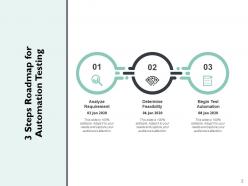
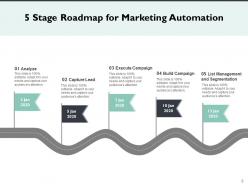
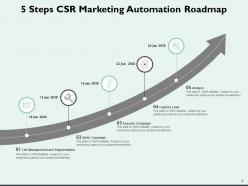
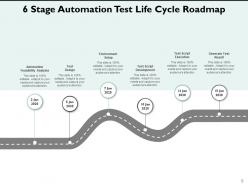

FAQs for Automation Roadmap Analyze
Dude, marketing automation is seriously worth it. You'll save so much time on follow-ups that used to slip through the cracks. Set up email sequences that run themselves - welcome series, abandoned cart reminders, that kind of stuff. The targeting gets way better too since you can segment people based on what they actually do on your site. I was skeptical at first, but our conversion rates jumped like 30%. Don't go crazy though - start with the basics and add more later. My team's only three people so we needed something that wouldn't eat up our whole day.
Honestly, marketing automation makes customer segmentation so much easier than doing everything by hand. Instead of just grouping people as "new customers," you can get super specific - like targeting people who bought your main product but haven't opened an email in a month. It updates automatically too, which is a lifesaver because I used to forget to refresh my lists constantly. You can segment by literally anything you track: what they bought, how they engage, email behavior, whatever. My advice? Pick 3-4 customer behaviors that actually move the needle for your business and build your automated segments around those first.
Honestly, start with the basics - email campaigns, lead scoring, and solid CRM integration. Drag-and-drop builders are a lifesaver since who wants to mess with code? Multi-channel stuff is huge too. You gotta hit people everywhere - email, social, SMS, the works. Don't get sucked into platforms with flashy dashboards that only show meaningless numbers. Real analytics matter. A/B testing and segmentation aren't optional either. Here's what I'd do: write down what's currently driving you crazy, then only demo tools that fix those specific problems. Trust me, you'll waste hours playing with bells and whistles you'll never actually need.
So marketing automation is basically your best friend when you're swamped. Set up email sequences that fire off automatically based on what people do - like if someone grabs your whitepaper, they'll get case studies next without you lifting a finger. Map out your customer's journey first (this part's kinda tedious but worth it). Then build different sequences for each stage. The timing and relevance keeps you front-of-mind way better than those mass emails everyone ignores. Honestly, once you get it running, you'll wonder how you survived without it.
So AI basically makes your marketing automation way less robotic. Instead of those generic mass emails everyone hates, you can actually predict what people want before they even know it. The AI digs through purchase history, browsing habits, all that stuff - then automatically creates segments and personalizes everything at scale. Wild how spot-on it gets, honestly. You can also use it for lead scoring and figuring out the perfect send times. Even writes subject lines that don't suck. I'd say start with just one AI feature in whatever platform you're using and A/B test it against your usual campaigns.
Check if your CRM and marketing tools already talk to each other first - most do nowadays. HubSpot connects to Salesforce pretty easily, same with Mailchimp and Pipedrive. You'll need API keys or whatever authentication stuff they ask for. Takes maybe 20 minutes if you've got admin access to both systems. Honestly, it's way easier than I thought it'd be the first time I did it. Once it's running, leads from your campaigns automatically drop into your sales pipeline. Only mess with Zapier or other connectors if there's no direct integration available.
Honestly, the main issues are usually messy data, pushback from your team, and expecting results way too fast. Sales and marketing people freak out thinking they'll get replaced - which is dumb because automation just handles the boring stuff. Oh, and your customer data is probably way messier than you think it is right now. People want instant magic but it actually takes months to dial everything in properly. My advice? Pick one super simple workflow to start with. Clean up your data first - trust me on this one. Get everyone involved in planning so they don't hate the whole thing from day one.
So basically you use customer data to set up automatic messages that fire based on what people actually do on your site. Cart abandoners get one type of email, new blog readers get something totally different - you know? Way better than trying to manually send stuff to everyone (which would be insane anyway). The trick is splitting your audience into groups first, then building those automated flows. Honestly, most people skip the testing part but that's where you figure out what actually works for each group. It's like having a really organized assistant who never sleeps.
Honestly, I'd start with the big three: open rates, click-through rates, and conversions. Those tell you if people actually care about your emails or just ignore them completely. Lead scoring is clutch too - shows whether you're moving people closer to buying or just annoying them. Oh, and watch those unsubscribe rates like a hawk because nobody wants to be THAT brand everyone blocks. Revenue attribution matters most though - which sequences actually make you money? I always forget to check campaign ROI but you'll need it to prove this stuff works. Don't try tracking everything at once, just pick 3-4 metrics that actually move the needle for your business.
So marketing automation is pretty sweet - you can run campaigns across email, social, web, and SMS all from one place instead of switching between like 5 different tools. Set up sequences that trigger automatically when people hit certain actions. Someone downloads your whitepaper? Boom, follow-up email goes out, then maybe a targeted social ad hits them in 3 days. Honestly changed everything for me in terms of staying consistent. I'd map out your customer journey first, then build workflows around those key moments. Oh and definitely start with just one simple sequence - don't go crazy right away.
First thing - map out your customer journey so you know exactly when people should enter your workflow. Focus each sequence on just one goal, like nurturing or onboarding. I've seen too many people create these massive workflows that try to do everything and it's a mess honestly. Personalize beyond just names - segment by behavior or buying stage. Test your timing constantly because frequency matters a lot. Oh, and definitely set exit criteria so people don't get trapped forever in your emails. Run yourself through it first to catch any weird hiccups!
Look, first thing - always get people's permission before grabbing their data. Don't collect everything just because you can, only what you actually need. GDPR fines are insane, like seriously expensive. Make opting out dead simple and set your systems to automatically handle unsubscribe requests fast. People hate when that stuff takes forever. You'll want to audit things regularly too. Oh, and be upfront about what you're doing with their info - nobody likes feeling tricked. Give them control and you'll avoid most headaches.
Okay so three things that actually matter for automated posts. Don't blast the same content everywhere - LinkedIn people aren't scrolling like TikTok users, you know? Time your posts when your audience is actually online, not just whenever. Add stuff that makes people want to respond - polls work great for this. Oh and here's what really helped me: auto-reply to basic comments but personally jump into the meaty conversations. Look at your current posts first though. Which ones are getting actual engagement vs just sitting there looking sad?
So marketing automation basically gives you live updates on how everything's performing - open rates, clicks, conversions, all that stuff shows up in real-time dashboards. Way better than waiting around for manual reports or dealing with endless spreadsheets (honestly those were the worst). You can even set alerts when your metrics hit certain numbers, which is pretty clutch for catching problems early. Oh, and when you're starting out? Just pick your top 3-4 KPIs first and automate daily or weekly reports for those. Don't try to track everything at once - you'll go crazy.
Look at HubSpot - they basically used their own platform to grow from nothing to a billion-dollar company with lead nurturing workflows. Pretty smart, right? Sephora's Beauty Insider program is genius too, sending automated messages based on what you actually buy. Philips saw a 300% jump in qualified leads using personalized email sequences for different buyer types. Even old-school manufacturers like Caterpillar are crushing it with automated lead scoring. I'd start by checking out what companies in your space are doing first, then steal ideas from other industries and adapt them.
No Reviews