

Présentation PowerPoint sur la technologie de la blockchain




Try Before you Buy Download Free Sample Product
 Impress Your
Audience
 100%
Editable
 Save Hours
of Time


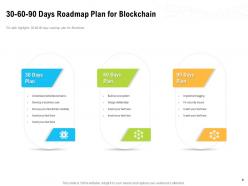
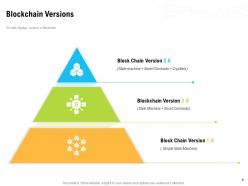
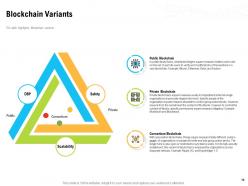
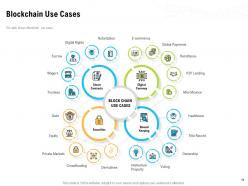
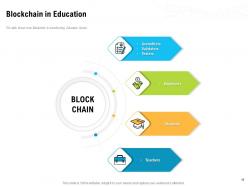
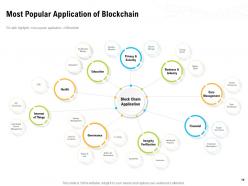
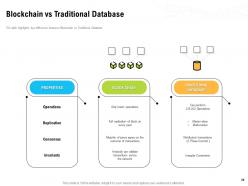
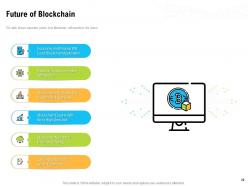
Présentation PowerPoint sur la technologie Blockchain. Cette présentation facilement disponible comprend divers modèles décrivant la vue d'ensemble de la blockchain, l'architecture de la blockchain, le fonctionnement de la blockchain, un plan de route de 30 à 90 jours pour la blockchain, les versions et variantes de la blockchain, les cas d'utilisation, etc. Utilisez l'assistance d'un diaporama PowerPoint sur la transformation numérique de la blockchain pour dépeindre les facteurs importants de la blockchain qui transforment les entreprises. Les diapositives mettent également en évidence la version de la blockchain et les variantes de la blockchain. Présentez l'utilisation de la blockchain dans la gestion de la chaîne d'approvisionnement à l'aide de notre jeu de diapositives technologie blockchain PPT conçu de manière professionnelle. Cette présentation Internet sur la blockchain facilement disponible aborde également la manière dont la blockchain transforme le secteur de la vente au détail. L'utilisation de la blockchain dans les soins de santé, l'éducation, la banque, le commerce électronique, etc. peut également être abordée. Il couvre également les applications les plus populaires de la blockchain. Familiarisez votre public avec les différences entre la blockchain et les bases de données traditionnelles. Informez également vos utilisateurs sur les limites de la technologie blockchain et l'avenir de la blockchain en téléchargeant facilement notre jeu de diapositives PPT sur la stratégie de l'entreprise numérique.
People who downloaded this PowerPoint presentation also viewed the following :
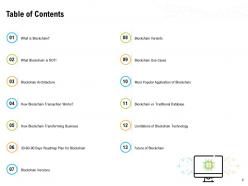
Contenu de cette présentation Powerpoint
À un moment donné de notre vie, nous avons tous envié nos ancêtres. Nous nous sommes demandé à quel point ce serait bien de vivre à une époque où la vie n'était jamais compliquée et où aucun terme sophistiqué n'était utilisé. À l'époque, une maison ne coûtait peut-être que deux cailloux et un sac de pierres. Simple et sans complication.
Depuis l'avènement du système de troc et de l'argent, la qualité de vie des gens n'a cessé d'augmenter. Il y avait de l'inflation, mais les gens amélioraient toujours leurs conditions de vie. Le progrès vient avec la révolution ; avec de nouvelles inventions et technologies, nous n'avons plus besoin de remplir un formulaire et de déposer de l'argent sur nos comptes, car de multiples moyens ont évolué au fil du temps. L'une de ces inventions qui menace de changer la donne dans les services financiers est la blockchain.
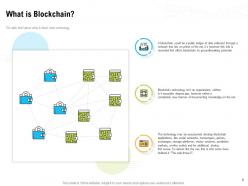
En une ligne, la technologie blockchain est un grand livre numérique décentralisé et sécurisé. Pour la simplifier, c'est une page de comptes où nous écrivons tout ce qui se passe, et tout le monde peut la lire et être d'accord avec ce qui est écrit.
Consultez nos autres modèles intitulés 'Blockchain Gaming Technology One Pager Theme' et 'Blockchain Technology IT Powerpoint Presentation slides' pour comprendre la technologie et ses nombreuses applications et manifestations.
Pour tous ceux qui envisagent de l'intégrer à leur entreprise, cette diapositive est faite pour vous. Lisez-la, gardez vos cahiers à côté, et n'oubliez pas de télécharger ce deck, où chaque deck est 100% modifiable et personnalisable.
Explorons !
Blockchain technology Présentation PowerPoint avec 31 diapositives
Utilisez nos diapositives de présentation PowerPoint sur la technologie Blockchain pour vous faire gagner un temps précieux. Elles sont prêtes à s'intégrer dans n'importe quelle structure de présentation.




FAQs for Blockchain technology ppt presentation
So blockchain breaks down into a few key pieces. Blocks store all the transaction data, then cryptographic hashes link everything together in this chain. There's a whole distributed network of nodes validating stuff too. Proof-of-work keeps everyone honest, but man, it burns through energy like crazy. Once something gets recorded on that ledger, you can't go back and edit it like a normal database - it's permanent. Start with understanding how those hashes create the actual "chain" connection though, that's where it clicked for me. The rest makes way more sense after that.
Oh, so blockchain basically spreads your data across tons of computers instead of keeping it all in one place. Hackers can't just hit one target anymore - they'd have to compromise like hundreds of nodes simultaneously, which is pretty much impossible. Each piece of data gets cryptographically linked to the previous one too. Honestly, I think it's one of the coolest security innovations we've seen. If someone tries tampering with old records, the whole network spots it immediately. It's kinda like having a public notebook that everyone can read but nobody can secretly scribble in. Worth checking out if you're dealing with really sensitive stuff.
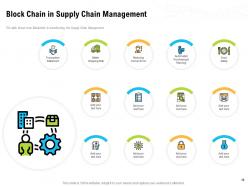
So blockchain basically creates this permanent record of every single handoff in your supply chain - pretty cool actually. You can track stuff from raw materials all the way to delivery, which is clutch for quality control. Food and pharma companies are obsessed with this right now because they need that traceability. Smart contracts handle payments and compliance automatically too, so less waiting around and fewer screwups. Everyone's working off the same data, so no more "I never got that shipment" arguments. Honestly? Just figure out what's breaking in your supply chain first - that's where you'll see the biggest wins with this tech.
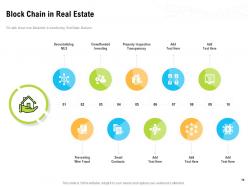
Honestly, blockchain's way more useful than just crypto. Supply chain tracking is huge - you can follow a product from factory to store shelf. Smart contracts are pretty neat too, they just execute automatically when conditions hit. Digital identity stuff, healthcare records, voting systems - anywhere you need transparency without someone screwing with the data. What's cool is cutting out middlemen who you'd normally have to trust. Oh, and real estate transactions are starting to use it. If you're thinking about your industry, look for processes where multiple people need to verify the same info. That's usually where it shines.
Smart contracts are programs that run themselves when certain conditions hit. Picture a vending machine - you pay, it checks everything's good, then boom, you get your snack without dealing with anyone. They live on the blockchain and can't be messed with once they're up there. No middlemen needed for tons of stuff, which is pretty sweet. Honestly, the best way to get it is looking at real examples on Ethereum rather than just theory. Actually seeing the code makes way more sense - I was confused until I did that myself.
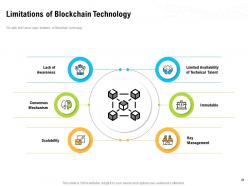
Honestly, blockchain adoption is pretty messy right now. Scalability sucks, costs are insane, and nobody knows what regulators will do next. Good luck finding developers who actually know this stuff - the talent pool is tiny. Integration with your current systems? Total headache. Energy usage is brutal too, especially with proof-of-work. The tech changes so fast that whatever you build might be obsolete in six months, which is kind of terrifying. Smart contract security issues keep me up at night. Start small though - pick one area for a pilot instead of going all-in. Way less risky.
So blockchain platforms basically have totally different ways of agreeing on which transactions are legit. Bitcoin does that proof-of-work thing where miners race to solve math puzzles - burns through crazy amounts of energy though. Ethereum actually switched to proof-of-stake, so you validate transactions based on what you've put up as collateral. Hyperledger goes with practical Byzantine fault tolerance since it's more for business stuff. There's also newer experiments with proof-of-authority and delegated proof-of-stake. The consensus method really determines how fast, green, and decentralized your network ends up being.
So basically, decentralization spreads everything across tons of computers instead of one company controlling it all. Makes it way harder to hack or mess with. Your bank can freeze your account whenever they want, but with decentralized blockchain? Not happening. Trade-off is it's slower and uses more energy - kinda annoying honestly. But thousands of nodes validating stuff means way better security. Just make sure you check how decentralized something actually is before jumping in. Some projects talk big but aren't really that decentralized.
So blockchain basically makes a permanent record that can't be changed after the fact. Think of it like having a receipt for everything that nobody can fake or mess with later. Pretty useful for tracking stuff through supply chains or keeping medical records straight. Everyone gets to see the same info, which is where the transparency part comes in. Honestly, the best way to figure out if you need it is just look at your work processes - find the one where you're always wondering "wait, what actually happened here?" That's probably your answer right there.
So basically the big problem is energy use - Bitcoin mining burns through insane amounts of electricity. Like, we're talking entire countries here, which obviously means more coal plants and carbon emissions. Plus all the hardware creates tons of e-waste since miners are constantly upgrading their rigs. Honestly it's pretty nuts when you think about it. But some newer chains like Ethereum switched to "proof-of-stake" which uses way less power. If you're checking out any blockchain stuff, just look up what consensus mechanism they use first - makes a massive difference environmentally.
Yeah so the main thing holding blockchain back is honestly just speed. Bitcoin only does like 7 transactions per second, Ethereum maybe 15 - meanwhile Visa's crushing thousands. When things get busy, fees go crazy high and everything slows down. I mean, who wants to pay $50 to buy a coffee, right? That's why most companies won't touch it yet. But there's some cool stuff coming - layer-2 networks and sharding that should help. Still early days though. If you're thinking about using blockchain for something, I'd definitely wait to see how these solutions pan out first.
Dude, it's honestly a mess right now. The US can't even decide what crypto IS - SEC says securities, CFTC says commodities. Meanwhile China just banned everything while El Salvador went full Bitcoin. The EU actually got their act together with MiCA rules though. If you're thinking business stuff, you'll hit AML compliance, taxes, and securities laws if it smells like investment products. Oh and regulations change like every month so that's fun. Definitely talk to a lawyer who knows this space before doing anything major - I learned that one the hard way.
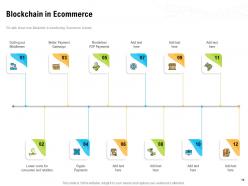
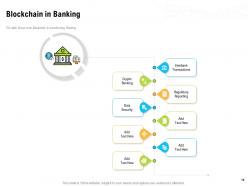
So blockchain's basically cutting out all those middleman fees in finance. Cross-border payments are getting way faster since you don't need three different banks verifying everything - the ledger handles it automatically. Banks are kinda freaking out because their whole fee model is threatened, but they're also trying to use it for trade stuff and identity checks. Creates this permanent record that can't be messed with, which is pretty cool. Honestly, if you're thinking about finance careers, you should probably check out how DeFi platforms work. That's where everything's headed anyway.
So blockchain lets you own your digital identity instead of Facebook or whoever deciding who you are. Your credentials and personal data live on this decentralized network that you actually control - which honestly feels like how the internet should've worked from the start. No more getting locked out when some platform randomly changes their terms. You can prove you're you across different services without handing over tons of personal info every single time. For your work stuff, think about how much easier customer onboarding could be, or how it'd cut down on identity fraud.
So basically blockchain lets customers verify your claims themselves instead of just taking your word for it. Think of it like showing your work in math - they can trace everything back. Smart contracts handle agreements automatically, no "trust us, we'll get back to you" nonsense. Works best for stuff where authenticity really matters - food, luxury items, that kind of thing. Honestly, finance too but that's more complex. I'd start simple though. Pick one product line and add QR codes so people can see the whole journey from start to finish.
-
good
-
Unique and attractive product design.
-
Graphics are very appealing to eyes.
-
Colors used are bright and distinctive.
-
Use of different colors is good. It's simple and attractive.
-
Colors used are bright and distinctive.
-
Top Quality presentations that are easily editable.