


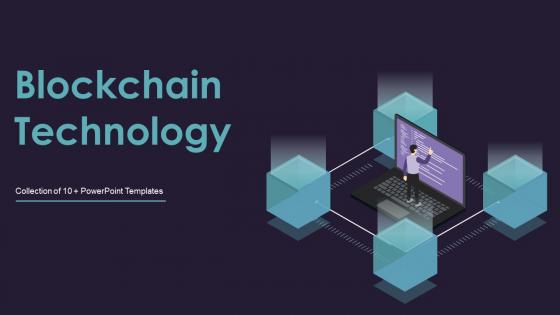
Blockchain Technology Powerpoint Ppt Template Bundles




Try Before you Buy Download Free Sample Product
 Impress Your
 Audience
 100%
100% Editable
 Save Hours
 of Time


Our Blockchain Technology Powerpoint Ppt Template Bundles are topically designed to provide an attractive backdrop to any subject. Use them to look like a presentation pro.
People who downloaded this PowerPoint presentation also viewed the following :
Blockchain Technology Powerpoint Ppt Template Bundles with all 24 slides:
Use our Blockchain Technology Powerpoint Ppt Template Bundles to effectively help you save your valuable time. They are readymade to fit into any presentation structure.







FAQs for Blockchain Technology Powerpoint
Honestly, the tracking aspect is huge - you can see your product's entire journey from start to finish. Nothing gets tampered with once it's in the system, which is pretty sweet. Everyone has to log what they're doing, so way less fraud and mistakes happen. Oh, and recalls? Instead of taking weeks to figure out what went wrong, you'll know in minutes. That alone might be worth it. I'd start by just sketching out where your stuff goes currently - like, who touches it and when. That'll show you the best spots to actually implement this thing.
So blockchain basically spreads your data across tons of different computers instead of keeping it all in one place that hackers can easily hit. Each piece gets this cryptographic fingerprint, and if anyone tries to mess with it, the fingerprint changes and everyone notices right away. Think of it like having a bunch of people all watching your stuff - good luck trying to fool all of them at once. Once something's recorded, you can't go back and secretly change it later. Honestly, if you're dealing with anything sensitive, it's worth checking out. Way better than traditional databases.
Think of smart contracts like having a robot assistant that never sleeps. They automatically handle agreements when conditions are met - like "payment goes through, product gets released." No back-and-forth emails or waiting around for approvals. Honestly, it's wild watching them work the first time. Transactions happen faster, costs drop, and you don't get those annoying human errors. The best part? You're not stuck playing middleman anymore. Look at your most repetitive, rule-heavy stuff first - that's where they really shine. Way less headache overall.
Yeah totally! Those three actually work really well together. IoT devices pump out tons of data, blockchain keeps it secure and tamper-proof, then AI can actually trust what it's analyzing. The transparency thing is huge too - you know exactly where your data came from. Honestly, it's one of those combos that sounds overhyped but actually makes sense when you dig into it. Just don't try to do everything at once though. Pick one piece first, maybe secure data sharing between a few devices, then build from there. Way less headache that way.
Yeah so Bitcoin and those proof-of-work chains are absolutely nuts with energy usage - we're talking entire countries worth of electricity just for miners to compete solving puzzles. Most of that environmental damage happens when they're running off coal plants and stuff. But newer blockchains switched to proof-of-stake (like Ethereum did) and cut energy use by 99%. Validators just stake their coins instead of running massive server farms. Honestly saved me so much research time when I learned this distinction. Whatever blockchain your company's looking at, just check which consensus method they use first - makes or breaks your sustainability targets.
So basically, the consensus mechanism totally determines how many transactions your blockchain can handle. Bitcoin's Proof of Work? Super secure but only does like 7 transactions per second - those mining puzzles take forever to solve. Proof of Stake is way faster since you're not wasting time on computational competitions. Honestly the whole thing's a massive trade-off between speed and security. If you need high throughput, maybe look into Delegated Proof of Stake or just go with layer-2 solutions that handle stuff off-chain. It's probably the biggest headache in blockchain right now.
Honestly, the biggest pain is that every jurisdiction has different rules and regulators still don't know what to do with blockchain stuff. Finance gets hammered the hardest - they're paranoid about money laundering and protecting consumers. Healthcare's tricky too because of HIPAA... like how do you delete patient data from something that's literally designed to never be deleted? Supply chain and identity stuff is more manageable but you still need proper frameworks. My advice? Don't try to retrofit compliance later, build it in from day one. Also stay on top of whatever your local regulations are doing.
So blockchain is basically this unchangeable record that everyone can see - kinda like a Google Doc where you can't edit anything once it's there. Every transaction gets linked to the one before it, so you get total visibility into where money came from and went. What's cool is it kills that whole "just trust us, we handled your money right" thing banks do. You don't have to rely on institutions anymore - you can actually verify stuff yourself on the public ledger. Honestly game-changing for compliance reporting if you're dealing with any financial stuff.
So basically DeFi cuts out banks completely - you're dealing directly with other people through smart contracts that run automatically when conditions hit. It's kinda like if Venmo got way more powerful but didn't actually hold your cash. You can lend, borrow, trade, earn interest, all that stuff. The blockchain keeps everything transparent so you don't have to just trust some bank's BS. Honestly, the whole concept blew my mind when I first got it. If you want to dip your toes in, try Uniswap or Compound with small amounts first.
So basically, public blockchains are open to anyone - think Bitcoin where everyone can see everything. Private ones are restricted to just your company or specific partners. Public gives you full transparency but man, those transaction fees can be brutal and everything's slower. With private, you control who gets in, transactions are way faster, and competitors can't snoop on your data. Most companies go private because they need speed and compliance stuff. Honestly though, just figure out if you need public trust or want to keep things internal - that's really what it comes down to.
So basically, blockchain makes voting tamper-proof by turning each vote into a permanent record that can't be changed once it's in. Anyone can check the vote count for transparency, but your actual ballot stays private through encryption. Think of it like a public ledger everyone can see but nobody can mess with. No single server to hack either since it's decentralized - way more secure than current systems. Estonia's already doing this with their digital voting, which is pretty impressive honestly. Makes the whole process way more trustworthy.
So blockchain's hitting healthcare pretty hard right now. Hospitals are using it to share patient records securely, and drug companies track medications to stop counterfeits. MedRec gives patients control over their own health data - which honestly should've happened years ago. Pfizer actually lets you trace your vaccine's entire journey from factory to your arm, which is wild. Estonia went all-in and runs their whole healthcare system on blockchain. The best part? Your data stays yours instead of getting lost across different systems. If you're doing healthcare IT, definitely check it out.
So blockchain basically creates this permanent record that's super hard to mess with - each transaction gets cryptographically locked and verified across tons of computers. Makes fraud way trickier to pull off. Supply chain stuff is where it really shines though. You can track products from start to finish, check if documents are legit, spot sketchy financial moves. Smart contracts handle verification automatically too, which cuts out the whole human error thing. Honestly, I'd start by figuring out where you're most vulnerable to fraud, then find blockchain tools that target those specific problems. It's not magic but it works.
So the main issues are pretty much what you'd expect - scalability, energy use, and regulations being all over the place. Bitcoin's energy thing has everyone freaked out (even though newer blockchains fixed that ages ago). Most chains still can't handle enough transactions without getting slow as hell or crazy expensive. Governments have no clue what they're doing with crypto rules either, which makes everything messy. Honestly? Don't try to blockchain everything - just find specific spots where these problems won't kill your project.
Honestly, interoperability is what's gonna fix this whole blockchain mess we're dealing with. Right now everything's stuck in these separate silos that can't talk to each other - it's super inefficient and frankly annoying as hell. You know how you're constantly switching between different wallets just to move stuff around? That's exactly the problem. When chains can actually communicate and share data properly, everything flows better. Liquidity pools get way more effective. Users don't have to jump through a million hoops. Developers can pick the best parts from different blockchains without making their apps a nightmare to use. Pretty game-changing stuff. I'd start looking at projects through this lens instead of just checking their speed benchmarks.
-
Superb! The innovative and inspiring template designs provide an edge to the presentation.
-
I took a chance with SlideTeam. I never looked back. Great products and great service.