


Cryptocurrency Powerpoint Ppt Template Bundles





Try Before you Buy Download Free Sample Product
 Impress Your
 Audience
 100%
100% Editable
 Save Hours
 of Time


Our Cryptocurrency Powerpoint Ppt Template Bundles are topically designed to provide an attractive backdrop to any subject. Use them to look like a presentation pro.
People who downloaded this PowerPoint presentation also viewed the following :
Cryptocurrency Powerpoint Ppt Template Bundles with all 39 slides:
Use our Cryptocurrency Powerpoint Ppt Template Bundles to effectively help you save your valuable time. They are readymade to fit into any presentation structure.










FAQs for Cryptocurrency Powerpoint
Bitcoin's key differentiating features include being the first cryptocurrency, operating on a proof-of-work consensus mechanism, maintaining a fixed supply cap of 21 million coins, and enjoying widespread institutional adoption. These characteristics enable Bitcoin to function as digital gold, providing store-of-value properties and inflation hedging capabilities, with many financial institutions increasingly recognizing its role as a strategic portfolio diversifier.
DeFi platforms operate through smart contracts on blockchain networks, eliminating traditional intermediaries by enabling peer-to-peer lending, borrowing, and trading directly between users. While these platforms offer enhanced accessibility, lower fees, and global reach, they present risks including smart contract vulnerabilities, regulatory uncertainty, and market volatility, with many investors finding that thorough research and risk management strategies help maximize potential returns.
Blockchain technology enhances cryptocurrency security through cryptographic hashing, decentralized validation, and immutable transaction records. These mechanisms eliminate single points of failure while ensuring transparency and tamper resistance. Financial institutions and payment processors leverage this distributed ledger approach to deliver faster, more secure transactions, ultimately reducing fraud risks and operational costs in an increasingly digital economy.
Governments can effectively regulate cryptocurrencies through balanced frameworks that establish consumer protections, anti-money laundering requirements, and institutional oversight while preserving innovation pathways. Strategic regulatory approaches, like those emerging in Singapore and Switzerland, enable compliance clarity for blockchain developers and crypto businesses, ultimately delivering market stability and investor confidence while maintaining the competitive advantages that drive technological advancement in financial services.
Stablecoins maintain their value through collateralization with fiat currencies, cryptocurrency reserves, or algorithmic mechanisms that automatically adjust supply based on market demand. These digital assets enable faster cross-border payments, streamline remittances, and facilitate decentralized finance applications, with many financial institutions finding that stablecoins enhance operational efficiency while minimizing volatility risks.
Cryptocurrency mining's environmental impacts include massive energy consumption, carbon emissions from fossil fuel-powered operations, electronic waste from outdated hardware, and strain on local power grids. However, sustainable alternatives are emerging through proof-of-stake consensus mechanisms, renewable energy mining facilities, and carbon offset programs, with many blockchain networks finding that these approaches significantly reduce environmental footprints while maintaining operational efficiency.
Investor sentiment and social media significantly impact cryptocurrency prices through viral trends, influential endorsements, and rapid information spread that triggers mass buying or selling behaviors. Social platforms amplify market emotions, with retail investors often making decisions based on trending discussions, celebrity tweets, and community sentiment, ultimately creating volatility cycles that can drive substantial price swings within hours.
CBDCs present both challenges and opportunities for traditional banking, potentially reducing banks' roles in payment processing, deposit-taking, and monetary policy transmission while creating new partnership possibilities. However, banks can leverage CBDCs to streamline cross-border transactions, enhance regulatory compliance, and develop innovative financial services, ultimately delivering competitive advantages in an increasingly digital financial landscape.
ICOs differ from IPOs by offering digital tokens instead of equity shares, operating with minimal regulatory oversight, and providing global accessibility through blockchain platforms. While traditional IPOs require extensive regulatory compliance, financial audits, and institutional intermediaries, ICOs enable startups to raise capital directly from investors worldwide, though this presents both democratized funding opportunities and increased risk considerations for participants.
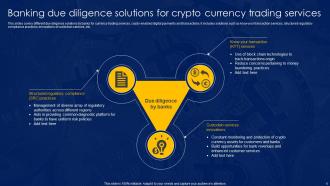
Legal considerations for businesses accepting cryptocurrencies include regulatory compliance, tax reporting obligations, anti-money laundering requirements, consumer protection laws, and financial licensing standards. These frameworks vary significantly across jurisdictions, with many financial institutions and retail companies finding that proactive legal consultation and robust compliance systems ultimately deliver regulatory certainty and competitive advantage in digital payment adoption.
Tokenomics fundamentally determines cryptocurrency valuation through supply mechanisms, utility functions, distribution models, and incentive structures that drive demand and scarcity. Projects with well-designed tokenomics create sustainable ecosystems by balancing token release schedules, staking rewards, and burn mechanisms, with many DeFi platforms and gaming projects finding that strategic tokenomics ultimately delivers long-term value appreciation and community engagement.
Cryptocurrencies promote financial inclusion by providing banking alternatives for the unbanked, enabling low-cost cross-border remittances, facilitating mobile payments, and offering microfinance opportunities through decentralized platforms. These digital currencies streamline financial access in regions like sub-Saharan Africa and Southeast Asia, ultimately delivering reduced transaction costs and enhanced economic participation for underserved populations.
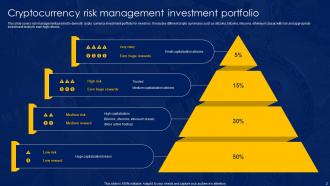
Cryptocurrency risk mitigation strategies include diversification across multiple digital assets, dollar-cost averaging, setting strict stop-loss limits, allocating only disposable income, and maintaining long-term perspectives. These approaches help investors manage volatility through systematic investing, portfolio balance, and emotional discipline, with many financial advisors recommending cryptocurrency comprise no more than 5-10% of total investment portfolios, ultimately delivering more stable returns while participating in digital asset growth opportunities.
Layer-2 solutions enhance blockchain scalability by processing transactions off the main chain, reducing network congestion, and enabling faster transaction speeds with lower fees. Technologies like state channels, sidechains, and rollups allow networks to handle thousands of transactions per second, with financial institutions and payment processors finding that these solutions deliver significantly improved user experiences while maintaining security.
Cryptocurrency anonymity raises concerns about money laundering, tax evasion, drug trafficking, and terrorist financing, as transactions can obscure traditional oversight mechanisms. While these challenges require robust regulatory frameworks and compliance measures, many financial institutions and governments are developing blockchain analytics tools, enhanced KYC protocols, and international cooperation standards, ultimately delivering greater transparency and accountability in digital finance.
-
It saves your time and decrease your efforts in half.
-
Wonderful ideas and visuals. I'm really pleased with the templates, which are unique and up to date.