

Bovine Ephemeral Fever Causes Symptoms And Treatment PPT Template ST AI





Try Before you Buy Download Free Sample Product
 Impress Your
Audience
 100%
Editable
 Save Hours
of Time


Elevate your presentations with our Bovine Ephemeral Fever PowerPoint Template. This comprehensive deck covers causes, symptoms, and treatment options in a visually engaging format. Perfect for veterinarians and agricultural professionals, it simplifies complex information, ensuring effective communication and understanding of this critical livestock disease.
People who downloaded this PowerPoint presentation also viewed the following :
Bovine Ephemeral Fever Causes Symptoms And Treatment PPT Template ST AI with all 44 slides:
Use our Bovine Ephemeral Fever Causes Symptoms And Treatment PPT Template ST AI to effectively help you save your valuable time. They are readymade to fit into any presentation structure.














FAQs for Bovine Ephemeral Fever Causes Symptoms And Treatment PPT
Bovine Ephemeral Fever commonly presents clinical signs including sudden high fever, muscle stiffness, lameness, reluctance to move, excessive salivation, and nasal discharge. These symptoms typically create significant operational challenges for dairy and beef operations, with many livestock producers finding that early recognition enables faster veterinary intervention, minimizes productivity losses, and ultimately delivers better animal welfare outcomes while reducing economic impact on farming enterprises.
Bovine Ephemeral Fever significantly reduces milk production through fever-induced stress, decreased feed intake, and inflammatory responses that disrupt normal lactation processes. Dairy operations typically experience 20-40% production drops during outbreaks, with recovery taking 1-2 weeks post-fever, ultimately impacting farm profitability and requiring enhanced herd management strategies.
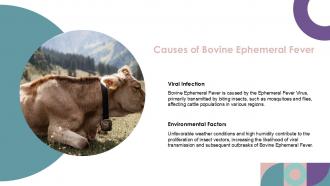
**INPUT**: What vectors are responsible for the transmission of Bovine Ephemeral Fever? **OUTPUT**: Bovine Ephemeral Fever transmission occurs through arthropod vectors, primarily mosquitoes, biting midges, and sandflies, with Culicoides species being particularly significant carriers. These vectors enable rapid disease spread across cattle populations during favorable weather conditions, with livestock operations increasingly implementing integrated vector control strategies, enhanced surveillance systems, and strategic vaccination programs to minimize transmission risks and protect herd health.
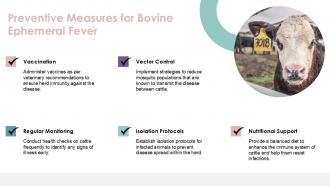
Farmers can implement vector control through insect repellents and environmental management, vaccination programs where available, quarantine protocols for new animals, and enhanced biosecurity measures. These integrated approaches streamline herd health management by reducing disease transmission, minimizing economic losses, and maintaining livestock productivity, with many agricultural operations finding that comprehensive prevention strategies ultimately deliver greater operational efficiency.
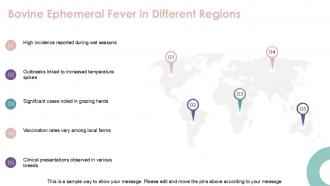
Bovine Ephemeral Fever occurs primarily across tropical and subtropical regions, including Australia, Southeast Asia, parts of Africa, and the Middle East, with seasonal patterns influenced by vector activity and climatic conditions. The disease's distribution correlates with insect vector habitats, particularly Culicoides midges, with many veterinary authorities finding that monsoon seasons and humid environments significantly increase transmission rates and outbreak frequency.
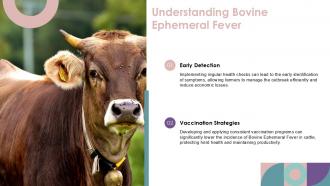
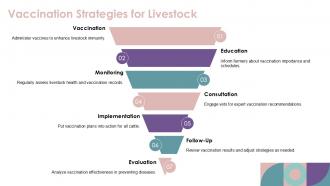
Vaccination strategies play a crucial role in managing Bovine Ephemeral Fever by providing herd immunity, reducing disease severity, and minimizing economic losses from decreased milk production and temporary paralysis. These preventive approaches enable dairy operations, beef farms, and livestock enterprises to maintain productivity during seasonal outbreaks, ultimately delivering enhanced animal welfare and operational stability.
Stress factors in cattle, including overcrowding, transportation, nutritional deficiencies, extreme temperatures, and concurrent diseases, significantly compromise immune system function and increase susceptibility to Bovine Ephemeral Fever. These stressors reduce the animal's ability to mount effective immune responses, prolonging fever duration and recovery time, while dairy and beef operations find that stress management protocols enhance herd resilience and minimize economic losses.
Bovine Ephemeral Fever creates long-term herd impacts including reduced milk production for weeks post-recovery, decreased fertility rates, compromised immune systems making cattle vulnerable to secondary infections, and economic losses from treatment costs. Dairy operations and beef producers increasingly implement comprehensive vaccination programs, enhanced biosecurity measures, and strategic herd monitoring protocols, ultimately delivering improved productivity resilience and minimizing recurring outbreaks.
Bovine Ephemeral Fever is diagnosed through clinical examination revealing characteristic symptoms like sudden fever, muscle stiffness, and lameness, combined with laboratory tests including virus isolation and serology. Veterinarians in cattle-intensive regions like Australia and Asia increasingly use RT-PCR testing and blood analysis to confirm diagnosis rapidly, enabling faster treatment decisions and minimizing economic losses from reduced milk production.
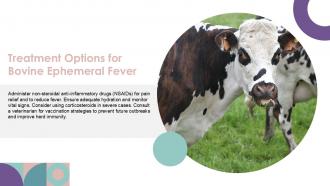
Supportive care for Bovine Ephemeral Fever includes providing adequate shelter, ensuring continuous water access, administering anti-inflammatory medications, and maintaining proper nutrition through easily digestible feeds. Veterinarians typically recommend minimizing cattle movement, monitoring body temperature regularly, and implementing stress reduction measures, with many livestock operations finding that early intervention and consistent supportive protocols significantly reduce recovery time and minimize economic losses.
Climate change influences Bovine Ephemeral Fever prevalence by expanding vector habitats, extending transmission seasons, and altering precipitation patterns that favor insect breeding. Warmer temperatures enable Culicoides midges to survive in previously unsuitable regions, with livestock operations in temperate zones increasingly experiencing outbreaks, ultimately requiring enhanced surveillance and adaptive management strategies.
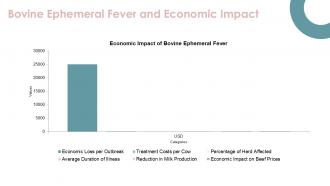
Bovine Ephemeral Fever creates significant economic implications through reduced milk production, decreased fertility rates, treatment costs, trade restrictions, and temporary livestock losses. These impacts affect dairy operations, beef producers, and export markets, with many agricultural enterprises finding that implementing comprehensive vaccination programs and enhanced biosecurity measures ultimately delivers cost savings and maintains competitive positioning in increasingly regulated global markets.
Secondary infections complicate Bovine Ephemeral Fever recovery by exploiting weakened immune systems, causing pneumonia, mastitis, and wound infections that extend illness duration and increase mortality rates. These complications require additional veterinary interventions, antibiotics, and supportive care, ultimately increasing treatment costs and recovery time while reducing overall herd productivity and milk production efficiency.
Research gaps in Bovine Ephemeral Fever include vector transmission mechanisms, viral persistence patterns, immune response variations, cross-species transmission potential, and climate impact correlations. While veterinary researchers increasingly focus on epidemiological modeling and vaccine efficacy studies, livestock operations find that enhanced surveillance systems, diagnostic protocols, and predictive outbreak mapping ultimately deliver improved herd management and reduced economic losses across agricultural sectors.
Technology enhances Bovine Ephemeral Fever management through predictive modeling, real-time surveillance systems, geographic information mapping, and automated health monitoring devices. These digital solutions streamline outbreak prediction by analyzing weather patterns, vector populations, and livestock movement data, while enabling veterinary services and agricultural operations to implement targeted prevention strategies, ultimately delivering faster response times and reduced economic losses across farming communities.
-
Topic best represented with attractive design.
-
A library of engaging, customizable and content-ready templates.