

Business Model Canvas Xiaomi Business Model BMC SS





Try Before you Buy Download Free Sample Product
 Impress Your
 Audience
 100%
100% Editable
 Save Hours
 of Time


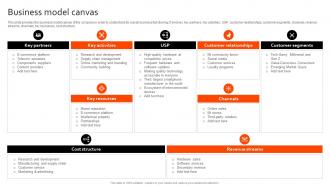
This slide provides the business model canvas of the company in order to understand its overall business functioning. It involves key partners, key activities, USP, customer relationships, customer segments, channels, revenue streams, channels, key resources, cost structure.
People who downloaded this PowerPoint presentation also viewed the following :
Business Model Canvas Xiaomi Business Model BMC SS with all 9 slides:
Use our Business Model Canvas Xiaomi Business Model BMC SS to effectively help you save your valuable time. They are readymade to fit into any presentation structure.








FAQs for Business Model Canvas Xiaomi Business
So Xiaomi's whole thing is building this ecosystem that keeps you hooked - get one device, you'll probably buy more. They skip retailers and sell direct, which saves them tons of money. Smart manufacturing partnerships mean they can scale up fast without owning factories. Honestly, their lean operations are pretty impressive. But here's what's really clever: they treat hardware almost like a gateway drug to their services and data collection. Once you're using their phones, smart home stuff, whatever - they've got multiple revenue streams from you. It's actually a solid business model to study.
Dude, Xiaomi's approach is wild - they basically turned customers into business partners. Through their Mi Community thing, users help develop products and do beta testing. It's not your typical "buy our stuff" relationship like Samsung or Apple does. Honestly feels a bit cult-like sometimes, but it works. People become total evangelists for the brand because they feel ownership in it. Smart move since it keeps their marketing budget tiny while everyone else spends millions on ads. Focus on that community angle if you're studying their strategy.
Yeah so Xiaomi totally abandoned their whole "flagship specs for cheap" thing. Remember when they first came out? You'd get the same guts as a Galaxy for like half the price. Pretty genius honestly. But then everyone else started doing the exact same thing, so now they're going full ecosystem mode instead. Your phone talks to their rice cookers, scooters, smart lights - basically everything. It's wild how much stuff they make now. They're not really competing on phone specs anymore, it's more about getting you locked into their whole tech universe. Smart move if you ask me.
So Xiaomi's way smarter than people think. Yeah they sell phones, but that's honestly just the hook. They've got laptops, scooters, TVs, smart home stuff - basically everything. Here's the crazy part though: they barely make money on the actual devices. Instead they're banking on internet services, ads, subscriptions. Think of it like Amazon but for gadgets - sell the hardware cheap, then cash in on services where margins are actually good. If you're looking into their business model, that's the key thing to understand. Hardware gets people in the door, services pay the bills.
So Xiaomi basically does three smart things to keep prices down. They barely spend on marketing - just let people talk about their phones online. No fancy stores everywhere either, which saves tons of cash. But here's the kicker - they only make like 5% profit on phones, sometimes less. Sounds crazy right? The phones are basically bait to get you into their whole ecosystem. Then they make the real money on earbuds, smart home stuff, apps, all that. Honestly it's pretty brilliant. Sell phones cheap, hook customers, profit everywhere else.
Xiaomi's whole thing is those crazy flash sales - they drop limited quantities online and everything sells out in minutes. Pretty smart actually, because while Samsung's phones are sitting in every store imaginable, Xiaomi makes theirs feel exclusive. They started by selling only through Mi.com to cut costs, no retail overhead. Social media is huge for them too - they turn launches into these viral moments that get everyone talking. I mean, think about it - they basically made "hard to get" part of their brand instead of something to fix. That scarcity marketing really works.
So Xiaomi's partnerships are actually pretty smart. Google was huge for them - the Android One deal opened up international markets where people wanted clean Android. Carrier partnerships with Three UK and Orange were clutch too, honestly you can't sell phones without good carrier relationships. They also work with Qualcomm and MediaTek for chips, which keeps costs reasonable. The whole strategy lets them expand without building tons of infrastructure themselves. Pretty clever if you ask me - focus on that scaling aspect when you're looking at their business model, it's their secret sauce.
Dude, Xiaomi basically turned their users into unpaid product managers and it's genius. Their MIUI forums are packed with people suggesting features, reporting bugs, voting on what they want next. Users feel like they're actually building the phone with them, not just buying it. That loyalty is insane - people stick around because they feel heard. Honestly, I got sucked into their forum once and spent way too long reading feature requests. But it works! They get thousands of testers giving feedback for free, so their products actually solve real problems. Pretty smart way to do product development if you ask me.
Dude, Xiaomi's approach is actually genius. They built this whole system around their MIUI forum where millions of users basically beta test everything for them. People report bugs, suggest features, vote on stuff - and you'll see user ideas show up in products sometimes within weeks. Wild, right? Their flash sales aren't just marketing tricks either - they're testing demand. If something sells out instantly, boom, they know it's a winner. Oh and their social media team watches comments everywhere like hawks. If you're working on product stuff, seriously check out their community forums. It's like having thousands of people who genuinely want to help you not screw up.
Xiaomi figured out something brilliant - they don't just want to sell you a phone. They want you buying their smartwatch, earbuds, even their rice cookers (wild, right?). Once you've got a few devices syncing perfectly together, switching brands becomes this massive headache. Smart move on their part. They're collecting data from every touchpoint, which helps them build better stuff and market to you. The real genius? Your lifetime value as a customer shoots way up since you keep adding devices. Honestly, any tech company should think beyond single products - how can you build something people get stuck in?
Xiaomi basically became huge by being the "Apple of China" but way cheaper. They dump tons of money into R&D, though they're clever about it - instead of starting from scratch, they focus on small improvements and launch stuff super fast. New products come out constantly. If something flops, they pivot immediately. Speed beats perfection in their world, which honestly makes sense when you're competing on thin margins. The whole thing is pretty genius - they stay ahead by moving fast rather than trying to be groundbreaking every time. Worth studying if you're looking at low-cost innovation strategies.
So Xiaomi's pretty clever about this - they don't actually build their own factories. Instead they partner with big manufacturers like Foxconn who already know what they're doing. They keep inventory super lean with just-in-time production, plus they use data analytics to figure out what people actually want to buy. Honestly, it's kind of genius - let the manufacturing experts handle that side while you focus on making cool products and software. Keeps their costs way down but quality stays high. You don't have to own everything to control it, you know?
So Xiaomi does things totally differently outside China - they can't just copy-paste their home strategy. Back home they built everything themselves, but internationally? They're all about partnerships with local distributors and retailers. Makes sense since their online ecosystem doesn't really work the same way abroad yet. They focus way more on just selling hardware internationally because their services money (which is massive in China) doesn't translate well. Oh and they adjust pricing by region too, which is probably obvious but worth mentioning. Way more traditional retail approach vs their integrated online thing at home.
So Xiaomi's actually pretty clever about this - they track totally different stuff based on where they are. India and other emerging markets? It's all about market share and how many units they're shipping since they're still trying to get their foot in the door. Europe's different though - they care more about how much each customer spends and whether people are buying their other products, not just phones. China's where it gets interesting since that's their home turf. There they're focused on profit margins and making money from services. Makes sense when you think about it - why use the same playbook everywhere when markets are so different?
So basically Xiaomi ditched their whole "fans-first" thing when they went global. Smart move honestly - what works in China doesn't always translate. Now they're doing celebrity endorsements, TV spots, the whole traditional marketing playbook they used to avoid. They also got super local with their approach, working with regional influencers and tweaking their "flagship killer" message based on what each market actually cares about price-wise. The genius part? They never changed their core promise of premium specs for less money. Just completely flipped how they talk about it depending on where they are.
-
My search for complete decks ended with SlideTeam. Such a surplus collection of HD PowerPoints. Moreover, their standard and widescreen formats have helped me in delivering bullseye presentations.
-
Great product with highly impressive and engaging designs.