


Business Model Of Samsung Powerpoint Ppt Template Bundles BMC





Try Before you Buy Download Free Sample Product
 Impress Your
 Audience
 100%
100% Editable
 Save Hours
 of Time


Embark on a captivating exploration of the Business Model of Samsung with our insightful PowerPoint presentation. Our Samsung Business Model Canvas PPT Uncovers the intricate web of Samsungs diversified conglomerate, ranging from cutting-edge electronics and semiconductors to finance, heavy industry, and beyond. Additionally, our Value Proposition Presentation delves into the strategic brilliance that propels Samsung as a global technological powerhouse, showcasing its innovation, market presence, and adaptability. Furthermore, the Marketing Strategy Deck meticulously dissects Samsungs business model, emphasizing its pivotal role in shaping industries such as consumer electronics, mobile communications, and beyond. Lastly, the meticulously drafted module discovers the symbiotic relationships between its various subsidiaries, illustrating a holistic approach to success in the ever-evolving global marketplace. Get access now.
People who downloaded this PowerPoint presentation also viewed the following :
Business Model Of Samsung Powerpoint Ppt Template Bundles BMC with all 33 slides:
Use our Business Model Of Samsung Powerpoint Ppt Template Bundles BMC to effectively help you save your valuable time. They are readymade to fit into any presentation structure.
-

Business Model of Samsung
-
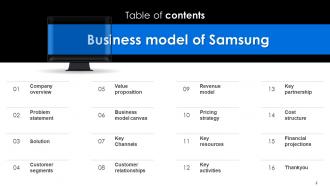
Business model of Samsung
-
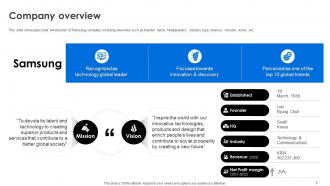
Company overview
-
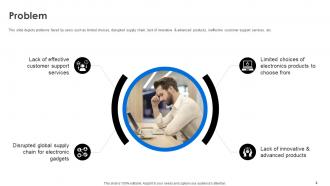
Problem
-
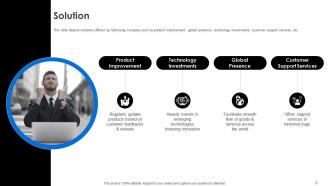
Solution
-
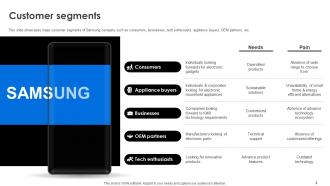
Customer segments
-
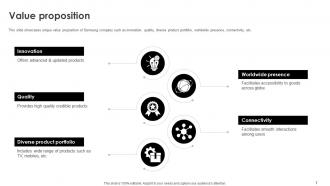
Value proposition
-
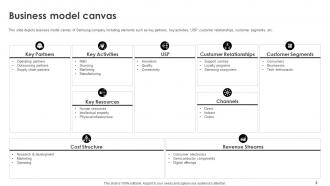
Business model canvas
-
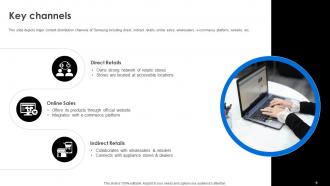
Key channels
-
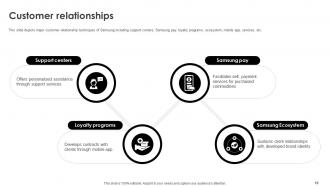
Customer relationships
-
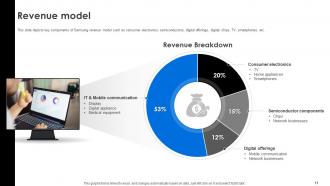
Revenue model
-
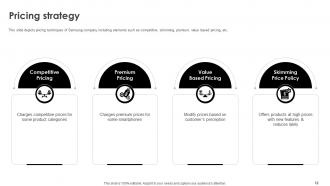
Pricing strategy
-
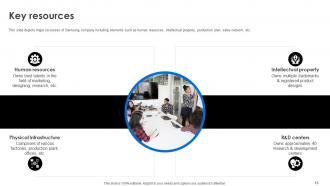
Key resources
-
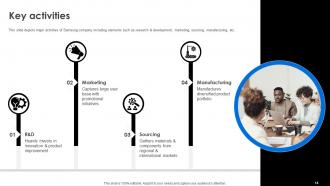
Key activities
-
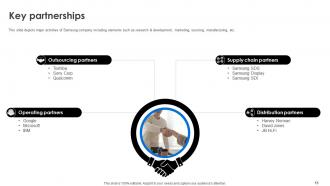
Key partnerships
-
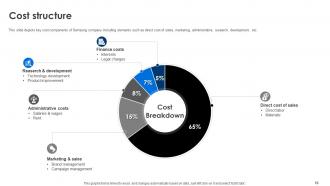
Cost structure
-
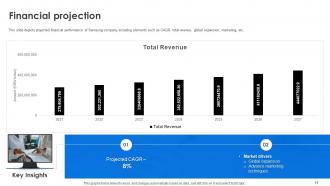
Financial projection
-
Icons slide Business model of Samsung
-

Additional slides
-

Comparison
-
Post it notes
-
Puzzle
-
30 60 90 days plan
-
Our vision mission goal
-

Thank you
-

-

-

-

-

-

-

-

FAQs for Business Model Of Samsung Powerpoint Ppt
So the Business Model Canvas has nine sections that fit together. Your Value Proposition goes in the middle - that's literally what you're selling. Right side covers your customers: who they are, how you reach them, what relationship you build. Left side is more operational stuff - partners, activities, resources you need. Revenue and costs go at the bottom, obviously. I'd start with one section and see how it connects to others - like, does your value prop actually solve something your customers want? The whole thing clicks when everything aligns properly, but don't overthink it at first.
Honestly, the Business Model Canvas is perfect for this - it puts all your assumptions on one page so you can't ignore the sketchy parts. You'll quickly see what needs testing instead of just building random stuff. Focus on value prop and customer segments first since those are make-or-break. Everything else is kinda pointless if you get those wrong. Then just pick the riskiest boxes and run cheap experiments to validate them. Way better than spending months building something nobody wants. The visual aspect really helps too - forces you to be honest about what you're actually assuming vs what you know.
Don't get stuck perfecting one section at a time - everything needs to connect. Your value prop should tie directly into your customer segments and how you make money. I've literally watched people obsess over the key partners box for weeks (total waste of time). Be specific instead of saying generic stuff like "great customer service." What actually makes you different? Also, your first draft will probably suck and that's fine. Treat it like it's gonna change because it will. Honestly? Start with messy sticky notes. Way better than trying to make it perfect from day one.
Yeah, the BMC adapts pretty well to different industries. Tech startups obsess over user segments and digital stuff, while manufacturing is all about supplier partnerships and getting products moved around physically. Healthcare gets weird though - patient outcomes suddenly become your main selling point, which obviously doesn't matter if you're running a clothing store or whatever. What I usually do is look at 2-3 companies crushing it in your space first. You'll spot patterns fast. Then just customize each section to fit - maybe add subcategories that actually make sense for your industry. The basic structure doesn't change, but you're filtering everything through what matters in your world.
Dude, personas are a total game-changer for your Business Model Canvas. You go from thinking about some generic "customer" blob to actually designing for real people with specific problems. Like, it's way easier to brainstorm value props when you're picturing "Sarah who's juggling three kids and a demanding boss" instead of just "working parents," you know? Your customer segments get sharper. Revenue streams start making actual sense. Even picking the right marketing channels becomes obvious when you know exactly who you're trying to reach. Honestly, just sketch out 2-3 solid personas before your next canvas session and watch how much clearer everything gets.
Your value prop is literally the most important part of the whole canvas. It's that "why should I buy from you instead of everyone else" thing customers need to feel. Everything else - your customer segments, how you reach people, your partnerships - all flows from this core piece. Without it, you're basically just guessing what might work. Honestly, I've seen too many startups skip this step and wonder why nothing clicks later. Get crystal clear on what problem you're solving and why you solve it better than anyone else. Once you nail that down, building out the rest becomes way easier. Start here first, trust me.
Start with customer interviews and surveys - trust me, talking to actual people beats guessing every time. I'd shoot for 10-15 conversations per segment (yeah it's tedious but so worth it). Dig into whatever data you already have too: website analytics, sales stuff, support tickets. Market research reports help fill gaps, though they're pretty generic. Mix what people tell you with what they actually do - sometimes there's a disconnect there. Oh and don't just rely on assumptions. Real conversations will surprise you way more than you think.
Honestly, just start talking to potential customers - that's where most people's "genius" ideas fall apart anyway. Customer interviews will tell you way more than any fancy survey. Build something super simple first, like a landing page or basic prototype, just to see if anyone actually cares. I'd probably throw together some A/B tests for different messaging too. Pre-order campaigns work great if you can swing it, or maybe partner with someone who already has customers. The whole point is spending as little money as possible while you figure out what doesn't suck. Most experiments will fail, so keep 'em cheap and fast so you can pivot without going broke.
Honestly, the Canvas takes so much anxiety out of pivoting. Map out where you are now, then play around with different versions - maybe you're going B2B to B2C or switching to subscriptions. You'll actually see how changes ripple through all nine blocks instead of just guessing. Way better than those strategy meetings where everyone's talking in circles and half the team zones out (you know the ones). Create your current state first, then do 2-3 alternatives side by side. Makes it real instead of theoretical.
So partnerships are like your business support system - who you team up with to handle stuff you can't or don't want to do solo. Map out your suppliers, strategic allies, joint ventures, the works. Amazon's delivery network is a perfect example. These relationships help you cut risks and grab resources without blowing money on doing everything in-house. Honestly, I see too many people listing every random contact as a "key partner." Focus on the ones that actually make or break your value proposition. Otherwise you're just name-dropping.
Dude, you gotta make your Business Model Canvas tell a story instead of just checking boxes. Start with the customer problem and build from there - way more engaging that way. Use colors, icons, arrows to show how everything connects. Like, trace the customer journey across the canvas so people can actually see how your value prop links to your customer segments, then flows into key activities and partnerships. Most BMC presentations are boring as hell otherwise. I mean, you could just read through each section, but nobody remembers that stuff. Make it visual and people will actually get what you're building.
Honestly, go with the Canvas when you need to move fast or test something new. Traditional business plans? They take forever and you'll hate updating them. The Canvas is clutch for startups and brainstorming - stakeholders get the whole picture in minutes instead of slogging through pages of text. Plus tweaking one section doesn't mean rewriting your entire life story. I'd say sketch out your concept with the Canvas first, then maybe dive into detailed planning later if investors demand it. Way less painful that route.
Tech changes mess with pretty much your whole business canvas, honestly. New solutions pop up and suddenly your value prop needs updating. Distribution channels get flipped - remember how fast everyone ditched stores for apps during the pandemic? That was insane. Revenue models shift too, with subscriptions everywhere now. Your partnerships will probably need a refresh since tech companies become way more important than before. And yeah, costs change when you're buying new systems left and right. I'd check your canvas every few months so you don't get blindsided by this stuff.
Honestly, you've gotta treat that canvas like it's actually alive - check it every quarter minimum. Pull your team together and really dig into each section. Are those value props still working? Did your partnerships change? I've watched so many teams build one perfect canvas then literally never touch it again. What a waste. Anytime something big shifts - new competitors, major customer complaints, whatever - update that thing immediately. Next meeting, just throw it up on screen and ask "what's different now?" You'll be shocked what comes up.
Honestly, the Business Model Canvas is like a cheat sheet for investor meetings. Instead of boring them with some massive business plan (which let's be real, they won't read), you get everything on one page. Investors can see your revenue streams, customer segments, and costs instantly. It forces you to nail down your value prop too - no fluff allowed. Before you pitch, practice explaining each section out loud. You'd be surprised how many people stumble when connecting the dots between blocks. The visual format just clicks with investors way better than traditional presentations.
-
Excellent design and quick turnaround.
-
Awesomely designed templates, Easy to understand.