


Channel Strategy Powerpoint PPT Template Bundles




Try Before you Buy Download Free Sample Product
 Impress Your
 Audience
 100%
100% Editable
 Save Hours
 of Time


Our Channel Strategy Powerpoint PPT Template Bundles are topically designed to provide an attractive backdrop to any subject. Use them to look like a presentation pro.
People who downloaded this PowerPoint presentation also viewed the following :
Channel Strategy Powerpoint PPT Template Bundles with all 17 slides:
Use our Channel Strategy Powerpoint PPT Template Bundles to effectively help you save your valuable time. They are readymade to fit into any presentation structure.







FAQs for Channel Strategy Powerpoint
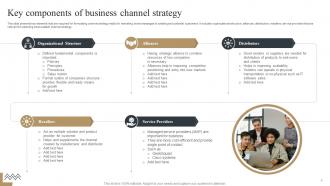
So you'll want to focus on four big things: knowing your audience, picking the right channels, actually supporting your partners, and measuring what works. Map out how your customers like to buy first - that'll guide everything else. Mix direct sales with partners and digital stuff based on what makes sense for your market. Here's the thing though - most companies just dump partners into the mix without training them properly. Bad move! Give them real tools and clear expectations. Oh, and track metrics like channel conflict and partner satisfaction so you can tweak things. Start by figuring out where the gaps are in your current setup.
Start with your customers - figure out where they're already shopping and how they like to buy stuff. Map out your options: direct sales, retail partners, online marketplaces, distributors. Then evaluate based on profit margins and how much control you want. Don't just copy what competitors are doing (I swear half the companies I know make this mistake). Pick 1-2 channels to test first. See what actually works before going crazy with expansion. Really though, it comes down to matching where you can deliver with where your customers want to find you.
Your channel strategy is basically what makes or breaks how customers experience your brand. When messaging stays consistent and people can easily jump between platforms without starting over, it feels seamless. Data needs to flow between everything too - otherwise you get those annoying situations where customers repeat their story five times. I've seen companies completely mess this up and it's painful to watch. Map out where people actually move through your channels, then hunt down the spots where things get clunky. Those friction points? Fix them first and you'll see engagement improve pretty quickly.
Honestly, the best tech upgrades solve real problems your partners actually have. Data analytics lets you track customer journeys in real-time now, which is pretty wild. Automation handles those boring routine communications nobody wants to deal with. AI can predict which products will crush it at specific retailers too. Training apps, inventory alerts, collaborative planning tools - all that stuff makes your partners' lives way easier. But don't just throw tech at everything because it sounds cool. Pick one major pain point first and nail that. Then expand from there once you've got some wins under your belt.
Ugh, the worst thing you can do is try to be on every single platform at once. You'll burn out so fast and everything will suck. Don't just copy what your competitors are doing either - their customers probably aren't even close to yours. I see people launch like five channels with zero plan for measuring success or keeping up with them. Honestly? Better to absolutely crush it on two platforms than be mediocre everywhere else. Test small first, see what actually moves the needle, then go all-in on those before you even think about expanding. Way less stressful too.
Here's my take: figure out where your customers actually hang out first. Millennials? They're probably buying everything online. B2B folks still want to shake hands and talk numbers in person - weird but true. The biggest mistake is using the same approach for everyone. Map out how each group likes to shop and research stuff, then match your channels to that. Don't waste money on LinkedIn ads if your target audience lives on TikTok. I've seen companies blow their budgets because they didn't think this through properly.
Think of data analytics as your secret weapon for figuring out which channels actually work. You'll see conversion rates, customer costs, lifetime value - all the stuff that matters instead of just throwing money around and hoping. The cool part? You start noticing weird patterns, like how your Instagram posts crush it on Sundays or certain age groups love your emails. Honestly, some of the insights will surprise you. I'd say pick your top 3 channels first and get tracking set up properly. Then build from there once you've got the hang of it.
Figure out where your customers actually want to shop first, then see which channels give you the best margins. Complex, high-margin stuff usually works better direct. Volume products? Probably better through partners. Channel conflict is gonna happen no matter what - I learned this the hard way. Set boundaries upfront about who handles which customers or product lines. Honestly, just test both approaches small first. Track the real costs (partner management is more work than you think), then go big on whatever actually makes you money. Don't overthink it.
Talk to your partners regularly - like monthly check-ins, not just crisis calls. Most companies only reach out when they need something, which honestly pisses partners off. Give them proper training so they can actually sell your stuff well. Joint marketing campaigns work great too, plus maybe offer exclusive territories or better pricing for your top performers. The whole point is making them feel like real partners instead of just another distribution channel. Oh, and definitely set up those monthly reviews soon - don't wait until next year or whatever. Small thing, but it makes a huge difference in how they perceive the relationship.
Ugh, yeah this happens all the time and it's super annoying but you gotta roll with it. First thing - check where your people actually are NOW, not where they were last quarter. Your audience moved from desktop to mobile? Cool, shift your budget there. Social shopping suddenly took off? Time to rethink your whole customer journey. Don't get married to old strategies just because they worked before (I learned this the hard way). Look at your current data and be ready to pull money from channels that aren't performing. It feels chaotic but honestly? Companies that adapt fast usually come out ahead.
Dude, you've gotta set boundaries from day one or this whole thing becomes a nightmare. Map out who handles what customers and stick to it - I learned this the hard way lol. Keep pricing consistent everywhere because people definitely comparison shop. Track each channel separately so you know what's actually working. Communication is huge too, like really stay on top of your partners. Oh and get decent software to manage it all, trust me on that one. Basically figure out which channels fit which customers best first, then build your rules around that.
Track the obvious stuff first - revenue per channel, what it costs to get customers, conversion rates. Customer lifetime value too if you're not already. Then dig into the fuzzy metrics like satisfaction scores and partner feedback. I'd honestly skip the complex dashboards at first, they're just distracting. Pick maybe 3-4 things you actually care about and check them quarterly. The trick is getting your baseline numbers down early so you can tell if you're actually improving or just spinning your wheels. Brand alignment matters more than people think, but start with what pays the bills.
Honestly, going global is way trickier than most people realize. Each country has its own weird retail setup - what crushes it in the US might flop completely in Germany or Japan. Digital stuff varies tons too, and don't even get me started on regulations that can totally screw up your distribution plans. First thing I'd do? Map out which channels actually dominate in each market you're targeting. Then figure out what fits your brand and budget. The trick is staying consistent globally while adapting to local quirks. It's like being bilingual but for business channels, if that makes sense.
Map out your customer journey first - see where your messaging doesn't match what each channel actually does. If you're advertising premium service but your retail partners are basically self-checkout, you're setting people up for disappointment. Get your marketing and channel teams talking regularly (most companies are terrible at this). Set up shared goals so everyone's working toward the same thing. Oh, and create messaging guides for each channel that still sound like your brand but fit how they operate. Honestly? Pick one channel, nail the alignment there, then move to the next one.
Honestly? Social commerce is where it's at right now - like selling straight through Instagram and TikTok where people already spend their time. Headless architecture is huge too (separating your frontend from backend stuff). AI personalization is getting crazy good at adapting to each customer, and voice shopping through Alexa is picking up steam. Oh, and that whole buy-online-pickup-in-store thing has totally changed the game. Livestream shopping is exploding in Asia but hasn't quite hit here yet. Start with social commerce though - easiest place to dip your toes in.
-
The slides come with appealing color schemes and relevant content that helped me deliver a stunning presentation without any hassle!
-
Innovative and attractive designs.