


Cholecystitis PPT Example ACP





Try Before you Buy Download Free Sample Product
 Impress Your
 Audience
 100%
100% Editable
 Save Hours
 of Time


Discover our professional PowerPoint presentation deck on Carotid Sheath Parathyroid Adenoma. This comprehensive mockup features detailed visuals, key insights, and expert analysis, perfect for medical professionals and educators. Enhance your presentations with this informative resource, designed to facilitate understanding of complex anatomical and pathological concepts.
People who downloaded this PowerPoint presentation also viewed the following :
Cholecystitis PPT Example ACP with all 44 slides:
Use our Cholecystitis PPT Example ACP to effectively help you save your valuable time. They are readymade to fit into any presentation structure.
















FAQs for Cholecystitis
Most of the time it's gallstones jamming up the cystic duct - like 90% of acute cases. But you can get it without stones too, especially in really sick ICU patients where bile just sits there and things get ischemic. Chronic cholecystitis is totally different though. That's when your gallbladder gets beat up over and over until it's all scarred and thick. Honestly, chronic patients are the worst because they'll have these vague symptoms for months before anyone figures it out. Acute cases? Those hit like a truck. Don't forget Murphy's sign and definitely get that ultrasound.
So basically the gallstone gets stuck in this tube called the cystic duct and blocks bile from draining out. The bile just sits there getting more concentrated and starts irritating the gallbladder walls - that's what causes all the inflammation. It's like when your sink backs up, except way worse obviously. Pressure builds up inside which messes with blood flow, and then bacteria can jump in and make everything infected. That's how you go from just having pain to full-blown cholecystitis. Murphy's sign is clutch for diagnosing this stuff, and honestly ultrasound should be your first move.
Women get cholecystitis way more than men - like 3-4 times more often, especially when they're younger because estrogen messes with bile. There's this old saying about the "4 F's: female, fat, forty, fertile" but honestly that's pretty dated now. Risk goes up with age for everyone. The gender gap shrinks after menopause though when estrogen drops off. You'll see it most in women 40-60, but don't rule it out in younger people with risk factors or older guys either. Bottom line - always think about it when someone has right side pain under the ribs.
So the textbook triad is RUQ pain, fever, and nausea/vomiting - but let's be real, patients don't always read the textbook. Most complain of this steady, awful pain in the right upper quadrant that shoots to their shoulder or back. Gets way worse after they eat something greasy. Fever and chills are pretty common too. If they're turning yellow, you're probably dealing with stones in the bile duct as well. Murphy's sign is clutch during your exam - press on that RUQ while they breathe in deep and watch them stop mid-breath. Classic move.
Check for Murphy's sign and that classic RUQ tenderness that gets way worse when they breathe in - total giveaway for cholecystitis. The pain usually shoots to the right shoulder too, which is weird but super helpful for diagnosis. Unlike appendicitis where it starts around the belly button then moves. Honestly once you've seen gallbladder pain a few times, it's pretty unmistakable. Labs might show high WBC, maybe some funky liver numbers. But ultrasound is clutch here - shows wall thickening, stones, fluid collection. I'd order that US fast if you're even remotely thinking gallbladder.
So ultrasound is usually where you'd start - it's fast, cheap, and picks up stones plus wall thickening pretty well. But honestly? HIDA scan is what really tells you if the gallbladder's actually working, especially in acute cases. That's the gold standard. CT can help but it's more for catching complications like perforation, or when ultrasound results don't make sense. HIDA takes forever though. I'd go ultrasound first for the basic workup, then HIDA if you need the real answer or if things aren't adding up clinically.
So Murphy's sign - you press on the right upper belly while they breathe in deep. If they suddenly stop mid-breath from pain, boom, positive sign. Pretty classic for gallbladder inflammation. Honestly though, it's only right like 65-70% of the time, and other stuff in that area can cause it too. Here's the thing - when it's negative, that's actually super helpful for ruling out cholecystitis. Always check both sides for comparison. Don't hang your hat on it alone though, you'll still need imaging and the whole clinical picture to be sure.
So basically, eating tons of fatty stuff makes your liver pump out more cholesterol, which can turn into gallstones in your gallbladder. Pretty straightforward cause and effect there. But here's the weird part - losing weight too fast actually makes it worse because it messes with your bile. I know, doesn't make sense at first. Low fiber doesn't help either since fiber keeps cholesterol in check. Honestly, the best approach is just gradual changes. More fiber, less saturated fat, steady weight loss instead of crash dieting. Your body hates sudden shocks to the system.
So for acute cholecystitis, antibiotics and pain meds first - that'll buy you time. Early lap chole is still the way to go, preferably within 72 hours if they can tolerate it. I know some attendings love to wait, but honestly the data shows early surgery cuts down complications and length of stay. If your patient's too unstable, perc drainage works as a bridge until they're ready for OR later. We had this exact debate in rounds yesterday actually. Get surgery involved early either way - they'll help you decide on timing based on how sick the patient looks.
Most people do amazing after getting their gallbladder out, honestly. Like 90%+ have zero symptoms once they heal up. You might get some digestive weirdness - loose stools or bloating when you eat greasy stuff, but that's totally manageable if you tweak your diet. Serious complications happen in less than 1% of cases, which is pretty reassuring. My cousin had hers done last year and said it was the best decision ever - no more random attacks keeping her up at night. The recovery's usually just a few weeks, then you're back to normal life but without all that pain.
Yeah, start antibiotics whenever you're seeing signs of bacterial infection - fever, high white count, or the patient just looks sick. Pip-tazo works great, or you can do a fluoroquinolone with metro to cover the usual bugs like E. coli and Klebsiella. Most of us just start them early rather than waiting around to see what happens. Thing is, antibiotics won't actually cure the cholecystitis - you still need surgery for that. They're just treating whatever secondary infection is brewing. I'd rather start them and not need them than the other way around, but don't let it delay getting surgery involved.
Honestly, don't mess around with cholecystitis - early treatment is everything. Get them on antibiotics fast if there's infection, and surgery within 72 hours usually works way better than waiting around. High fever or labs going crazy? That's your cue complications are starting. I've seen too many people try to ride it out with just pain meds and diet changes - sketchy move unless it's really mild. Oh, and definitely loop in surgery early rather than playing the waiting game. Trust me on this one.
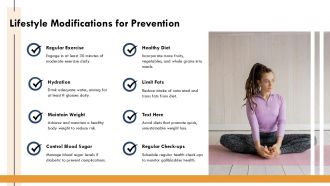
Honestly, diet is your biggest weapon here. Cut back on fried foods and fatty dairy - they make your gallbladder work overtime. Smaller meals help too instead of big ones that stress it out. Keep exercising regularly, but here's the weird part - don't do any crash diets because losing weight too fast actually creates more gallstones. Makes zero sense but it's true. If you're drinking a lot, maybe dial that back since it causes inflammation. Oh, and try to maintain a decent weight overall. The food changes usually help the most with preventing those awful flare-ups.
So basically you're gonna focus on diet stuff - they really need to get how fatty foods can set off attacks. Low-fat eating is key, plus slow weight loss if that's an issue. You've probably heard the "4 F's" thing (female, forty, fertile, fat) - honestly it's kinda outdated but helps explain risk factors I guess. Main thing for discharge teaching? Make sure they know the red flags - bad right-side pain, fever, throwing up constantly. They should understand when it's ER time versus just calling the doctor. Give them written diet info and set up follow-up care. Surgery might be needed down the road depending on how things go.
With kids, you're way more conservative - try antibiotics and supportive care first instead of jumping straight to surgery like we do with adults. Children heal better and the inflammation usually settles down on its own. I mean, nobody wants to put a kid through unnecessary surgery if you can avoid it, right? But if you start seeing complications - perforation, abscess formation, or they're just getting worse despite treatment - then yeah, you've gotta move to cholecystectomy. Basically exhaust the conservative stuff first, but don't wait around if things are going downhill.
-
The designs are super attractive. Me and my team love using SlideTeam’s presentations.
-
One word for SlideTeam–Versatile!