

Communication Skills Powerpoint PPT Template Bundles





Try Before you Buy Download Free Sample Product
 Impress Your
 Audience
 100%
100% Editable
 Save Hours
 of Time


Our Communication Skills Powerpoint PPT Template Bundles are topically designed to provide an attractive backdrop to any subject. Use them to look like a presentation pro.
People who downloaded this PowerPoint presentation also viewed the following :
Communication Skills Powerpoint PPT Template Bundles with all 28 slides:
Use our Communication Skills Powerpoint PPT Template Bundles to effectively help you save your valuable time. They are readymade to fit into any presentation structure.





FAQs for Communication Skills Powerpoint
Honestly, it comes down to three main things: speak clearly, don't rush through everything, and please don't be monotone. Nobody wants to listen to someone mumble at breakneck speed in the same flat voice for 20 minutes. Throw in some strategic pauses too - gives people time to actually process what you just said. Oh, and project your voice even with a mic because there's always that one person sitting way in the back. My biggest tip though? Record yourself practicing. It's painful to listen to but you'll catch weird habits you didn't know you had.
Honestly, active listening is a game changer in group settings. You start picking up on what people *really* mean, not just their surface-level words. I've noticed when I actually focus on understanding instead of planning my next brilliant comment, I catch way more - like emotions, concerns, the stuff that actually matters. People can tell when you're genuinely tuned in too. Your follow-up questions get so much better. Here's what works: try summarizing what someone just said before you jump in with your own thoughts. Keeps everyone on the same page and shows you actually heard them.
Dude, you've gotta know your audience first - like, who are they and what do they actually give a shit about? I bombed hard once using way too much technical jargon with a mixed crowd. So embarrassing. With tech people, go deep on the data and specifics. Executives? They just want the bottom line and ROI stuff. Cultural thing matters too - some groups want you to get straight to the point, others need that relationship chat first. Oh, and always prep a few different examples. You'll want backup options when you realize mid-presentation that you're totally reading the room wrong.
Honestly, body language is huge for presentations - way more than most people realize. Stand tall and make eye contact, you'll automatically seem more credible. But if you're slouching or fidgeting with your hands? Total confidence killer, even if your content's amazing. I've watched some really smart people bomb just because they looked uncomfortable up there. Your posture and gestures either back up what you're saying or work against you. Oh, and definitely practice in front of a mirror first - you'll catch stuff you never noticed before.
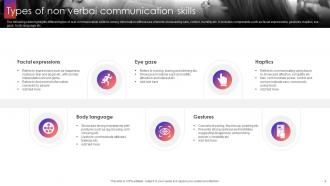
Dude, non-verbal stuff is like 55% of communication - it's honestly wild how much it matters. Your body language either backs up what you're saying or totally undermines it. Like if someone's telling me "great job" but they're all crossed-armed and monotone? Yeah right lol. Eye contact shows you actually care about the convo. Gestures help drive your point home. Even how you're standing affects whether people believe you're confident in what you're saying. I learned this the hard way in presentations. Next time you're trying to get something important across, just check if your face and body are saying the same thing as your mouth.
Dude, stories just hook people way better than boring facts. Like, we've been telling stories since caveman days - it's literally how our brains work. People connect with characters and problems instead of tuning out to scroll Instagram. Here's what works: start with a relatable problem, build up the tension, then boom - your solution saves the day. Honestly, just opening with "Picture this..." changes everything. I've seen the most boring presentations come alive once someone throws in a good story. Trust me, your audience will actually listen for once.
Practice your speech a bunch of times so you're not scrambling for words up there. Deep breathing actually works - sounds cheesy but it legit slows your heart rate. I used to get so nervous I'd forget my own name lol. Don't scan the whole room, that's overwhelming as hell. Pick out a few friendly faces instead. Most people want you to do well anyway, not bomb spectacularly. Oh and start small! Like really small speaking stuff first. You'll build confidence way faster that way. Trust me on this one.
Honestly, just start by recording yourself with your phone - it's brutal but you'll catch all the weird stuff you do without realizing. PromptSmart is solid if you need teleprompter help, and Canva beats fighting with PowerPoint templates any day. Grammarly cleans up your writing too. There's even VR practice apps now like Orai (kind of wild tbh). I'd skip the fancy stuff for now though. Record a practice run this week. You'll immediately know what's awkward and needs fixing. Way more helpful than you'd think!
Honestly, feedback is like having a mirror for your communication - you finally see what others actually experience. I used to ramble in emails thinking I was being thorough, but my boss straight up told me to cut it in half lol. Now I actively ask people "how did that come across?" after big conversations or presentations. Short, specific questions work best. You'll spot your blind spots way faster than trying to figure it out solo. Sometimes the feedback stings a little, but that's usually when it's most useful. Just pick one thing to work on at a time though.
Honestly, most communication problems boil down to a few things - noise and distractions, getting too emotional, making assumptions (guilty as charged), and language barriers. Here's what actually works: listen for real, not just waiting to jump in with your response. When something sounds off, ask questions and repeat stuff back to make sure you got it right. Oh, and choose the right way to communicate - like, don't send a novel-length email when you could just call. Check yourself emotionally before big conversations too. Find somewhere quiet if it's important. Simple stuff but it works.
Honestly, you gotta flip the script - hit them with facts and data right off the bat. Build trust first with stuff they can actually verify. I learned this the hard way watching presentations crash and burn because people came out swinging with their agenda immediately. Once you've got that credibility locked down, then you can slide in your recommendations. The trick is making your persuasive bits feel like obvious conclusions from the data, not some sales pitch. It's wild how much better this works - people actually listen instead of getting defensive about your motives.
Honestly, visual aids are a game changer for presentations. People retain way more info when they can see stuff instead of just listening to you talk. Plus they break up those awkward moments where everyone's just staring at you - thank god for that, right? Charts and diagrams help explain tricky concepts that would take forever to put into words. Visual learners especially need something to look at or they'll completely check out. Just don't go crazy with cluttered slides though. Keep them clean and actually relevant to what you're saying.
Break complicated stuff into smaller pieces and use analogies people already know. Big picture first, then get specific. Three points at a time work best - our brains love that pattern for some reason. Ditch the fancy words for simple ones, and give real examples instead of vague concepts. Charts or diagrams help tons too. Watch their face to see if they're actually following along. Here's what I do - explain it to someone totally outside your field first. If your mom or random friend gets it, you're good to go.
Oh man, this is such a big deal! Different cultures have totally different expectations for presentations. Some want you to build up context slowly and be indirect, others just want the facts upfront. Eye contact that feels confident to us might come across as aggressive elsewhere. I bombed a presentation in Japan once because I rushed through everything - learned that lesson fast. Your gestures, how formal you sound, even how you handle silence matters way more than you'd think. Before presenting to international folks, definitely ask someone from that culture for tips or do some quick research on their communication style.
Dude, interactive stuff is a game changer for presentations. Nobody wants to sit there for 30 minutes getting talked at - people zone out hard. Throw in some polls or quick Q&As and suddenly everyone's actually paying attention. You'll get instant feedback too, which is clutch for knowing if you're losing people. Even basic stuff like "raise your hand if you've experienced this" totally shifts the vibe. I learned this the hard way after bombing a few presentations, honestly. Try mixing in something interactive every 10 minutes or so. Makes it feel like an actual conversation instead of a lecture.
-
“I've always gotten excellent slides from them and the customer service is up to the mark.”
-
Amazing variety of PowerPoint slides. Really helpful in designing professional presentations.