

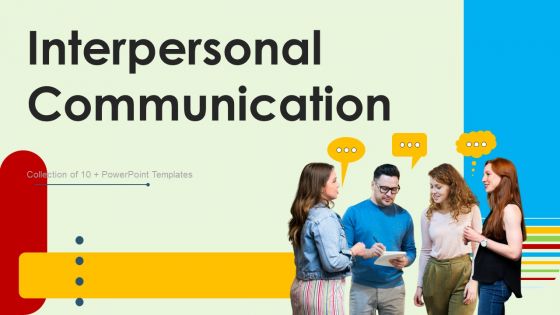
Interpersonal Communication Powerpoint Ppt Template Bundles




Try Before you Buy Download Free Sample Product
 Impress Your
 Audience
 100%
100% Editable
 Save Hours
 of Time


Our Interpersonal Communication Powerpoint Ppt Template Bundles are topically designed to provide an attractive backdrop to any subject. Use them to look like a presentation pro.
People who downloaded this PowerPoint presentation also viewed the following :
Interpersonal Communication Powerpoint Ppt Template Bundles with all 21 slides:
Use our Interpersonal Communication Powerpoint Ppt Template Bundles to effectively help you save your valuable time. They are readymade to fit into any presentation structure.






FAQs for Interpersonal Communication Powerpoint
Honestly, most people think communication is just about talking, but listening is like 80% of it. Don't plan what you're gonna say next while someone's speaking - I'm terrible at this btw. Your body language speaks louder than words sometimes, so watch how you're standing or if you're making eye contact. Being empathetic helps you actually get where they're coming from. Clear messaging is huge too - say what you mean without dancing around it, but don't be a jerk about it. Maybe pick one thing to work on at a time? Otherwise it's overwhelming.
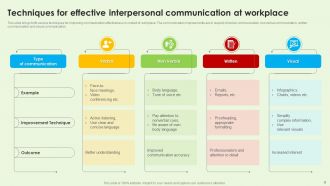
Dude, body language is everything - way more than the actual words coming out of your mouth. Like that 55% statistic is legit. People can tell if you're annoyed or bored just from how you're sitting or whether you're actually looking at them. I do this thing where I'll say "yeah totally" but my face is doing something completely different lol. Your tone matters too. Honestly, if your body's saying one thing and your mouth is saying another, people will believe your body every time. Just try to match up what you're feeling with how you're acting.
Honestly, active listening is like relationship magic. People feel so much more valued when you actually pay attention - like really reflect back what they're saying and ask good questions. Trust builds way faster that way. Those annoying miscommunications that blow up into huge fights? Yeah, they happen way less when you're actually tuned in. And here's the thing - people open up so much more when they can tell you're genuinely listening, not just waiting for your turn to talk. Next time you're having an important convo, try ditching your phone. The difference is wild.
Honestly, empathy is like a cheat code for better conversations. You're actually listening to what someone's feeling, not just waiting to jump in with your own stuff. People can tell when you get it, you know? It builds real trust. Here's what I've noticed - when you reflect back their emotions first ("sounds like you're really frustrated about this"), they actually open up more. You'll catch their body language better too and match their vibe. Way more effective than diving straight into advice mode, which I definitely used to do all the time.
Oh man, cultural differences mess with communication in ways you wouldn't expect. Some people get straight to the point, others build up context forever first. Eye contact that feels normal to you? Might be super uncomfortable for someone else. Personal space, interrupting, giving feedback - it's all over the map depending on where people grew up. I bombed a meeting once because of this stuff, honestly. The trick is just being curious about how your coworkers actually prefer to communicate instead of assuming everyone's like you. When something feels off, ask questions and adjust your style.
Honestly, start by actually listening - like really listening, not just waiting for your turn to talk. When something doesn't make sense, ask questions and repeat back what you think they meant. Your body language matters way more than you'd think too. Timing is huge - don't bring up serious stuff when everyone's already stressed out. Also, check yourself for assumptions you might be making about what they mean. I've found that slightly matching how someone else communicates helps. Oh, and always circle back later to make sure you're both thinking the same thing.
Okay so emotional intelligence is basically about reading the room, you know? Like picking up on when someone's tone changes or their body language gets weird. I've gotten way better at not immediately firing back when people are being annoying - though I definitely still slip up sometimes lol. The key thing is pausing before you respond so you can actually process what they need to hear vs what you're dying to say. Also helps you know when to drop a topic instead of beating a dead horse. It's honestly made such a difference in how my conversations go.
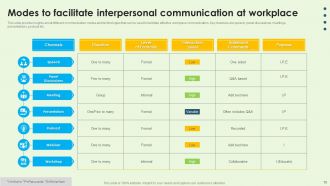
Honestly, tech has completely flipped how we talk to each other. Sure, texting someone across the world instantly is pretty incredible. But we're missing so much - like when someone rolls their eyes or that sarcastic tone that changes everything. It's wild how you can chat with 50 people online and still feel lonely. Everything's become way less spontaneous too since we're all just responding whenever. My take? Don't let screens replace actual conversations when something really matters. Use tech to stay connected, but not as a substitute for real face-time.
Ugh okay so timing is huge - don't do it when everyone's already heated. I always mess this up with my sister lol. Anyway, stick to "I feel" instead of "you always do this" because that just makes people defensive. Be super specific too, like don't say "you're rude" but "when you interrupted me three times during dinner, I felt unheard." It's honestly way messier with family than coworkers since there's all this history. The main thing though? Make sure you're coming from love, not just wanting to dump your frustration on them.
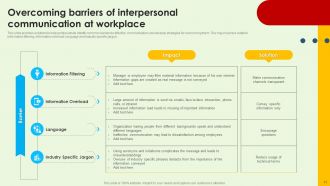
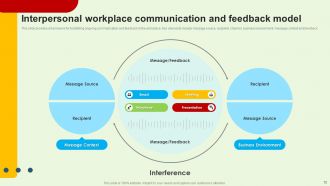
Honestly, most mix-ups happen because we're all terrible at mind reading but pretend we're not. Like, you'll think you explained something perfectly while leaving out half the context. Or someone texts "fine" and you spiral thinking they hate you when maybe their phone was dying. I'm super guilty of this - I'll be planning my comeback while the other person's still talking instead of actually listening. Try repeating back what you heard first before responding. Sounds weird but it works. Ask "wait, do you mean..." instead of guessing. Also? Just slow down a bit. Most fights happen when everyone's rushing to be right instead of actually getting each other.
Honestly, your body language can totally betray what you're saying. Like if you tell someone "I'm fine" but you're crossing your arms and won't look at them? They'll believe what they see, not your words. It's crazy how much we give away without thinking about it. Your posture, how you move your hands, facial expressions - all of it either backs up what you're saying or makes people think you're lying. Even glancing at your phone while talking screams "I don't care." Really though, you just gotta make sure everything matches up or you'll confuse people.
Honestly, you gotta actually *listen* instead of just waiting for your turn to speak. I used to be so bad at this - like already planning my comeback while they're mid-sentence lol. But here's what helped: reflect back what they said before jumping into your own take. Game changer. Also try "I feel..." instead of "you always..." because nobody likes being attacked. Look for stuff you both agree on rather than trying to win the argument. Practice on smaller fights first - builds up your skills before the big messy ones hit.
Think of assertive communication as hitting that middle ground - you're not a doormat, but you're not being a jerk either. Use "I" statements and speak calmly but confidently. Eye contact helps too, though honestly that part still makes me nervous sometimes. Start practicing with small stuff. Like, instead of just agreeing to whatever meeting time someone throws out, try "I'd actually prefer 2pm." Saying no without a million excuses is hard but super worth learning. Role-playing conversations beforehand sounds dorky but it actually works. Pick one thing to focus on this week and go from there.
Stories just hit different than boring facts, you know? Like instead of saying "teamwork matters," tell them about when your team scrambled to save that crazy deadline. People actually remember that stuff. Plus you don't sound like a textbook - more human and trustworthy. I swear it works for anything complicated you're trying to explain. Even works when you're trying to convince someone of something. Just weave in quick personal examples. Way more effective than rattling off statistics or whatever.
Honestly, just nail these three things: actually listen (don't just wait to talk), be clear but not rude, and watch people's body language. I used to send the most confusing emails - learned that lesson fast! Ask questions when you're lost instead of guessing what someone meant. Body language tells you way more than words sometimes, which is kinda wild when you think about it. Pick one of these and stick with it this week. You'll definitely see a difference pretty quick.
-
I’ve been your client for a few years now. Couldn’t be more than happy after using your templates. Thank you!
-
SlideTeam is the way to go when you are in a time crunch. Their templates have saved me many times in the past three months.