


Cosmetic Manufacturing Business Plan Powerpoint Presentation Slides




Try Before you Buy Download Free Sample Product
 Impress Your
 Audience
 100%
100% Editable
 Save Hours
 of Time


Starting and operating a cosmetic store may seem simple, but it can be challenging. To avoid stress, you must make the necessary preparations to ensure it will withstand time. Grab our insightfully designed Cosmetic Manufacturing Business Plan. It lists all the essential elements, including market research, industry trends, growth revenue drivers, target market, competitive landscape, etc. Our Cosmetics industry business plan also includes Porters framework and its impact on the cosmetic industry, market gap and opportunities, market sizing, including TAM, SAM, and SOM, go to marketing strategy, sales funnel, etc. Entity details, executive summary, products and services, mission and vision, exit strategy, etc. are also covered in this business plan. Furthermore, to give users an insight into the financial aspect, it also portrays a financial summary section in which a detailed 5 year analysis has been executed considering the market scenarios. Moreover, our Trends shaping cosmetic industry PPT covers the revenue model, profit and loss statement, cash flow statement, DCF valuation, balance sheet, etc. Download this 100 percentage editable presentation and get access to our highly researched and skillfully designed product.
People who downloaded this PowerPoint presentation also viewed the following :
Content of this Powerpoint Presentation
Slide 1: This slide introduces Cosmetic Manufacturing Business Plan. Commence by stating Your Company Name.
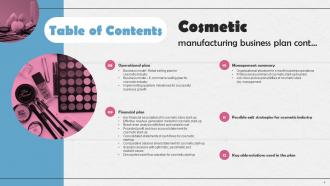
Slide 2: This slide includes the Table of contents.
Slide 3: This slide depicts the Agenda of the presentation.
Slide 4: This slide highlights the Title for the Topics to be covered further.
Slide 5: This slide provides a glimpse of key highlights of the cosmetic store.
Slide 6: This slide covers the cosmetic industry's vision, mission, and goals.
Slide 7: This slide shows the Start-up cost summary for cosmetic industry.
Slide 8: This slide deals with Implementing effective cosmetic solution by analyzing market gap.
Slide 9: The purpose of this slide is to provide a glimpse of the key product categories offered by the cosmetic store.
Slide 10: This slide focuses on Analyzing key success factors to strategize cosmetic business.
Slide 11: This slide highlights the Heading for the Contents to be discussed next.
Slide 12: This slide reveals the Cosmetic industry global market at a glance.
Slide 13: This slide states the Key statistics associated with cosmetic industry.
Slide 14: This slide continues the Key statistics associated with cosmetic industry.
Slide 15: This slide further continues the thorough assessment of a market within the cosmetic industry.
Slide 16: This is yet another slide continuing the Key statistics associated with cosmetic industry.
Slide 17: This slide highlights the key market trends that have the potential to change the current market scenario.
Slide 18: This slide deals with Addressing major challenges catered by cosmetic industry.
Slide 19: This slide focuses on Determining growth drivers for cosmetic industry.
Slide 20: This slide shows Choosing an ideal business location for cosmetic store.
Slide 21: This slide includes the Title for the Ideas to be discussed further.
Slide 22: This slide emphasizes on Assessing target customer profile for cosmetic products.
Slide 23: This slide continues Assessing target customer profile for cosmetic products.
Slide 24: This slide focuses on Creating buyer personas to increase cosmetic personalization.
Slide 25: The purpose of this slide is to depict the market potential of the cosmetic store in terms of TAM, SAM, and SOM.
Slide 26: This slide includes the Heading for the Ideas to be covered in the following template.
Slide 27: This slide states the Competitive analysis including major players with attributes comparison.
Slide 28: This slide depicts the Title for the Contents to be discussed further.
Slide 29: This slide showcases the Comprehensive SWOT analysis of cosmetic industry.
Slide 30: This slide incorporates the Heading for the Topics to be covered in the following template.
Slide 31: This slide presents the Detailed porter’s five forces analysis for cosmetic industry.
Slide 32: This slide indicates the Title for the Topics to be discussed further.
Slide 33: This slide talks about the Effective go-to-market strategy to increase sales and revenue.
Slide 34: This slide continues the Effective go-to-market strategy to increase sales and revenue.
Slide 35: This slide further continues the Effective go-to-market strategy to increase sales and revenue.
Slide 36: This is yet another slide continuing the Effective go-to-market strategy to increase sales and revenue.
Slide 37: This slide illustrates the Cosmetic store customer journey through sales funnel.
Slide 38: This slide contains the Heading for the Contents to be covered in the upcoming template.
Slide 39: The purpose of this slide is to highlight the cosmetic store's retail selling plan.
Slide 40: This slide covers the e-commerce selling plan for the cosmetic business.
Slide 41: This slide deals with Implementing quarterly milestones for successful business growth.
Slide 42: This slide depicts the Title for the Ideas to be further discussed.
Slide 43: This slide states the Key financial assumptions for cosmetic store start-up.
Slide 44: The slide shows the effective revenue model of the cosmetic industry.
Slide 45: This slide continues the Effective revenue generation model for cosmetic start-up.
Slide 46: This slide highlights the break-even analysis of the firm.
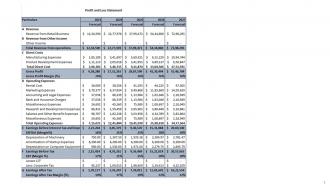
Slide 47: This slide displays the Projected profit and loss account statement for cosmetic start-up.
Slide 48: This slide continues the Projected profit and loss account statement for cosmetic start-up.
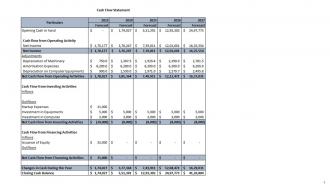
Slide 49: This slide portrays the Consolidated statements of cash flows for cosmetic start-up.
Slide 50: This slide continues the Consolidated statements of cash flows for cosmetic start-up.
Slide 51: This slide covers the Comparative balance sheet statement for cosmetic start-up.
Slide 52: This slide continues the Comparative balance sheet statement for cosmetic start-up.
Slide 53: This slide reveals the Scenario analysis with optimistic, pessimistic and realistic cases.
Slide 54: This slide continues the Scenario analysis with optimistic, pessimistic and realistic cases.
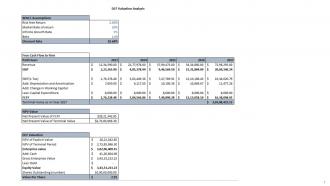
Slide 55: This slide calculates the amount of money an investor would get from an investment after adjusting for the time value of money.
Slide 56: This slide includes the Heading for the Ideas to be discussed in the upcoming template.
Slide 57: The slide highlights the organizational hierarchy in the company.
Slide 58: This slide reveals the Professional summary of cosmetic start-up founder.
Slide 59: This slide exhibits the Job roles and responsibilities of cosmetic store.
Slide 60: This slide continues the Job roles and responsibilities of cosmetic store key management.
Slide 61: This slide shows the Title for the Contents to be covered in the upcoming template.
Slide 62: This slide portrays the Possible exit strategies for cosmetic industry.
Slide 63: This slide depicts the Heading for the Topics to be discussed further.
Slide 64: This slide states the Key abbreviations used in the plan.
Slide 65: This is the Icons slide containing all the Icons used in the plan.
Slide 66: This slide is used for depicting some Additional information.
Slide 67: This slide contains the Post it notes for reminders and deadlines.
Slide 68: This is Our goal slide. State your company-goals here.
Slide 69: This is the Venn diagrams slide.
Slide 70: This slide showcases the firm's Timeline.
Slide 71: This slide is used for the purpose of Comparison.
Slide 72: This is Our team slide. State your team-related information here.
Slide 73: This slide represents the organization's Roadmap.
Slide 74: This slide elucidates information related to the Financial topic.
Slide 75: This is the Thank You slide for acknowledgement.
Cosmetic Manufacturing Business Plan Powerpoint Presentation Slides with all 83 slides:
Use our Cosmetic Manufacturing Business Plan Powerpoint Presentation Slides to effectively help you save your valuable time. They are readymade to fit into any presentation structure.









FAQs for Cosmetic Manufacturing Business Plan
You'll want the usual stuff - executive summary, market analysis, financials. Then get into the cosmetics-specific parts: product formulation details, manufacturing processes, ingredient supply chains. FDA compliance is huge here, so map out your regulatory plan early. That's honestly where most people crash and burn. Quality control and safety testing are critical since this goes on people's skin. Don't skip your branding strategy and how you'll actually sell this stuff. Oh, and supply chain logistics can get messy with beauty ingredients, so think that through.
Look, market research is honestly a game-changer - it shows you exactly what your customers want instead of you just winging it. Survey people before you start mixing anything up. You'll find out wild stuff like whether they're obsessed with "clean" ingredients or hate thick, goopy creams (seriously, some people are really picky about texture). Maybe they want anti-aging benefits but can't stand sticky serums. Perfect - now you know to make something lightweight that actually fights wrinkles. I learned this the hard way after reformulating products like three times. Trust me, asking questions upfront saves you major headaches later.
So the FDA doesn't actually pre-approve cosmetics, but you're still on the hook for safety and labeling stuff. The labeling requirements are honestly kind of a nightmare to figure out at first. You'll want to get ISO 22716 certification for manufacturing practices. If you're doing organic, there's USDA Organic or Ecocert to think about too. Oh, and don't forget some states have their own random rules on top of everything else. I'd definitely hire a regulatory consultant early - like, way earlier than you think you need one. They can help map out what you actually need vs what's just nice to have.
Start with your product's benefits and price - who actually needs this stuff? Check out demographics but honestly, the psychographic data matters way more. What bugs them about their current routine? Where do they shop? Creep on your competitors' Instagram comments (sounds weird but it works) to see who's actually buying similar products. Survey people if you can swing it. The real trick is getting super specific though. Like instead of "women 25-40," think "working moms who scroll Target's app at 9pm looking for clean skincare." That level of detail makes all the difference when you're crafting your messaging.
Okay so pricing is tricky but here's what matters most. First, add up all your actual costs - ingredients, packaging, labor, the whole thing. Then check what competitors charge in your space because luxury vs drugstore is night and day. Cosmetics markup is honestly insane compared to other stuff I've seen. Don't forget retailer cuts if you're going through stores, plus marketing and all that regulatory paperwork costs money too. Oh and brand perception really affects what people will pay. Start with your real per-unit cost, then see what similar products go for in your target market.
Honestly, branding is everything in cosmetics. You've got thousands of products fighting for shelf space, so your packaging and messaging need to make people *feel* something. Like, nobody's just buying mascara - they're buying confidence or whatever vibe you're selling. The crazy part is how much extra people will pay for brands they actually connect with versus some random drugstore dupe. I mean, look at how Glossier built their whole empire just on aesthetic and community. Without solid branding, you're basically competing on price alone, which sucks. Figure out your brand personality first, then make sure everything from your logo to Instagram posts matches that energy.
Look into ChemPoint or hit up Cosmoprof trade shows - that's where you'll actually meet the good suppliers. Check their certifications and minimum orders first thing. Cosmetic ingredients are super picky about storage, so ask about lead times too. The certification paperwork is honestly such a pain, but you gotta do it. Always get samples before you order big quantities! Oh, and line up backup suppliers because stuff goes wrong constantly. Building relationships early makes a huge difference - sounds cheesy but these people will literally save your butt when shipments get delayed.
Test everything at three points - when raw materials come in, mid-production, and before shipping. Microbiological tests catch contamination, stability tests confirm shelf life, and pH/viscosity checks keep things consistent. The costs pile up quick but trust me, it's nothing compared to a recall nightmare. Document every single thing and maybe get third-party verification for your main products. Oh, and definitely train your team on proper sampling - I've seen people mess this up badly. Set clear pass/fail criteria for each test. Start simple and add more testing as you grow.
Dude, set aside way more money than you think for testing - we're talking months here. Find good certified labs NOW and get cozy with them. Basic stuff first: patch tests, stability studies, all that fun paperwork. Then tackle the FDA nightmare (and trust me, it's worse than you imagine). Get a cosmetic chemist on your team who actually keeps up with regs because they shift constantly. I'd rather over-test than deal with one angry customer's rash going viral, you know? Document literally everything from the start. Cutting corners on safety testing is how brands die before they even launch.
Dude, sustainable practices are actually a smart business move. Eco-conscious customers will literally pay more for green products - that's extra profit right there. Your costs drop over time too since you're using less energy and creating less waste. Regulations are getting stricter anyway, so you might as well get ahead of it. Oh, and customers stick around longer when they feel good about supporting your brand. Honestly, I'd just pick one thing to start - maybe recyclable packaging or switching to natural ingredients. See how it goes, then expand from there.
Instagram and TikTok are your best bet - cosmetics are super visual anyway. Before/after posts work amazingly well, plus tutorials and ingredient breakdowns. Oh, and showing how stuff gets made builds serious trust with people. Micro-influencers are honestly better than celebrities sometimes because their followers actually engage. Email's still solid for launches and keeping customers around. The beauty crowd loves real reviews, so get people posting with your hashtags. Pick maybe 2-3 platforms and stay consistent rather than posting randomly everywhere. You'll burn out otherwise and your content will suck.
So there's actually a bunch of ways to fund this. Banks are obvious if your credit's decent, but SBA loans usually have way better terms for manufacturing stuff. Angel investors are super into beauty right now - though yeah, you're giving up equity. Equipment financing is clutch for all your manufacturing gear specifically. Oh and there are grants for cosmetics businesses, especially if you're women-owned. Most people I know who've done this successfully mixed like 2-3 funding sources. Get your business plan tight first, then hit up the cheapest options before you start handing out equity to investors.
Dude, packaging is HUGE in cosmetics. Like, people will literally pick up your product based on the bottle alone - sounds shallow but it's so true. First impressions matter big time, especially when you're competing with a million other brands on the shelf. Good packaging shows quality before anyone even opens it. Also think about practical stuff - does it dispense well? Will it break in someone's purse? Don't go cheap here, seriously. Get a designer who knows your target customer and price range. It's worth the investment upfront.
Okay so the big things right now are clean beauty and sustainability - people are literally obsessing over ingredients and packaging. Personalization through AI is everywhere too. Men's cosmetics are blowing up, which honestly I didn't see coming this fast. K-beauty influence is still strong. TikTok basically controls what launches succeed now, it's wild how one video can tank a product. Oh and ingredient transparency isn't just nice to have anymore, consumers will research the hell out of everything. For your business plan, definitely hit 2-3 of these trends. Investors want to see you actually get where the market's going.
Okay so here's the thing - "clean ingredients" won't cut it anymore since literally everyone says that. Find a real gap instead. Maybe it's busy parents needing 30-second routines, or honestly, someone who can finally make transfer-proof lipstick that doesn't suck (seriously, why is this still so hard?). Target specific skin issues or groups competitors are ignoring. The key is solving an actual problem people have. Test your idea first though - if potential customers don't immediately go "oh I need this," keep tweaking until they do.
-
SlideTeam was so customer-centric and quick service-provider that I doubted the amount I was paying and literally re-checked the transaction.
-
SlideTeam is my one-stop solution for all the presentation needs. Their templates have beautiful designs that are worth every penny!