


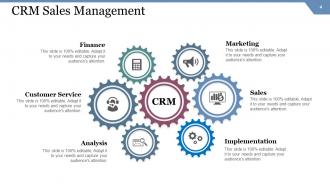
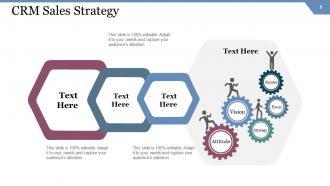
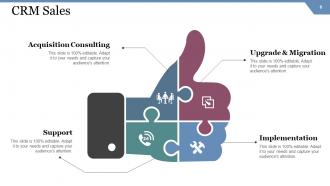
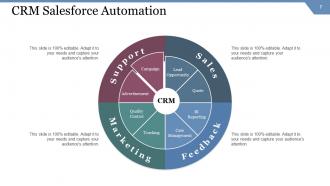
CRM Implementation Strategy Trainings Opportunities Finance Marketing




Try Before you Buy Download Free Sample Product
 Impress Your
 Audience
 100%
100% Editable
 Save Hours
 of Time


Our CRM Implementation Strategy Trainings Opportunities Finance Marketing are specially created by a professional team with vast experience. They diligently strive to come up with the right vehicle for your brilliant Ideas.
People who downloaded this PowerPoint presentation also viewed the following :
CRM Implementation Strategy Trainings Opportunities Finance Marketing with all 12 slides:
Deadlines are an element of todays workplace. Our CRM Implementation Strategy Trainings Opportunities Finance Marketing help you meet the demand. Just browse and pick the slides that appeal to your intuitive senses.

FAQs for CRM Implementation Strategy Trainings
Honestly, start by mapping out what features you absolutely can't live without - that'll save you hours of demos later. Your CRM needs to actually mesh with how your team sells, not the other way around. Integration is clutch since nobody wants to manually enter stuff from five different apps. Don't just look at the monthly cost either - training and setup fees add up fast. Here's the thing though: get your sales people involved early because they're the ones who'll actually use it. If they hate the interface, good luck getting adoption.
Honestly, CRM is a game-changer because all your customer info lives in one spot instead of being scattered everywhere. You'll actually know who bought what and when they last complained (or complimented you, hopefully). No more digging through old emails or asking customers to repeat themselves - which they hate, by the way. The whole experience gets smoother since you can jump into conversations knowing their history. People stick around longer when they feel like you actually remember them. I'd start by looking at where you're currently losing track of customer stuff most often.
Honestly, the worst part is usually data migration - it's such a mess. Your team will hate you at first because nobody wants to learn new stuff. Can't blame them though. Don't try to customize everything perfectly right away, that's where people get stuck. Start basic instead. Getting clean data moved over is brutal too, and half your team won't use it consistently anyway. Oh, and scope creep will destroy your timeline if you're not careful. Train people early so they actually buy in, clean up your data first, and keep the initial setup super simple. Trust me on this one.
Honestly, the biggest mistake is waiting until launch to tell people about it. Get them involved early with training that actually matters to what they do daily - skip the boring generic stuff. Find a few enthusiastic people in each team who can help others when you're swamped with questions. Show everyone how it'll make their lives easier, not complicate things. Be upfront about their worries and don't rush them through learning. Oh, and make sure the bosses actually use it too. Nothing tanks adoption faster than leadership preaching one thing while doing another.
Honestly, data migration is probably the most critical part of setting up your CRM. You're basically moving all your customer info, sales records, and contact history from the old system into the new one. Trust me, you don't want to start from zero - been there, it sucks. Clean up those duplicate contacts first and make sure formats match between systems. Here's the thing though: if your data looks like garbage after the move, nobody on your team will want to use the new CRM. They'll just go back to spreadsheets. Plan way more time than you think you need for this part.
Honestly, CRM analytics are a game changer because you stop guessing and actually see what's working. Track which campaigns convert customers and figure out your most profitable segments. The dashboards become weirdly addictive - I'm not even kidding. You'll spot patterns like what products people buy together or when deals typically close. Plus you can see exactly where prospects drop off in your funnel, which is super valuable. My advice? Pick 2-3 metrics that actually move the needle revenue-wise. Don't overwhelm yourself trying to analyze everything right off the bat.
Honestly, focus on what each person actually does day-to-day instead of dumping every feature on them at once. Use their real accounts and contacts during training - way more effective than those boring generic demos. Quick reference cards are lifesavers for common stuff. Pick someone from each team to be your go-to troubleshooter (trust me on this one). Follow up after they've used it for a few weeks because that's when the real questions come up. Oh, and make sure your managers are actually using the thing visibly - if they're not bought in, forget about getting anyone else excited about it.
So basically, instead of forcing your team to work around some clunky system, you can actually make the CRM fit how you guys already do things. Custom fields for your specific data, automated stuff that matches your actual sales flow - you know, the metrics your boss actually looks at instead of random garbage. Most platforms don't need coding for basic tweaks, which is nice. Though honestly, the biggest win is just making it user-friendly enough that people won't hate logging in every day. I'd map out your current process first, then figure out what's broken or missing. Way easier than starting blind.
Honestly, I'd go cloud for most businesses. Way faster to set up and you don't deal with server headaches - your IT team will thank you. Plus automatic updates are clutch. On-premise means you own everything but man, the maintenance is brutal unless you've got dedicated people. Cloud scales super easy when you hire more people, though on-premise gives you total control over customization and where your data lives. Really comes down to your budget and IT skills. Oh, and compliance stuff matters too - some industries get weird about data location. But yeah, cloud's probably your best bet unless you need crazy specific integrations.
Dude, mobile CRM apps are honestly perfect for field teams. Your reps can update everything right from their phones - contacts, call logs, order history. Picture this: they're sitting in some client's parking lot and can actually pull up the full account history before walking in. Makes them look super prepared. Plus no more of that thing where they get back to the office and forget half of what happened (you know how that goes). Everything syncs instantly too, so the whole team knows what's happening without having to chase each other down. Really changes the game for staying organized out there.
Honestly, you gotta look at two things - whether people are actually using it and if it's helping your business. Check how many folks log in daily and if they're keeping data updated (this part's huge btw, garbage data kills everything). Then track the good stuff: are leads converting better? Sales cycles getting shorter? Customer retention improving? Pull these numbers monthly at first - maybe for six months or so. After that you can chill and do it quarterly. The data entry thing will tell you everything early on though. If your team won't update records, you're basically screwed on everything else.
Honestly, the biggest win is just cutting out all that tedious double data entry your team's probably sick of doing. Sales can see what's actually in stock right away, finance gets deal updates instantly - no more "hold on, let me ask Bob in accounting" situations. Your customer data flows everywhere it needs to go automatically. The whole thing gives you this complete picture of each customer from first contact to final delivery, which is pretty huge. I'd start by figuring out what info you're typing twice (there's always something), then tackle those integrations first. Trust me, your team will thank you.
Honestly, start with quarterly data cleanups - duplicates and old info will totally screw your reports. Monthly check-ins with your sales team are huge too (they'll roast the system but give you gold). Dashboards for tracking adoption and conversions help you catch problems before they blow up. The real game-changer though? Making users feel like their feedback actually matters when they complain about stuff. Oh, and don't try fixing everything at once - pick one thing this month. I learned that the hard way. Focus on building that feedback culture where people know you're listening.
So with CRM, you get all your customer info in one spot - purchase history, what they click on, their preferences, everything. Makes it way easier to send relevant stuff instead of random emails nobody wants. You can set up automated sequences that actually make sense for each person, recommend products they'd buy, even change your website based on who's visiting. I'd start by figuring out what customer data you're already sitting on. That's usually where you'll find the best opportunities to get more personal with your marketing.
Honestly, you've gotta get everyone on board from the start or you're screwed. Sales, marketing, customer service, leadership - all of them. I can't tell you how many times I've watched companies drop serious money on CRM software that just sits there collecting digital dust because they didn't involve the actual users. Here's the thing - when people help build the requirements and feel like they own part of the process, they'll actually champion it instead of fighting you every step. My old manager used to say it becomes just another fancy contact list otherwise, and man was he right. Get your key players in those planning meetings immediately.
No Reviews