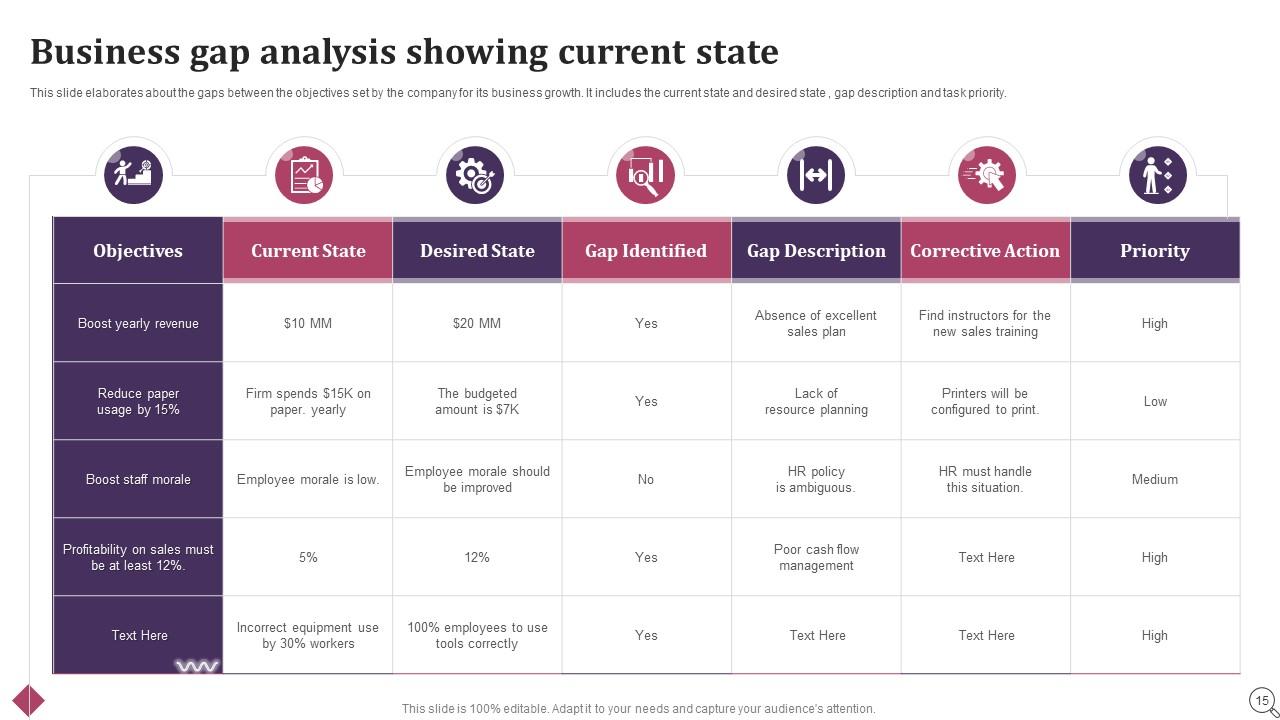
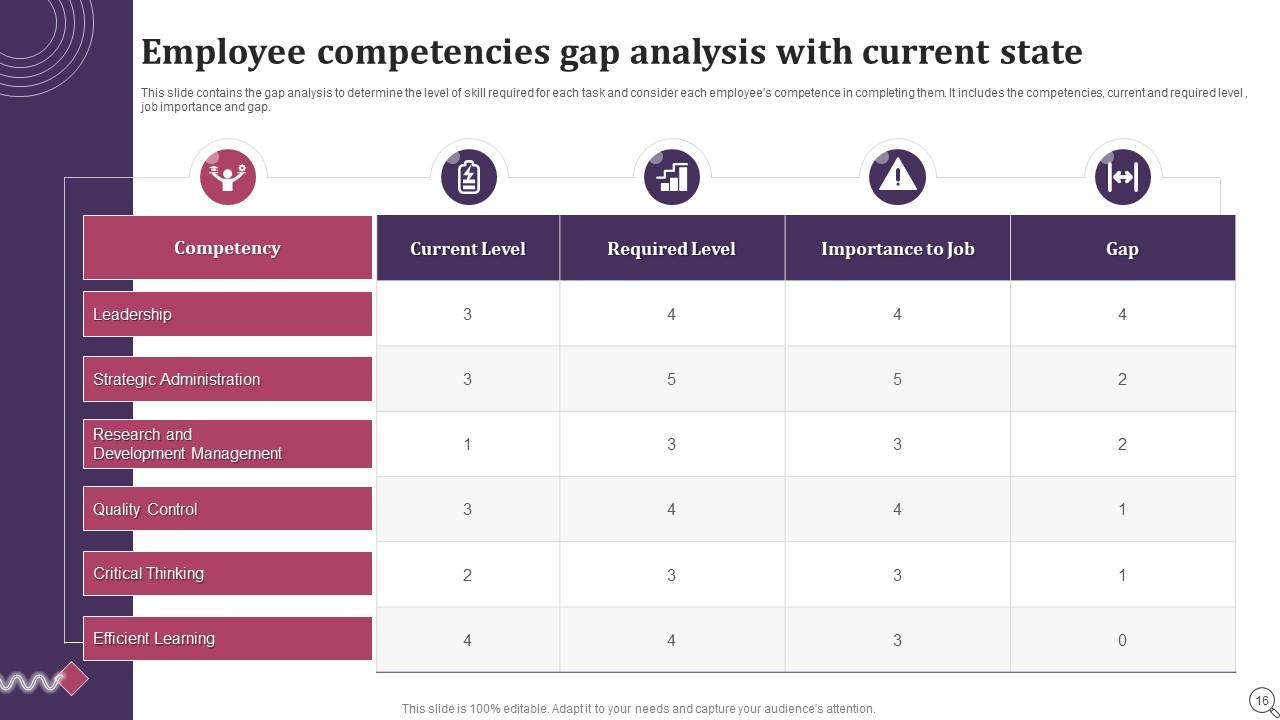
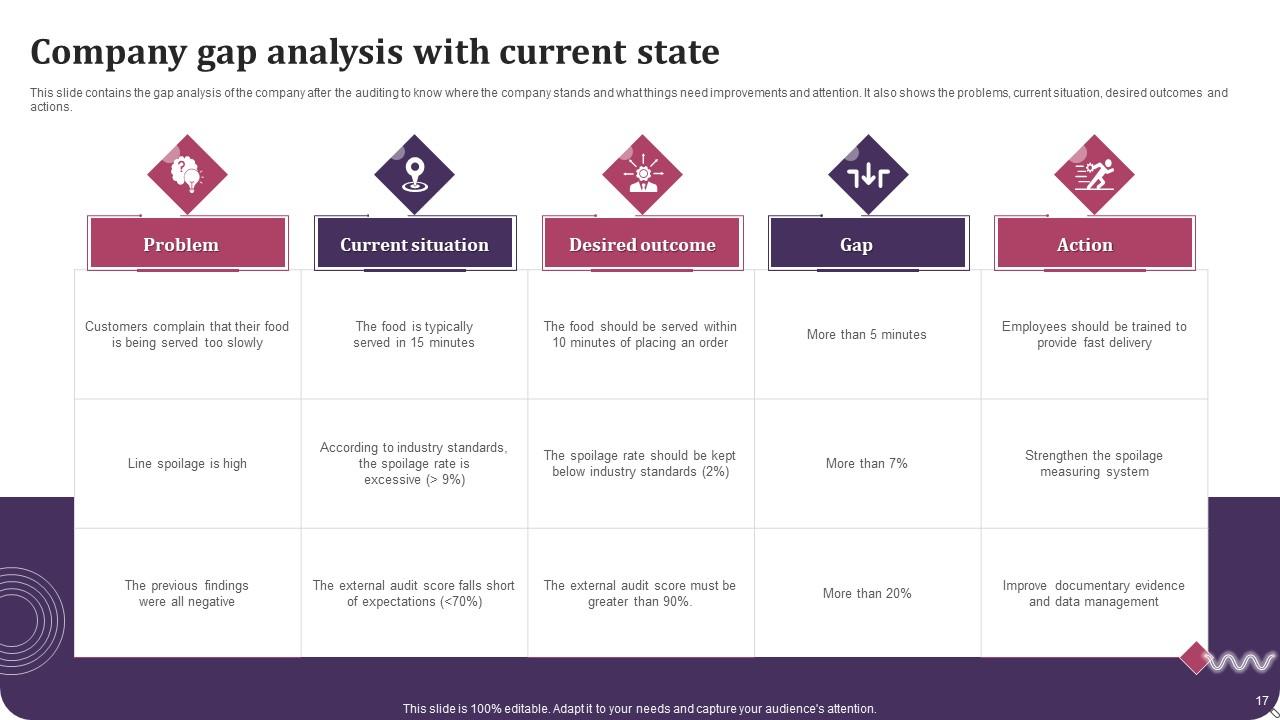
Current State Gap Analysis Powerpoint Ppt Template Bundles

Rating:
80%
Current State Gap Analysis Powerpoint Ppt Template Bundles
Slide 1 of 27
Favourites Favourites

Try Before you Buy Download Free Sample Product

Audience Impress Your
Audience
Editable 100%
Editable
Time Save Hours
of Time
The Biggest Sale is ending soon in
0
0
:
0
0
:
0
0
Rating:
80%
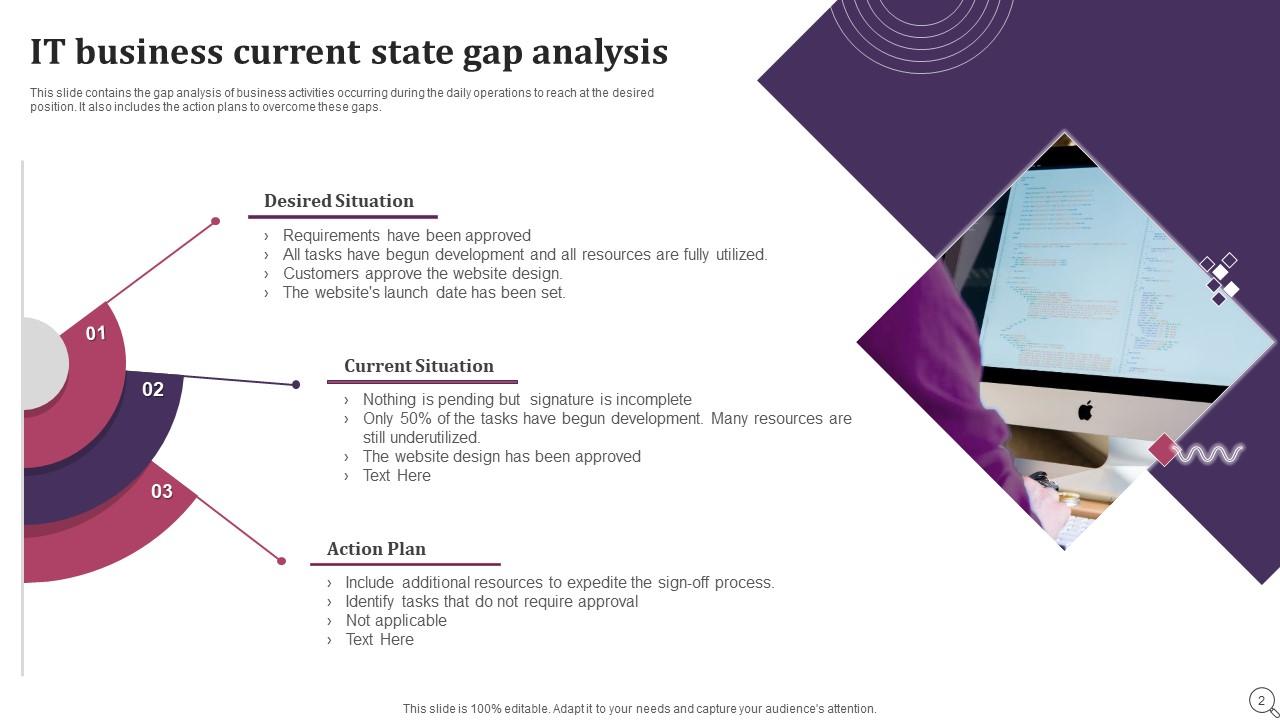
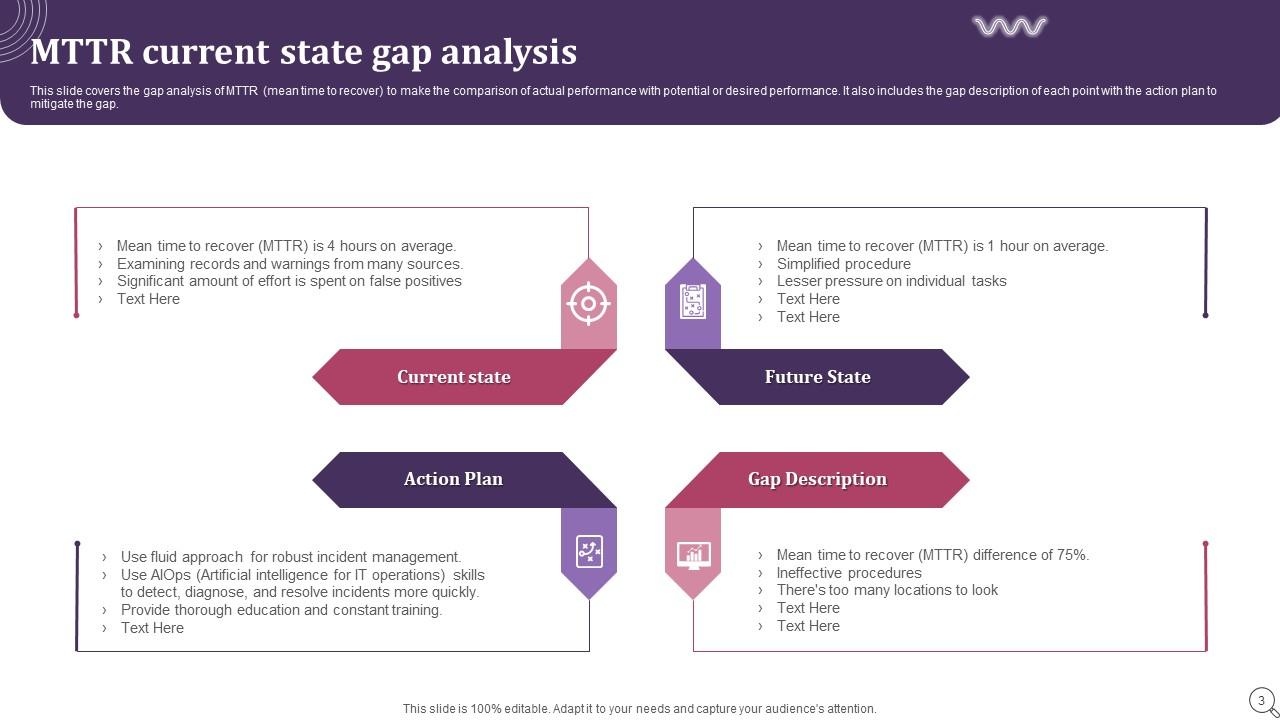
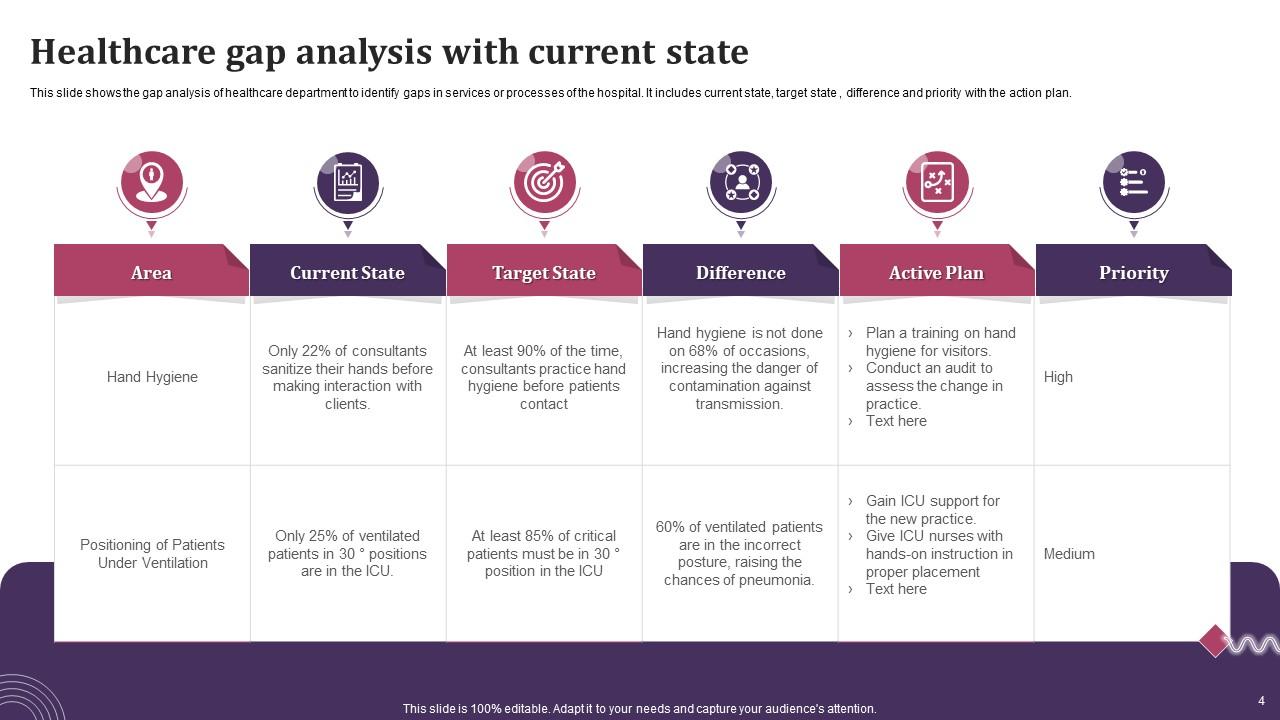
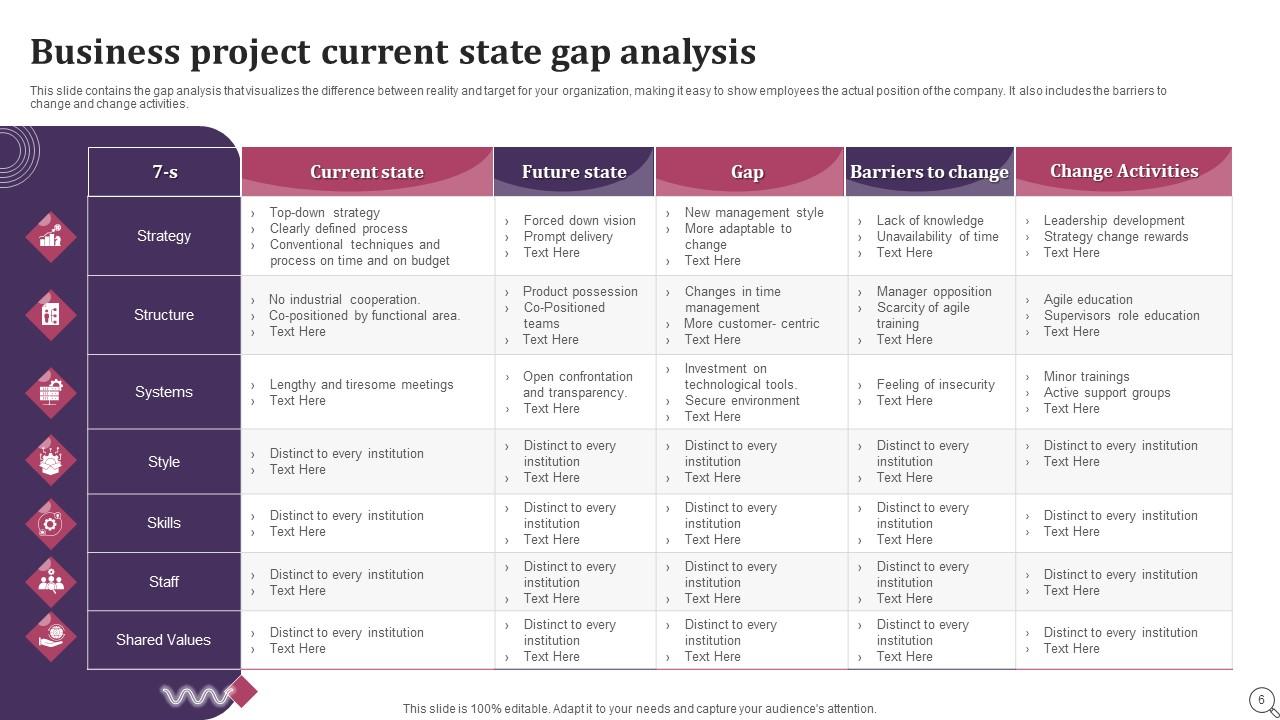
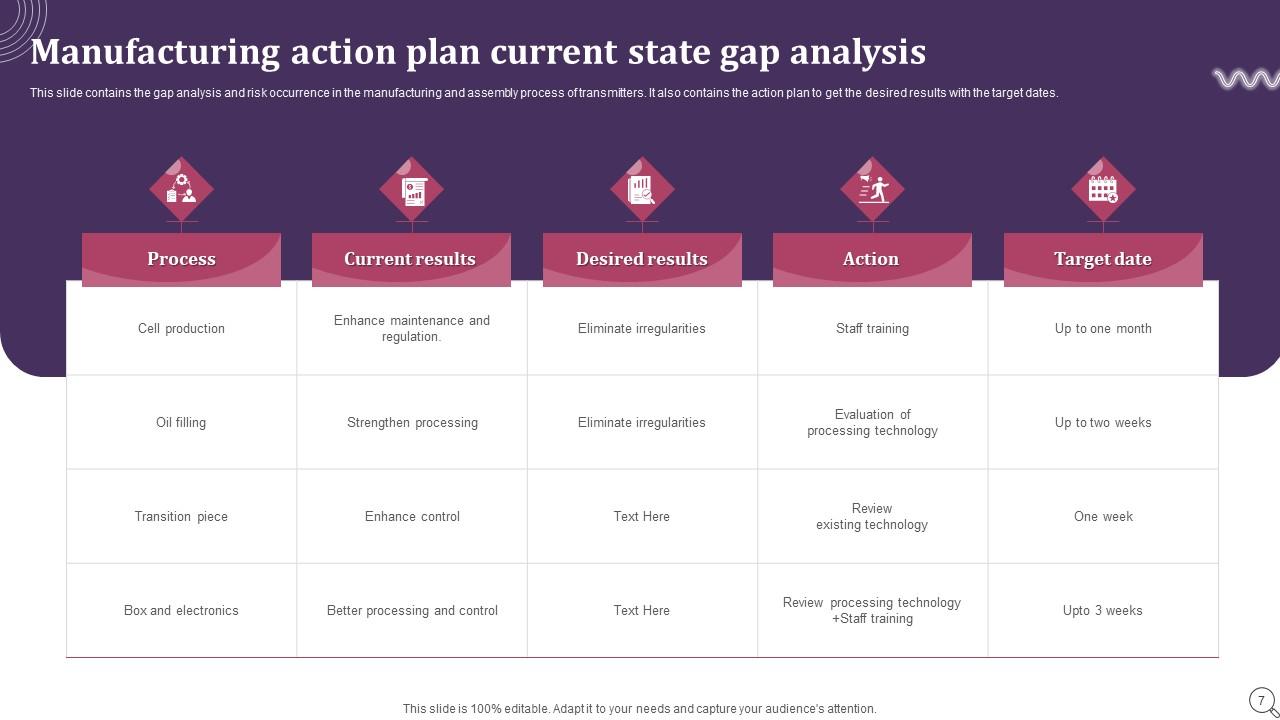
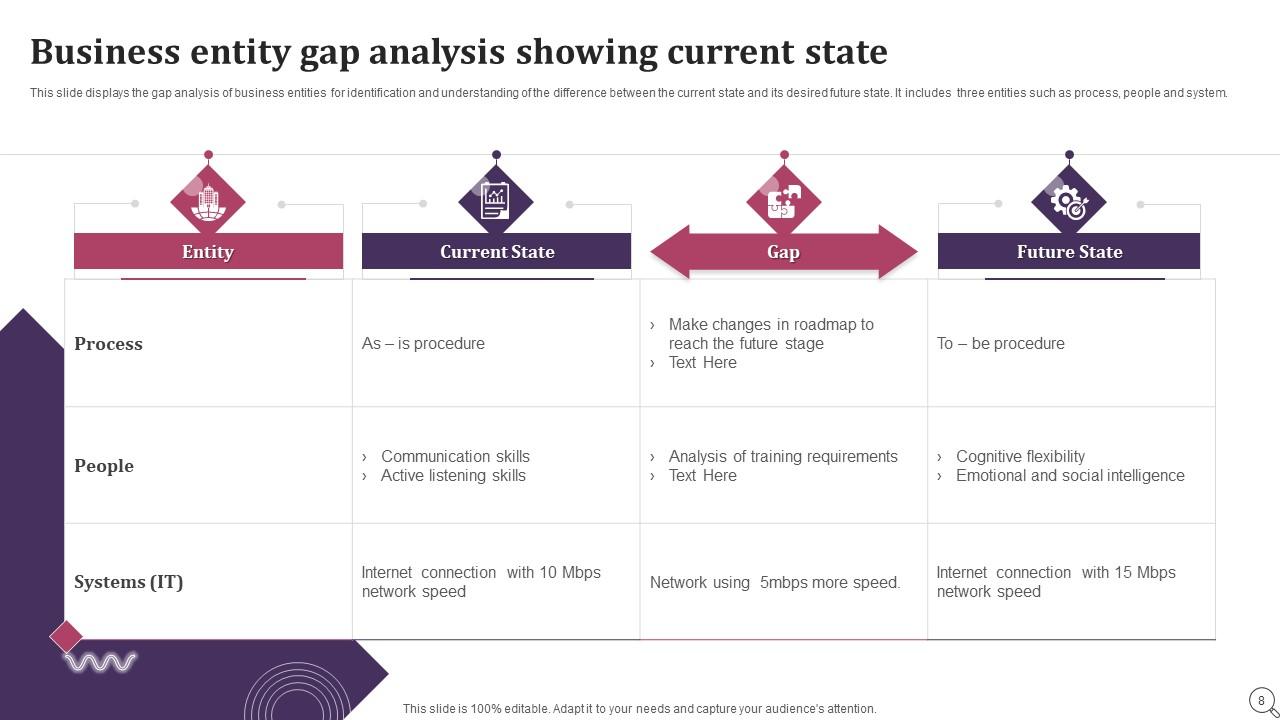
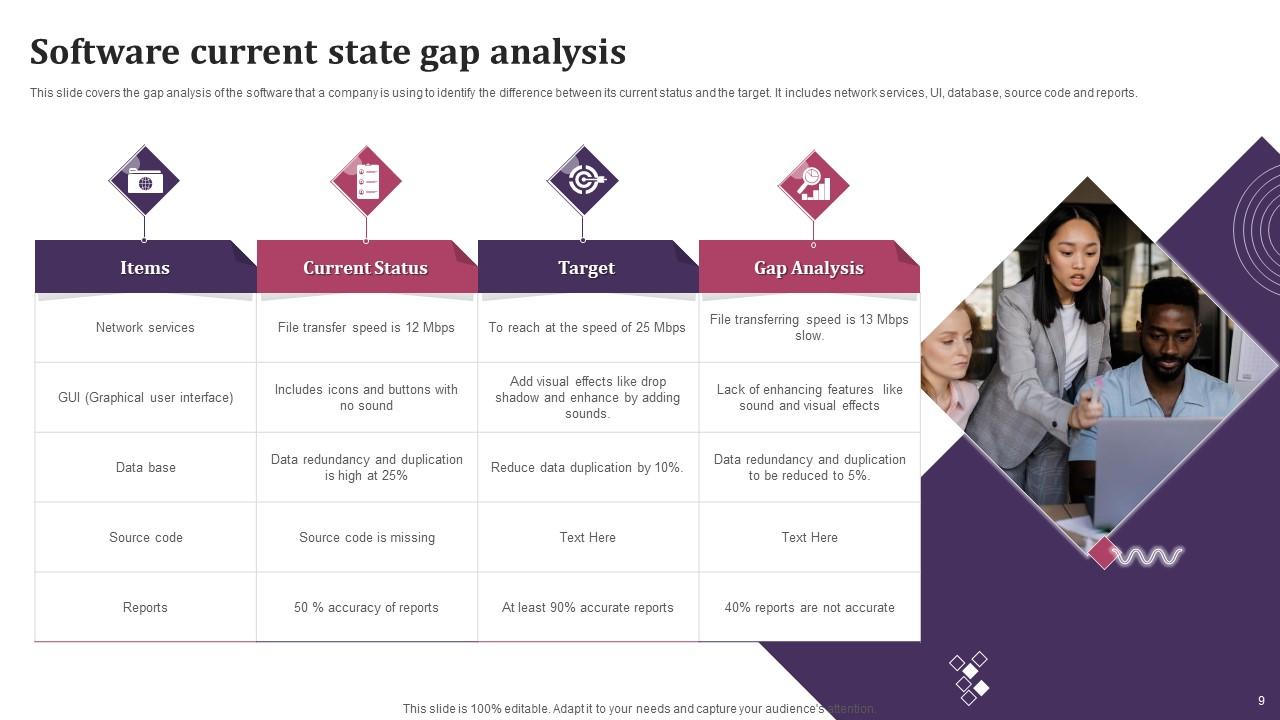
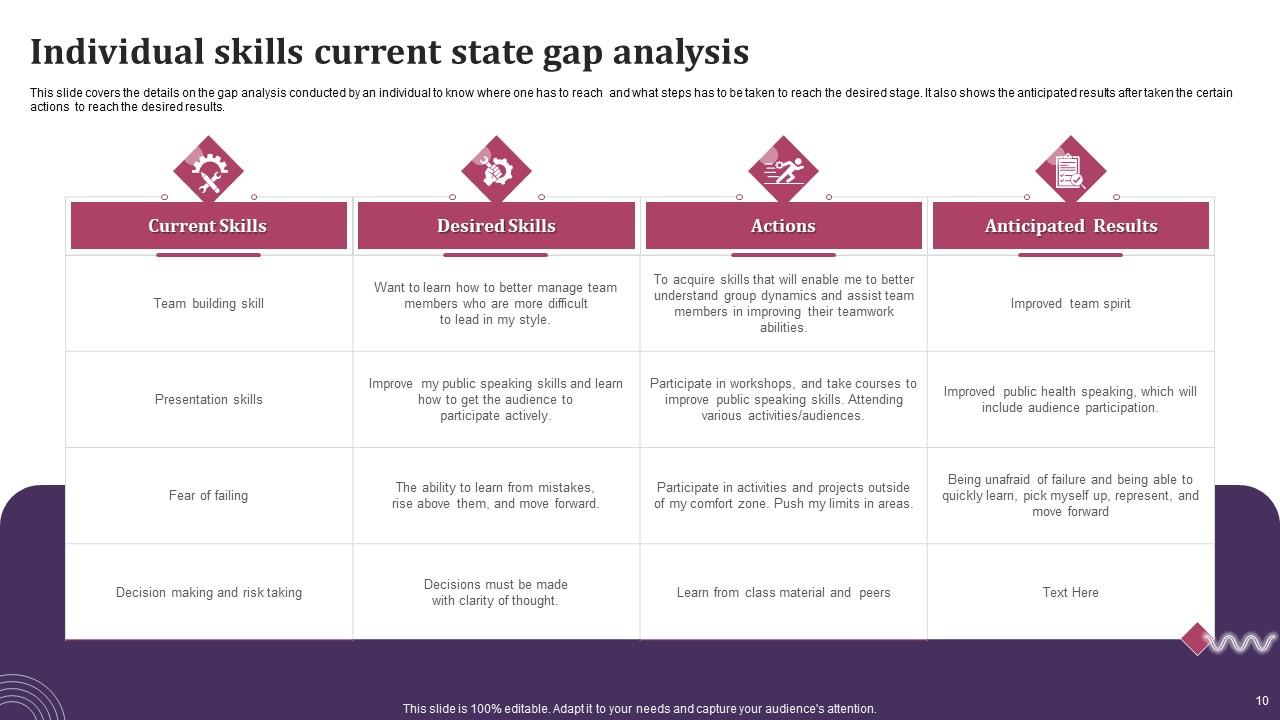
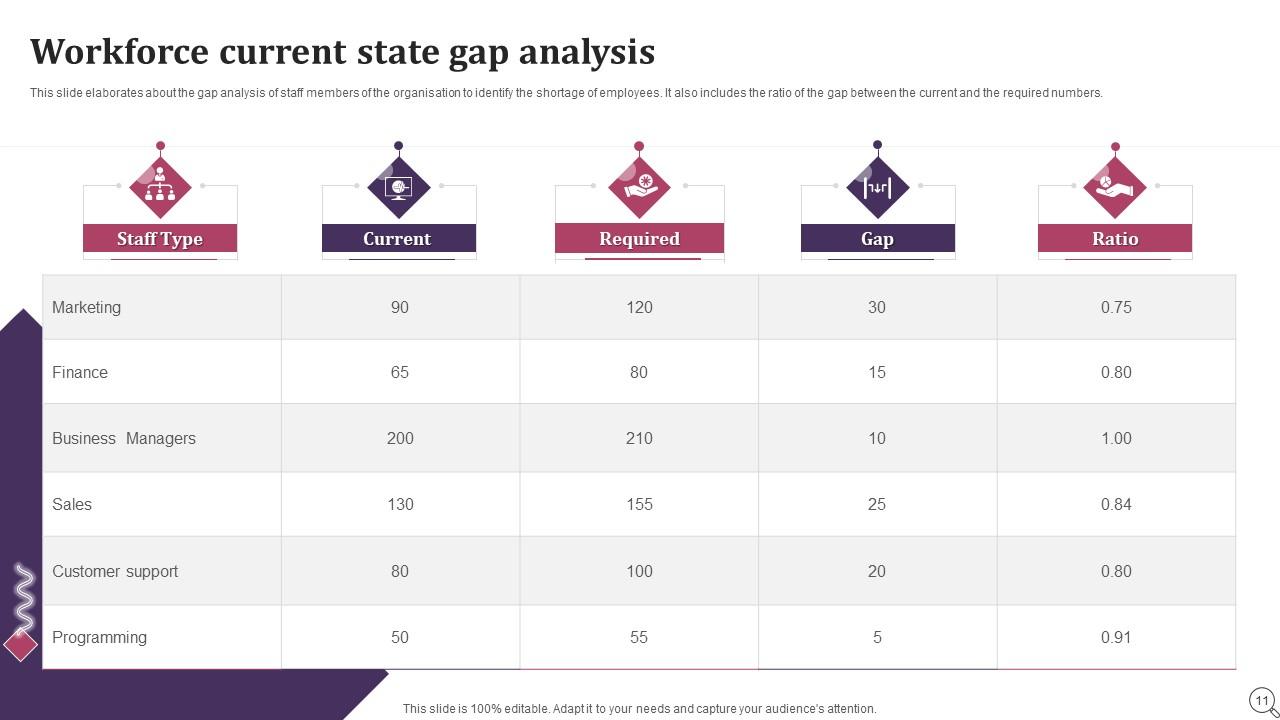
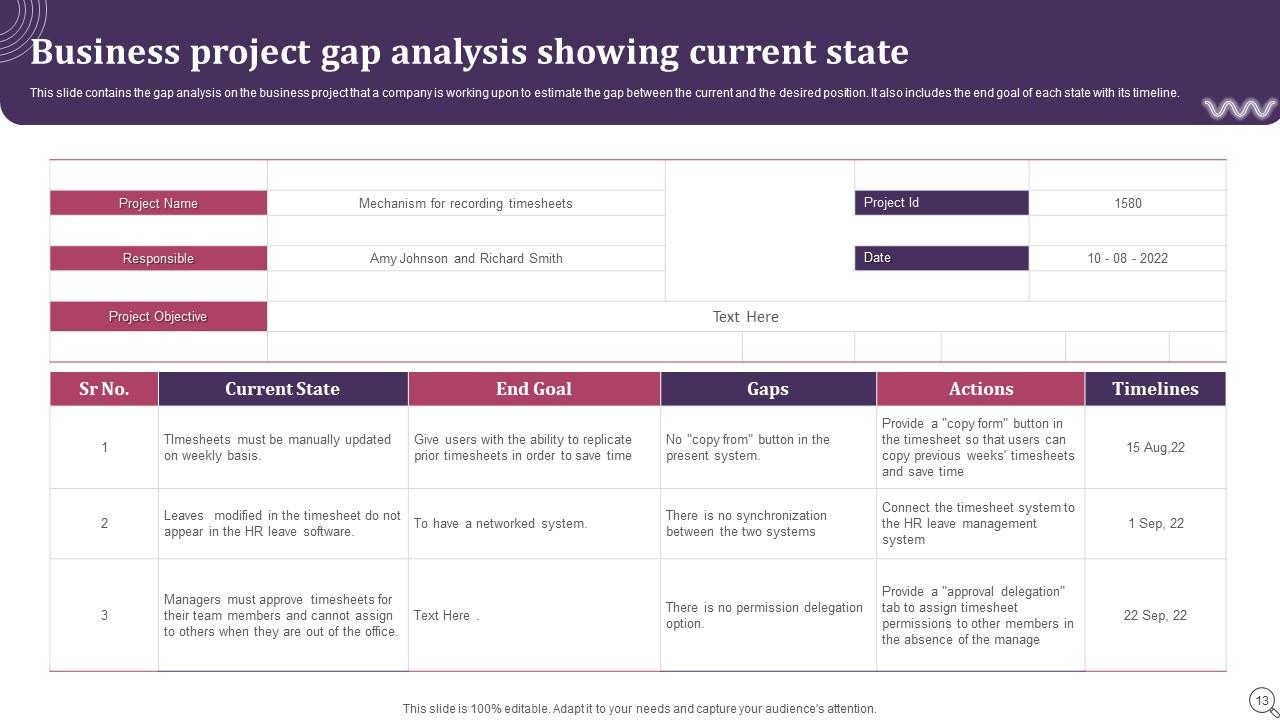
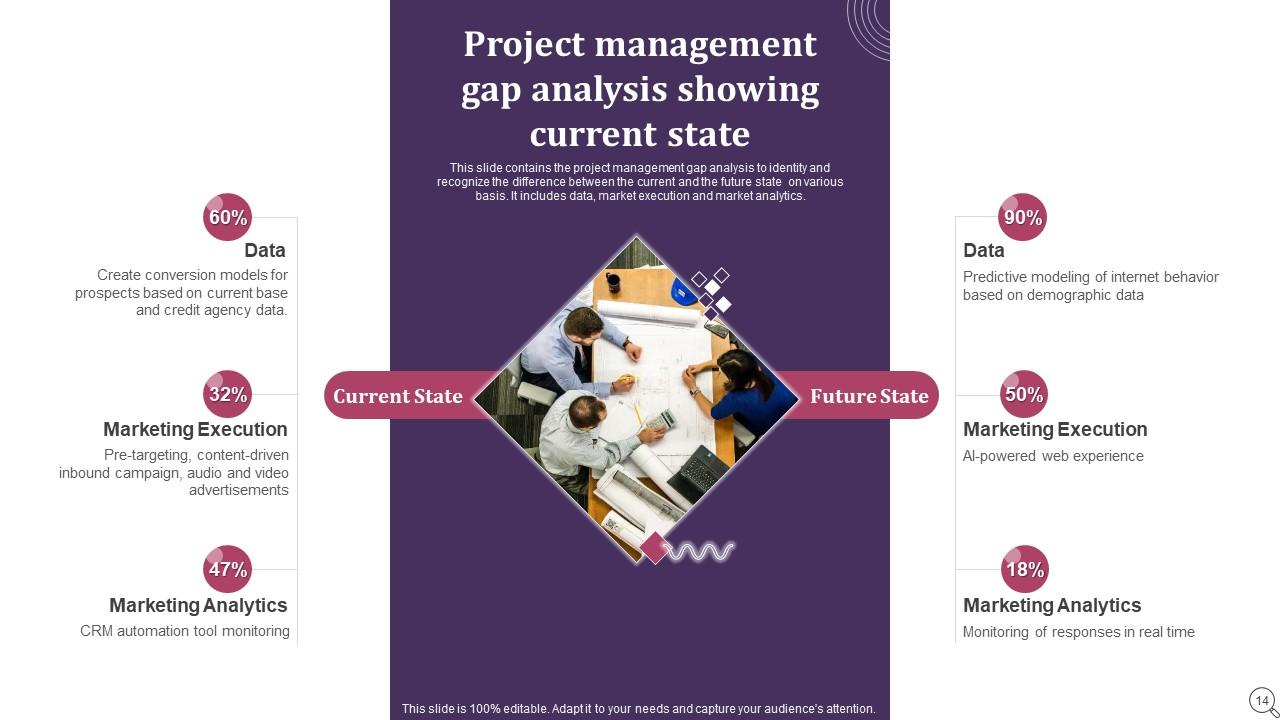
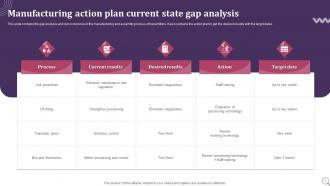
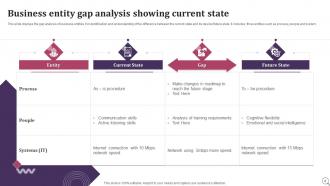
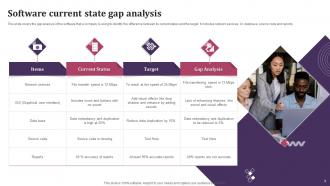
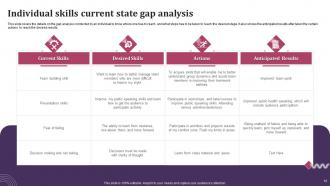
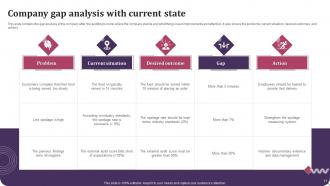
If you require a professional template with great design,then this Current State Gap Analysis Powerpoint Ppt Template Bundles is an ideal fit for you. Deploy it to enthrall your audience and increase your presentation threshold with the right graphics,images,and structure. Portray your ideas and vision using twenty two slides included in this complete deck. This template is suitable for expert discussion meetings presenting your views on the topic. With a variety of slides having the same thematic representation,this template can be regarded as a complete package. It employs some of the best design practices,so everything is well-structured. Not only this,it responds to all your needs and requirements by quickly adapting itself to the changes you make. This PPT slideshow is available for immediate download in PNG,JPG,and PDF formats,further enhancing its usability. Grab it by clicking the download button.

People who downloaded this PowerPoint presentation also viewed the following :

FAQs for Current State Gap Analysis Powerpoint

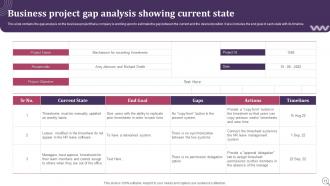
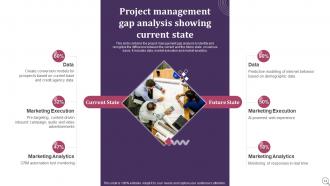
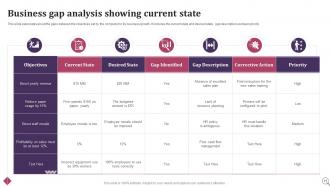
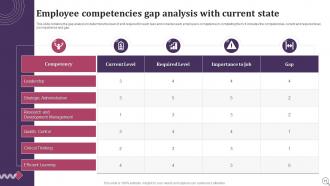
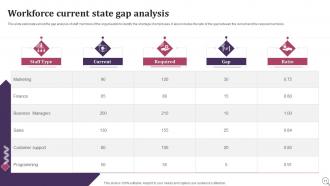
So you'll need to figure out where you're at now, where you want to be, and what's missing between those two points. Root cause analysis helps you understand why those gaps exist in the first place. Then prioritize by impact - what actually moves the needle? Most people totally skip digging into the why part, which is probably why their fixes never last. Oh, and implementation planning obviously. But honestly? Start with mapping your current situation first. That's where people usually fool themselves the most. You think you know where you stand until you actually write it down.

Honestly, gap analysis is a game changer - it shows you exactly what's broken instead of you just guessing. Pick one problem area that's been driving you crazy and compare where you are now vs where you want to be. You'll spot issues you didn't even know existed. The cool thing is you get actual data to back up your budget requests to leadership (way better than just complaining something's wrong). I've seen teams find skill gaps, process bottlenecks, all sorts of stuff. It's basically like having a map that shows you the roadblocks before you waste time hitting them. Super helpful for prioritizing what to fix first.

Start with a basic SWOT matrix - seriously, it's the easiest way to see where you are vs where you want to be. Google Sheets or Excel work fine for simple stuff. Got more complex processes? Lucidchart's great for mapping things out, or Miro if you're working with a team. Some people love fancy tools like SmartDraw, but honestly I've seen killer gap analyses done with just PowerPoint and those little sticky notes. The software doesn't really matter much. What counts is nailing down your current situation, figuring out your goals, and identifying what's missing between the two.
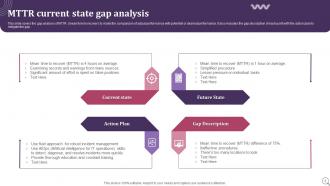
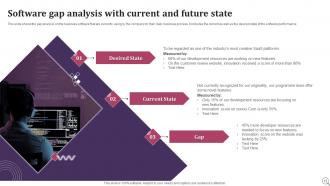
So current state is just where you're at right now - all the messy reality, inefficiencies, whatever. Your desired state? That's your target, like specific KPIs or new processes you want running. Here's the thing though - you've got to be brutally honest about where you actually are. No sugarcoating the current mess! And honestly, I've watched so many teams screw this up by being super vague about their end goal. Make both states really specific and measurable before you start identifying gaps. Otherwise you're just spinning your wheels trying to bridge some fuzzy "better" future.
Honestly, the biggest trap is being way too vague about where you actually stand right now. I've watched teams just spin in circles for weeks because they never defined what "good" even means. Don't only ask the higher-ups either - talk to people actually doing the daily work since they see the real problems. Oh, and here's something that drives me crazy: trying to fix literally everything at once. Map out exactly where you are first, then pick maybe 2-3 critical gaps that'll actually move the needle. Focus on what's both high-impact and doable.

You absolutely have to get stakeholders involved - they're the ones who actually know where things are broken. I mean, you can stare at spreadsheets all day, but they're dealing with the real problems every single day. Map out who's affected first, then just start talking to them early. Their input makes your whole analysis way better and more realistic. Plus here's the thing - if you don't include them in figuring out what's wrong, they'll never buy into your solutions later. That's just human nature, honestly. Interview them regularly and you'll catch stuff you'd never see otherwise.

Honestly, gap analysis is like your strategic reality check - you run it early in the planning process to see where you actually are vs where you want to be. Do it during your assessment phase, before you even think about setting goals. It'll show you exactly what's missing - whether that's capabilities, resources, performance, whatever. Those gaps become your priorities. I always tell people to start with this because otherwise you might end up solving the wrong problems entirely. Makes your whole strategy way more focused.

So gap analysis is like having a GPS for change - shows you where you're at vs where you wanna be. First thing? Map out your current situation honestly, don't make it sound prettier than it is. Then figure out what's missing - could be skills, processes, whatever. The cool part is you can spot trouble areas early since the biggest gaps usually mean the most pushback from people. I've seen this work really well because you're not just winging it anymore. You'll know which problems to fix first and can actually track if you're making progress. Way less stressful than flying blind through changes.

Honestly, I'd break it into three buckets: outcome stuff (revenue, customer happiness, productivity), process tracking (how long things take, error rates, compliance), and capability measures (skills, how you're using resources, system performance). But here's the thing - don't just pick what's easiest to track. Choose metrics your stakeholders actually care about. Start with maybe 3-5 that directly connect to your main business goals. You can always add more later. Oh, and when you're comparing against competitors or benchmarks, make sure you're not comparing totally different things - that's where people mess up.

Dude, technology totally changes the game here. Instead of those awful spreadsheets we used to rely on, you can grab real-time data automatically. No more human error screwing things up. Machine learning spots patterns I'd never catch - like seriously, it's kind of scary how much better it is than me at this stuff. The visualization tools are clutch too. They make it super obvious where the gaps are so your whole team gets it instantly. Oh, and start with getting your data digital first - that's honestly the biggest pain point. Then add the fancy analytics stuff after.

Healthcare and manufacturing companies see huge wins from gap analysis - they can't mess around with compliance stuff. Tech follows right behind since everything changes so fast. Financial services and retail do well with it too, mostly because regulations never stop shifting and customers always want something new. Pretty much any heavily regulated industry benefits, but honestly? You'll get the best results when you have solid standards to compare against - whether that's regulatory stuff, industry benchmarks, whatever. My advice: tackle your most regulated processes first and work from there.

So gap analysis is like having a specific target - you know exactly where you want to be and you're figuring out what's blocking you from getting there. SWOT's way more general though. You're just mapping out all your strengths, weaknesses, opportunities and threats without a particular goal in mind. Honestly, I think SWOT can feel kind of overwhelming sometimes because it's so broad? But here's the thing - they actually pair really well. Do your SWOT first to get the big picture, then use gap analysis to build your actual plan. Gap analysis is basically "we're here, need to be there, what's missing" while SWOT shows you everything.

Dude, lead with an executive summary that hits the biggest gaps and why they matter financially - execs don't want to wade through details first. Back everything up with real data and examples. Then rank your gaps by how urgent they are and what resources you'll need. I've watched so many of these reports just die because they were written like boring textbooks. Charts and visuals are your friend here - make the data actually readable. Oh, and this is key: bring them solutions with realistic timelines, not just problems. You want them thinking "yeah, let's go with option two" before you even finish talking.

Dude, gap analysis is clutch for compliance stuff. Pick your biggest regulation and map out what they actually want vs what you're doing right now. The differences? Those are your gaps. Honestly, it's way better to find these yourself before some auditor comes in and points them out. You'll get this clear roadmap of what needs fixing - maybe it's training, maybe new procedures, whatever. Short sentences make it super obvious where the real risks are hiding. I'd start with just one regulation this quarter and see how it goes.

After you spot your gaps, rank them by impact and how easy they'll be to fix. Go for the big wins that won't kill you first. Make action plans with owners, deadlines, and ways to measure success. Here's the thing - most people try fixing everything at once and just burn out. Pick 2-3 critical ones to start. Schedule regular check-ins to see how it's going and tweak things if needed. The whole point is turning those insights into actual steps with someone accountable. Just get a meeting on the calendar with your team to hash out priorities and divvy up the work.

Ratings and Reviews

80% of 100
Review Form
Write a review
Most Relevant Reviews
  1. 80%

    by Chong Richardson

    Great quality product.
  2. 80%

    by Charlie Reed

    “Love it! I was able to grab an exciting proposal because of SlideTeam.”

2 Item(s)

per page: