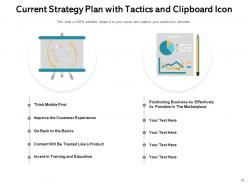
Current Strategy And Plan Business Growth Goals Marketing Product Education

Rating:
100%
Current Strategy And Plan Business Growth Goals Marketing Product Education
Slide 1 of 12
Favourites Favourites

Try Before you Buy Download Free Sample Product

Audience Impress Your
Audience
Editable 100%
Editable
Time Save Hours
of Time
The Biggest Sale is ending soon in
0
0
:
0
0
:
0
0
Rating:
100%
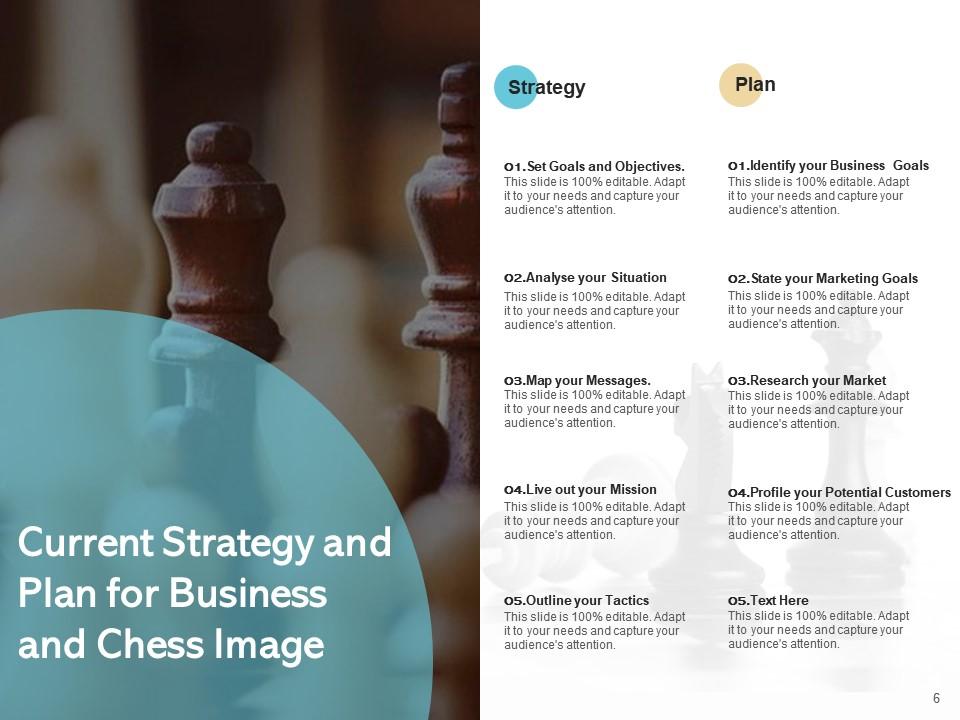
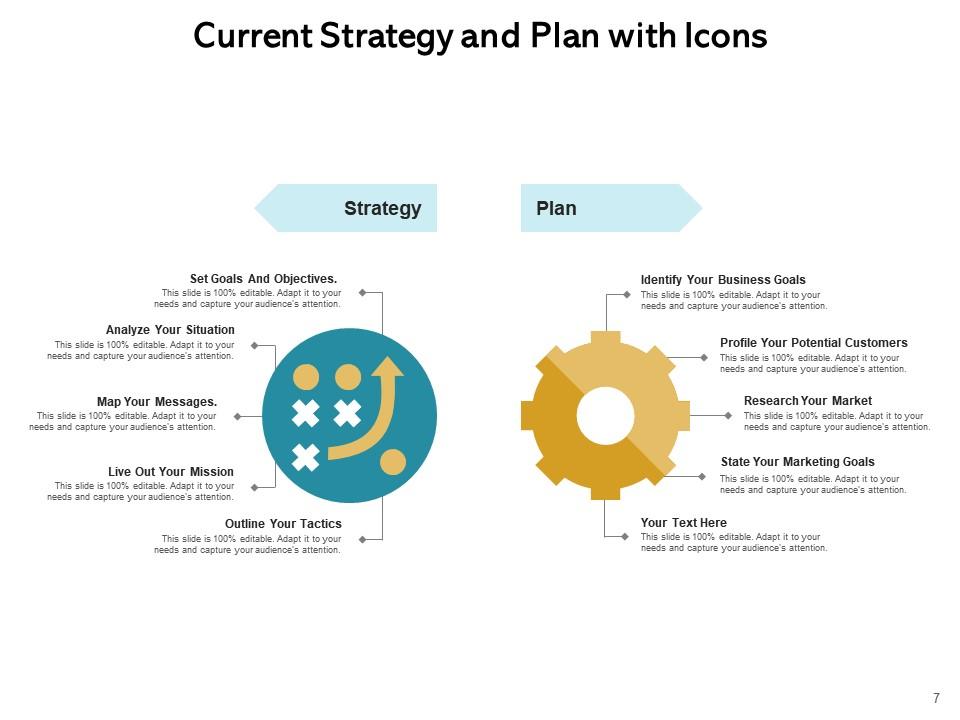
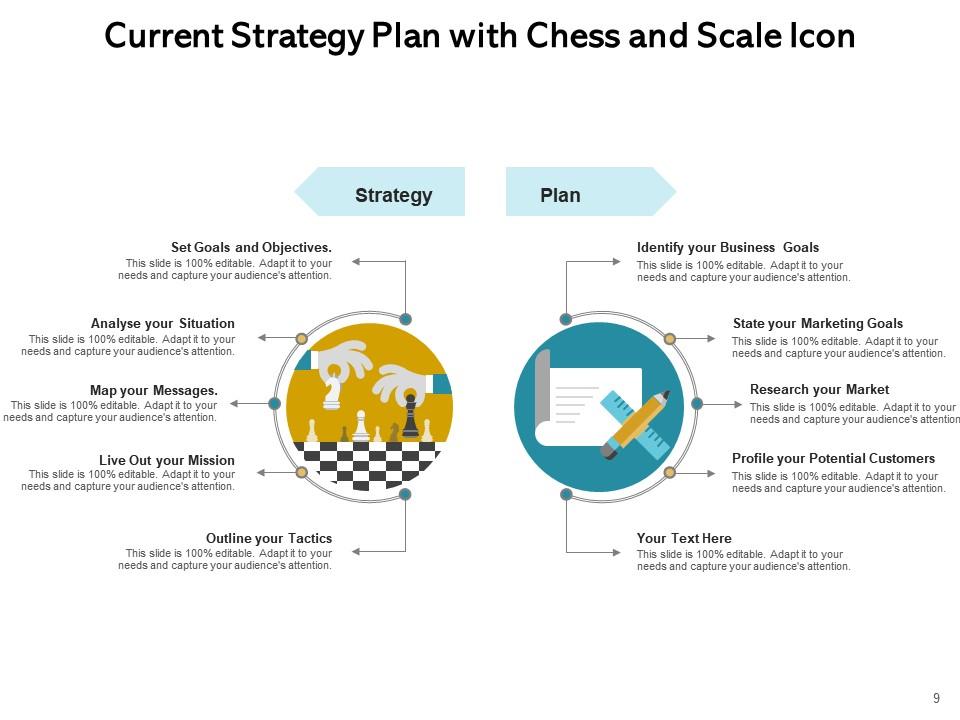
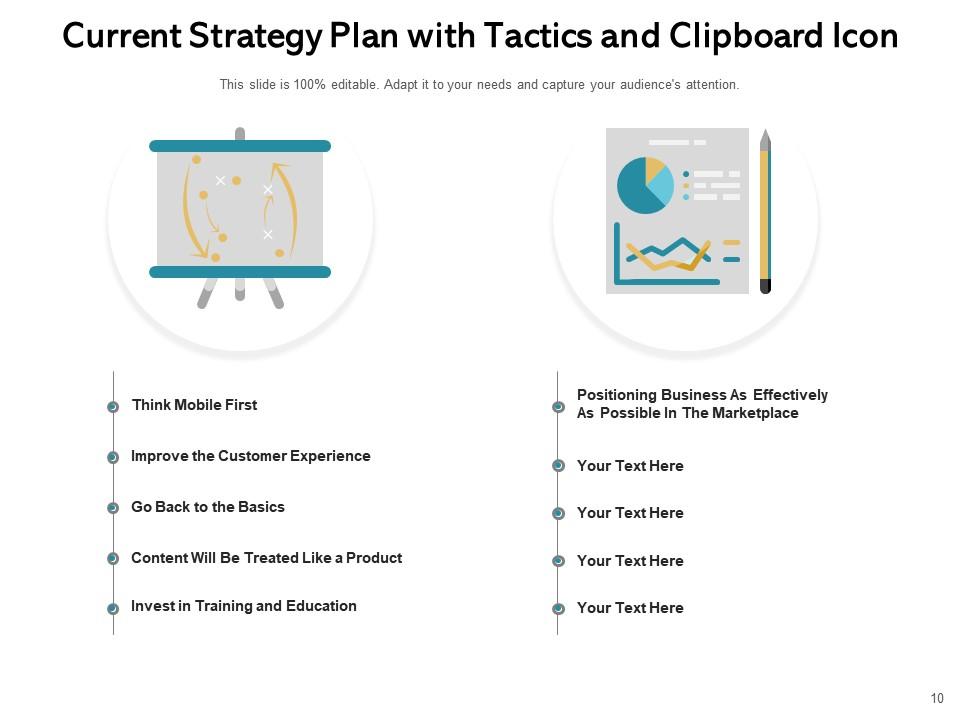
This complete deck covers various topics and highlights important concepts. It has PPT slides which cater to your business needs. This complete deck presentation emphasizes Current Strategy And Plan Business Growth Goals Marketing Product Education and has templates with professional background images and relevant content. This deck consists of total of twelve slides. Our designers have created customizable templates, keeping your convenience in mind. You can edit the colour, text and font size with ease. Not just this, you can also add or delete the content if needed. Get access to this fully editable complete presentation by clicking the download button below.

FAQs for Current Strategy And Plan Business Growth Goals

Honestly, start with market research and figuring out who your actual customers are - can't believe how many people skip this step lol. You need solid financial planning too, plus some way to track if you're actually growing. Competitive positioning matters, but don't get too caught up in what everyone else is doing. Focus on your customers' biggest headaches first, then build everything around fixing those better than the competition. Oh and get the right team early - that's huge. I'd pick maybe 2-3 of these things to really nail down before moving on to the rest.

Honestly, just talk to your best customers first. Skip the expensive research stuff for now - ask them why they picked you over competitors and what problem you're actually solving. Check your Google Analytics too, see who's already buying. Demographics, buying patterns, all that. I'd way rather have 100 people who are obsessed with my product than 1000 who are kinda interested, you know? Then find more people who look exactly like your current buyers. Don't try appealing to everyone - that's how you end up appealing to no one.

Look, market research is basically your roadmap for figuring out what people actually want - not what you *think* they want. It shows you real opportunities and helps you understand your competition. Too many startups I know just threw money at the wrong customers because they didn't bother with this step first. You'll want both hard data and those gut-feeling insights from talking to people. Honestly, your current customers are pure gold for this stuff. They'll tell you exactly what's working and what still sucks. Research validates your ideas before you blow serious cash on them.

Honestly, just focus on automating the stuff that wastes your time every day. Get a decent CRM first - it'll show you which leads actually convert instead of guessing. Cloud platforms are clutch for scaling without dropping crazy money upfront (remember when this tech cost a fortune?). AI's gotten really good for customer service bots and predicting what inventory you'll need. But here's the thing - don't go nuts trying to digitize everything. Pick 2-3 tools that fix your biggest headaches. Data analytics will help you make way smarter decisions too.

Build your systems way before you think you'll need them - trust me on this one. Most companies I've seen totally mess this up and wait until they're drowning. Document everything now, even the boring stuff. Set up quality checks at every step so nothing slips through. Training your team consistently is huge too, otherwise standards just fall apart when you hire more people. Get decent project management tools early (or whatever automation cuts down on stupid mistakes). Honestly, even if scaling feels forever away, start writing this stuff down today. You'll thank yourself later.

Honestly, partnerships are such a game changer for growth. You get instant access to new customers and markets without building everything yourself. Find companies that serve your ideal customers but aren't competing with you directly - then you can cross-promote, split marketing costs, or even create stuff together. I always tell people to make a list of who's already talking to the people you want to reach. It's basically like having a business buddy who introduces you to all their friends. Way faster than going solo, and both sides win.

Honestly, you need both revenue and operational metrics or you're flying blind. Track your revenue growth rate, customer acquisition cost, and lifetime value - those are non-negotiables. If you're subscription-based, monthly recurring revenue is everything. But here's what most people miss: operational stuff like employee productivity and churn rate actually tell you if your growth will last or just fizzle out. Oh, and watch cash flow like a hawk because I've seen companies grow themselves right into bankruptcy. Stick to maybe 5-7 metrics and check them weekly.

Look at what your current customers are already asking for - that's usually your easiest money. From there, you've got a few routes: new products for the same market, same products for new customers, or different ways to reach people. Oh, and vertical integration if you want to control more of your supply chain (though that's getting pretty deep). Honestly don't stray too far from what you're good at right away. I've watched companies completely face-plant trying to do five new things simultaneously. Test one direction small first, see what sticks, then go bigger with whatever's working.

Dude, engaged employees are game-changers for growth. They're way more productive and actually stick around instead of jumping ship every six months. When people care about their work, they'll brainstorm solutions you'd never consider and genuinely help customers. The turnover thing alone will drain your budget - training new people constantly is such a nightmare. Your best employees basically become walking advertisements for your company too, which is pretty cool. Oh, and here's what actually works: just ask your team what gets them fired up and what's frustrating them. Simple conversations go surprisingly far.

Honestly, your brand is like the foundation of your whole growth strategy. It decides what markets you can actually enter without looking ridiculous, plus what prices people will pay. Apple's the perfect example - they went from computers to phones to watches because people already trusted them. Weak brands can't pull that off. You'll either compete on price or value, and that completely changes how you grow. I'd say focus on building that brand equity early on because it becomes this crazy multiplier later. Strong brands just have way more options.

Dude, growing too fast will mess you up in three main ways. Cash flow becomes a nightmare - you're spending faster than money's coming in. I've watched so many good companies die from this exact thing, it's brutal. Quality starts slipping because everyone's just trying to keep their head above water. Also you end up hiring whoever's available instead of the right people, which creates this whole mess of cultural problems. Growth is addictive but you gotta pace yourself. Set goals that push you without completely wrecking what you've already built.

Dude, customer feedback is literally your cheat sheet for growth - no more shooting in the dark. Look for patterns in what people actually want (not what you think they want), what's pissing them off enough to leave, and missed opportunities. I swear most companies collect feedback then just... ignore it? Anyway, grab your last 50 pieces of feedback from surveys, support tickets, whatever. Categorize that stuff and boom - there's your priority list. Way better than guessing what'll move the needle.

Honestly, you can't survive long-term without innovation - it's what keeps competitors from eating your lunch. Markets change constantly, so you've got to adapt or you'll end up like Blockbuster (though I still miss browsing those aisles sometimes). The thing is, innovation doesn't have to be some crazy breakthrough. Could be streamlining your processes, targeting different customers, or just delivering service better. Build it into how your team thinks. They should always be asking "how can we do this better?" Start small but keep at it consistently.

Honestly, do your homework first - research the hell out of your target customers and competitors before you dive in. We completely botched this at my old company by skipping that step (expensive mistake lol). Start small with a pilot program or find a local partner who actually knows what they're doing. Test demand without blowing your entire budget. Market research sounds boring but it's literally the difference between success and failure. Once you've got proof that people want your stuff, then you can throw more money at scaling up operations and marketing.

Honestly, you've got tons of options here. Bank loans and SBA stuff will get you the best rates if your credit's decent. Angel investors or VCs are great too, but you'll have to give up some ownership - totally worth it though if you need serious cash. Lines of credit are clutch because you can just pull money when you actually need it. Equipment financing could work depending on what you're buying. Invoice factoring's a thing too, or even crowdfunding if that fits your vibe. My advice? Figure out your exact numbers first - like how much and when you need it. Then you can actually pick what makes sense instead of just grabbing whatever.

Ratings and Reviews

100% of 100
Review Form
Write a review
Most Relevant Reviews
  1. 100%

    by Mason Thompson

    The content is very helpful from business point of view.

1 Item

per page: