


Marketing And Sales Strategy Business Plan Powerpoint Presentation Slides
Do you need a layout to present your marketing and sales strategy with? Use this Marketing and Sales Strategy Business Plan PowerPoint Presentation Slides for your growth and expansion. This content-ready sales business plan PowerPoint presentation will help you explain your company’s sales and marketing techniques. It can be presented by all the executives with ease and precision. Comprising 77 pre-made slides on topics like our product, action plan, value proposition, project delivery timeline, advantages, product testimonials, our locations, case study, product traction, key product, service offering, pricing, and package, etc, this template helps cover every important element in detail. In addition to this, our marketing and sales PPT slideshow can be used to conduct an expert discussion on topics like vision, mission, goals, our team, about us, comparison, quotes, dashboard, target, matrix, hierarchy, etc. Therefore, download this PPT deck to display proactive strategies, that yield positive results for your organization.
Do you need a layout to present your marketing and sales strategy with? Use this Marketing and Sales Strategy Business Plan..





























-

- Google Slides is a new FREE Presentation software from Google.
- All our content is 100% compatible with Google Slides.
- Just download our designs, and upload them to Google Slides and they will work automatically.
- Amaze your audience with SlideTeam and Google Slides.
-

Want Changes to This PPT Slide? Check out our Presentation Design Services
-

- WideScreen Aspect ratio is becoming a very popular format. When you download this product, the downloaded ZIP will contain this product in both standard and widescreen format.
-

- Some older products that we have may only be in standard format, but they can easily be converted to widescreen.
- To do this, please open the SlideTeam product in Powerpoint, and go to
- Design ( On the top bar) -> Page Setup -> and select "On-screen Show (16:9)” in the drop down for "Slides Sized for".
- The slide or theme will change to widescreen, and all graphics will adjust automatically. You can similarly convert our content to any other desired screen aspect ratio.
Compatible With Google Slides

Get This In WideScreen
You must be logged in to download this presentation.


Do you want to remove this product from your favourites?
PowerPoint presentation slides
Grab our professionally designed Marketing and Sales Strategy Business Plan PowerPoint presentation that is sure to impress executives, inspire team members and other audience to reach the set goals. With a complete set of 77 slides, this PPT is the most comprehensive summary of 77 you could have asked for. The content is extensively researched, and designs are professional. Our PPT designers have worked tirelessly to craft this deck using beautiful PowerPoint templates, graphics, diagrams and icons. On top of that, the deck is 100% editable in PowerPoint so that you can enter your text in the placeholders, change colours if you wish to, and present in the shortest time possible.

People who downloaded this PowerPoint presentation also viewed the following :
Content of this Powerpoint Presentation
Slide 1: This slide introduces Marketing And Sales Strategy Business Plan and states your company name.
Slide 2: This is an Agenda slide. State company agendas etc. here.
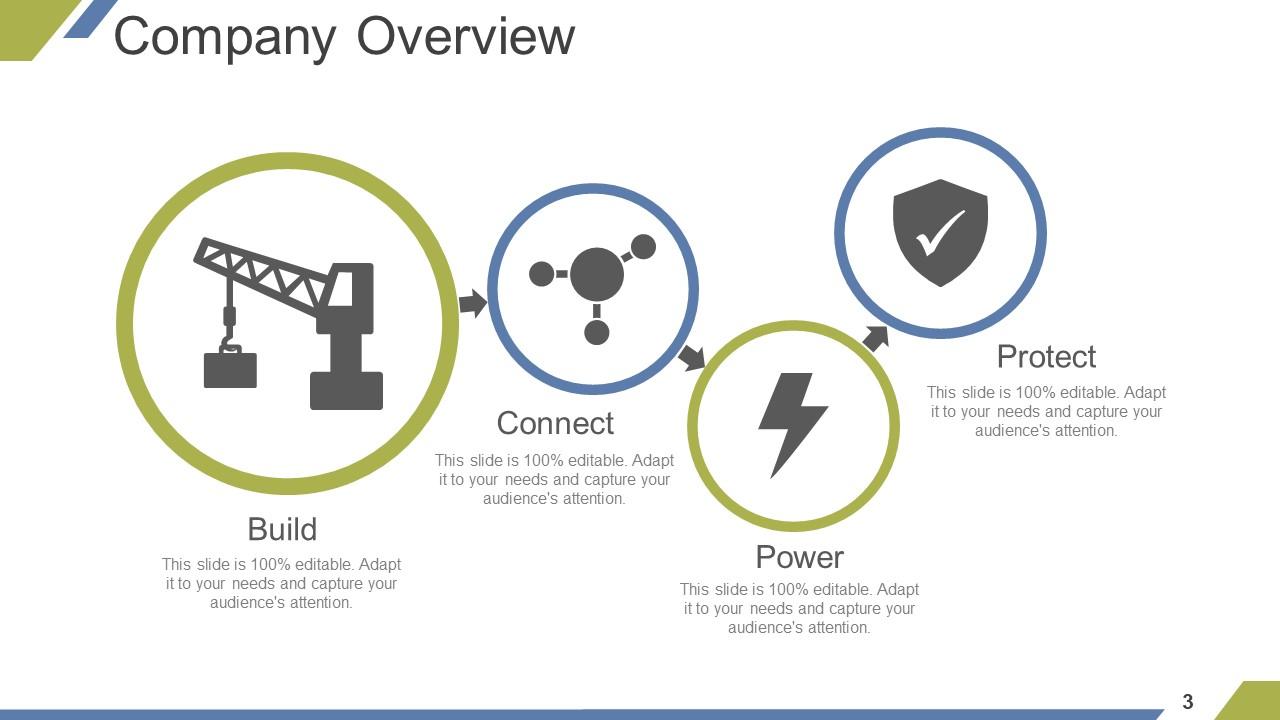
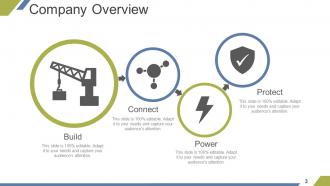
Slide 3: This slide presents Company Overview with Build, Connect, Power, Protect as its sub-headings showcased with their respective icons.
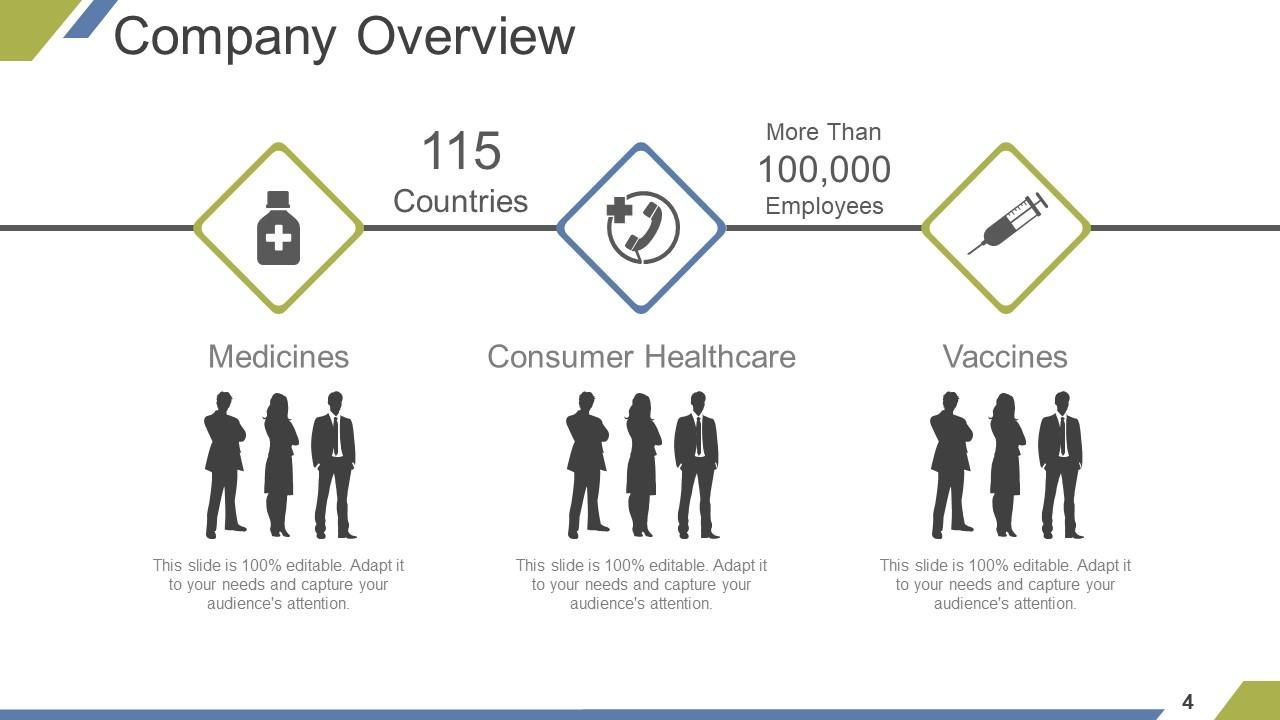
Slide 4: This too is a Company Overview slide.
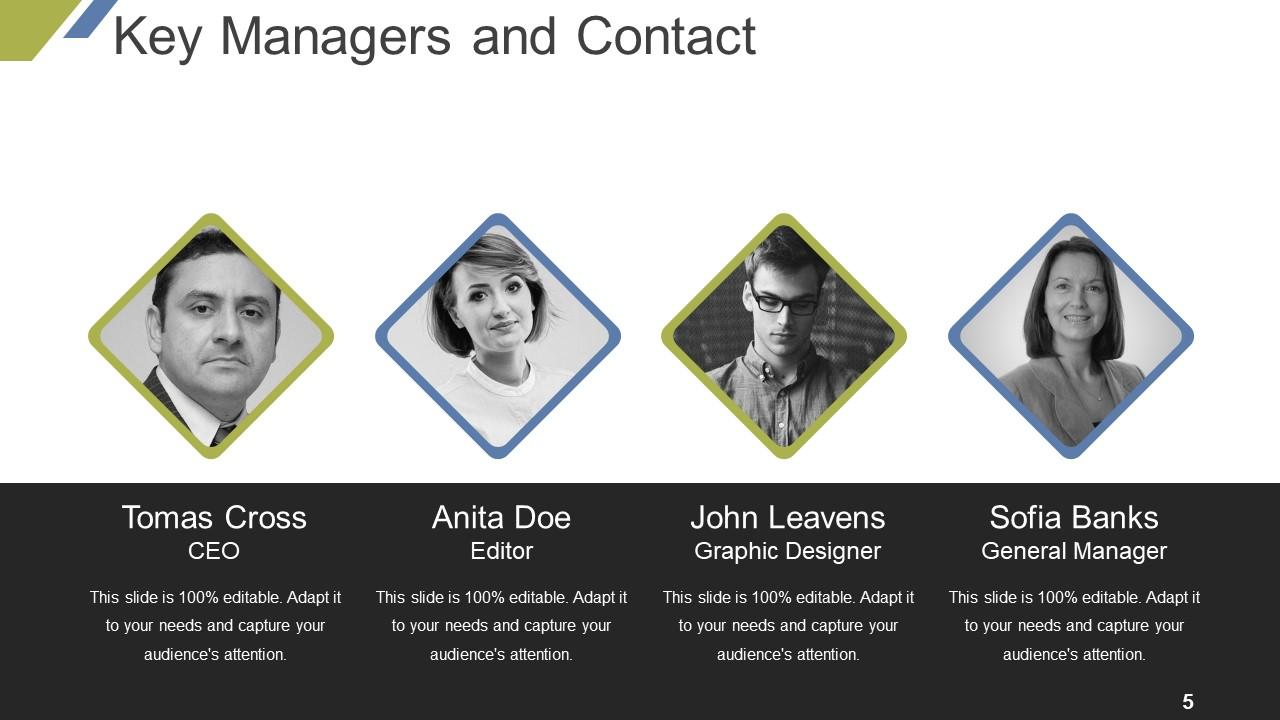
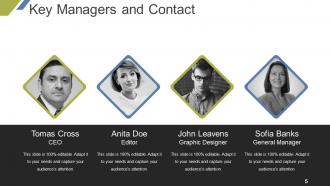
Slide 5: This slide states various Key Managers and Contact with name, designation and other details to be filled as per need.
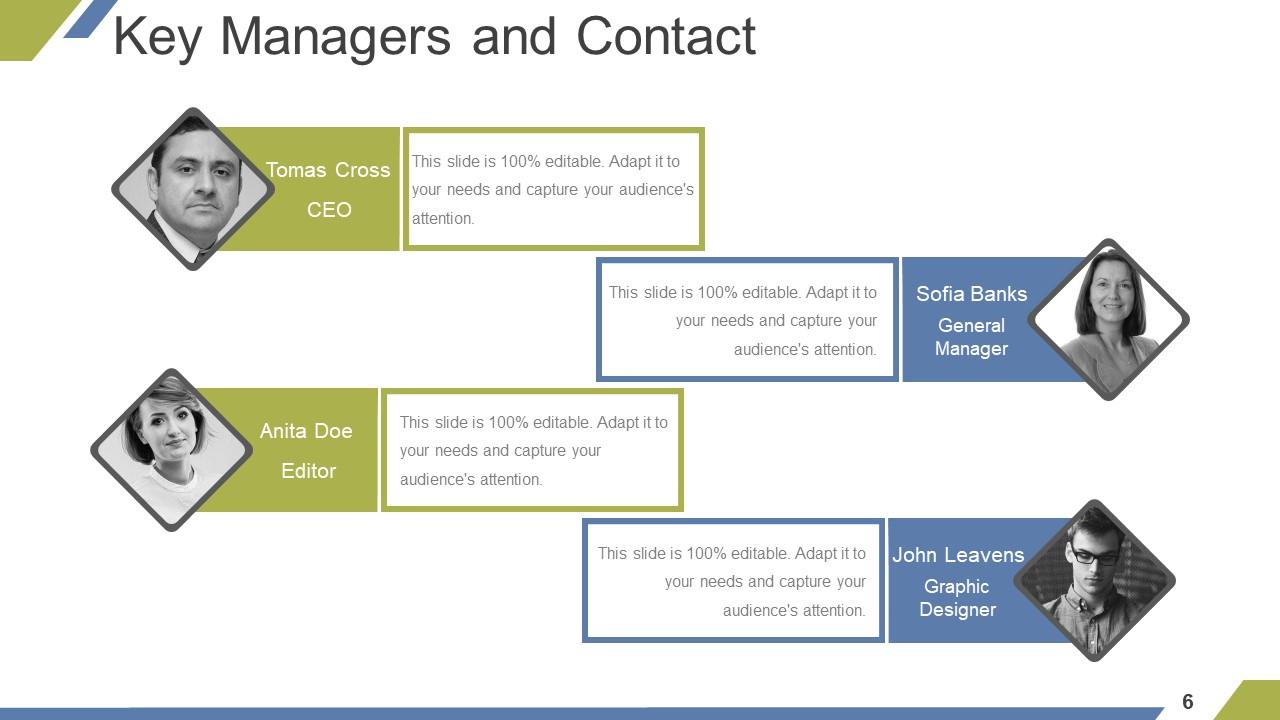
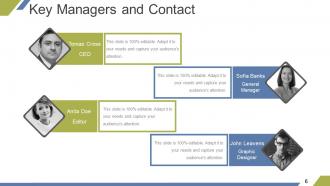
Slide 6: This is yet another highly adaptable Key Managers and Contact slide.
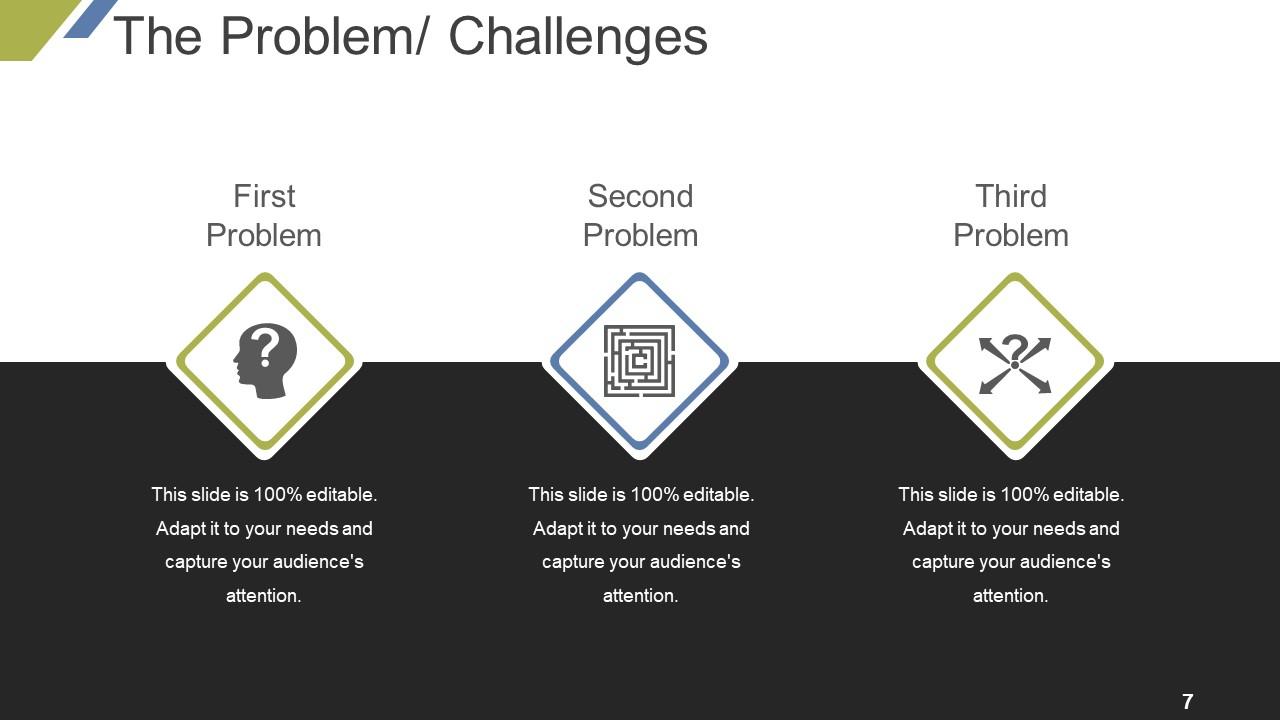
Slide 7: This slide showcases The Problem/ Challenges faced. We have given 3 boxes to state just to give a basic idea which can be altered by you as per your requirement.
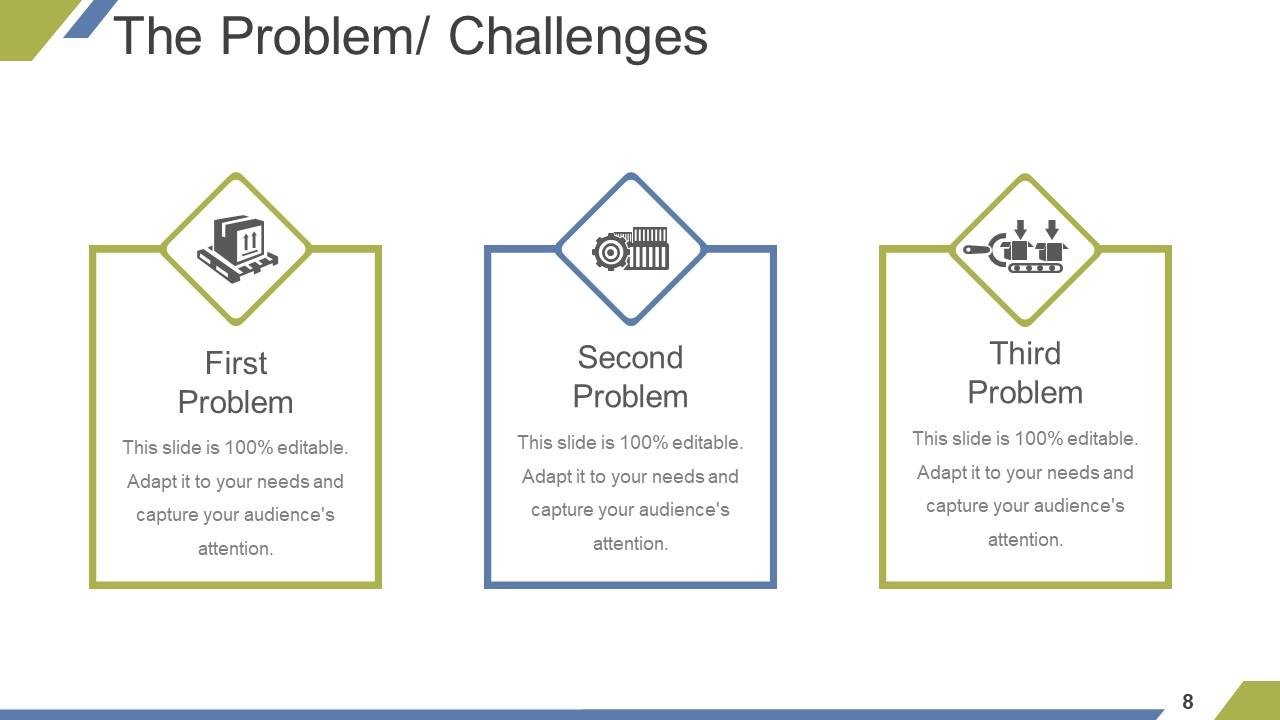
Slide 8: This too is The Problem/ Challenges slide.
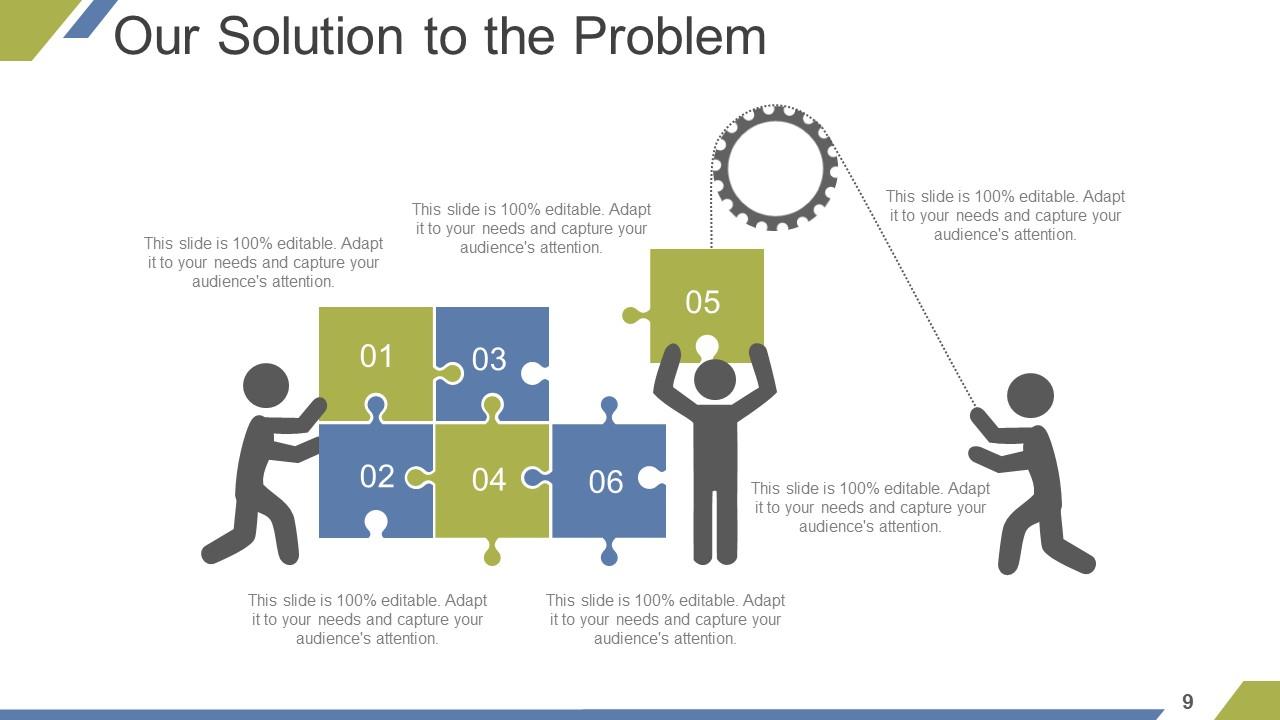
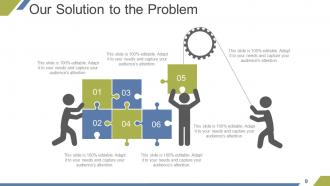
Slide 9: This slide showcases Our Solution to the Problem using puzzle and human imagery.
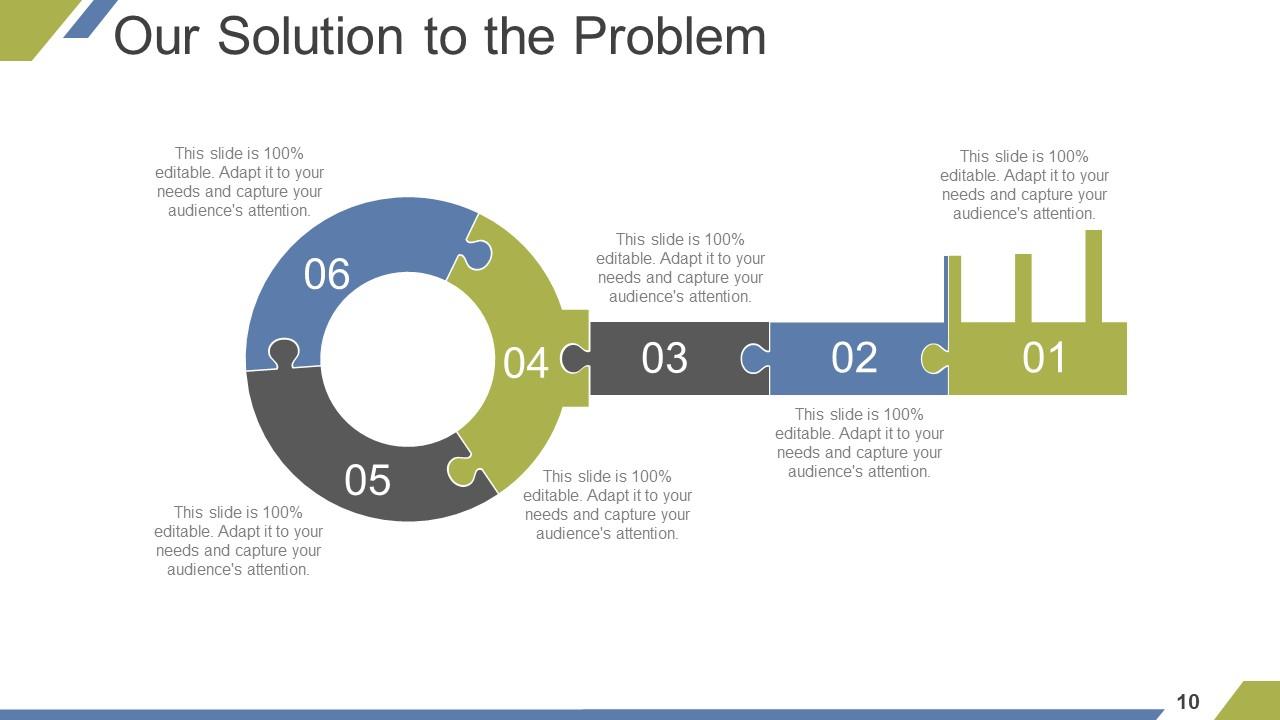
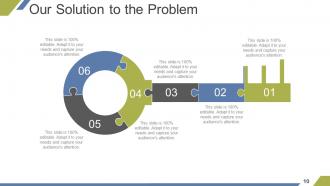
Slide 10: This is yet another Our Solution to the Problem slide represented with key imagery.
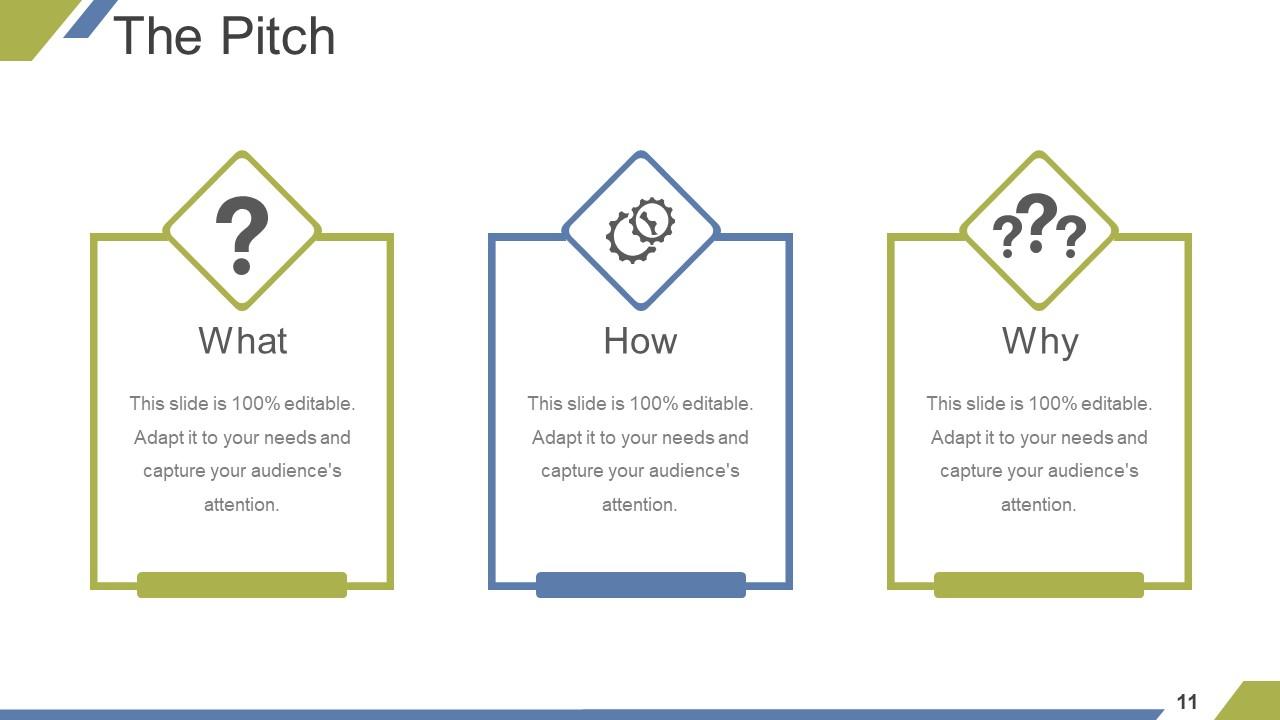
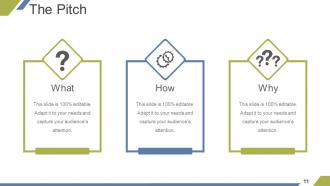
Slide 11: This is The Pitch slide which presents What, How And Why questions.
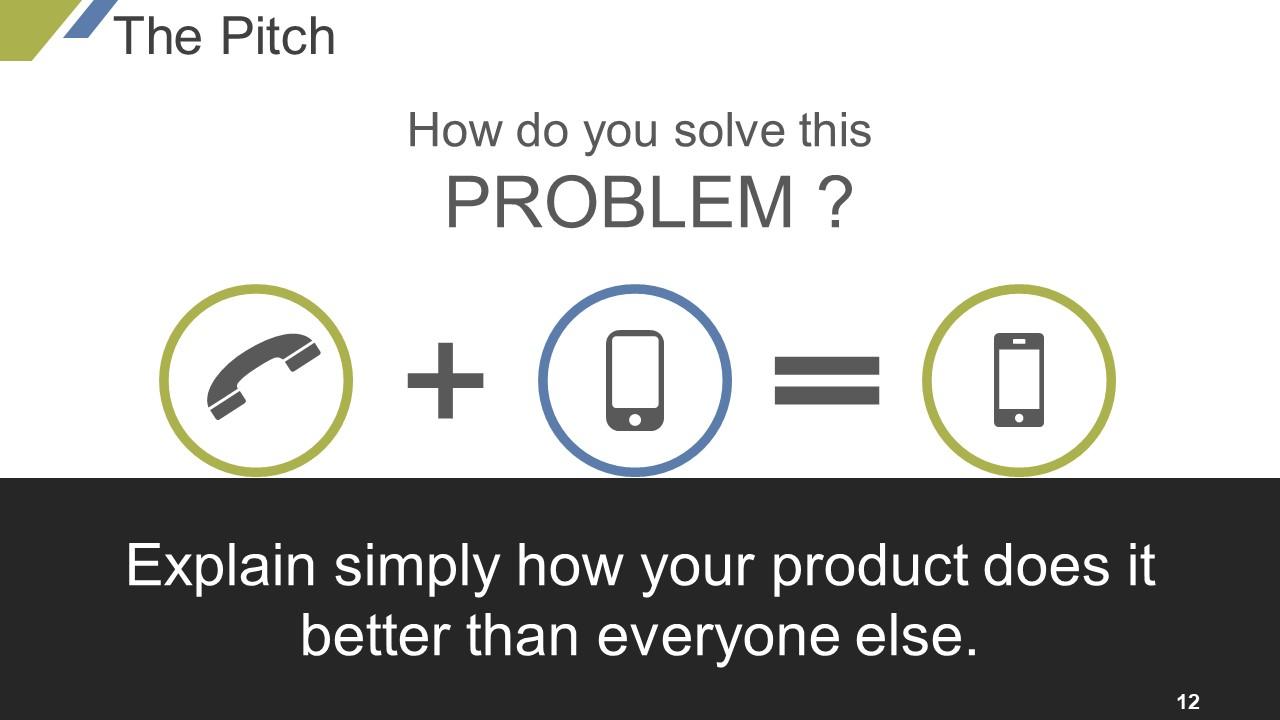
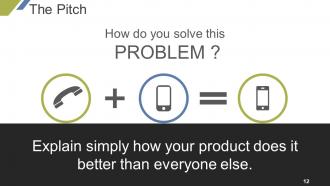
Slide 12: This is another The Pitch slide.
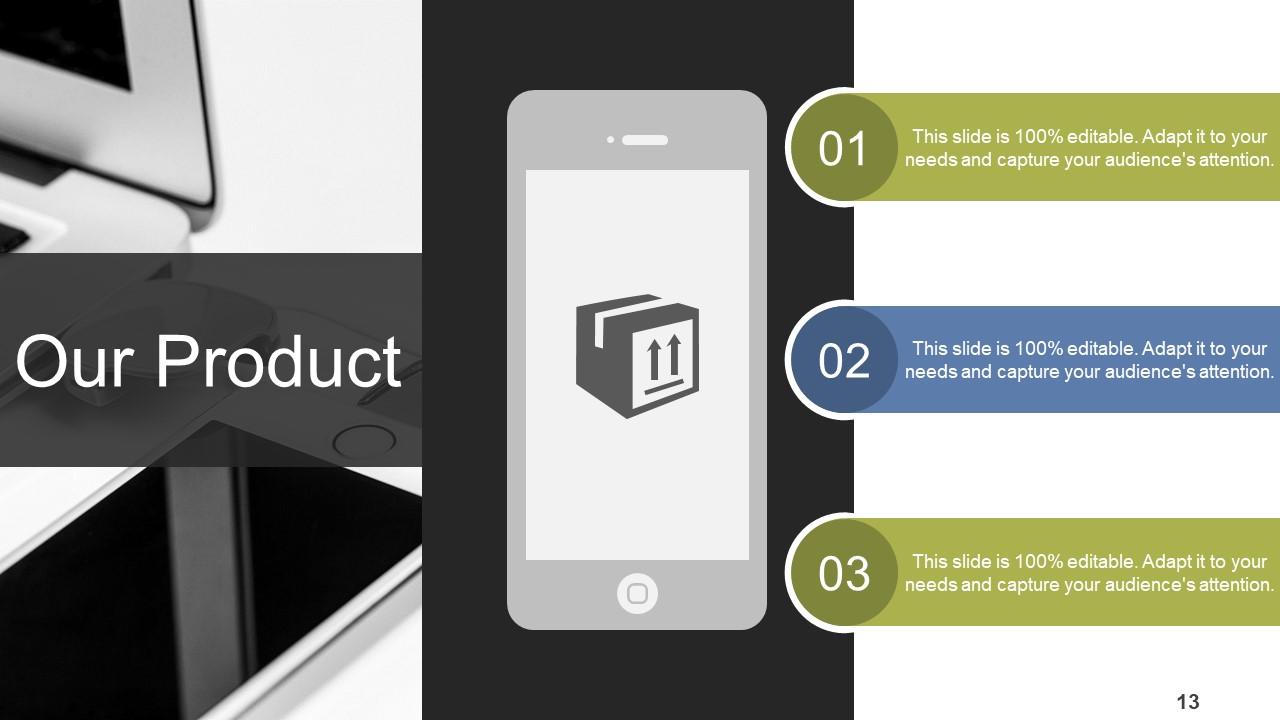
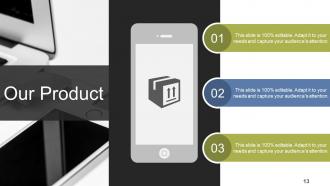
Slide 13: This slide provides an overview of Our Product. Contents can be changed/ altered as per requirement.
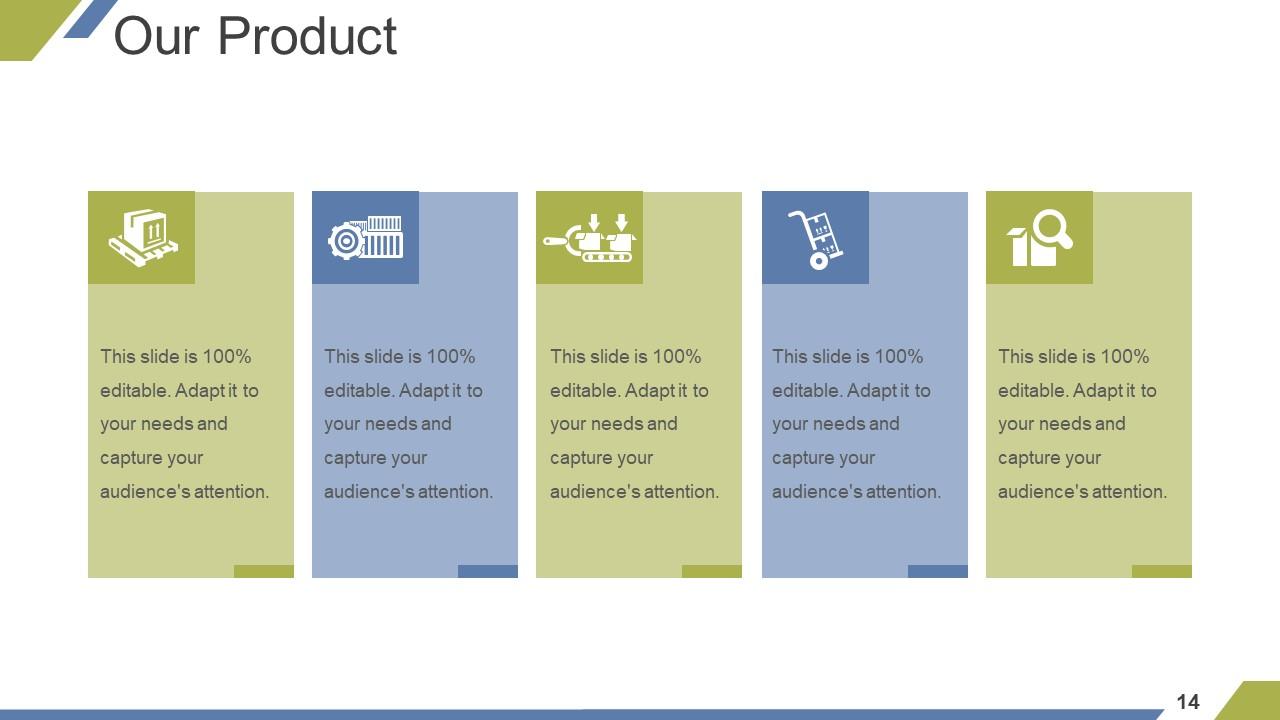
Slide 14: This too is Our Product slide.
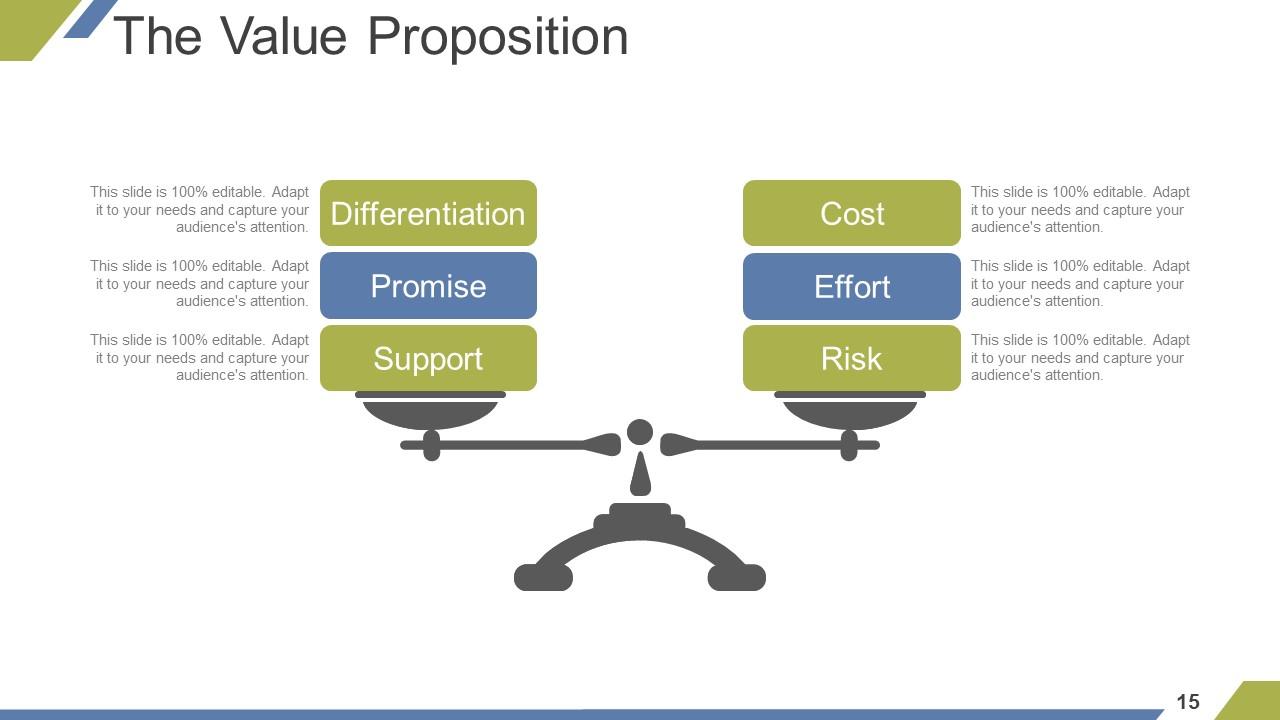
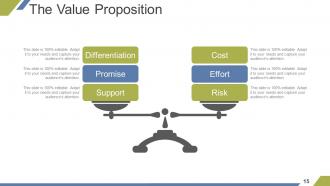
Slide 15: This is The Value Proposition slide showcased with a balancing scale imagery.
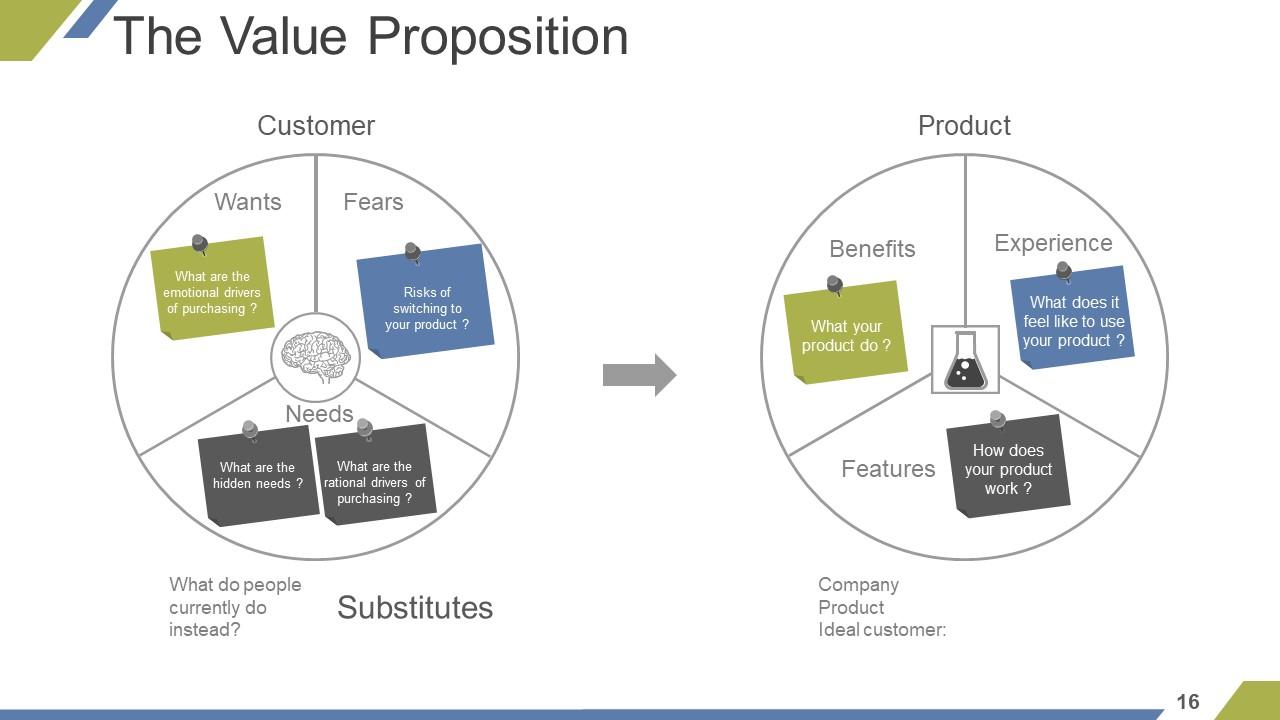
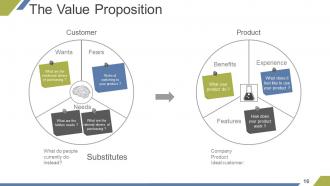
Slide 16: This is yet another slide involving The Value Proposition. To be used as per need.
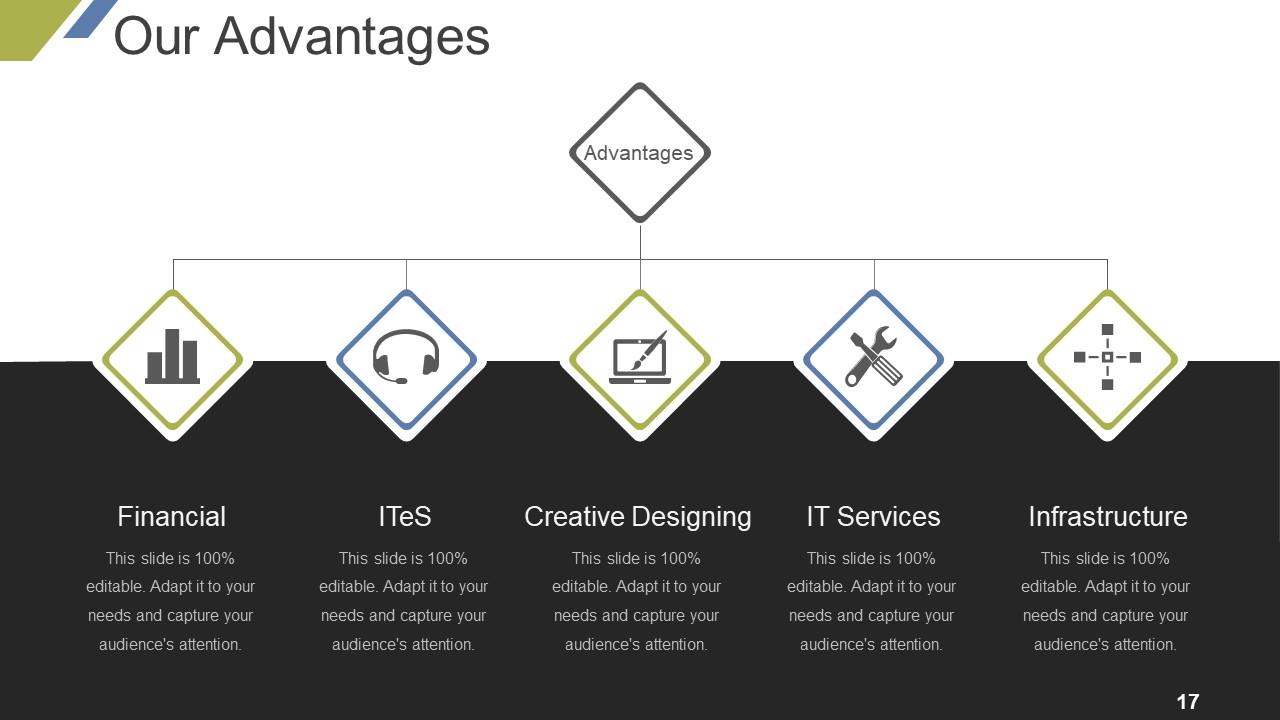
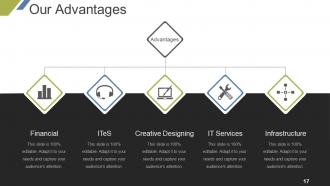
Slide 17: This is Our Advantages slide showcased in a flow chart with their respective icons.
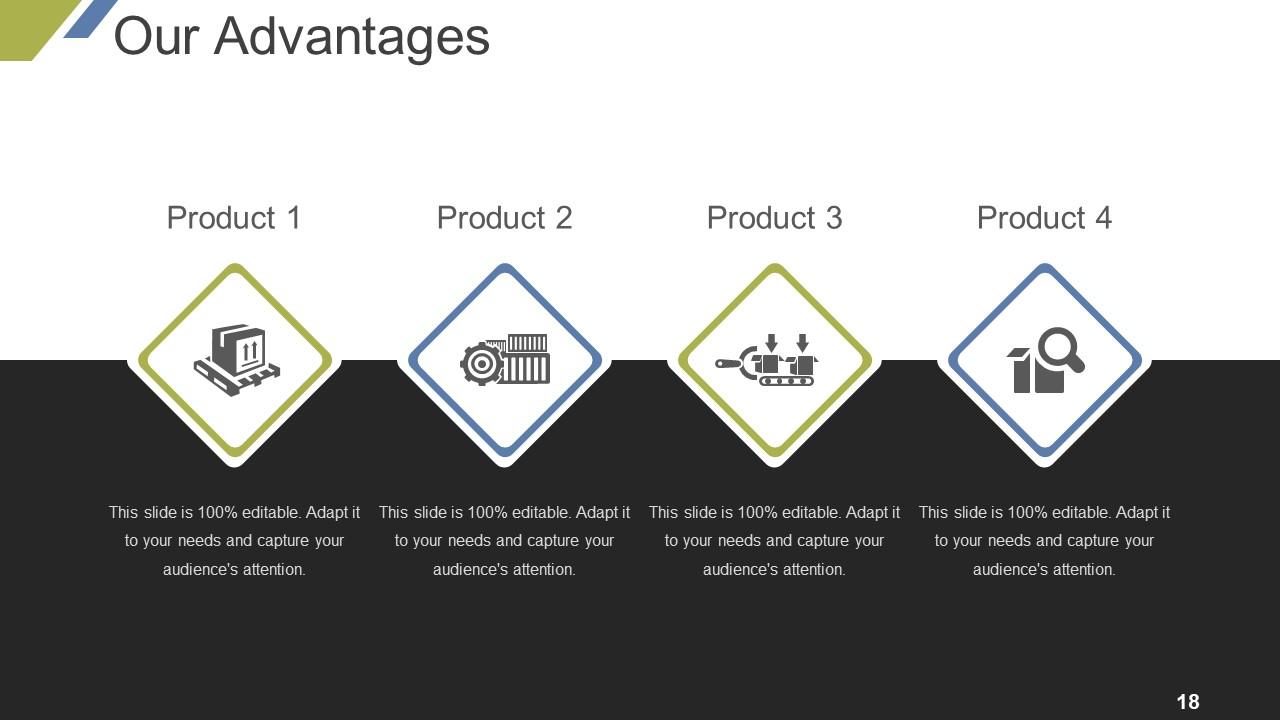
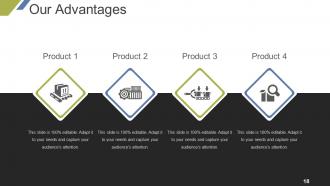
Slide 18: This is yet another Our Advantages slide for various products.
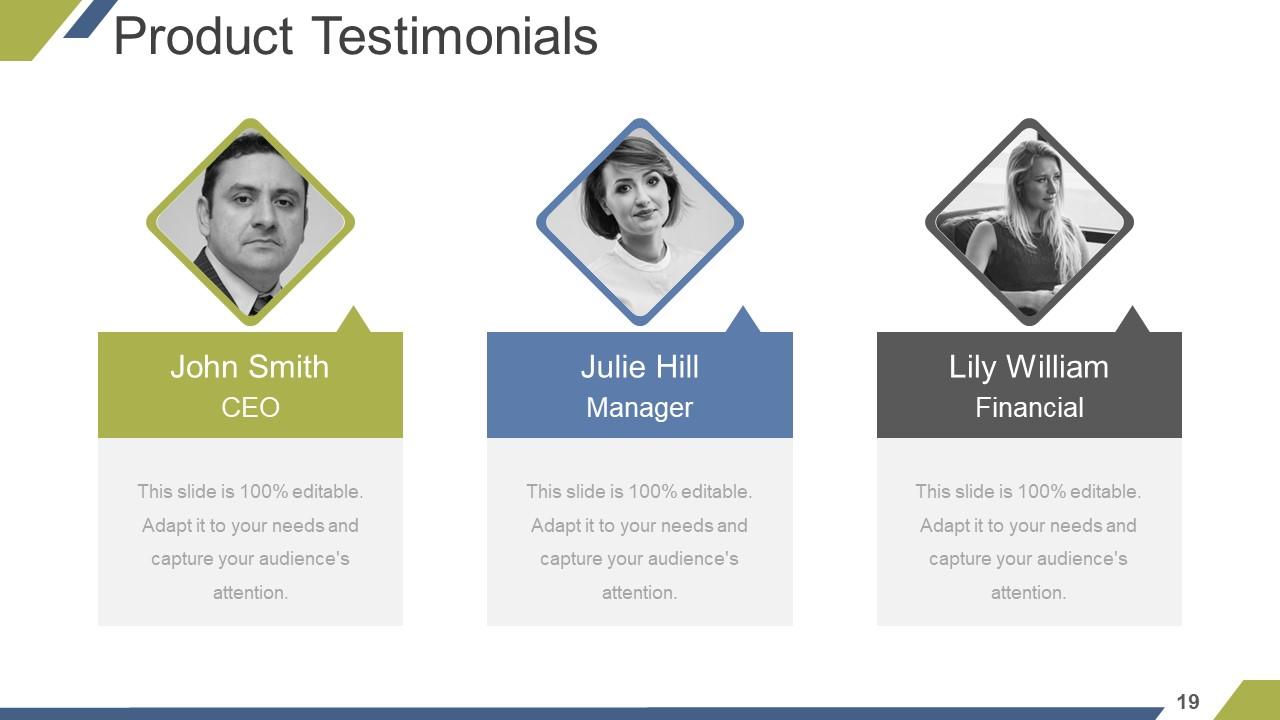
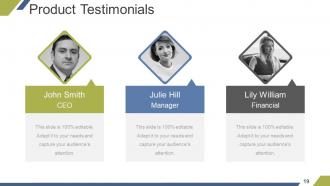
Slide 19: This is Product Testimonials slide with respective name, designation, images and text boxes.
Slide 20: This is a Coffee Break slide to halt. You may change it as per requirement.
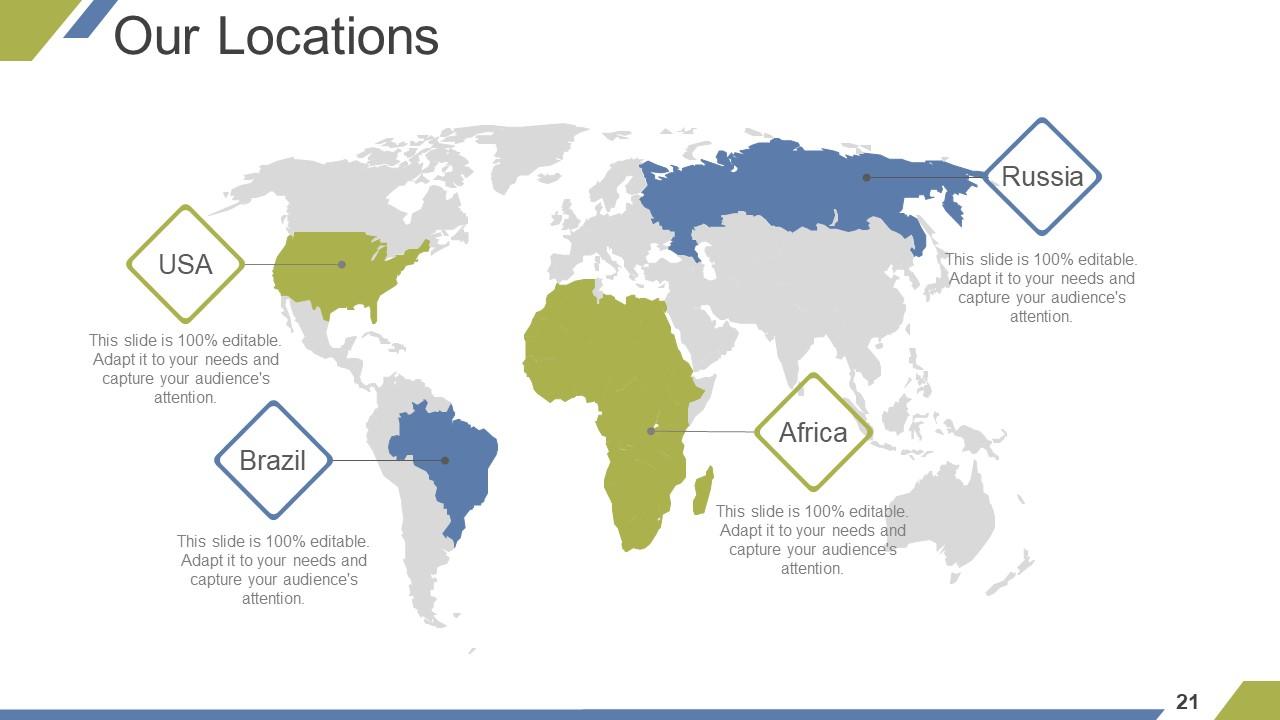
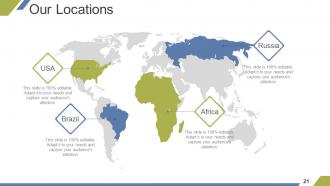
Slide 21: This is Our Locations slide to show global segragation on a world map image.
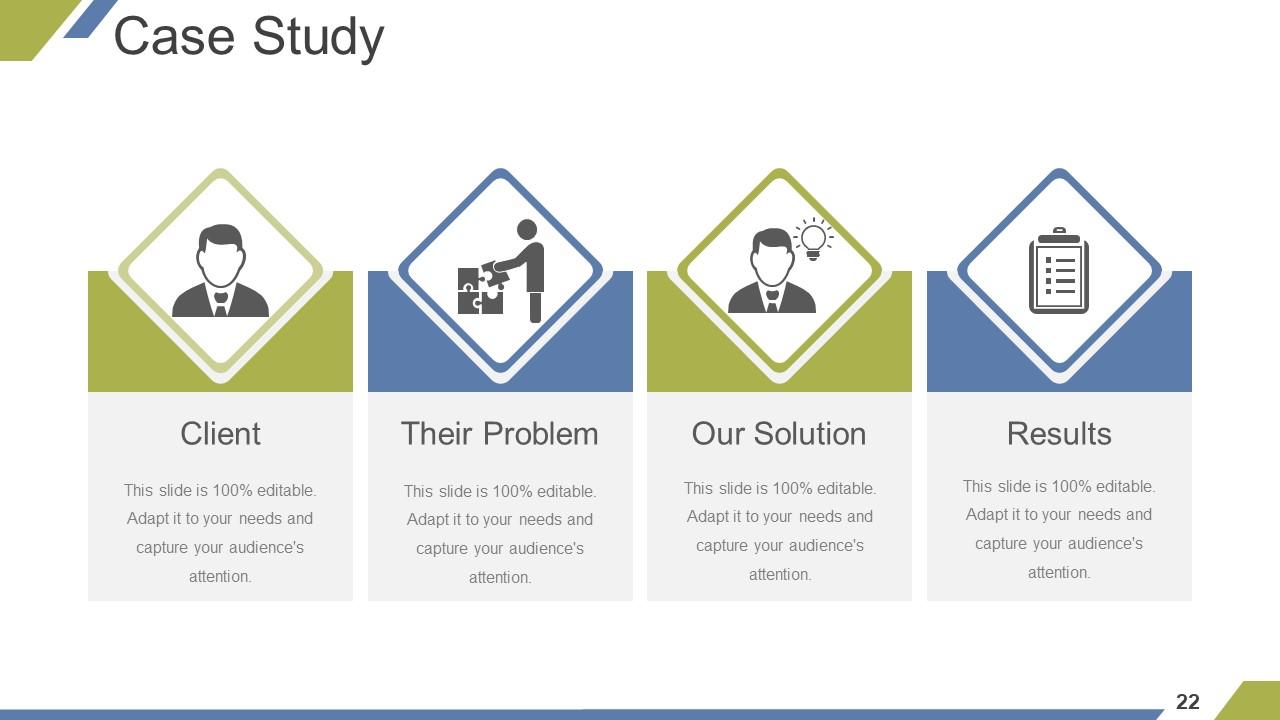
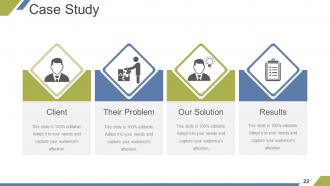
Slide 22: This is a Case Study slide used as a tool to present information related to- Client, Their Problem, Our Solution, Results.
Slide 23: This is yet another Case Study slide stating Challenge, Solution, Benefits.
Slide 24: This too is a Case Study slide.
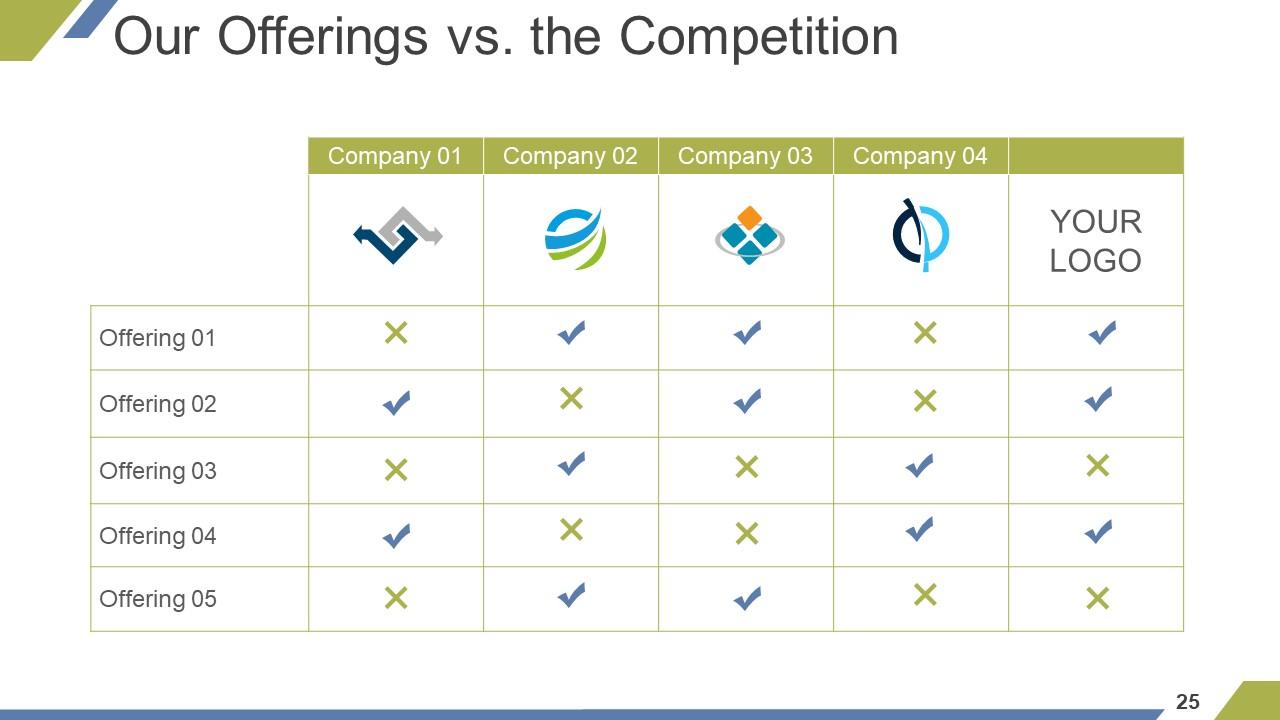
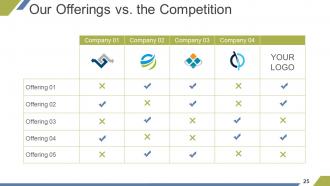
Slide 25: This is Our Offerings vs. the Competition slide. State your comparison etc. here.
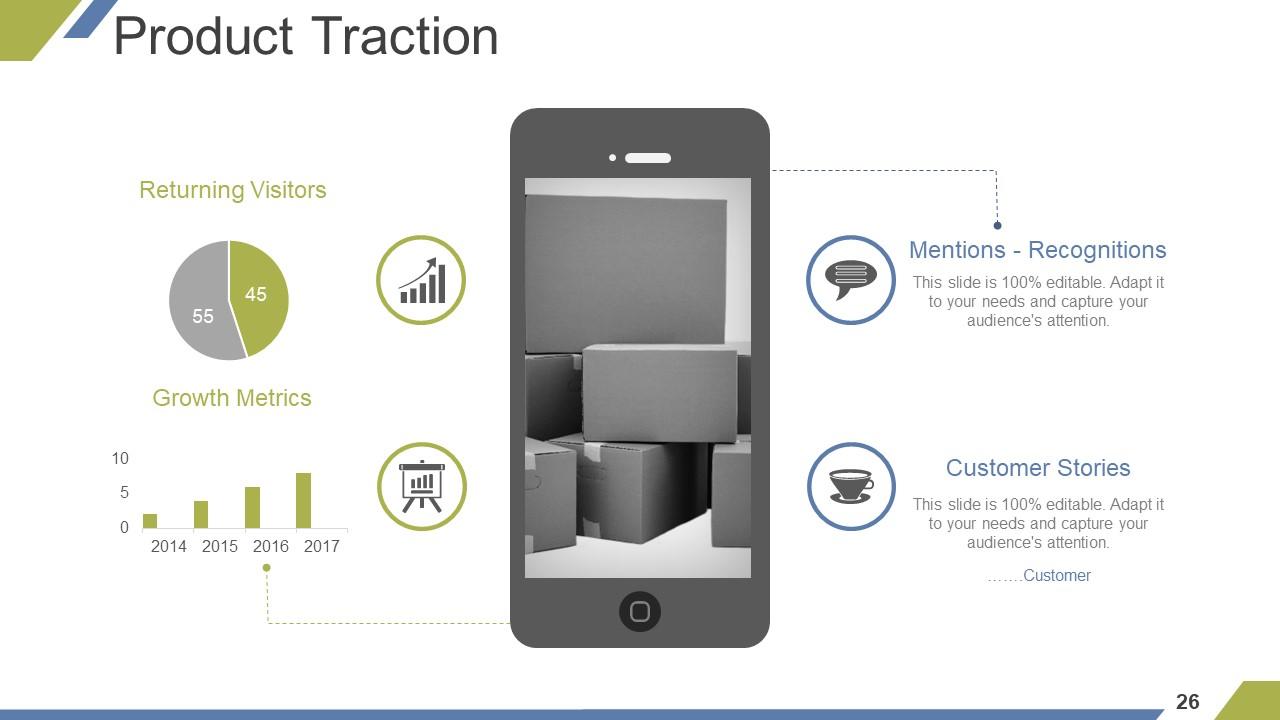
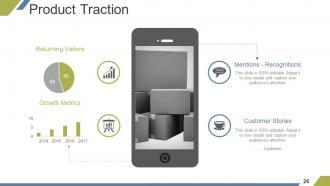
Slide 26: This is a Product Traction slide. Monitor the information and alter as per need.
Slide 27: This slide showcases various Clients/Partners with icons and logos.
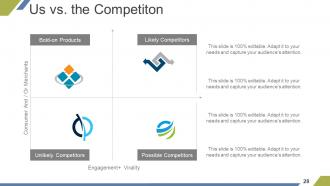
Slide 28: This is Us vs. the Competiton slide stating comparison with a quadrant.
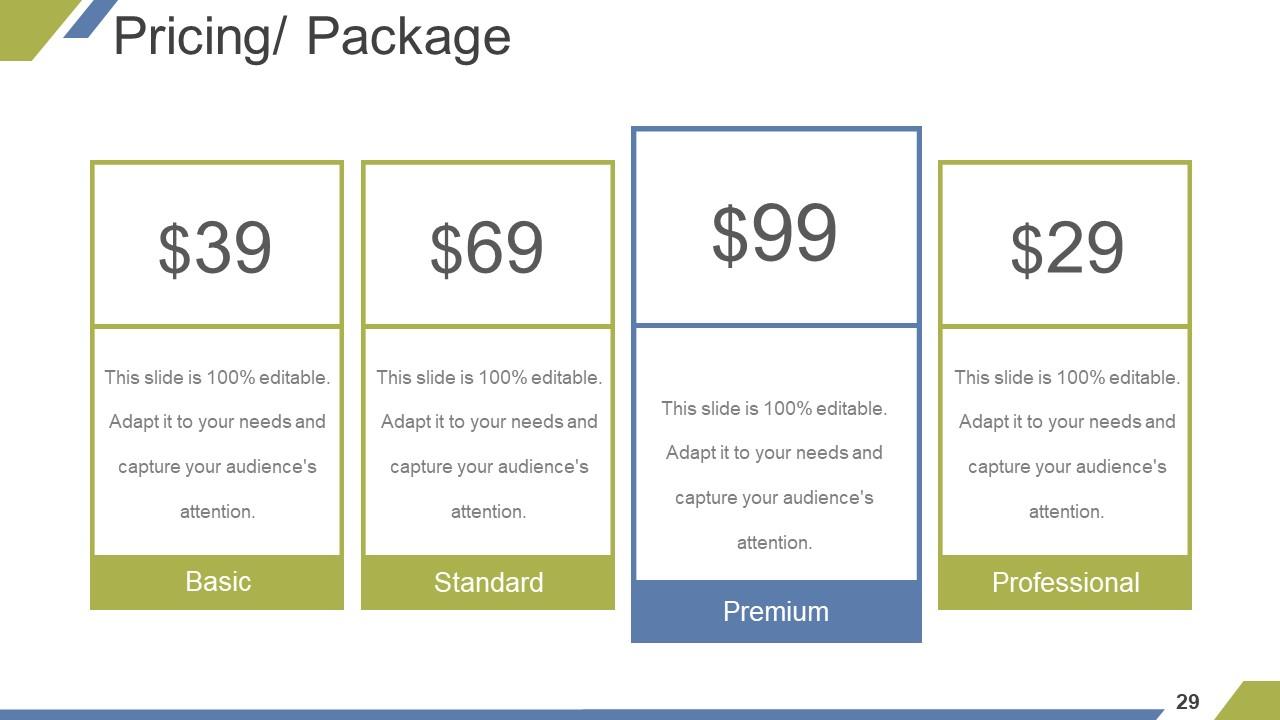
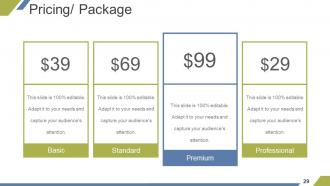
Slide 29: This slide showcases Pricing/ Package ranging from Basic, Standard, Premium to Professional.
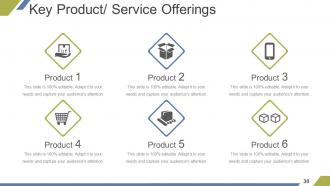
Slide 30: This is a Key Product/ Service Offerings slide with icons.
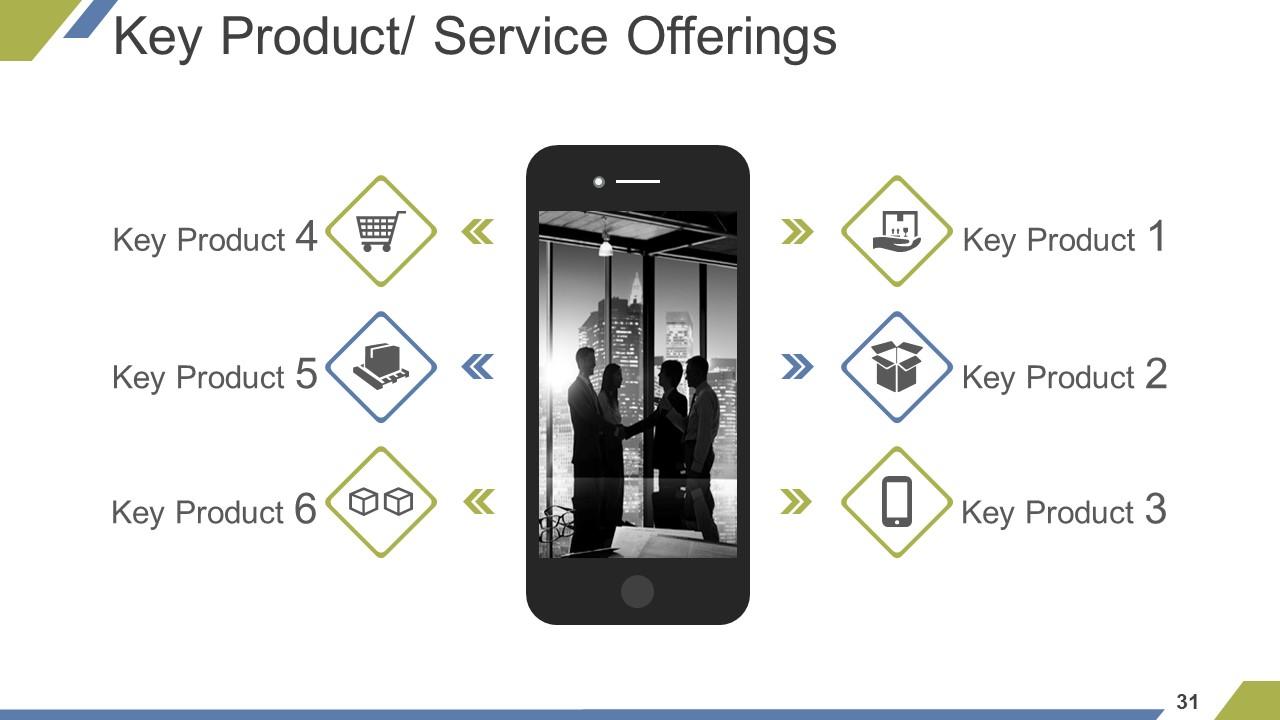
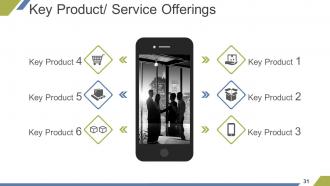
Slide 31: This is another slide showcasing Key Product/ Service Offerings.
Slide 32: This slide presents Service Level Agreement which can be altered as per requirement.
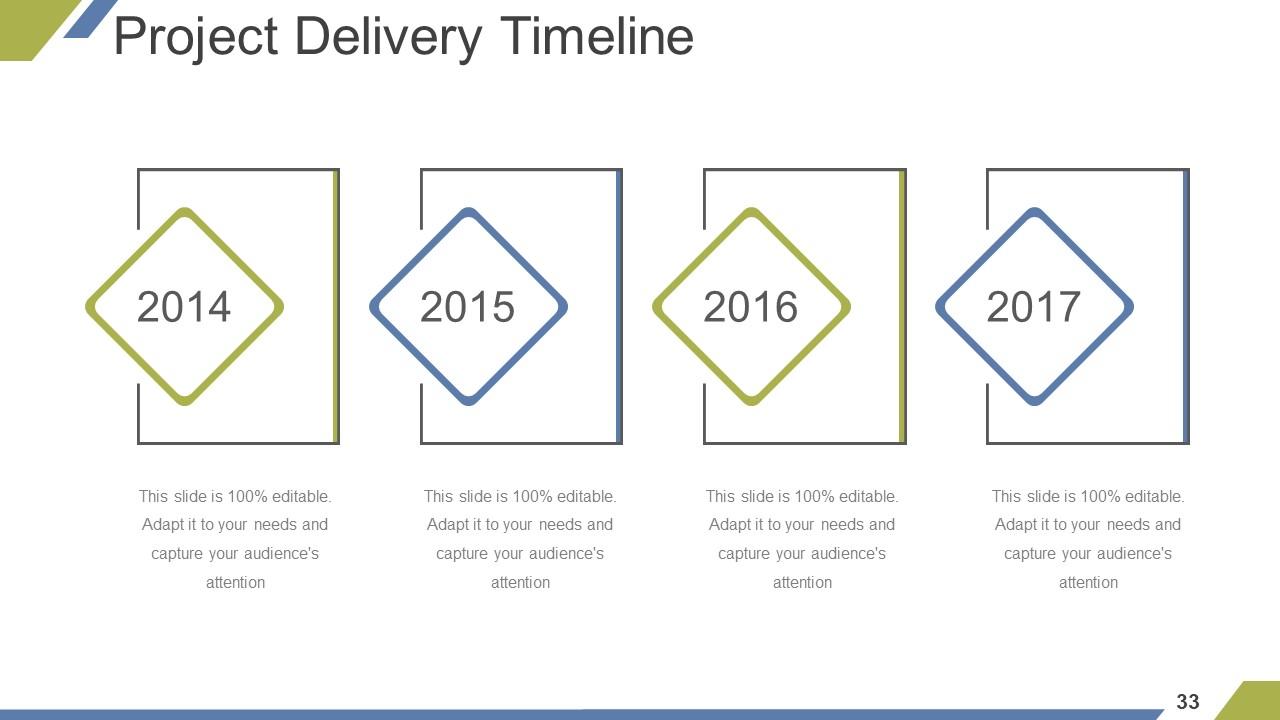
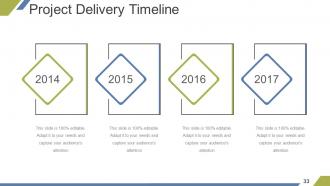
Slide 33: This is Project Delivery Timeline slide to present important dates, milestones etc.
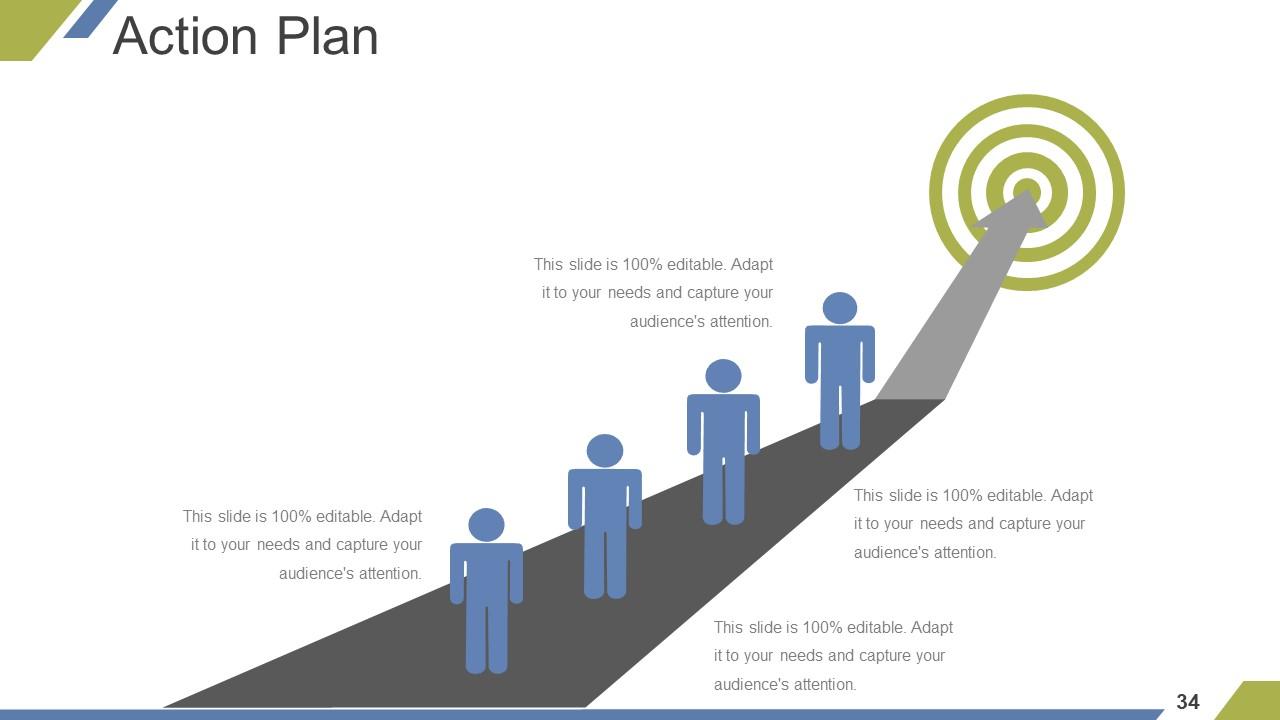
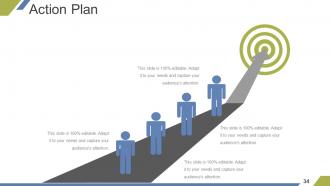
Slide 34: This slide presents Action Plan with human, target and arrow imagery.
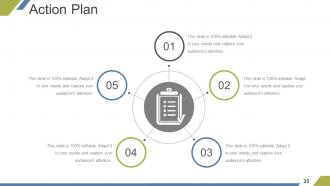
Slide 35: This is another Action Plan slide.
Slide 36: This slide states Contact Details. Add your details here.
Slide 37: This slide presents Marketing and Sales Strategy Icons Set. You can change/ alter icons as per requirement.
Slide 38: This slide forwards to Additional Slides. You may change the slide content as per need.
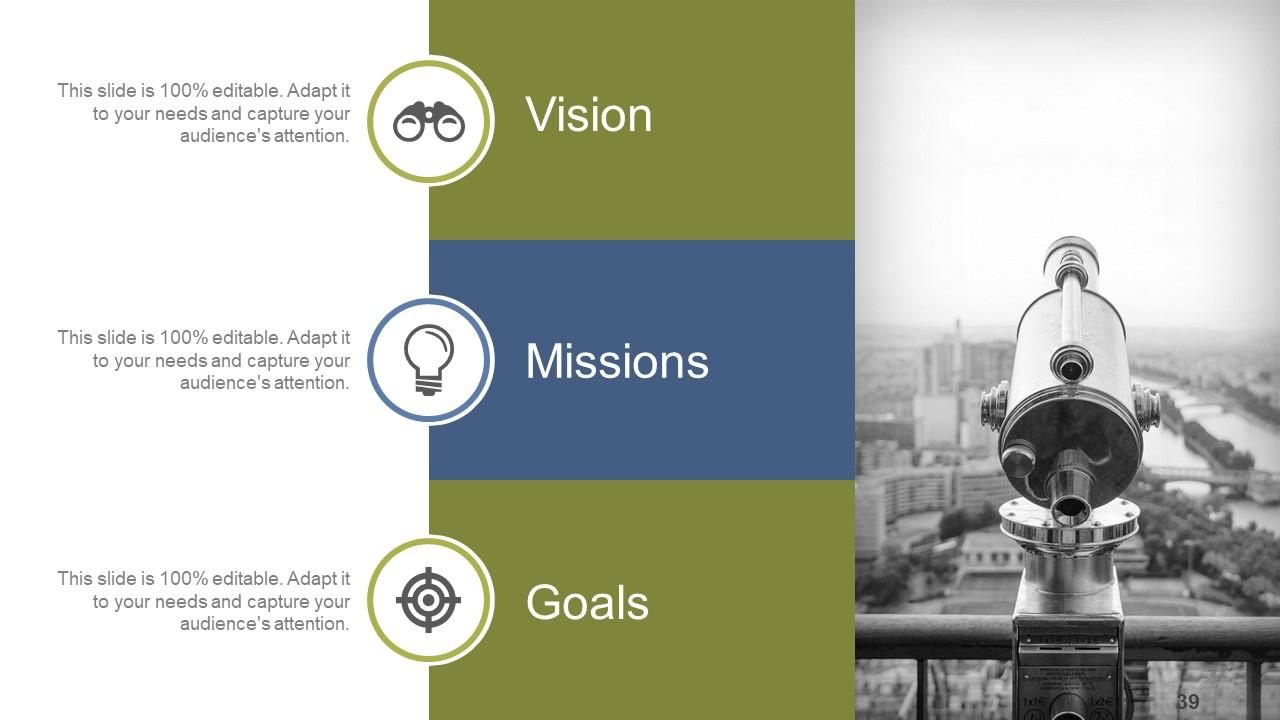
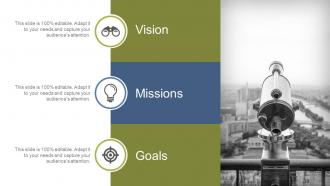
Slide 39: This is Vision, Mission and Goals slide. State them here.
Slide 40: This is Our Team slide. Mention name, designation etc. here.
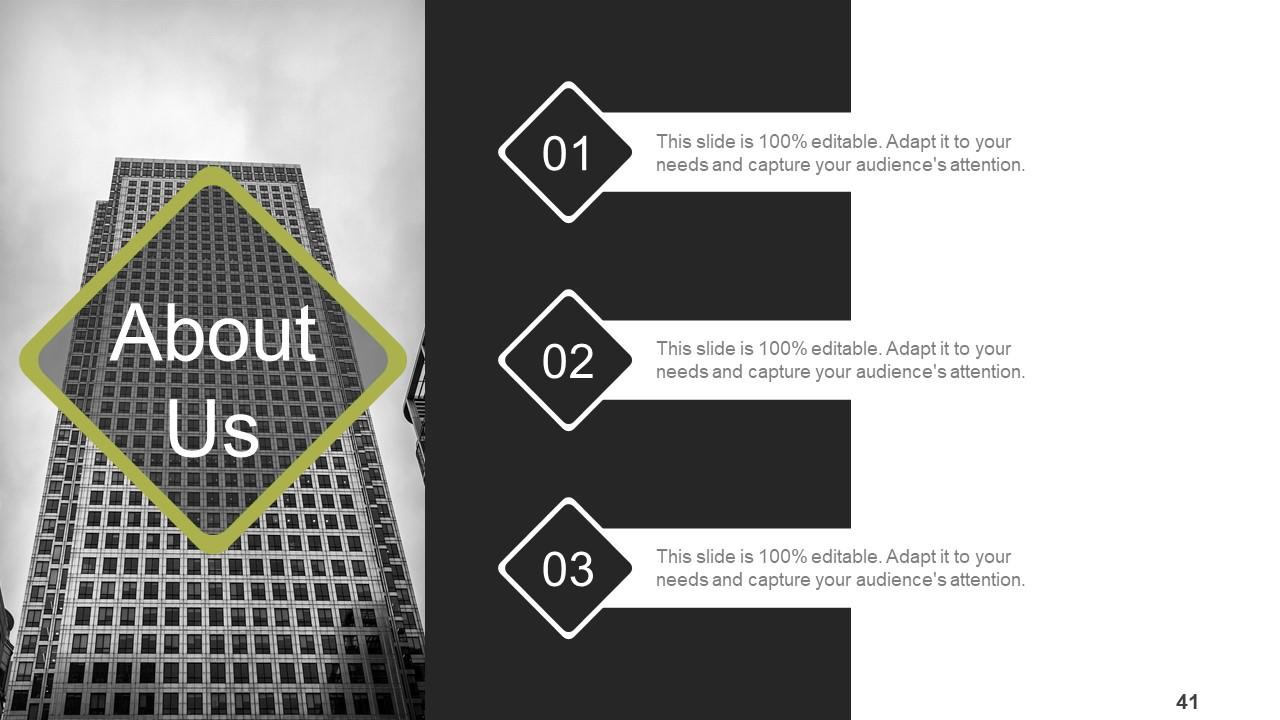
Slide 41: This is an About Us slide. State your company team, company essentials, highlights etc. here.
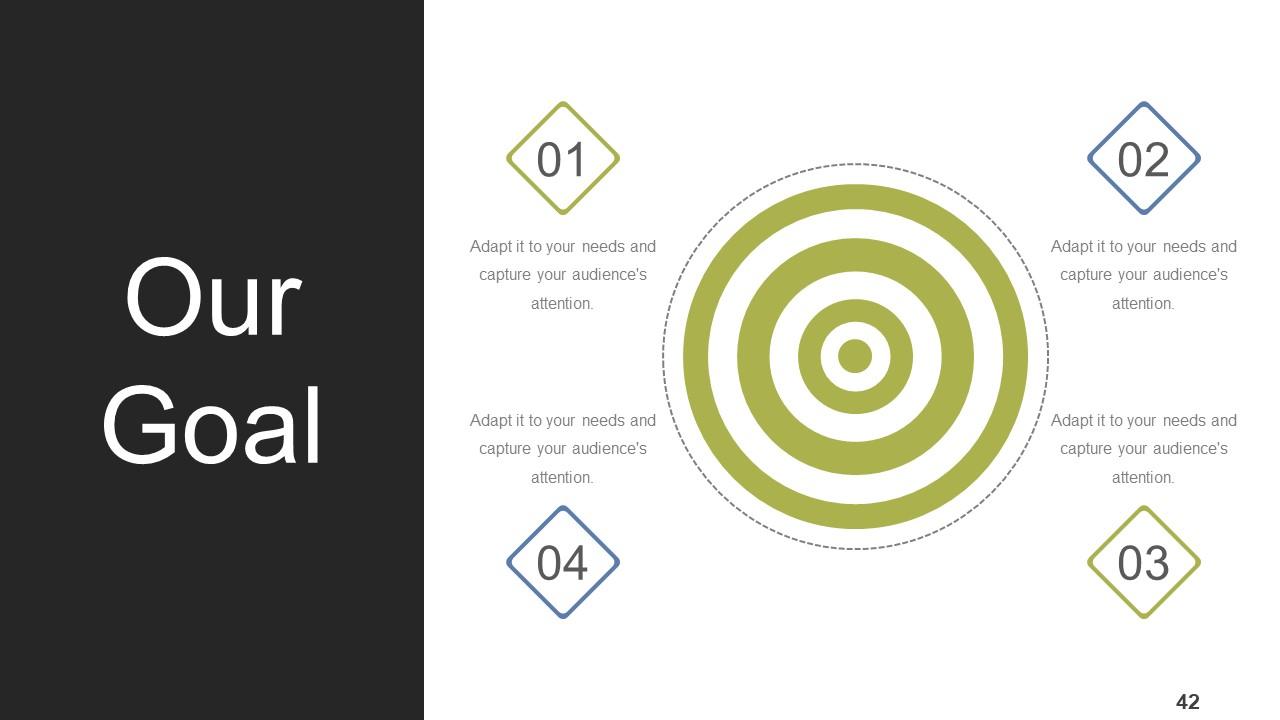
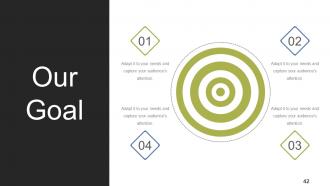
Slide 42: This is an Our Goal slide. State your important goals here.
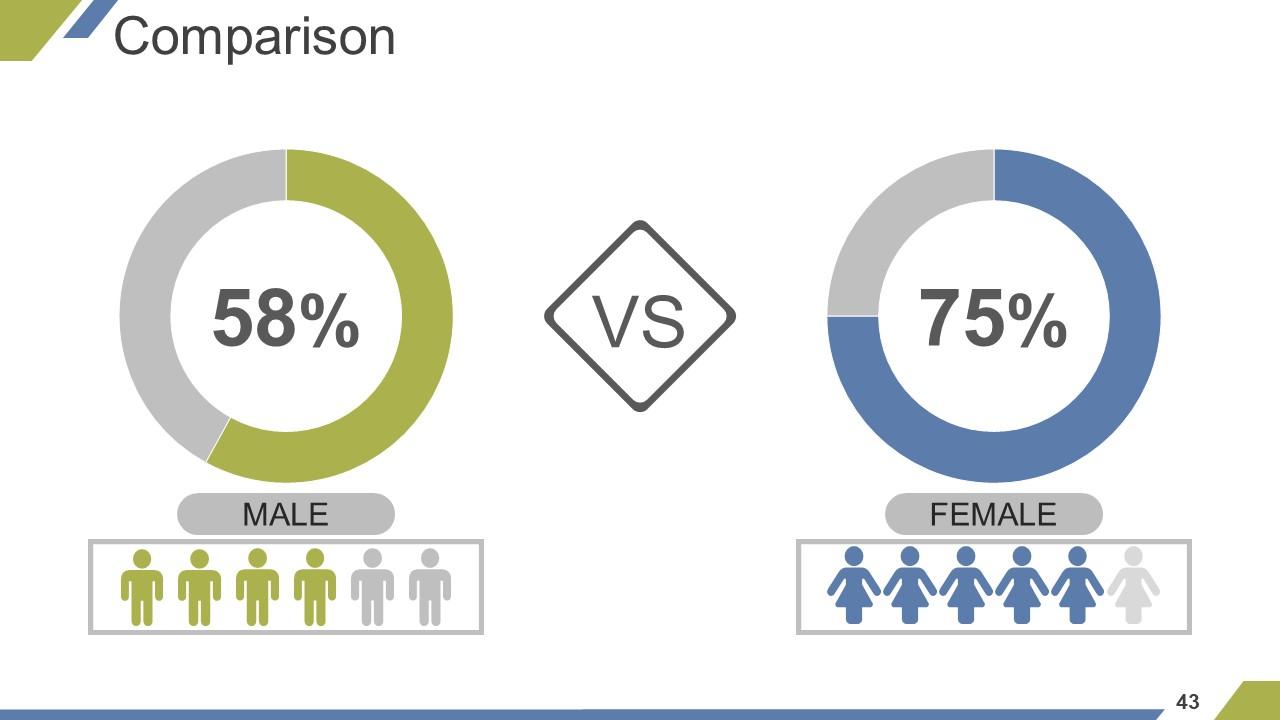
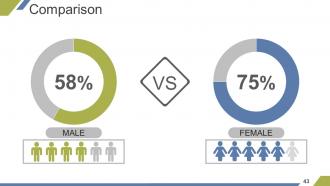
Slide 43: This is a Comparison slide for comparing entities/products etc. here.
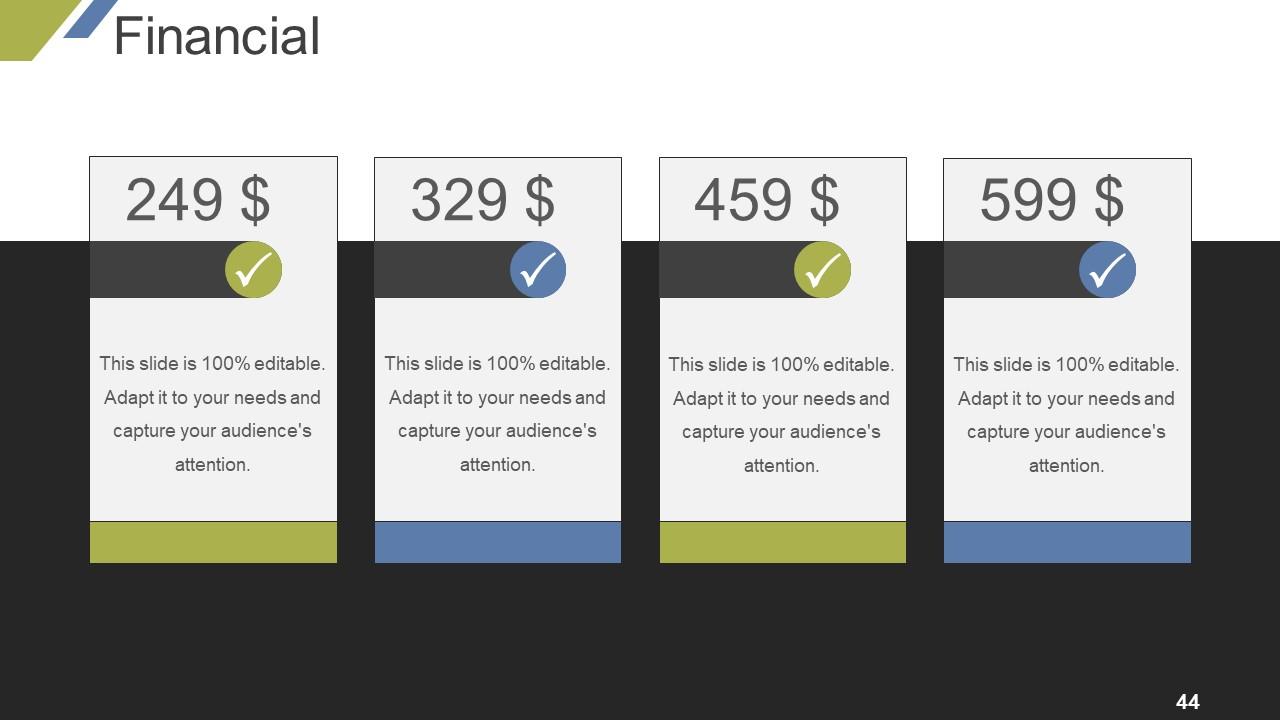
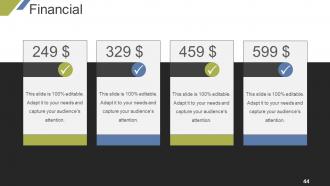
Slide 44: This slide showcases Financial scores to be put/displayed.
Slide 45: This is a Quotes slide to highlight, or state anything specific. You may change the slide content as per need.
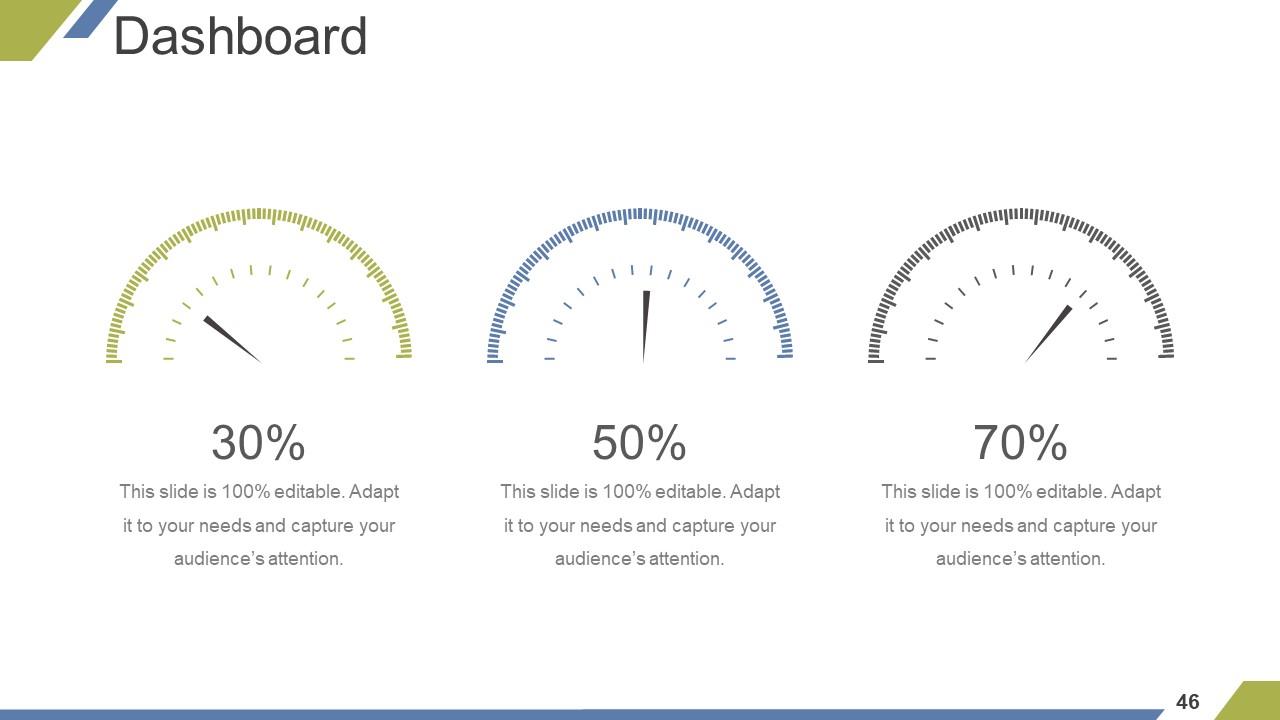
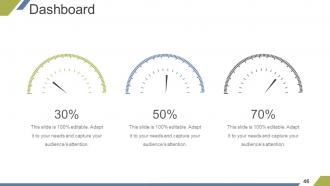
Slide 46: This is a Dashboard slide to state metrics, kpis etc.
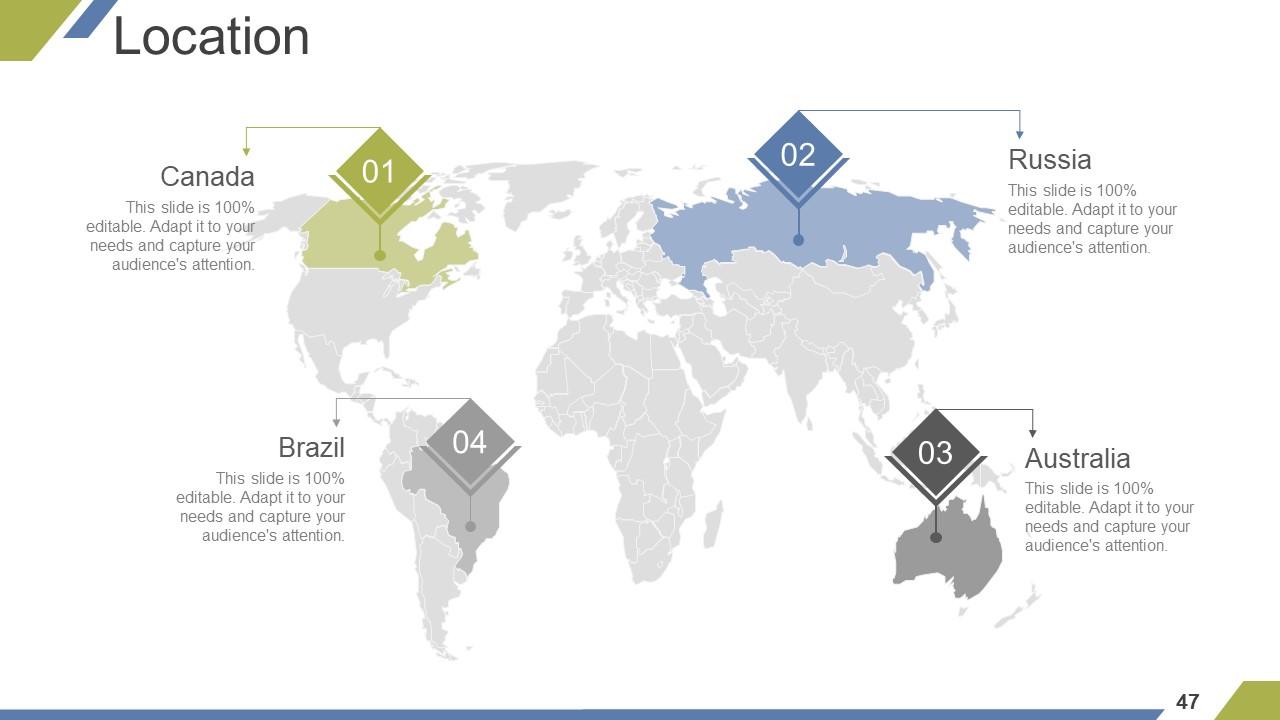
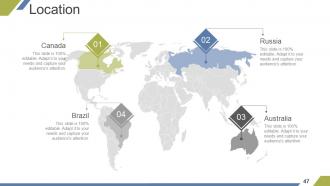
Slide 47: This is Locations slide to show global segregation, growth, presence etc. on a World map and text boxes to make it explicit.
Slide 48: This is a Timeline slide showcasing the Start point for important milestones, highlights etc.
Slide 49: This is yet another Timeline slide. State your highlights, milestones etc.
Slide 50: This too is a Timeline slide showcasing the Finish point.
Slide 51: This is Important Notes slide. Post your notes here.
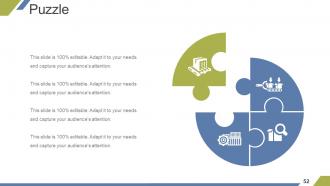
Slide 52: This slide showcases a Puzzle with imagery to add information, specifications etc.
Slide 53: This is a Target slide. State your targets here.
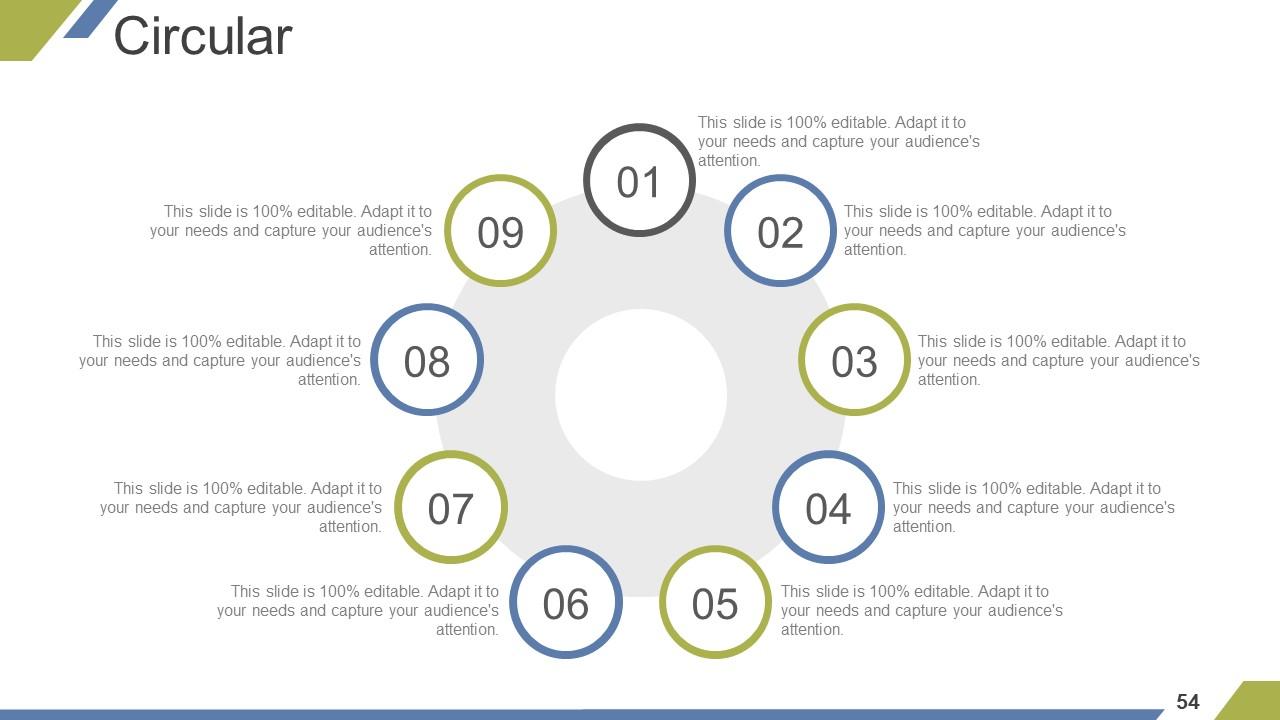
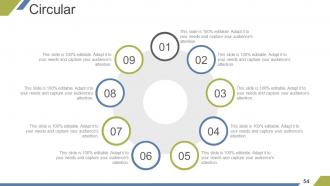
Slide 54: This is a Circular image slide to add information, specifications etc.
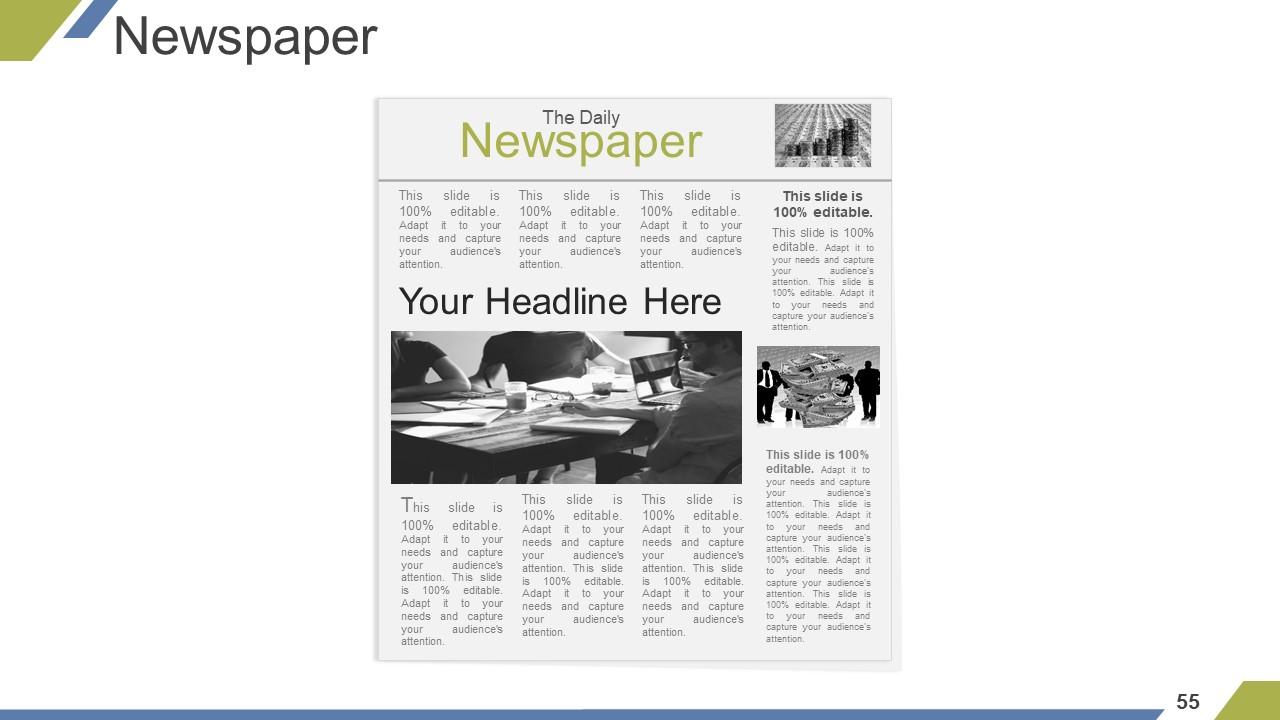
Slide 55: This is a Newspaper slide to add memorabilia or important pointers.
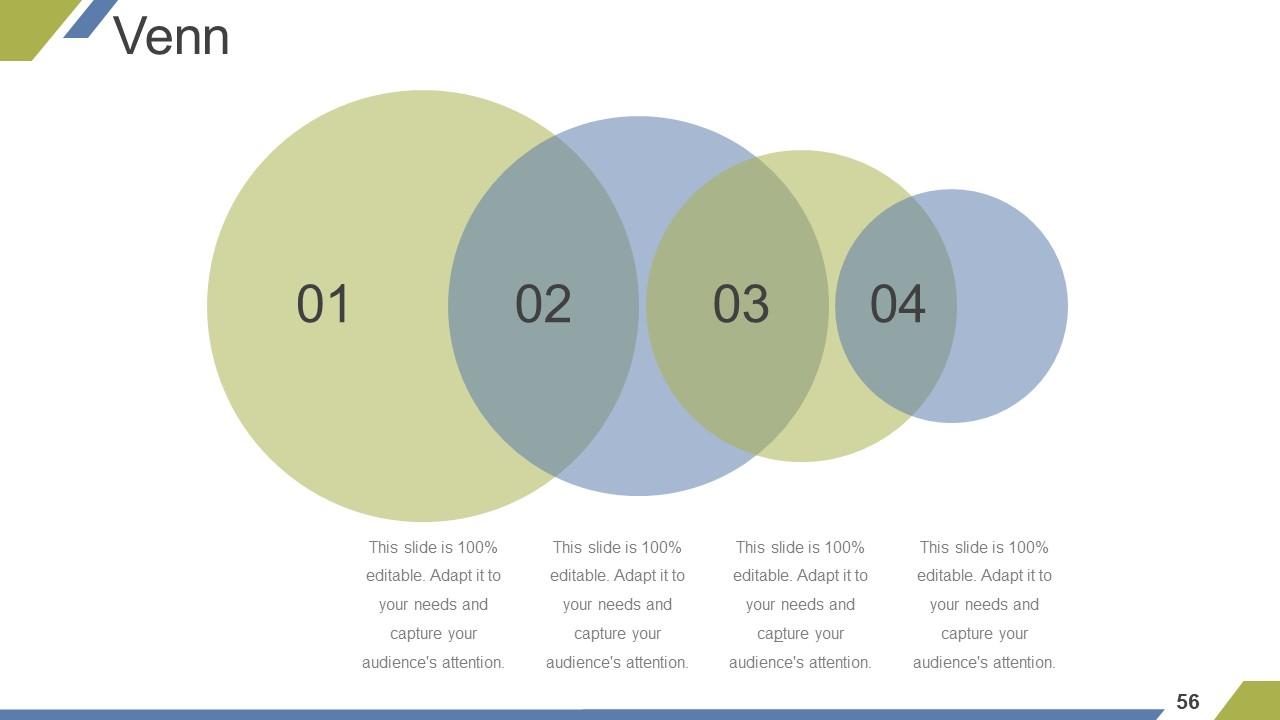
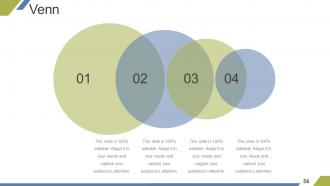
Slide 56: This is a Venn diagram slide to show information, specifications etc.
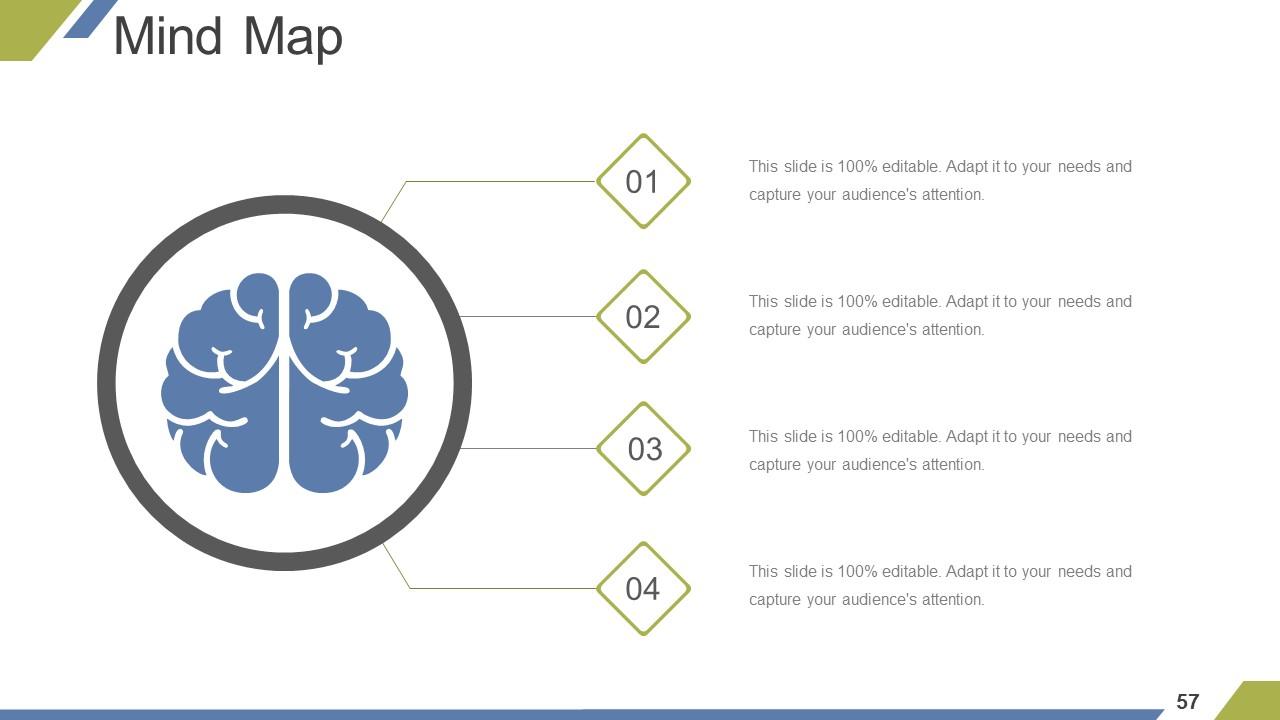
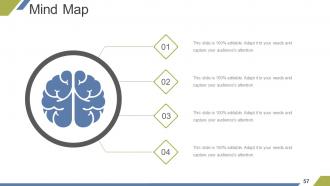
Slide 57: This slide shows a Mind map for representing entities.
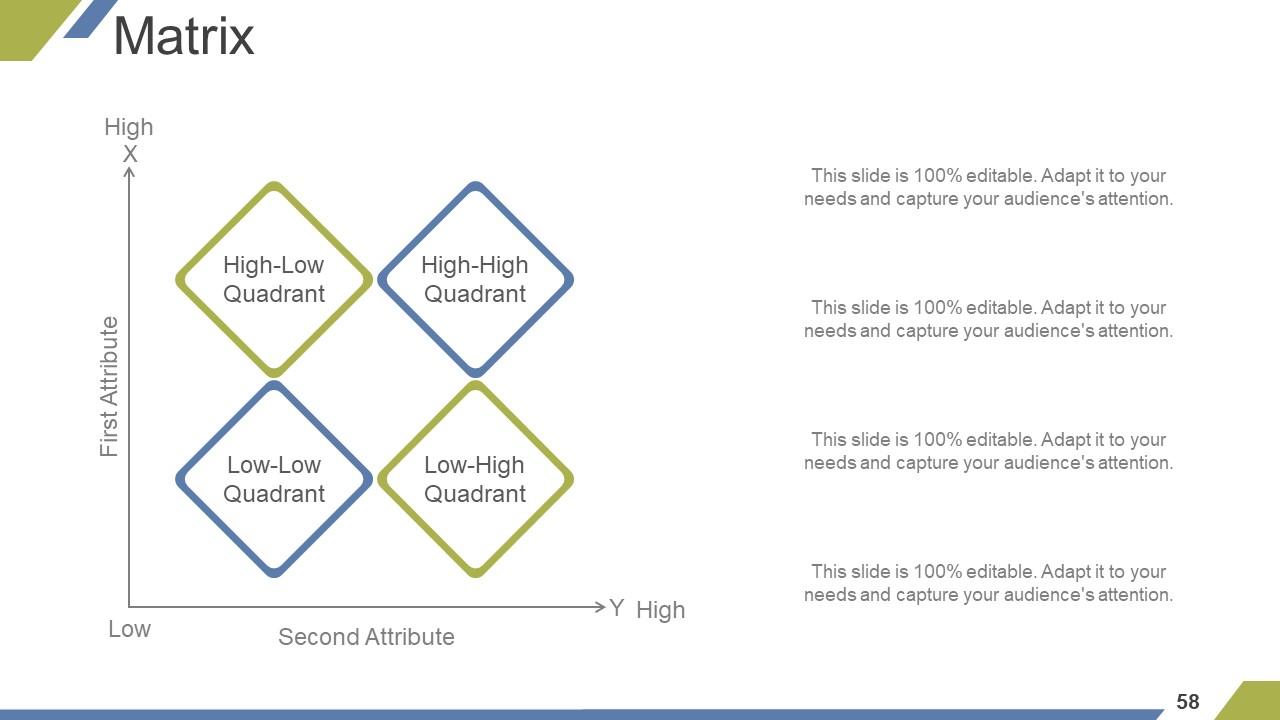
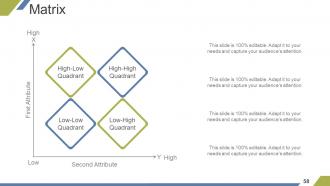
Slide 58: This is a MATRIX slide. Put relevant comparison data here.
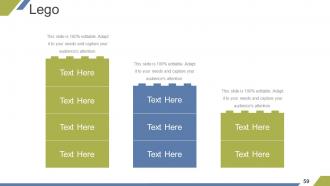
Slide 59: This is a Lego slide with text boxes to show information.
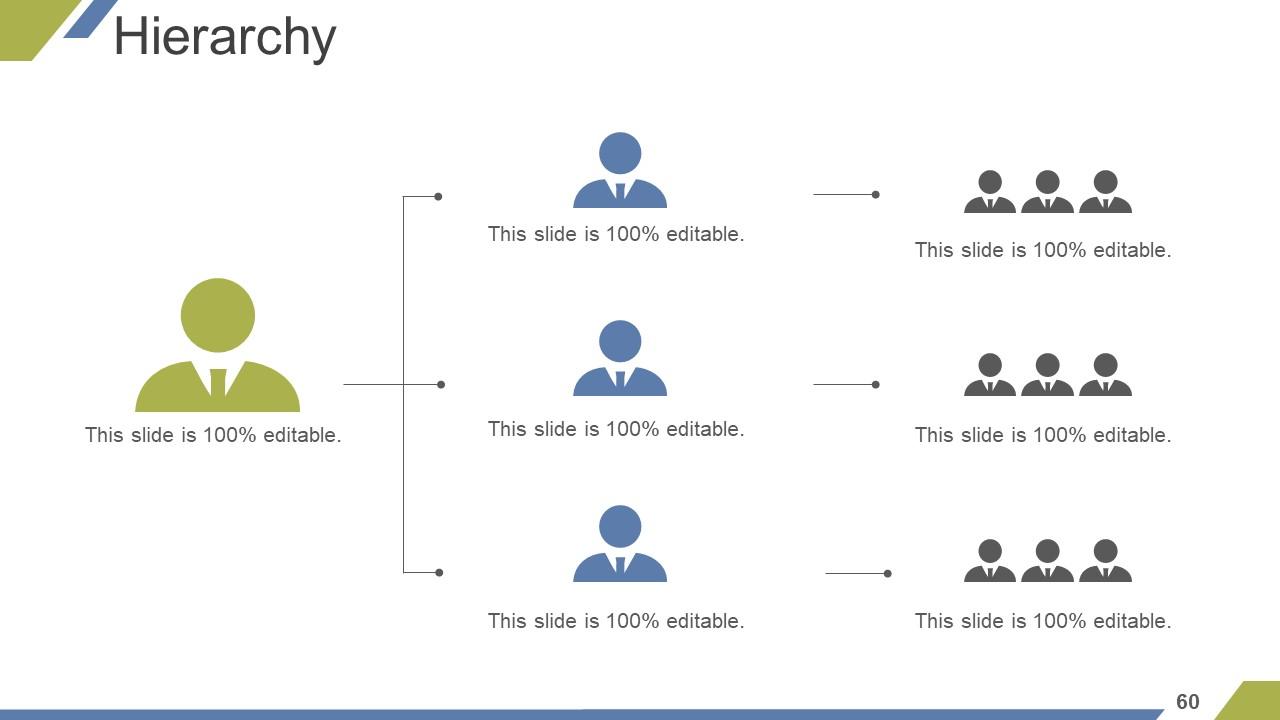
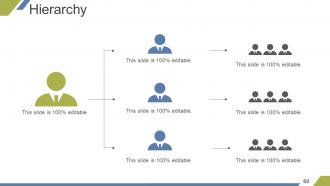
Slide 60: This is a Hierarchy chart slide. You can provide your chart and edit it accordingly.
Slide 61: This is a Silhouettes slide. Use it the way you want to show solutions etc.
Slide 62: This slide shows a Magnifying glass with text boxes.
Slide 63: This is a Bulb or idea image slide to show information, innovative ideas etc.
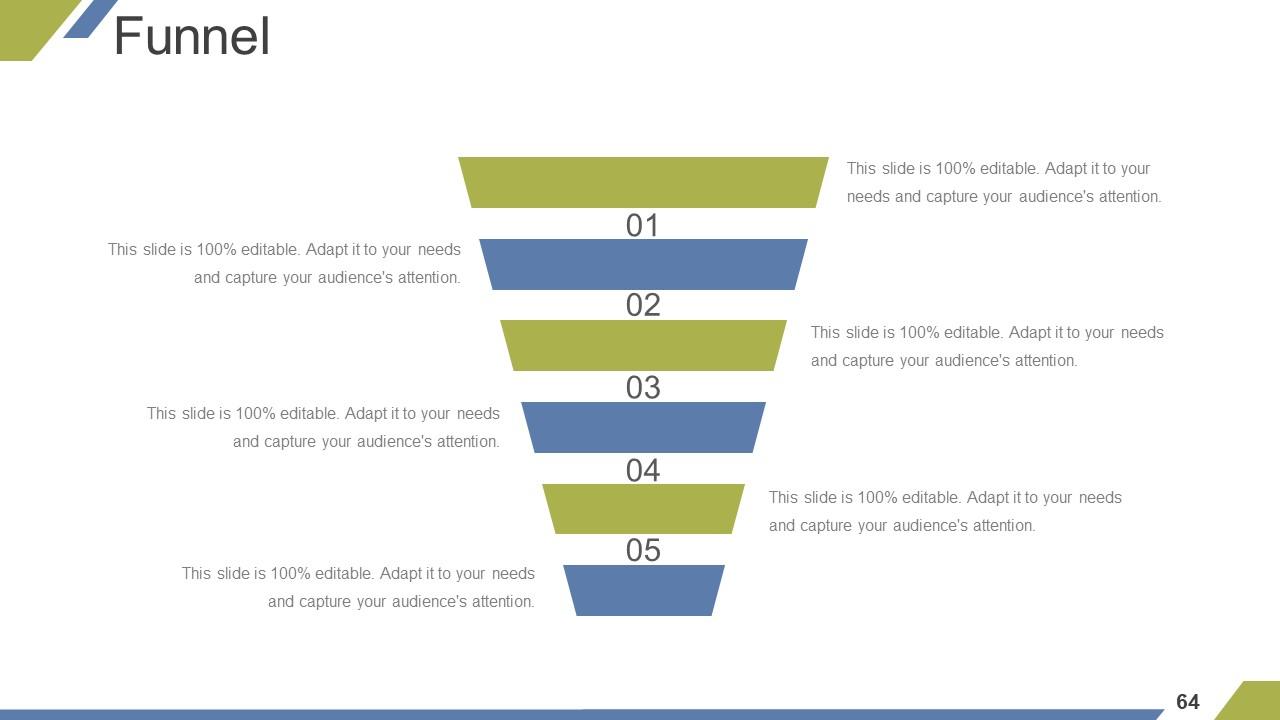
Slide 64: This slide showcases a Funnel with text boxes. State information, process in funnel form here.
Slide 65: This slide is titled Our Charts to move ahead.
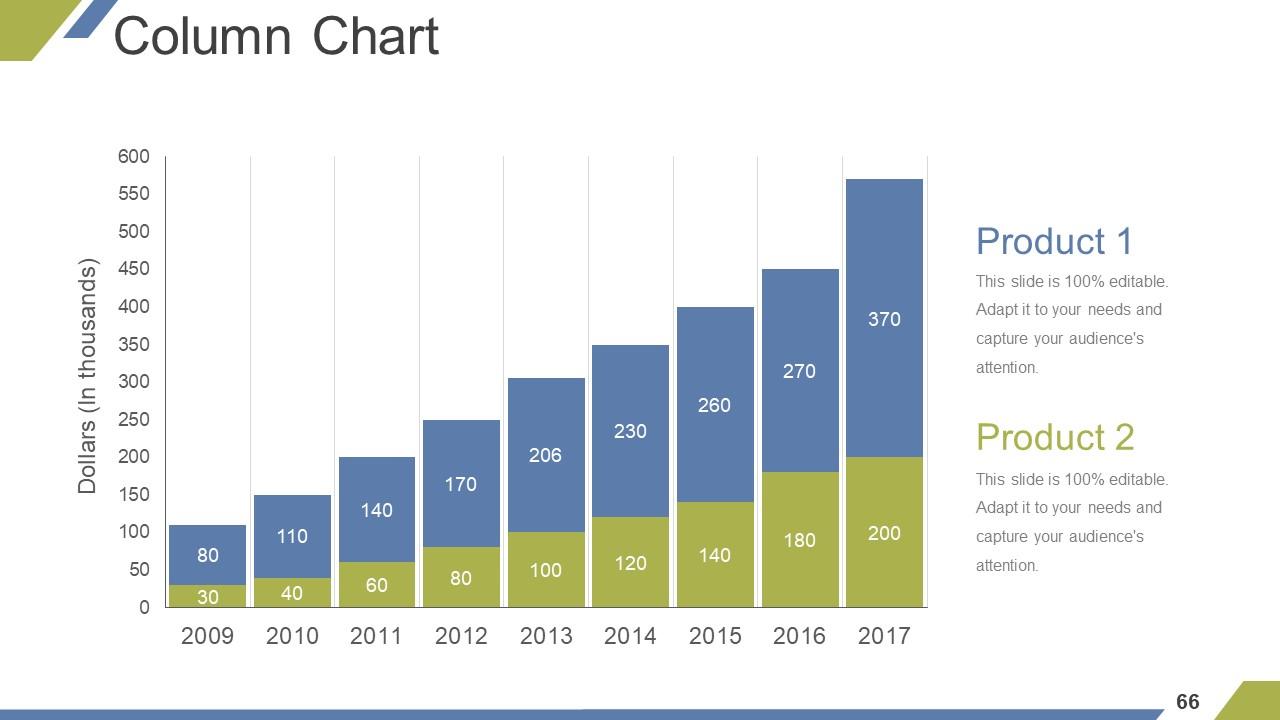
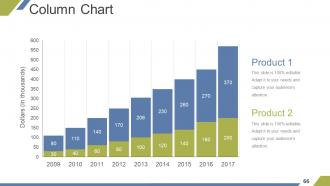
Slide 66: This is a Column Chart slide for product/entity comparison.
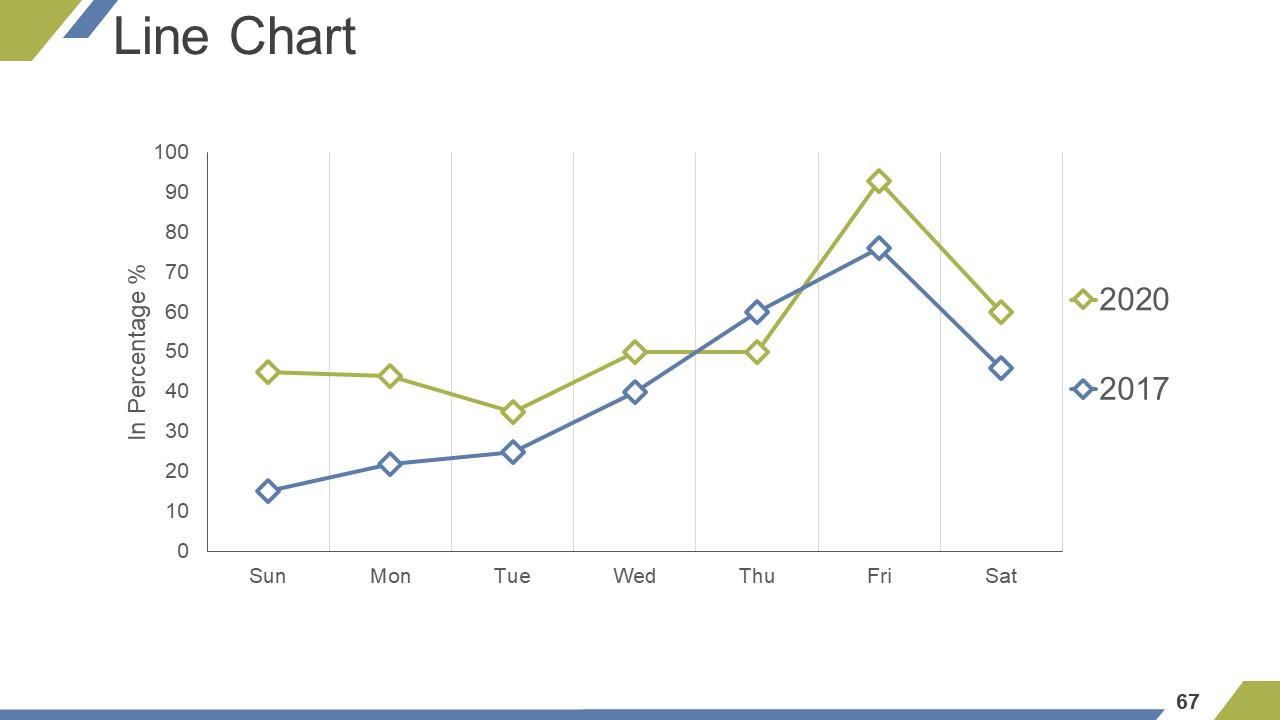
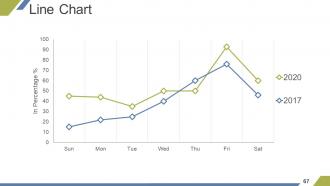
Slide 67: This is a Line Chart slide for product/entity comparison
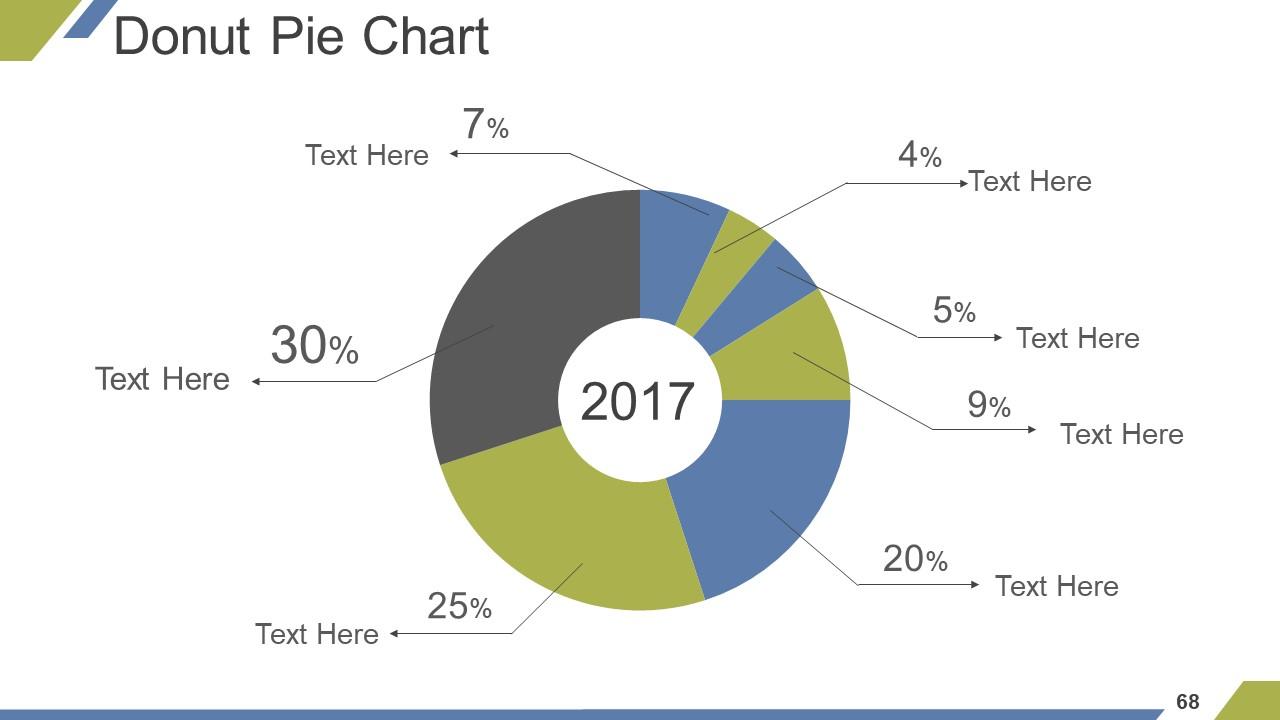
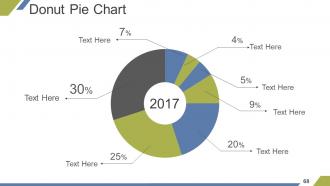
Slide 68: This is a Donut pie chart. You can compare your products in this.
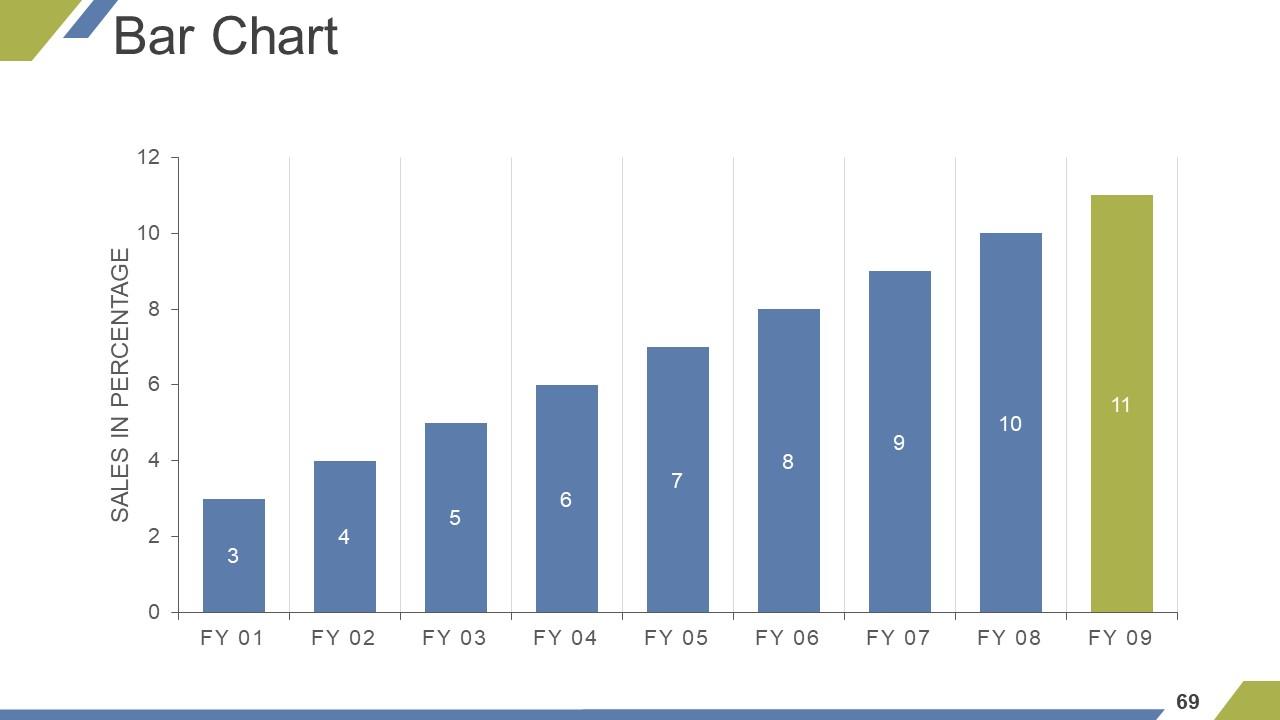
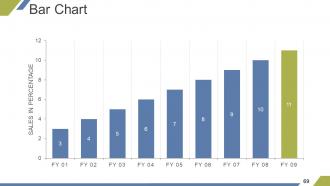
Slide 69: This is a Bar chart titled heading slide. Edit as per your requirement.
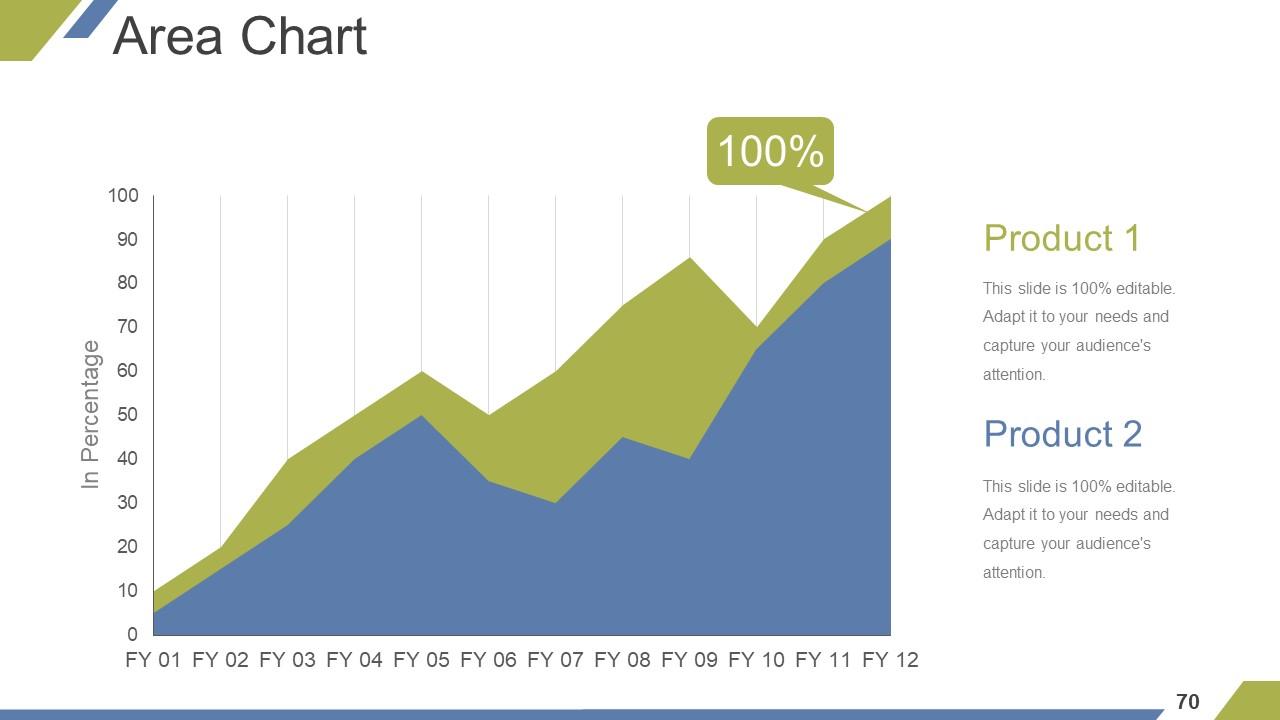
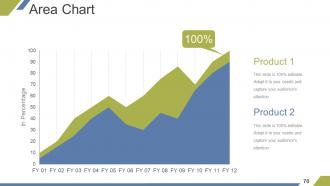
Slide 70: This slide shows an Area Chart for product comparison, growth etc.
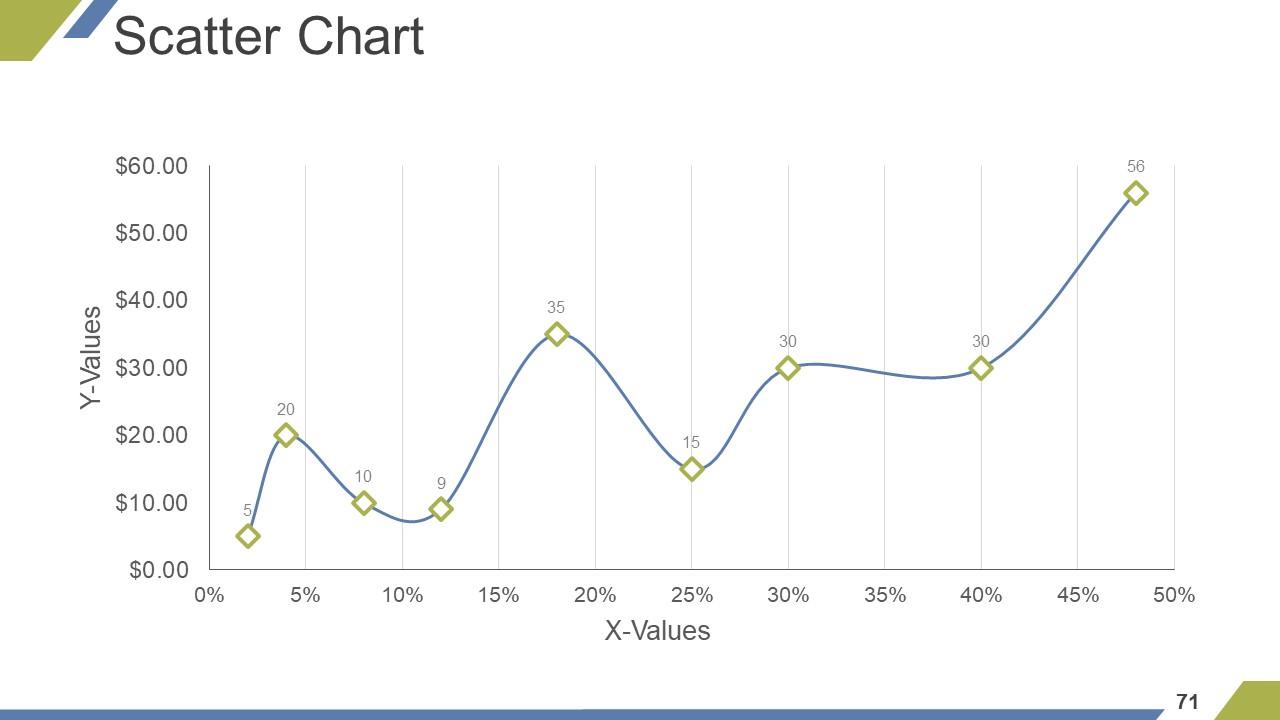
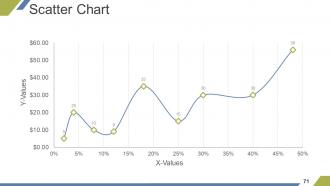
Slide 71: This slide showcases a Scatter Chart. You can add data as per your need
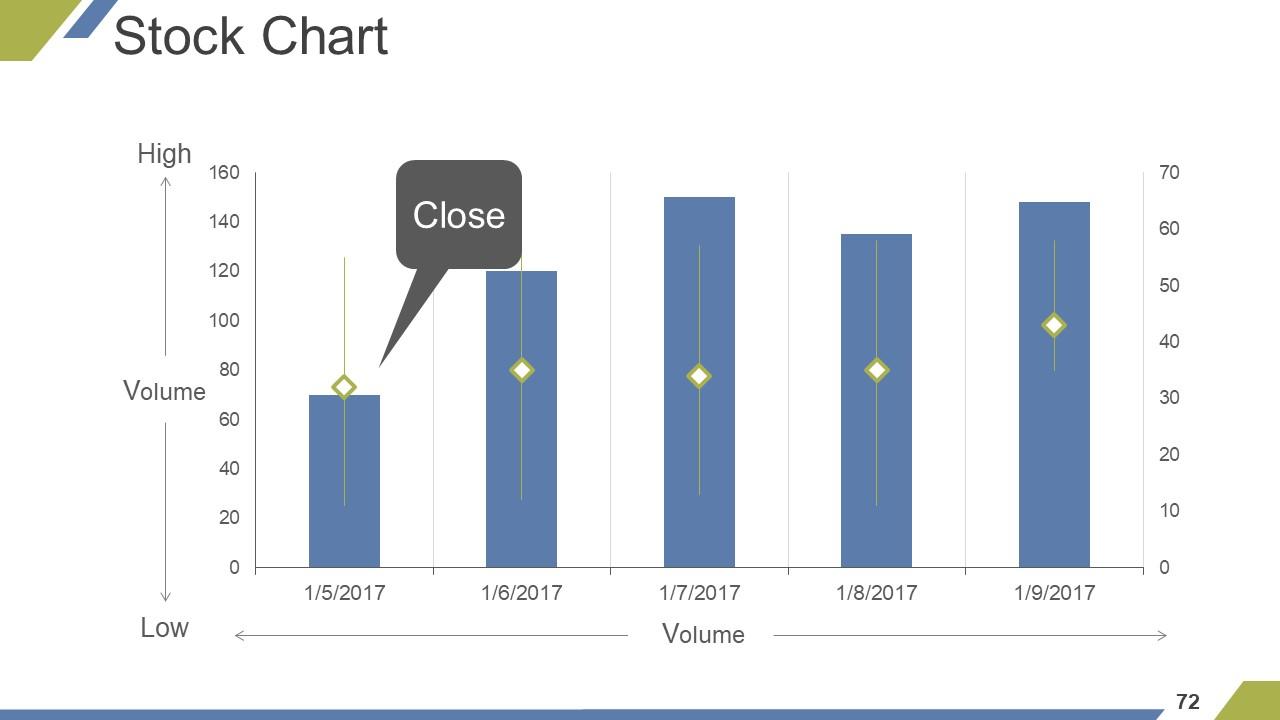
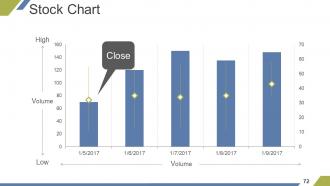
Slide 72: This slide displays a Stock Chart with volume as parameter in terms of high and low.
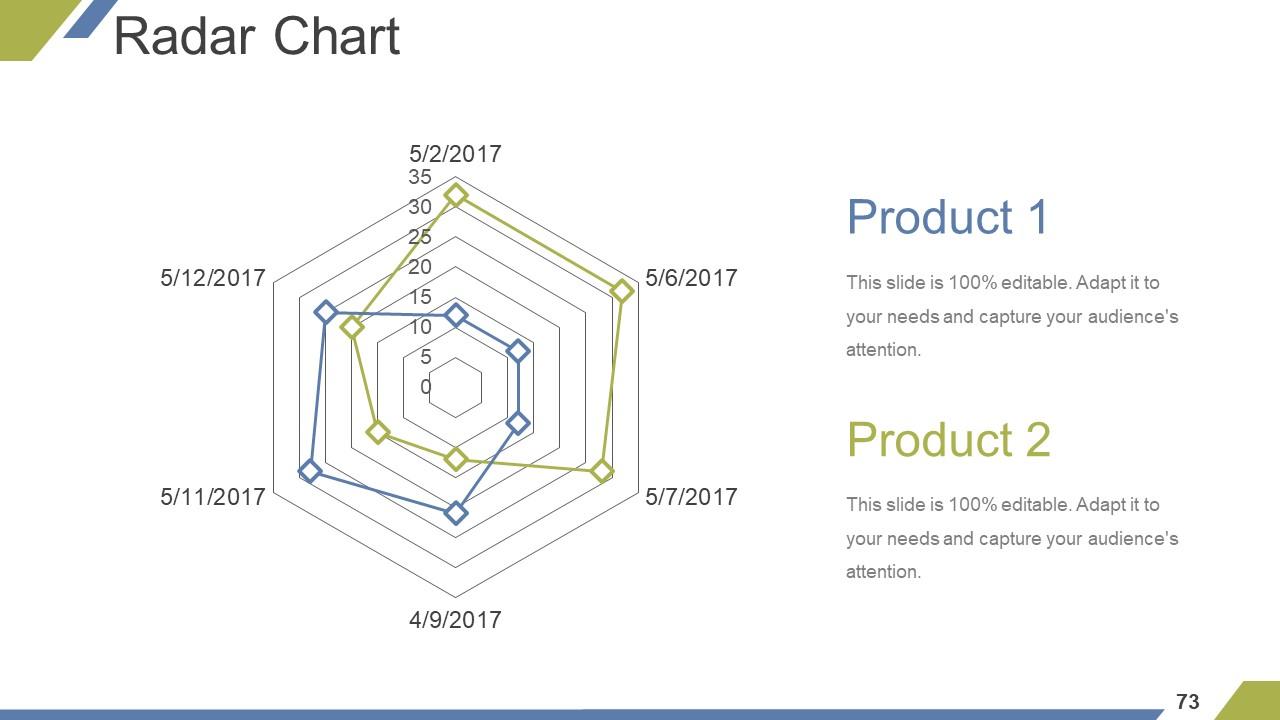
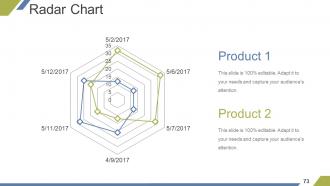
Slide 73: This is a Radar Chart slide for product/entity comparison.
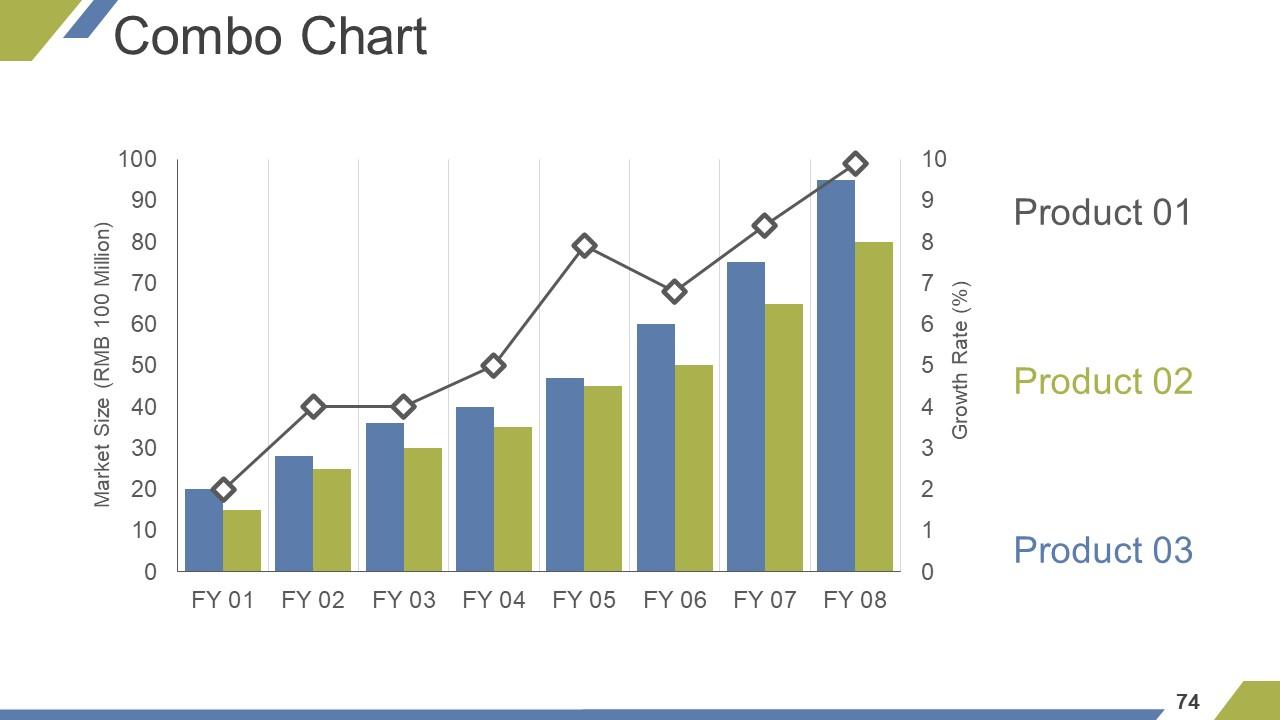
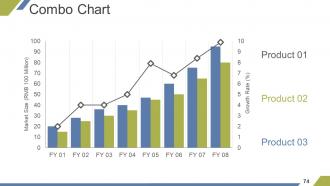
Slide 74: This is a Combo Chart. You can edit/alter data.
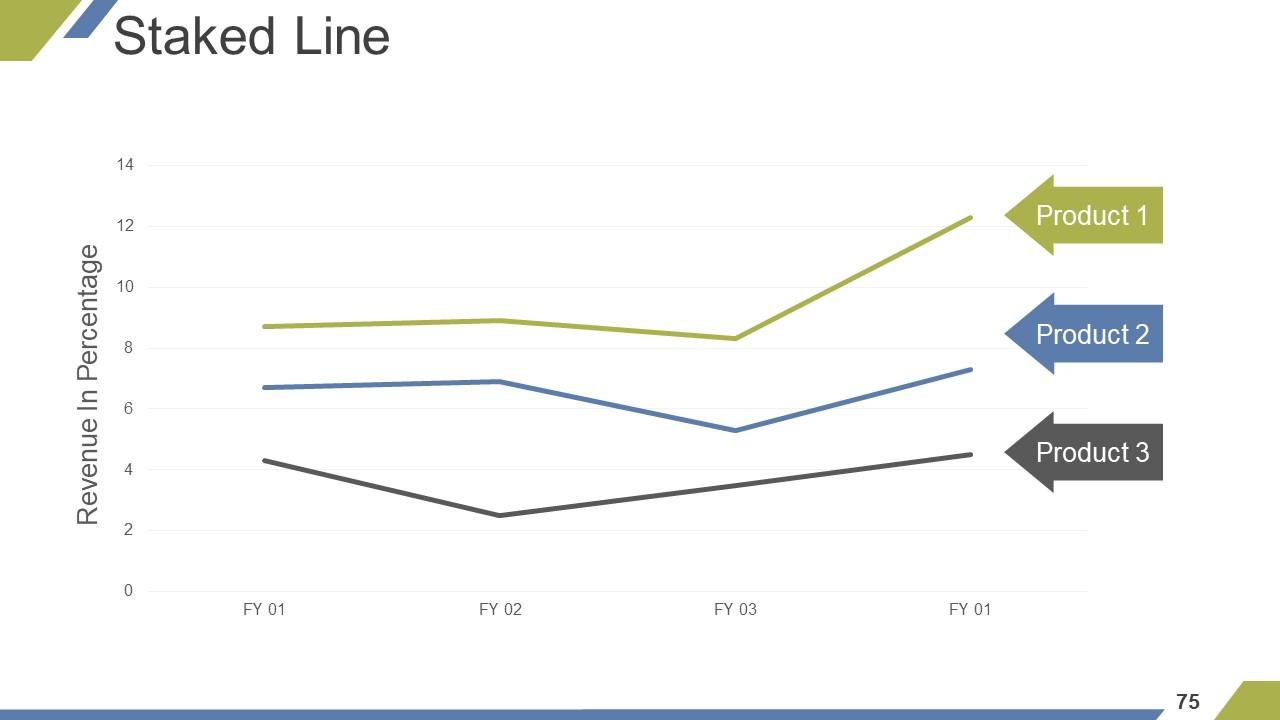
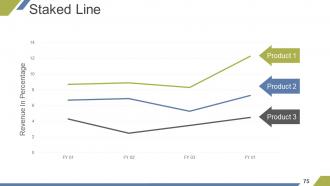
Slide 75: This slide shows a Stacked Line graph in terms of Revenue In Percentage for comparison of Product 01, Product 02, Product 03 etc.
Slide 76: This is Contact Us slide with details.
Slide 77: This is a Thank You slide for acknowledgement with image.
Marketing And Sales Strategy Business Plan Powerpoint Presentation Slides with all 77 slides:
You will never face a dearth of options. Opt for any from our vast array of Marketing And Sales Strategy Business Plan Powerpoint Presentation Slides.
-
Graphics are very appealing to eyes.
-
Enough space for editing and adding your own content.
