


DevOps Powerpoint Ppt Template Bundles




Try Before you Buy Download Free Sample Product
 Impress Your
 Audience
 100%
100% Editable
 Save Hours
 of Time


Our DevOps Powerpoint Ppt Template Bundles are topically designed to provide an attractive backdrop to any subject. Use them to look like a presentation pro.
People who downloaded this PowerPoint presentation also viewed the following :
DevOps Powerpoint Ppt Template Bundles with all 36 slides:
Use our DevOps Powerpoint Ppt Template Bundles to effectively help you save your valuable time. They are readymade to fit into any presentation structure.
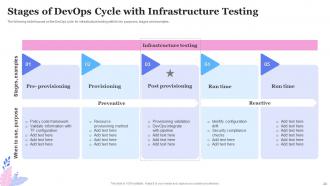
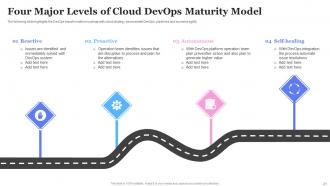
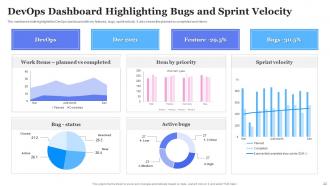
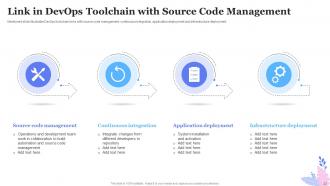






FAQs for DevOps Powerpoint
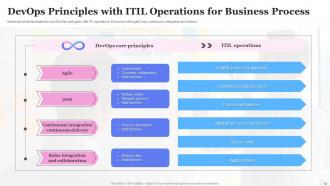
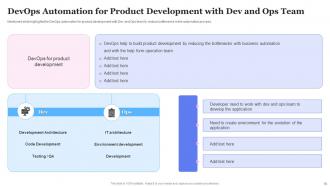
So the big thing is getting dev and ops to actually share responsibility for stuff instead of just tossing code over the fence. Fast feedback loops help tons - nobody wants to wait weeks to find out something's broken. CI/CD and automation kill most of the manual handoff drama (seriously, those arguments get old fast). But honestly? The cultural piece is harder than the tech side. You gotta break down those silos first. Then worry about shared tools and metrics so everyone's chasing the same goals instead of just protecting their own turf.
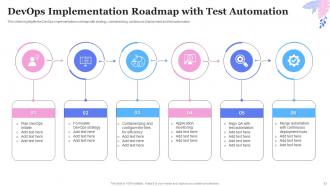
Dude, automation is seriously worth the effort once you get into it. Basically takes all those tedious manual steps - code integration, testing, deployments - and handles them automatically. No more human screwups slowing things down. Your CI/CD pipeline will catch bugs and deploy code while you're grabbing coffee or whatever. Way faster releases, way less stress. I'd say start with just one annoying task you're doing by hand right now. Get that automated first, then build from there. Trust me, you'll wonder why you waited so long to set this up.
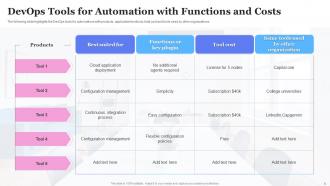
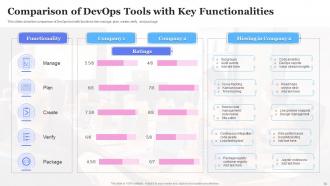
So there's a bunch of tools you'll run into - Jenkins handles your CI/CD stuff, Docker does containerization, Kubernetes manages orchestration. Git's obviously for version control. Teams also use Ansible or Terraform for infrastructure (though honestly Terraform's syntax still trips me up sometimes). The whole point is automating your pipeline from code commits all the way to deployment. It's pretty overwhelming when you start. Each tool tackles one piece so dev and ops aren't constantly passing things back and forth manually. I'd say start with Git and Jenkins first - you'll see results fast.
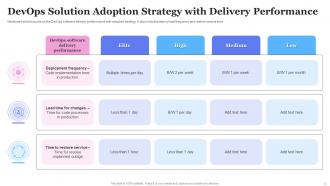
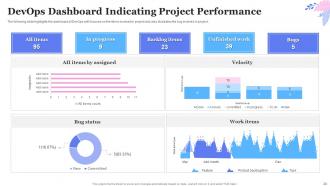
Honestly, just track the DORA metrics - they're what everyone uses now. Deployment frequency shows how often you're pushing code live. Lead time measures commit to production. MTTR is how fast you recover from incidents (this one's huge). Change failure rate tells you what percentage of deployments break things. I'd start measuring monthly since it's easier, then move to weekly once you get the hang of it. These four give you a solid picture of where you stand without drowning in data.
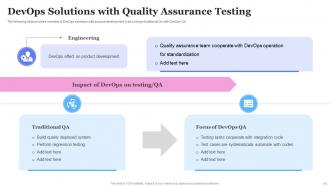
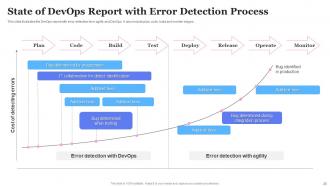
So basically, DevOps catches bugs way earlier in the process instead of letting them slip through to production. Automated testing and CI/CD create these checkpoints at each stage - honestly, it's like having a safety net that actually works. Finding issues during development is ridiculously cheaper than dealing with them after deployment. You also get way fewer human errors with automated deployments, plus rollback options when stuff inevitably breaks. I'd start with just basic automated testing and simple CI pipelines. Trust me, you'll feel so much more confident about releases once you see it working.
Honestly, the biggest pain is just getting people to stop being weird about their turf. Dev and ops teams can get super protective of "their" processes, plus change freaks everyone out. Legacy systems will make you want to cry - integrating that old stuff is brutal. Setting up CI/CD from scratch takes forever too. Your team probably doesn't know half the automation tools they'll need, so budget time for training. Oh, and finding tools that actually play nice together? Good luck with that. Best move is picking one small project first to show it actually works, then slowly expand once people see the wins.
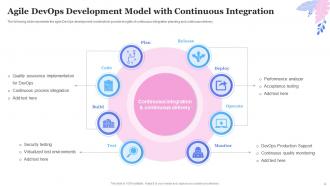
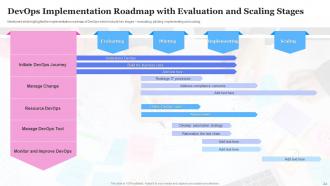
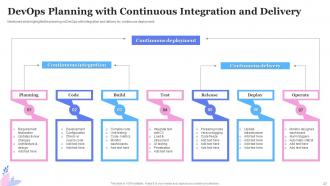
So CI/CD is like the magic behind making DevOps actually work instead of just being a buzzword. Every time someone pushes code, automated pipelines kick in to build, test, and deploy everything. No more of that "works on my machine" nonsense we've all dealt with! Testing happens automatically so you catch bugs way earlier. Plus you can ship stuff quickly without breaking everything. Oh, and it gets dev and ops teams actually collaborating instead of throwing things over the fence at each other. Honestly just start with one small project and build a simple pipeline first - don't overcomplicate it.
So basically DevOps cuts your time-to-market by getting rid of those annoying silos between dev and ops. Automation is huge here - especially for testing and deployment (start there honestly). Your feedback loops get way faster with continuous integration, which means catching bugs early instead of those nightmare pre-launch weeks. Infrastructure as code lets you spin up environments without waiting forever on manual stuff. Oh and here's the thing - smaller, frequent releases beat those terrifying big deployments every time. You'll see results pretty quick once you automate the basics.
IaC is a game-changer for DevOps - you can version control your entire infrastructure like regular code. No more "works on my machine" headaches when environments don't match. Terraform's probably your best bet to start with, works across all cloud providers and has solid docs. CloudFormation if you're married to AWS. Ansible handles config management really well, though it's a bit different. Pulumi's cool if your team hates YAML (honestly, who doesn't sometimes?). The automation piece is what really sells it - spin up identical environments instantly instead of clicking through consoles for hours.
So DevSecOps is basically moving security checks way earlier in your development process instead of doing them at the very end. You build security scanning right into your CI/CD pipeline and make it automatic. The cool part is everyone becomes responsible for security, not just that one security team. Honestly, it's more about changing how people think than just adding tools. Your devs start considering security stuff from the beginning, infrastructure gets treated like code and scanned, and you'll catch problems when they're still cheap to fix. Just start with one basic scanner in your current setup.
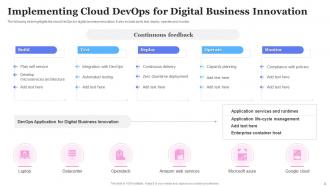
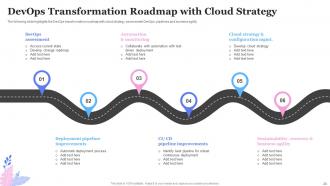
Honestly, cloud computing completely changed the DevOps game. You can spin up environments in minutes instead of waiting weeks for hardware - it's wild how much faster everything became. The flexibility is insane too. Need more resources? Scale up instantly. Done with something? Just tear it down. What really hooked me though was infrastructure-as-code. Your entire setup becomes version-controlled and reproducible, which is chef's kiss for consistency. Plus all those managed services (databases, container stuff) took away so much of the tedious ops work that used to bog teams down. If you're not using cloud automation tools yet, you're honestly making life way harder than it needs to be.
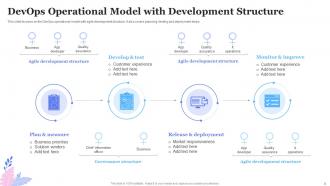
Honestly, joint planning sessions are a game changer - get dev, ops, security, and QA all hammering out sprint goals together instead of in separate bubbles. Slack channels beat email every single time for this stuff. Shared dashboards help too so everyone's looking at the same data. When wins happen, celebrate as one team. Same goes for post-mortems when things inevitably blow up (and they will). Oh, and make sure people actually own outcomes together, not just their little piece of the puzzle. Sounds obvious but you'd be surprised how many places miss this.
So DevOps is kinda tricky because it's half technical, half people skills. Docker and Kubernetes are pretty much must-haves now, plus you'll need scripting - Python's probably your best bet there. AWS or Azure for cloud stuff (honestly just pick one to start). The weird thing is how much communication matters since you're basically translating between developers and operations folks all day. CI/CD pipelines are huge too. But seriously, that "automate everything" mindset is what separates good DevOps people from mediocre ones. Start small with one platform and build up - don't try learning everything at once or you'll burn out.
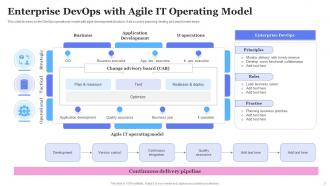
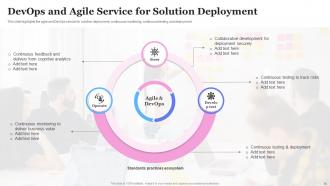
So Agile and DevOps work really well together - Agile breaks everything into sprints and keeps you getting feedback, while DevOps automates all the deployment stuff. Think of it this way: Agile helps you build fast, DevOps helps you ship fast. Without DevOps, you'll hit a wall when it comes to actually releasing your work. I'd honestly start with getting your Agile process down first, then slowly add the automation tools. That combo lets you move quick without breaking things. My old team tried doing DevOps without Agile first and it was messy.
So the big stuff to watch - AI automation, platform engineering, GitOps going mainstream. AI's gonna take over way more repetitive tasks than people realize right now. Code reviews, incident response, all that tedious stuff. Developer experience platforms are getting huge too, basically hiding all the infrastructure headaches. Security keeps moving earlier into dev cycles. GitOps? Yeah, that'll be standard for deployments pretty soon. My advice - start playing with AI tools now and focus on building self-service platforms that don't make your devs want to quit. Trust me on that last part.
-
Great combination of visuals and information. Glad I purchased your subscription.
-
What a stunning collection of customizable templates! Really a time-saver..