


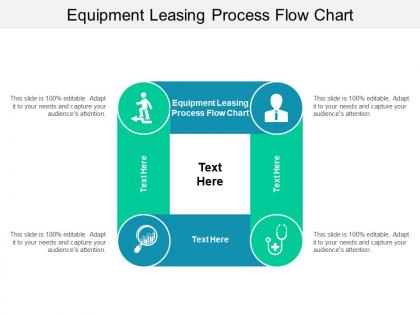
Equipment leasing process flow chart ppt powerpoint presentation professional portfolio cpb




Try Before you Buy Download Free Sample Product
 Impress Your
 Audience
 100%
100% Editable
 Save Hours
 of Time


Delve on the benefits of jogging with our Equipment Leasing Process Flow Chart Ppt Powerpoint Presentation Professional Portfolio Cpb. Clearly explain how it improves health.
People who downloaded this PowerPoint presentation also viewed the following :
Equipment leasing process flow chart ppt powerpoint presentation professional portfolio cpb with all 5 slides:
Clearly explain how health improves with our Equipment Leasing Process Flow Chart Ppt Powerpoint Presentation Professional Portfolio Cpb. Delve on the benefits of jogging.
FAQs for Equipment leasing process flow chart ppt powerpoint presentation
First thing - figure out what equipment you actually need and get some quotes. The lease application comes next, where you'll submit your business financials, credit info, all that stuff. Pro tip: have your financial docs ready from the start because it'll save you so much time later. They run credit checks and evaluate your business to set the terms. Honestly, the paperwork is way more annoying than you think it'll be. Once you're approved though, it's just reviewing the agreement, signing, and coordinating delivery. Pretty straightforward overall.
Honestly, I'd start with figuring out what equipment you actually need vs what you have now. Your cash flow matters a ton here - can you handle a big purchase or would monthly payments work better? Tech stuff changes so fast that leasing makes more sense, you can upgrade without being stuck with outdated gear. But if it's something you'll use for years, buying might save money long-term. Oh and check the tax benefits too, sometimes leasing gives you better write-offs. Really depends on your specific situation though.
Start with interest rates and loan terms - that's where they'll get you if you're not careful. Get quotes from 3-4 companies minimum and compare total costs, not just monthly payments. Look for lessors who specialize in your equipment type since they actually understand what you're dealing with. Check reviews because being stuck with jerks for 5 years sounds miserable. How fast can they approve you? Some take forever. Also ask about end-of-lease options upfront - you might want to buy it later and their buyout terms vary wildly.
Basically you need your last 2-3 years of financials, bank statements, and tax returns. Fill out their credit app too. If you're a smaller company they'll probably want a personal guarantee - kinda annoying but whatever. Don't forget your business license (I literally always forget that one lol). You'll also need the actual equipment quote since that's what they're financing. Tax stuff usually takes forever to dig up so start there first. Make sure everything's recent too or they'll just ask for updated versions anyway.
So you'll want to pull their credit reports first - check payment history, existing debts, all that. Financial statements come next. Look at cash flow, debt ratios, how profitable they've been. Bank statements are gold for seeing real spending patterns. Smaller clients usually need personal guarantees (which honestly can get awkward). The whole thing takes maybe 2-3 days if they're quick with paperwork. Oh, and definitely call their trade references - I've caught sketchy stuff in those conversations that the numbers totally missed.
So there's basically two main types - operating and capital leases. Operating is like renting, you just give it back when you're done. Perfect for tech stuff that'll be obsolete in 3 years anyway. Capital leases are more like rent-to-own deals where you'll probably end up keeping it. Oh, and there's fair market value leases too, but honestly I see way more operating leases these days. Just think about it this way - do you actually want to own this thing long-term or just need it for now? That'll tell you which direction to go.
Dude, taxes totally make or break equipment leasing deals. Lease payments? You can write those off as operating expenses, which is awesome for your monthly cash flow. Buy instead and you're dealing with depreciation schedules that probably don't match how you actually use the stuff. The leasing company gets ownership tax benefits too, so they can offer you better rates. Your accountant will thank you for asking about this early - Section 179, bonus depreciation, state tax differences... honestly it gets complicated fast. Just make sure you run both scenarios before deciding anything.
Definitely shop around for quotes first - that's where your negotiating power comes from. Focus on the monthly payment, buyout terms, and end-of-lease options when you're talking numbers. Your credit score matters a ton here, so clean that up beforehand if needed. Business financials too, obviously. Timing's kind of sneaky important though - hit them up at quarter-end or end of their fiscal year. They're usually way more willing to work with you when they're trying to hit targets. Don't take their first offer, even if it sounds decent.
So there's basically three options: short (1-2 years), medium (3-5 years), and long-term (6+ years). Honestly, most people go with 3-5 years because it matches up nicely with when you'd want to upgrade tech anyway, plus the tax stuff works out better. Month-to-month is a thing too if you need seasonal equipment - though not everyone offers that. Really depends on how fast your equipment gets outdated and what your cash flow looks like. Oh, and some lessors are way more flexible than others, which I learned the hard way. I'd figure out how long you actually expect to use the equipment first, then work backwards from there.
So they'll usually contact you like 60-90 days before your lease is up about returning stuff. Honestly the scheduling part is such a pain - way more annoying than it should be. You can either drop it off or have them pick it up at their location. Just make sure you wipe all your data first and get everything back to how it was originally. Oh and they're gonna inspect it for damage beyond normal wear, which could cost you extra if they find anything sketchy. I learned the hard way to start this process early because waiting until the last minute always creates problems with scheduling or forgetting to backup files.
Yeah, so with leasing you're basically on the hook for all the regular maintenance stuff - oil changes, tire rotations, following whatever service schedule the manufacturer wants. Your lease will have all the details spelled out, but most of them are pretty picky about using their approved service centers. Honestly, some lessors can be real sticklers about this. You'll want to set up a maintenance routine pretty much right away so you don't mess up any warranties. Each lease is different though, so definitely read through yours carefully. Don't skip the fine print on this one.
Honestly, most people mess up by rushing to pick a vendor without doing their homework. Don't just look at monthly payments - that's a trap. Total cost and what happens when the lease ends? Way more important. Insurance requirements will bite you if you don't check them early (trust me on this one). Oh, and delivery times are always longer than they promise, so give yourself extra time. Get everything written down before signing. Verbal promises about maintenance are basically worthless later.
Honestly, just find a lessor with solid digital tools and you'll save yourself weeks of headaches. Most of the good platforms let you upload docs, track everything in real-time, and get credit decisions way faster thanks to automated scoring. E-signatures are clutch too - no more printing stuff out like it's 2005. The ones that sync with your accounting software are worth their weight in gold, especially if you're juggling multiple leases. I learned this the hard way after spending forever on a deal that should've taken days. Digital processes can turn what used to be a 3-week nightmare into something you'll actually finish this century.
So residual value is basically what they think the equipment will be worth when your lease ends. Higher residual = lower monthly payments since you're only paying for the depreciation part. It's like leasing a Toyota vs some random brand that tanks in value, you know? The leasing company uses this to figure out their risk and what to charge you. Oh and it affects whether you'll want to buy the thing at the end or just hand it back. Honestly, nail down those residual assumptions before you sign anything because they can totally change what you end up paying overall.
Document everything from the start - payment dates, maintenance stuff, all your obligations. Whatever system actually works for you, just pick one and stick with it. I've watched teams get completely screwed by missing renewal deadlines or forgetting inspections (such a nightmare). Talk to your lessor regularly, especially if you're moving equipment or making changes. Calendar reminders are your friend here. Being proactive beats scrambling later, trust me. Make a basic checklist of what you owe them and go through it monthly with everyone.
No Reviews