

Digital Public Relation Powerpoint Ppt Template Bundles





Try Before you Buy Download Free Sample Product
 Impress Your
 Audience
 100%
100% Editable
 Save Hours
 of Time


Introducing our cutting edge Digital Public Relations PowerPoint Presentation, a comprehensive guide to mastering the art of online reputation management and internet public relations. This professionally designed PPT equips businesses and individuals with the tools and strategies needed to navigate the digital landscape effectively. Discover the power of online public relations and learn how to build and maintain a positive brand image in the digital realm. With a focus on social media, content marketing, and crisis communication, this presentation empowers you to proactively manage your online presence and engage with your target audience effectively. Stay ahead of the curve with our Digital Public Relations PPT and establish a strong, influential, and respected digital footprint.
People who downloaded this PowerPoint presentation also viewed the following :
Digital Public Relation Powerpoint Ppt Template Bundles with all 17 slides:
Use our Digital Public Relation Powerpoint Ppt Template Bundles to effectively help you save your valuable time. They are readymade to fit into any presentation structure.

FAQs for Digital Public Relation Powerpoint
So social media is basically where all your PR actually happens now. You can talk directly to journalists and influencers without going through traditional media channels, which is honestly a game-changer. Perfect for crisis management too since you'll need to respond fast when things go sideways. The trick is finding the right platforms for your audience - don't waste time on TikTok if your crowd's all on LinkedIn, you know? Focus on building real relationships instead of just blasting out press releases. Oh, and definitely scope out which journalists in your industry are most active where first.
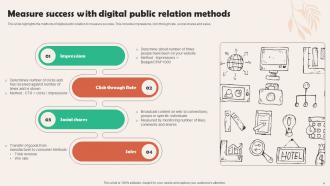
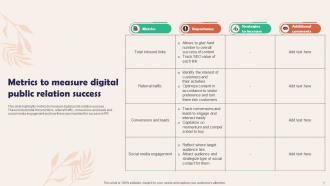
So you need to track a bunch of different stuff to really see if your digital PR is working. Media mentions and social shares show how far your content spread. Engagement matters too - comments, clicks, how long people actually stay on your pages. But honestly, the business metrics are what'll save your ass when budget season comes around. Track referral traffic from where you got coverage, any new leads, branded search spikes. That's the good stuff. Oh and definitely set up some kind of dashboard - I learned this the hard way but having everything in one place makes it way easier to spot what's actually moving the needle.
Honestly, start with monitoring - Google Alerts is free and tools like Mention catch stuff you'd miss. Speed matters way more than having the perfect response when something negative pops up. Just be professional and quick about it. Create good content regularly to push down any bad search results (this actually works better than people think). Oh, and build relationships with journalists and influencers before you desperately need them - can't stress this enough. Don't wait to start tracking what people say about you online.
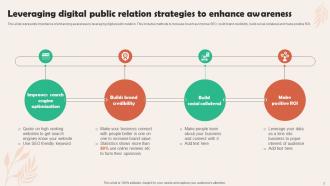
Dude, SEO and PR are basically best friends. When you do PR outreach, you're getting those backlinks Google obsesses over. Press releases and guest posts? They link back to your site and bump your rankings. Brand awareness from PR also means more people search for your company specifically - which Google notices. Here's the thing though: make sure your PR stuff has good keywords and links to the right pages on your site. Oh, and always push for dofollow links when possible. Some PR people will try to give you nofollow by default.
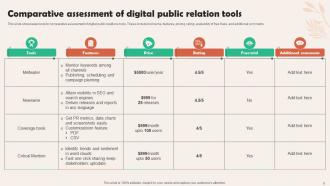
Start with Google Alerts and Mention for tracking what people say about your brand - super basic but works. HARO's great for finding journalists who need sources. Buffer or Hootsuite are lifesavers for scheduling posts, though honestly I'm team Buffer. You'll need something like Pitchbox for outreach or just use a decent CRM to track your pitches. SEMrush helps measure if your coverage actually moves the needle. Oh, and definitely start with free versions first - you can always upgrade once you figure out what you're actually using. Most people over-tool from day one.
Honestly, stories just hit different than boring stats and data dumps. People actually want to share stuff that feels real and connects with them emotionally. Like, would you rather read about quarterly earnings or how someone's life got completely turned around by a product? No contest, right? The trick is finding that human moment in whatever you're pitching - maybe it's a customer transformation or just something genuine that happened. Build your whole campaign around that authentic piece. Stories stick with people way longer than any corporate press release ever will. Plus they spread naturally across social media without you having to push them.
Ugh, the worst thing people do is blast the same boring pitch to every journalist - they literally delete those without reading. Do some homework first! Figure out what each reporter actually covers. Digital PR isn't like old-school advertising where you just send press releases and pray. Build real relationships instead. Follow journalists on Twitter, comment on their stuff, then pitch something that actually fits their beat. Honestly? Skip the big outlets at first. Smaller niche sites often have way better engagement anyway. Pick like 10 reporters you want to work with and study what they write about before you even think about reaching out.
Honestly, influencer partnerships can be gold if you do them right. Skip the mega-celebrities and go for micro-influencers instead - like 10K-100K followers. Way cheaper and their audiences actually engage. The key is finding people who genuinely vibe with your brand because fake collabs are so obvious it hurts. Don't script everything either. Let them tell your story their way - that's what their followers signed up for. Track engagement over follower counts (vanity metrics are useless). Start small with maybe 3-5 influencers in your space and build real relationships first. It's basically PR but more authentic.
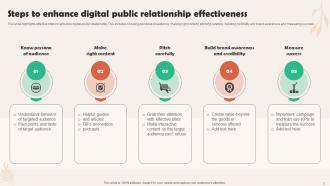
Dude, you gotta track both reach AND impact - media mentions are obvious, but check the domain authority of who's covering you too. Social engagement matters way more than people think tbh. One viral post beats ten tiny mentions every time. Set up Google Alerts and grab something like Mention or Brand24 to watch everything. Weekly check-ins work, but dig deeper monthly. Oh and don't forget conversion stuff - leads or signups from PR hits. Also compare your share of voice to competitors. Referral traffic from earned media tells the real story.
Honestly, the main thing is everything moves at warp speed now. Back in the day you'd have hours to craft the perfect response, maybe even sleep on it. Now? Someone tweets something at 2am and suddenly you're scrambling to respond before it goes viral. Social media algorithms are weird too - they can make tiny issues blow up for no reason. But here's the thing - you don't need reporters anymore to get your message out. You can talk directly to people. My advice? Set up alerts for your brand mentions and have some basic response templates ready. Trust me, you'll need them.
Okay so first off - the FTC doesn't mess around with disclosure rules, so you've gotta be upfront about sponsorships and partnerships. Don't do that fake grassroots stuff or manipulate reviews because people will call you out hard. Privacy matters too when you're tracking data or building audiences. Honestly, the whole "don't spread BS information" thing should be obvious but here we are. Oh and avoid conflicts of interest - or at least tell people about them. I always just think: would I be pissed if someone pulled this on me? If yes, don't do it. Make yourself a quick ethics checklist.
Honestly, small businesses have a huge advantage - you can move way faster than those big corporations. While they're stuck in endless approval meetings, you're already tweeting at journalists or responding to breaking news. People actually love underdogs too, which works in your favor. Your messaging can have real personality instead of that corporate BS everyone's tired of. I'd focus on building genuine relationships with smaller niche reporters first rather than chasing the big outlets. Being scrappy and authentic beats having a massive budget most of the time.
Honestly, AI tools for monitoring mentions and creating first drafts are game-changers right now. Voice search is blowing up too - everyone's asking Alexa about brands instead of typing. Micro-influencers beat celebrities every time (seriously, the numbers don't lie). Interactive stuff like polls and AR filters get insane engagement. Oh, and people want brands to actually sound human now, not like robots wrote their captions. I'd pick one area and just start messing around with it - maybe start small with some polls or something? The authentic voice thing is probably the easiest win.
Honestly, you can't just spray the same message everywhere and expect it to work. Different audiences need different approaches - like, a B2B tech story hits way differently than some lifestyle piece, you know? Your journalists want different stuff than influencers do. Timing matters too depending on who you're targeting. I always tell people to map out their key segments first and figure out where those people actually hang out online. Otherwise you're just... I don't know, hoping for the best? Which rarely works out. Trust me on this one.
UGC is seriously powerful for digital PR - way better than paid ads honestly. Real customers sharing their actual experiences? That builds trust like nothing else can. You get this goldmine of content too: reviews, unboxing videos, social posts, testimonials. Sure, you can't control exactly what people say (which used to freak me out), but that's kinda the whole point. The authenticity makes up for losing some narrative control. My advice? Just start asking customers to share their stories, then reshare the good stuff strategically.
-
Excellent design and quick turnaround.
-
SlideTeam is a great place for PPT templates. They have many templates on a single topic. It has made my life a lot easier.