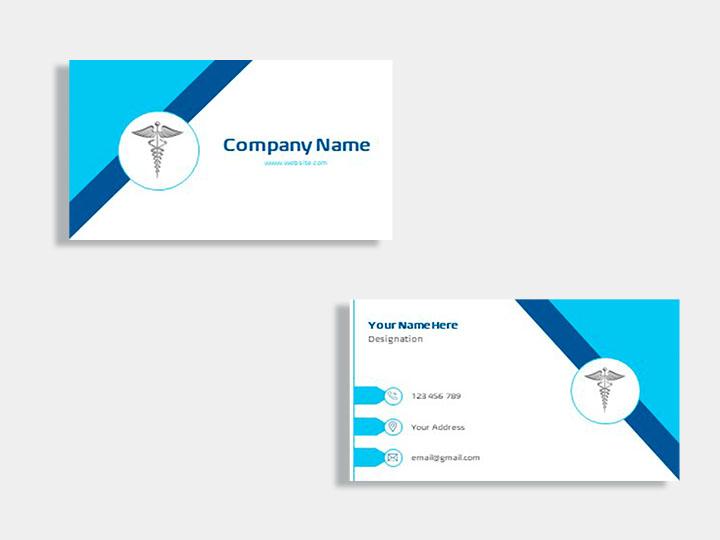
Doctor business card design template
Try Before you Buy Download Free Sample Product
Audience
Editable
of Time
Utilize this to share your companys contact details. You can use it to make a quick first impression on the recipient. Featuring an innovative design, this business card will act as a branding exercise to beat the competition. Easily infuse it with the company logo, address, email, website details, and other impactful information, following the editable design structure. Not only this, every design element of this card, like color, typeface, and image, has its planned use for the desired impact. Therefore, download this persuading business card and use it to promote your business.
People who downloaded this PowerPoint presentation also viewed the following :
Doctor business card design template with all 2 slides:
Use our Doctor Business Card Design Template to effectively help you save your valuable time. They are readymade to fit into any presentation structure.
FAQs for Doctor business
Obviously start with your name and credentials - the MD, DO, whatever you've got. Include your specialty since that's literally why people call you. Phone, email, office address are must-haves - can't believe how many cards I see missing basic contact info. Keep the design super clean though, nothing crazy. Healthcare's all about trust, so stick with professional fonts and maybe your practice colors if they're not hideous. Good cardstock is worth the extra few bucks too. Oh and don't cram everything on there - white space actually helps people find what they need.
Honestly, color choice matters way more than you'd think for medical cards. Blues and greens are the go-to because they scream "trustworthy doctor" - though at this point it's almost cliché. Soft purples or teals work great too if you want something warmer but still professional. Just don't go crazy bright. Red could work for ER docs, but imagine handing that to nervous parents at a pediatric visit. Think about your specialty and what vibe matches your style. Whatever feels right for your practice is probably the way to go.
Go with something clean like Helvetica, Arial, or Calibri - way easier to read when it's tiny. I made the mistake of using some fancy serif font once and literally no one could read my contact info lol. Your name should be 12pt minimum, contact details at least 9-10pt. Script fonts are a hard no unless you're doing that whole old-school family doctor thing. Oh and readability beats looking fancy every single time. You want people to actually call you, not squint at your card trying to figure out your phone number.
Your business card layout literally controls what people remember about you. Put your name huge at the top, specialty underneath, then contact info - patients will process it exactly in that order. Cluttered cards make brains work overtime, and honestly nobody's got patience for visual puzzles when they're stressed about appointments. Clean spacing helps people grab your info fast. I always do this weird squint test - if I can't read the important stuff while squinting, patients definitely can't either. They just want your name and how to reach you anyway.
Clean, minimal designs are still killing it for medical cards. Patients just trust that crisp, professional look more. Blues and greens are your safest bet - honestly, they're overdone but they work. Simple fonts, lots of white space, maybe some thin lines for visual interest. QR codes are everywhere now too, which is actually pretty smart for linking to patient portals. I'd avoid those rainbow gradients that are trendy right now though. Medical stuff needs to feel conservative and reliable, you know? Check Pinterest for "medical business cards 2024" - there's tons of inspiration there. Just pick elements that vibe with your practice's personality.
Honestly, photos can work great on doctor business cards. Just keep it professional - think good lighting, clean headshot, basically your LinkedIn pic but not some random vacation shot. Patients actually remember you better that way, and the personal connection thing is pretty huge in healthcare. Don't let the photo take over your contact info though, that's still the main point. If you're on the fence about it, maybe print like 50 with your photo first? See how people react before you order like 500 of them. Way cheaper to test it out.
Honestly, less is more with medical business cards. Pick maybe one or two cool touches - like nice thick paper stock or a subtle color that matches your office vibe. Some doctors I know do a clean font for their name or add a tiny icon related to their specialty. Just don't go crazy with it, you know? A thin border can look pretty sharp too. The main thing is patients need to actually read your contact info easily - that's literally the whole point. I've seen cards that look amazing but you can't find the phone number anywhere.
Yeah, definitely put your logo on there - it makes such a difference for looking legit. Without one, cards just look kind of... empty? I'd stick it in the top corner or header area, but don't make it so big that it crowds out your actual contact info. That's happened to me before and it looked awful. If you're with a hospital or medical group, throw their logo on there too since patients trust those big names. Just make sure you get the high-res versions so they don't come out all pixelated when printed. Nothing worse than a blurry logo!
Yeah, it totally matters more than you'd think! Cheap paper screams "budget clinic" while something with good weight feels professional. Patients are literally judging your care quality by what they're touching - weird but true. I'd avoid anything too glossy though, makes doctors seem kinda pushy salespeople. Linen texture is nice if you can swing it. Just go substantial without being flashy. Think more "trustworthy family doctor" than "trendy med spa." You want that classic feel that says you've got your act together without trying too hard.
Ok so if you're a specialist, put that front and center - like literally right under your name. "Cardiologist" or whatever needs to jump out immediately. General docs should go with their practice name plus "Family Medicine." Throw in your certifications too if you've got room. People definitely look that stuff up for specialists. I swear, half the cards I see bury the specialty in some tiny font at the bottom - drives me crazy! Obviously include the usual contact info, but seriously, make your specialty impossible to miss. That's what people care about first.
Honestly? It depends on your vibe and who you're treating. Younger patients definitely expect to find docs online - that's just how they roll now. LinkedIn's solid for networking with other doctors. Instagram works if you're actually sharing useful health stuff regularly. But here's the thing - don't slap handles on there just because you think you should. Dead social profiles look way worse than no profiles at all. I'd only add the ones you actually use and keep somewhat professional. Make sure they look decent before you print anything though. Nobody wants to follow a doctor whose last post was from 2019, you know?
Front of the card is key - name, title, phone, email. That's it. When someone's panicking about their kid's fever at 10pm, they shouldn't have to flip your card around hunting for your number. Honestly, who designed that system anyway? Back side works great for your website, office hours, maybe a second line. The whole point is answering "how do I call Dr. Smith RIGHT NOW" without any detective work. Keep the font big enough that stressed parents can actually read it too.
Yeah, definitely add some medical symbols or icons - they make your card way more memorable. Patients can instantly tell what you do. Stethoscope for general practice, tooth for dental, eye stuff for ophthalmology, you know? They break up all that boring text too. But honestly, I've seen some doctors go crazy with cheesy clipart that looks super amateur. Don't be that guy. Just pick one or two clean symbols that actually match what you do. The whole point is making your card pop when it's sitting in a stack with twenty others, while still looking professional and legit.
Here's what I'd tell you - less is more on these things. Your name, credentials, practice info, phone and address. That's it. Don't go crazy with fonts that nobody can read (I see this mistake all the time). Skip the neon colors too. Double-check your spelling, especially medical terms - typos make you look sloppy in healthcare. Get decent cardstock because cheap cards end up in the trash. Oh, and here's a trick my mentor taught me: show it to someone older to test if they can actually read it. You'd be surprised how many doctors miss this step. Keep it simple and professional-looking.
Honestly, QR codes are genius for business cards. Link it straight to your appointment booking - way better than making people call during office hours. Nobody wants to do that anymore. You could connect it to your patient portal, contact info, or even show off your office with a virtual tour. I'd stick with just one code per card though. Multiple ones look messy and confuse people. Educational content about what you do works great too, or patient reviews if you've got good ones. Just make sure you actually test the thing before you print a bunch of cards - learned that the hard way once!
-
Informative presentations that are easily editable.
-
Content of slide is easy to understand and edit.