

Medical marketing powerpoint presentation slides




Try Before you Buy Download Free Sample Product
 Impress Your
 Audience
 100%
100% Editable
 Save Hours
 of Time


Highlight the drug development process by employing Medical Marketing PowerPoint Presentation Slides. This presentation discusses the company overview with vision, mission, background, capabilities, accreditation, promoters, and shareholding, etc. Showcase the phases of drug development with the help of clinical trial strategies PowerPoint infographics. Elucidate product launch planning, prelaunch activities, and strategies with the help of drug development strategies PPT slideshow. Discuss the features and deliverables of the new product in this thoroughly researched PPT slide design. It also covers market customers, competitors, concepts, solutions, go-to-market, track, and adjust. Showcase some post-launch strategies for pharmaceutical products with the help of a PPT slide deck. The slides also cover the feedback questions for the new drug which you can alter as per your requirements. The presentation allows you to highlight the assessment of the clinical development strategy on the basis of metrics and progress. Discuss pharmaceutical marketing and tactics by incorporating our professionally designed clinical marketing strategy PPT slide deck.
People who downloaded this PowerPoint presentation also viewed the following :
Content of this Powerpoint Presentation
Slide 1: This title slide introduces Medical Marketing. Add the name of your company here.
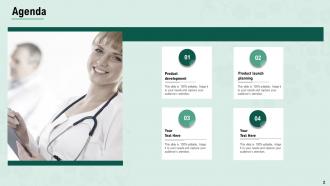
Slide 2: This slide presents the Agenda. It includes – Product development and product launch planning.
Slide 3: This slide contains the Content. It includes - Company overview, Product introduction, Product launch planning, Product positioning, Pre-launch activities, etc.
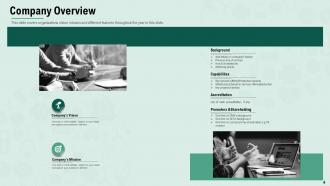
Slide 4: This slide presents the Company Overview. It covers the organization's vision mission and different features throughout the year in this slide.
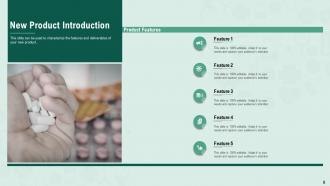
Slide 5: This slide presents the New Product Introduction. It can be used to characterize the features and deliverables of your new product.
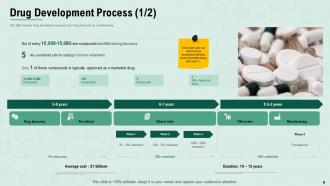
Slide 6: This slide presents the Drug Development Process (1/2). It includes the drug development process from drug discovery to manufacturing.
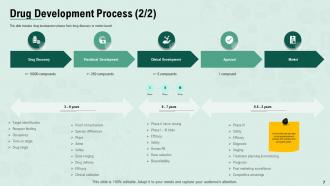
Slide 7: This slide presents the Drug Development Process (2/2). It includes drug development phases from drug discovery to market launch.
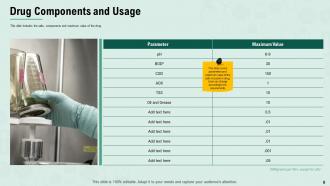
Slide 8: This slide presents the Drug Components and Usage. It covers the parameters and maximum value of the salts included in the drug.
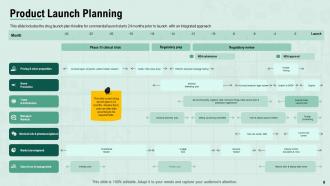
Slide 9: This slide presents the Product Launch Planning. It includes the drug launch plan timeline for commercial launch starts 24 months prior to launch with an integrated approach
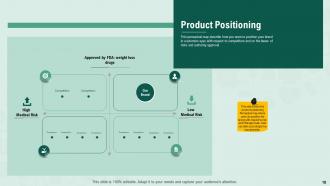
Slide 10: This slide presents the Product Positioning. It covers the product positioning Perceptual map where the user can position his brand with respect to risk and FDA approvals.
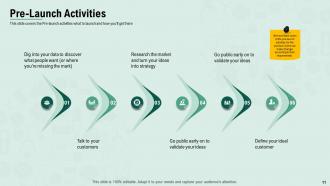
Slide 11: This slide presents the Pre-Launch Activities. It covers the Pre-launch activities what to launch and how you’ll get there.
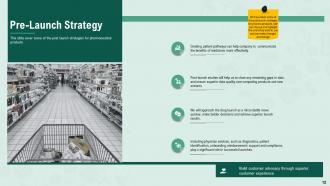
Slide 12: This slide presents the Pre-Launch Strategy. It covers some of the post-launch strategies for pharmaceutical products.
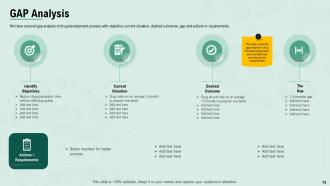
Slide 13: This slide presents the GAP Analysis. It covers the gap analysis of the drug development process with objective, current situation, desired outcomes, gap, and actions or requirements.
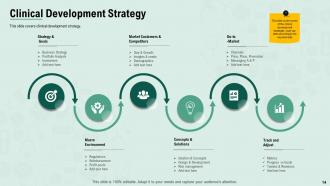
Slide 14: This slide presents the Clinical Development Strategy. It covers clinical development strategy.
Slide 15: This slide presents the Clinical Development Strategy and Goals. It covers some of the clinical development goals. Users can alter according to their requirements.
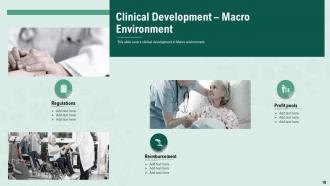
Slide 16: This slide presents the Clinical Development – Macro Environment. It covers clinical development in the Macro Environment.
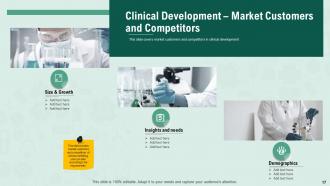
Slide 17: This slide presents the Clinical Development – Market Customers and Competitors. It covers market customers and competitors in clinical development.
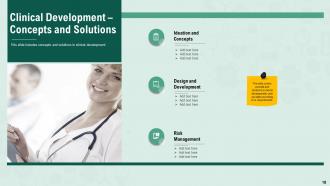
Slide 18: This slide presents the Clinical Development – Concepts and Solutions. It includes concepts and solutions in clinical development.
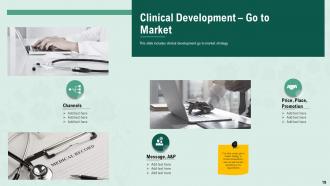
Slide 19: This slide presents the Clinical Development – Go to Market. It includes a clinical development go-to-market strategy.
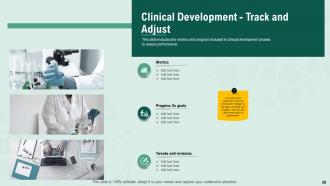
Slide 20: This slide presents the Clinical Development - Track and Adjust. It includes the metrics and progress included in the clinical development process to assess performance.
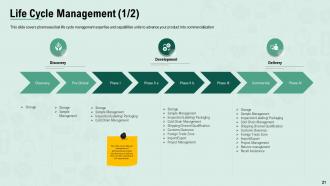
Slide 21: This slide presents the Life Cycle Management (1/2). It covers pharmaceutical life cycle management expertise and capabilities unite to advance your product into commercialization.
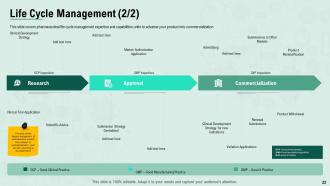
Slide 22: This slide presents the Life Cycle Management (2/2). It covers the lifecycle management of pharmaceutical products from research to commercialization.
Slide 23: This slide presents the Branded / Non-branded Message Development. Here we have listed some guidelines to make it easier.
Slide 24: This slide presents the Pharmaceutical Marketing Strategies and Tactics. It has various pharmaceutical marketing strategies you are able to choose from in order to attract the attention of prescribing physicians.
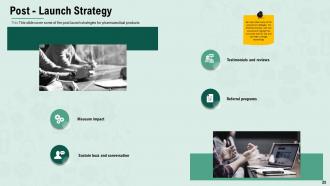
Slide 25: This slide presents the Post - Launch Strategy. It covers some of the post-launch strategies for pharmaceutical products.
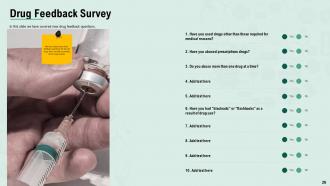
Slide 26: This slide presents the Drug Feedback Survey. We have listed some of the feedback questions for the new drug.
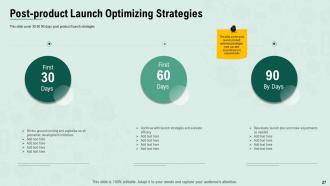
Slide 27: This slide presents the Post-product Launch Optimizing Strategies. It covers post-launch product optimizing strategies.
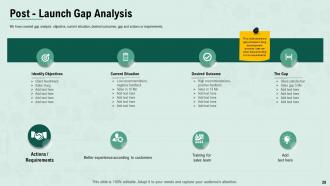
Slide 28: This slide presents the Post - Launch Gap Analysis. We have covered gap analysis objectives, current situations, desired outcomes, gap, and actions or requirements.
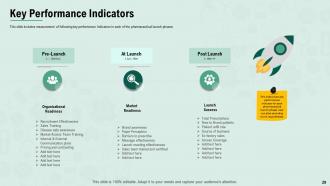
Slide 29: This slide presents the Key Performance Indicators. It includes the measurement of the following key performance indicators in each of the pharmaceutical launch phases.
Slide 30: This is the Medical Marketing Icons Slide.
Slide 31: This slide introduces the Additional Slides. It includes - Bar graph, Area chart, Idea Generation, Our mission, Puzzle, Magnifying glass, Venn, and Thank you.
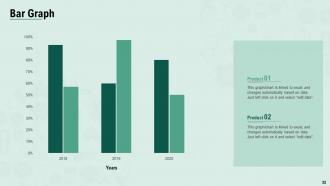
Slide 32: This slide shows a Bar Graph that compares 2 products’ data over a timeline of years.
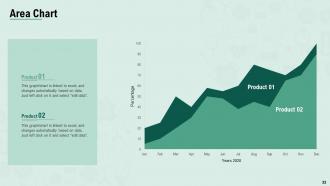
Slide 33: This slide shows an Area Chart that compares 2 products’ data over a timeline of months.
Slide 34: This slide is the Idea Generation slide. It is used to brainstorm ideas for a project.
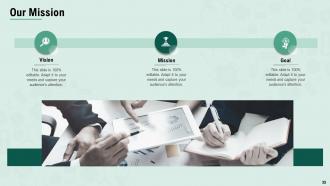
Slide 35: This slide provides the Mission for the entire company. This includes the vision, the mission, and the goal.
Slide 36: This is the Puzzle slide to showcase the parts that complete your project.
Slide 37: This slide presents a Magnifying Glass to give more details about the individual steps in a project.
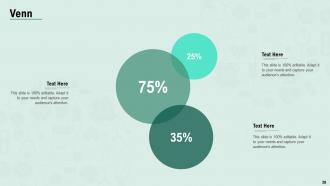
Slide 38: This slide provides a Venn diagram that can be used to show interconnectedness and overlap between various departments, projects etc.
Slide 39: This is a Thank You slide where details such as the address, contact number, email address are added.
Medical marketing powerpoint presentation slides with all 39 slides:
Use our Medical Marketing Powerpoint Presentation Slides to effectively help you save your valuable time. They are readymade to fit into any presentation structure.




FAQs for Medical marketing
Okay so the big things right now are personalized patient stuff, telehealth, and AI content optimization. People are literally researching medical conditions on TikTok now which is... wild but here we are. Transparent pricing is becoming huge too - patients actually read reviews before picking doctors now instead of just taking referrals. Video content performs way better than anything else. Honestly I'd just pick one platform to start with and focus on educational posts, not promotional garbage. Oh and definitely make your site mobile-friendly since everyone's on their phone anyway.
Honestly, just pick Instagram or Facebook and stick with it - don't spread yourself thin trying to be everywhere. Educational stuff works best: health tips, explaining conditions people actually wonder about, those FAQ questions you get asked constantly. Post maybe 3-4 times a week but keep it helpful, not salesy (people hate that). Patient success stories are gold if they're cool with sharing. I'd throw in some behind-the-scenes practice stuff too, maybe seasonal reminders about flu shots or whatever. The whole trick is actually being useful instead of just promoting yourself constantly. Way more effective than the hard sell approach most doctors try.
Okay so basically - be honest about everything. Don't promise miracle cures or make up success rates. Those pharma commercials where people go from crying to dancing? Super manipulative, avoid that whole vibe. Respect privacy if you're using patient stories, and always be upfront about side effects and what might not work. I mean, some of this should be obvious but apparently it's not lol. Put yourself in patients' shoes - they're scared and looking for real help. If you'd be pissed seeing your mom fall for misleading medical ads, then you know you're on the wrong track.
So B2B medical marketing is all about the hard data - clinical studies, ROI numbers, compliance stuff. You're pitching to hospitals and clinics who care about budgets and patient outcomes. B2C is way more emotional though. You're talking directly to patients about how they'll feel better, live better. It's like comparing those cheesy pharma commercials (honestly some are pretty cringe) to a device rep showing spreadsheets to hospital administrators. For B2B you'll need whitepapers and case studies. B2C wants patient stories and simple educational content that doesn't scare people off. First step is figuring out who's actually buying your stuff.
Content marketing is like being a translator between doctors and normal people. Take those terrifying medical terms and make them into blog posts or videos that don't freak everyone out. Honestly, most patients are way smarter than practices give them credit for - they just need the info presented clearly. When people understand what's happening with their health, they make better choices and actually trust you more. Oh, and here's a super easy starting point: write down the 5 questions patients ask you most often, then turn each one into a piece of content. Trust me, you'll probably have material for months.
Honestly, you've gotta track stuff that actually moves the needle - patient acquisition cost, lifetime value, how many leads become real appointments. Likes and shares are nice but they don't pay your rent, right? Set up UTM codes (bit of a pain but worth it) and connect your CRM to analytics so you can see the whole patient journey. Google Analytics 4 plus your practice management system will cover most of what you need. Oh, and grab your baseline numbers before you launch anything - otherwise you're just guessing if campaigns actually work. Focus on which channels bring quality patients, not random traffic.
Pull actual data from your EMR and patient surveys first - don't just guess what people want. Look at demographics, conditions, how they use tech, what drives them to get care. Honestly, most personas I see are just made-up people with random stock photos. Map out their whole healthcare journey, where they struggle, how they like to communicate. Don't forget family influence since spouses and kids often push healthcare decisions. Keep it tight - maybe 3-4 solid personas max. Then actually test your messaging on them before you spend money on campaigns.
Honestly, education is everything with telehealth marketing. People still think it's rocket science or something. Create content showing how virtual visits actually work - like those quick "day in the life" videos on social media. Patient testimonials help too. I'd definitely partner with community groups, especially ones helping elderly folks or rural areas where getting to appointments is a pain. Email works great since you're already targeting people who are comfortable online. Focus your messaging on convenience and cost savings - that's what really sells it. Oh, and make sure everything shows it's way simpler than they imagine.
Dude, testimonials are seriously worth it for medical practices. Real patients sharing their stories builds way more trust than any polished marketing copy ever could. Think about it - you probably check Yelp before ordering pizza, so why wouldn't people do the same for their doctor? Plus skeptical patients (which is like... everyone) actually listen when they hear from someone who's been through the same thing. Oh and definitely get proper consent first - HIPAA violations aren't worth the headache. But honestly? Nothing beats that social proof when someone's trying to decide if you're the right fit.
Dude, healthcare marketing is basically playing on hard mode. FDA rules, HIPAA stuff, medical boards - they'll shut you down if you mess up. Can't just throw around claims about treatments without real clinical proof backing it up. Super annoying but keeps everyone from going crazy with BS promises. Your marketing people need to loop in legal RIGHT from the start, not halfway through when you've already built campaigns. Trust me on this - bake those compliance checks into your whole creative workflow early. Otherwise you'll be starting over constantly and that's just painful.
Patient testimonials are huge for building trust. Virtual tours of your facility work really well too. I'd also try some quick educational videos breaking down procedures - nothing fancy, just clear explanations. Behind-the-scenes content is honestly underrated. People want to see the human side, you know? Maybe film your team during a typical day or do live Q&As on social. Those animated explainer videos are solid for complex stuff that's hard to visualize. Even simple "day in the life" doctor clips can surprise you with engagement. Just keep it real and patient-focused rather than super polished. Pick one format and see what sticks.
Dude, you've gotta fix your mobile site - like 60% of people searching for doctors are on their phones. Makes sense, right? Someone's feeling sick, they're not gonna boot up their laptop. They're googling symptoms at 2am on their phone. Google knows this too, so they bump mobile-friendly sites higher in search results. Your site needs to load quick, be super easy to navigate with just your thumb, and have those click-to-call buttons right where people can see them. Honestly, just grab your phone and try using your own site. If it annoys you, it's definitely annoying potential patients.
Dude, partnering with local organizations is like having a bunch of people vouching for you without paying for ads. Think gyms, senior centers, schools - wherever your ideal patients actually hang out. The trust thing is huge here; if someone already trusts their yoga studio, they'll probably trust who the studio recommends. You can set up health screenings or do little educational talks (honestly way more effective than those expensive Facebook ads). Just don't go crazy and partner with everyone - pick places where your actual target patients spend time. Makes a real difference in building community connections.
HubSpot and Marketo are pretty solid for managing campaigns across different channels - they'll track your patient touchpoints well. Google Analytics 4 is great for performance data, plus there's specialized stuff like Healthgrades Insights for healthcare specifically. Salesforce helps with tracking leads from first contact to actual patients. Fair warning though - getting all these tools to play nice together is honestly a pain at first. Oh, and don't sleep on Hootsuite for scheduling your social content. My advice? Pick one main platform and expand slowly. Trying to set up everything simultaneously will drive you nuts.
Honestly, healthcare SEO is mostly about local stuff and looking trustworthy. First thing - get your Google My Business dialed in, that's where you'll see the biggest impact. Make sure your name, address, and phone number match everywhere online (super boring but necessary). Target keywords like "dermatologist near me" since that's how people actually search. Patient reviews are huge - they basically make or break you for both Google and potential patients. Your website needs to load quickly on phones too. People are usually freaking out when they're googling medical stuff on mobile, so don't make it worse with a slow site. Oh, and add schema markup if you can. Start with GMB though.
-
Colors used are bright and distinctive.
-
Top Quality presentations that are easily editable.
-
Topic best represented with attractive design.
-
The Designed Graphic are very professional and classic.
-
Innovative and attractive designs.
-
The Designed Graphic are very professional and classic.