

Slides de apresentação em Powerpoint do manual de governança de tecnologia ética





Try Before you Buy Download Free Sample Product
 Impress Your
 Audience
 100%
100% Editable
 Save Hours
 of Time


Pegue nosso modelo de manual de governança de tecnologia ética totalmente projetado. Ele fornece um guia abrangente para fornecer ferramentas, métodos e estruturas para ajudar as empresas a tomar melhores decisões tecnológicas. Nossa plataforma de transformação tecnológica ajuda a mitigar riscos de desenvolvimento de software e produtos e ajuda a gerenciar como a tecnologia interage com a sociedade ou a comunidade. O manual cobre resumos de várias tecnologias utilizadas. Cada sinopse incorpora slides que descrevem uma visão geral da técnica em termos de objetivo, objetivo, duração e partes interessadas envolvidas. Além disso, nosso PPT de governança tecnológica destaca os métodos primários, incluindo modelagem ágil de ameaças, tela de ética de dados, verificação de consequências, verificação de consequências não intencionais e intencionais e sistema operacional ético. Ele também contém FMEA, interpretação de ML, avaliação de matriz de materialidade, cartas de tarô de tecnologia, estratégia de responsabilidade e guia de design humano. Por último, nosso módulo de Ética Empresarial exibe as diferentes abordagens associadas à tecnologia responsável, incluindo pensamento de polaridade, design participativo, provocações de design especulativo e colchetes. Obtenha acesso imediato.
People who downloaded this PowerPoint presentation also viewed the following :
Conteúdo desta apresentação em PowerPoint
Slide 1 : Este slide apresenta o manual de governança ética da tecnologia. Comece informando o nome da sua empresa.
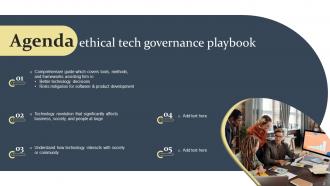
Slide 2 : Este slide mostra a agenda da apresentação.
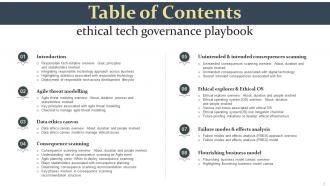
Slide 3 : Este slide incorpora o Índice.
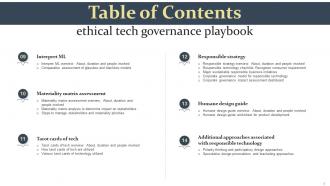
Slide 4 : Este slide continua o Índice.
Slide 5 : Este slide destaca o título dos tópicos a serem abordados mais detalhadamente.
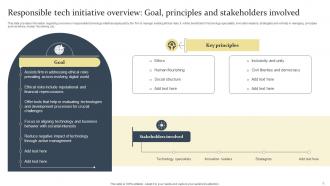
Slide 6 : Este slide fornece informações sobre a visão geral ou iniciativas de tecnologia responsável implantadas pela empresa para gerenciar os riscos éticos existentes.
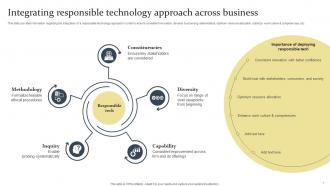
Slide 7 : Este slide fala sobre a integração da abordagem tecnológica responsável em todos os negócios.
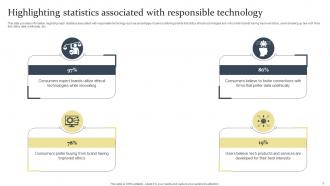
Slide 8 : Este slide trata de destacar estatísticas associadas à tecnologia responsável.
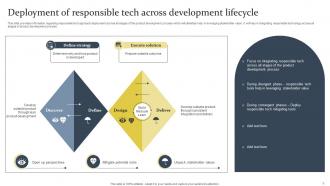
Slide 9 : Este slide se concentra na implantação de tecnologia responsável em todo o ciclo de vida de desenvolvimento.
Slide 10 : Este slide elucida o título dos componentes a serem discutidos a seguir.
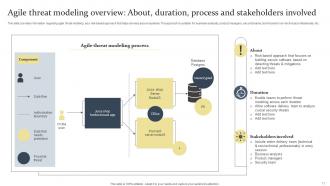
Slide 11 : Este slide fornece informações sobre a visão geral da modelagem ágil de ameaças.
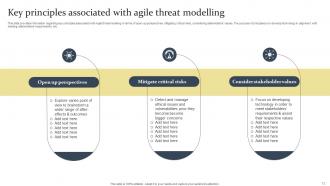
Slide 12 : Este slide se concentra nos princípios-chave associados à modelagem ágil de ameaças.
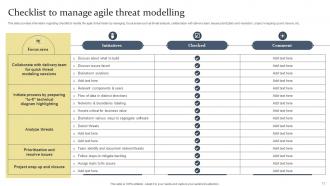
Slide 13 : Este slide menciona a lista de verificação para gerenciar a modelagem ágil de ameaças.
Slide 14 : Este slide exibe o título das ideias a serem abordadas mais detalhadamente.
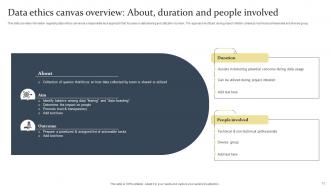
Slide 15 : Este slide fornece informações sobre o quadro de ética de dados como uma abordagem tecnológica responsável que se concentra no compartilhamento e utilização de dados pela equipe.
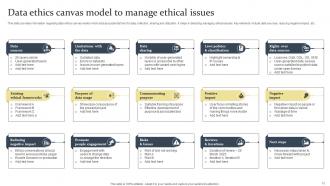
Slide 16 : Este slide mostra o modelo de tela de ética de dados para gerenciar questões éticas.
Slide 17 : Este slide incorpora o título das ideias a serem discutidas no modelo a seguir.
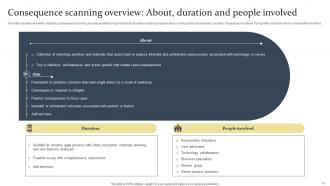
Slide 18 : Este slide fornece informações sobre a verificação de consequências como uma abordagem tecnológica responsável.
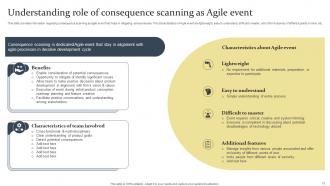
Slide 19 : Este slide trata da compreensão do papel da varredura de consequências como um evento Agile.
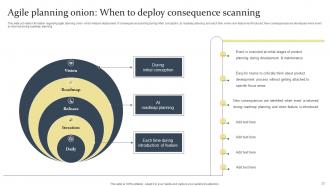
Slide 20 : Este slide fornece informações sobre o planejamento ágil, que ajuda na implantação da verificação de consequências.
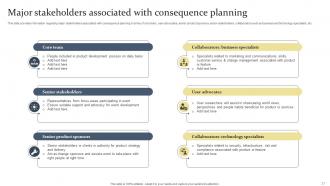
Slide 21 : Este slide apresenta as principais partes interessadas associadas ao planejamento de consequências.
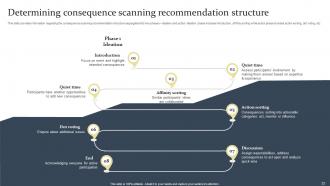
Slide 22 : Este slide enfatiza a determinação da estrutura de recomendação de verificação de consequências.
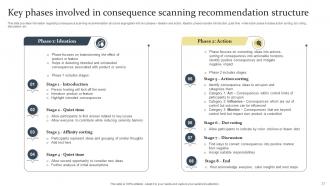
Slide 23 : Este slide descreve as principais fases envolvidas na estrutura de recomendação de verificação de consequências.
Slide 24 : Este slide revela o título dos componentes a serem abordados no modelo a seguir.
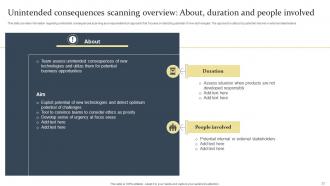
Slide 25 : Este slide representa a visão geral da verificação de consequências não intencionais.
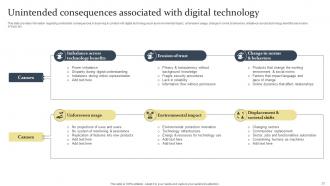
Slide 26 : Este slide mostra as consequências não intencionais associadas à tecnologia digital.
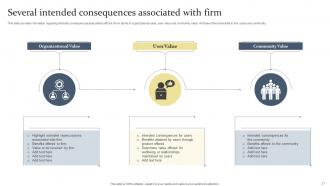
Slide 27 : Este slide mostra as diversas consequências pretendidas associadas à empresa.
Slide 28 : Este slide elucida o cabeçalho dos tópicos a serem discutidos a seguir.
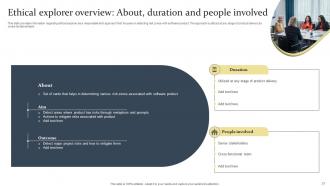
Slide 29 : Este slide fornece informações sobre o explorador ético como uma abordagem tecnológica responsável.
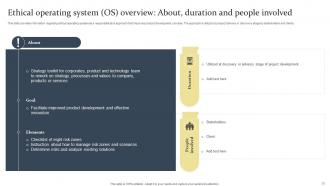
Slide 30 : Este slide fornece informações sobre sistemas operacionais éticos como uma abordagem tecnológica responsável que melhora o processo de desenvolvimento de produtos.
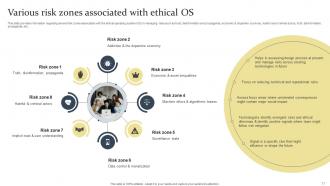
Slide 31 : Este slide revela as várias zonas de risco associadas ao sistema operacional ético.
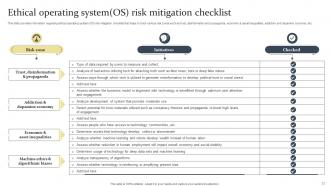
Slide 32 : Este slide se concentra na lista de verificação ética de mitigação de riscos do sistema operacional (SO).
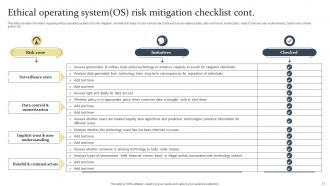
Slide 33 : Este slide continua a lista de verificação ética de mitigação de riscos do sistema operacional (SO).
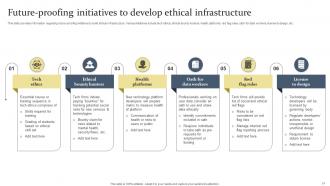
Slide 34 : Este slide fornece informações sobre iniciativas preparadas para o futuro para construir infraestrutura ética.
Slide 35 : Este slide apresenta o título dos tópicos a serem abordados no modelo a seguir.
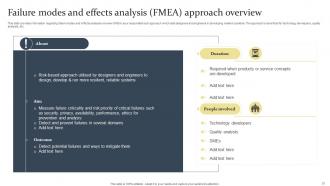
Slide 36 : Este slide apresenta a visão geral da abordagem de análise de efeitos e modos de falha (FMEA).
Slide 37 : Este slide fala sobre o modelo de análise de modos e efeitos de falha (FMEA).
Slide 38 : Este slide menciona o título dos componentes que serão discutidos a seguir.
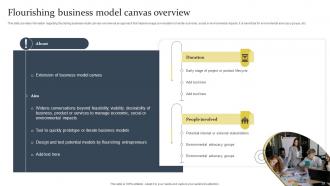
Slide 39 : Este slide retrata a visão geral da tela do modelo de negócios florescente.
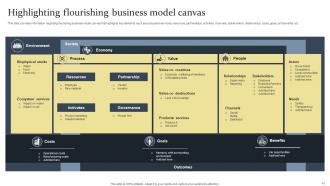
Slide 40 : Este slide destaca a florescente tela do modelo de negócios.
Slide 41 : Este slide exibe o título das ideias a serem abordadas no modelo a seguir.
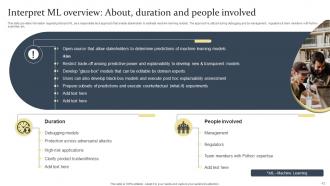
Slide 42 : Este slide fornece informações sobre Interpretar ML como uma abordagem tecnológica responsável.
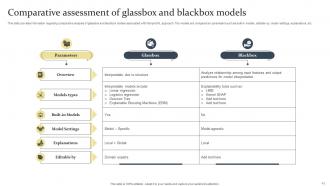
Slide 43 : Este slide trata da avaliação comparativa dos modelos glassbox e blackbox.
Slide 44 : Este slide exibe o título das ideias a serem discutidas mais adiante.
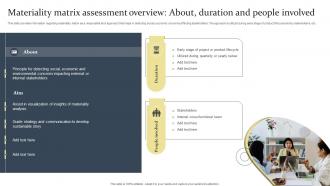
Slide 45 : Este slide retrata informações sobre a matriz de materialidade como uma abordagem tecnológica responsável.
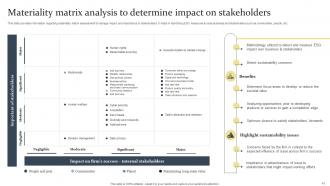
Slide 46 : Este slide ilustra a análise da matriz de materialidade para determinar o impacto nas partes interessadas.
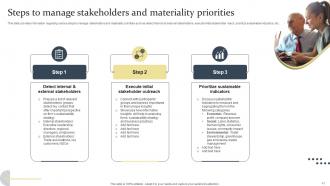
Slide 47 : Este slide apresenta as etapas para gerenciar as partes interessadas e as prioridades de materialidade.
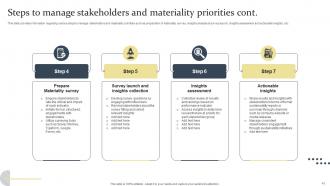
Slide 48 : Este slide dá continuidade às Etapas para gerenciar as partes interessadas e as prioridades de materialidade.
Slide 49 : Este slide inclui o título dos tópicos a serem abordados no próximo modelo.
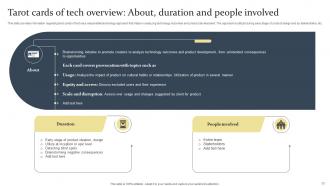
Slide 50 : Este slide fornece informações sobre as cartas de tarô da tecnologia como uma abordagem tecnológica responsável.
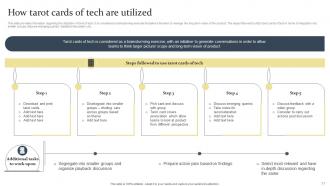
Slide 51 : Este slide apresenta a utilização do tarô da tecnologia.
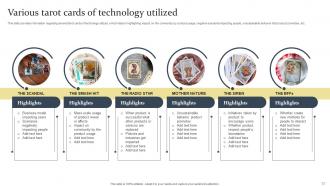
Slide 52 : Este slide mostra as várias cartas de tarô tecnológicas utilizadas.
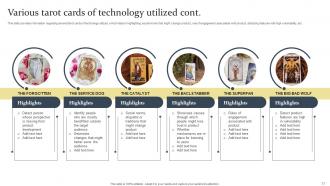
Slide 53 : Este slide continua as várias cartas de tarô de tecnologia utilizadas.
Slide 54 : Este slide exibe o título dos componentes que serão discutidos a seguir.
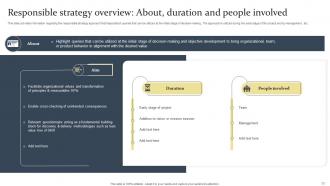
Slide 55 : Este slide fornece informações sobre a abordagem estratégica responsável.
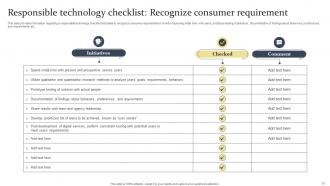
Slide 56 : Este slide apresenta a lista de verificação de tecnologia responsável.
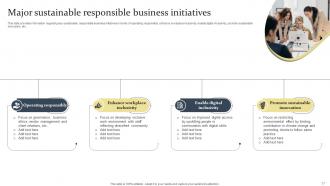
Slide 57 : Este slide apresenta as principais iniciativas empresariais sustentáveis e responsáveis.
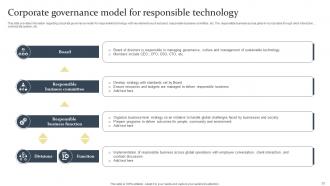
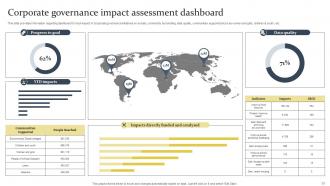
Slide 58 : Este slide destaca o modelo de governança corporativa para tecnologia responsável com elementos-chave.
Slide 59 : Este slide revela o painel de avaliação de impacto da governança corporativa.
Slide 60 : Este slide menciona o título dos tópicos a serem abordados mais detalhadamente.
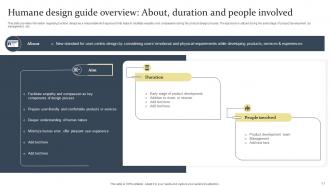
Slide 61 : Este slide fornece informações sobre o design humano como uma abordagem tecnológica responsável.
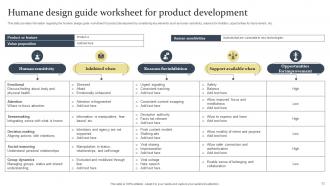
Slide 62 : Este slide apresenta a planilha do guia de design Humane para desenvolvimento de produtos.
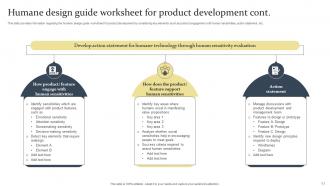
Slide 63 : Este slide continua a planilha do guia de design Humane para desenvolvimento de produtos.
Slide 64 : Este slide incorpora o título dos componentes a serem discutidos no modelo a seguir.
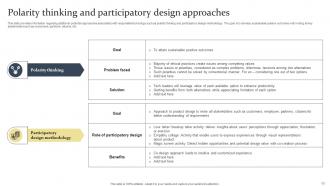
Slide 65 : Este slide trata do pensamento de polaridade e das abordagens de design participativo.
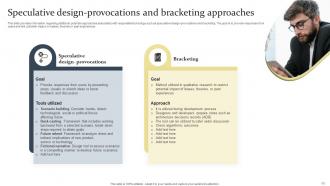
Slide 66 : Este slide fala sobre as provocações especulativas de design e abordagens de colchetes.
Slide 67 : Este é o Slide de Ícones contendo todos os Ícones usados no plano.
Slide 68 : Este slide é usado para apresentar algumas informações adicionais.
Slide 69 : Este é o slide Sobre nós. Indique aqui as informações relacionadas à sua empresa.
Slide 70 : Este é o slide da Nossa Equipe. Indique aqui as informações relacionadas à sua equipe.
Slide 71 : Este slide contém post-its para lembretes e prazos.
Slide 72 : Este é o slide do diagrama de Venn.
Slide 73 : Este é o plano de 30, 60 e 90 dias para um planejamento eficaz.
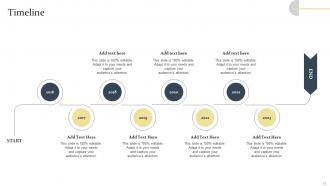
Slide 74 : Este slide elucida a Linha do Tempo da empresa.
Slide 75 : Este é o slide Geração de Ideias para incentivar novas ideias.
Slide 76 : Este é o slide de agradecimento pelo reconhecimento.
Slides de apresentação em Powerpoint do Manual de Governança Ética da Tecnologia com todos os 81 slides:
Use nossos slides de apresentação em Powerpoint do Manual de Governança Ética da Tecnologia para ajudá-lo a economizar seu valioso tempo de maneira eficaz. Eles estão prontos para caber em qualquer estrutura de apresentação.























FAQs for Ethical Tech Governance Playbook
Okay so there's four main things you need to nail: transparency, accountability, fairness, and privacy protection. Your team should be able to explain how the algorithms actually work - and someone needs to own it when stuff breaks (because it will). Bias is basically inevitable, so don't just cross your fingers and hope for the best. Actually test for it regularly. Privacy can't be an afterthought either. Build it in from the start or you'll hate yourself later. Honestly, trying to do everything at once is overwhelming. Pick one area and set up proper review processes there first, then expand from there.
Document everything first - who's making decisions, what criteria you're using, impact evaluations. Show stakeholders your AI data sources and testing methods. Audits are honestly a huge pain but you'll need them. Get feedback from actual users, not just your internal people. Don't wait around for questions - be upfront about sharing info. Quarterly reports work well for covering tech updates, problems you're hitting, and how you're tackling ethics stuff. The whole point is staying ahead of it instead of being reactive, which always looks sketchy anyway.
Look, privacy laws like GDPR are basically what keep tech companies from going completely wild with your data. They force transparency and give users actual control - though some companies still try to weasel around them, obviously. CCPA does similar stuff here in the US. The cool thing is they push privacy-by-design thinking, so you're building protections from the ground up instead of slapping them on later. For your project, don't just tick the compliance boxes. Use these regs as your baseline, then go beyond that. It's way better than playing catch-up when something goes wrong.
Honestly, you've gotta bake ethics right into the process from the start - adding it later is such a mess. Get diverse people on your team who'll actually call out problems early. Set up regular "wait, what could go wrong?" checkpoints. I know everyone thinks this stuff slows you down, but trust me, it saves you from disasters later. Ethics review boards help too. Oh, and actually talk to the people your product affects - wild concept, right? Pick one project you're working on and just... run it through some ethics questions first. See how it feels.
Oh man, there are so many frameworks out there it's kinda overwhelming! IEEE's Ethically Aligned Design is solid for AI stuff - pretty thorough. The EU has their Ethics Guidelines for Trustworthy AI that hits transparency and accountability well. Mozilla's Internet Health Report is another good one, plus Partnership on AI's framework. Honestly though, just pick whatever fits your tech domain best. I'd probably go with IEEE first if you're doing AI work, then tweak it for your situation. Way better than trying to build something from scratch!
Honestly, you've gotta build in multiple ways for people to actually shape decisions, not just give feedback that disappears into the void. Advisory boards work well - mix in users, community folks, ethics people, not just the tech crowd. Run consultations early while you can still pivot. For complicated stuff, try citizen panels or similar approaches. People get pissed when they feel like they're just box-checking exercises, so be transparent about how you're using their input. Also don't just rely on the same people who always show up to these things - that's a trap I see constantly. Build this into your timeline from day one instead of scrambling to add it later.
Ugh, algorithmic bias is such a pain - it basically screws up everything you're going for with ethical AI. Creates unfair outcomes that hit certain groups harder, even when you didn't mean for that to happen. The annoying thing is bias sneaks in everywhere: your training data, how you design the model, even just how you frame what problem you're solving. You'll want to set up solid testing to catch it early and get diverse people reviewing your stuff. Oh, and don't forget monitoring once it's live. Honestly? Start by auditing what you've got now before launching anything else.
Honestly, you gotta document who's calling the tech shots first. Make people do impact assessments for anything touching user data - that's where companies get burned. Don't let engineers make every decision though, bring in other voices. The real challenge? Actually holding people accountable when they mess up. Most places are terrible at this part. Set up regular system audits and clear escalation paths. Oh, and definitely tie this stuff to performance reviews - otherwise nobody really cares. It's kinda wild how many companies skip that last step.
Honestly, you'll want to figure out who all your stakeholders are first - users, communities, employees, random people who might get caught up in it. Don't just think "oh privacy bad" either. Get specific about actual problems that could happen, like people losing jobs or your algorithm screwing over certain groups unfairly. Having outsiders look at your scenarios helps tons since you're probably missing obvious stuff. Write it all down and keep updating it - this isn't some one-and-done thing you check off a list. Oh, and build in checkpoints throughout development, not just right before you ship.
Yeah, cultural differences totally change how people see tech ethics. Privacy is a perfect example - some cultures are all about individual rights while others care more about what's good for everyone. Who do you trust more, the government or companies to regulate this stuff? That answer changes completely depending on where you're from. Honestly, I think the whole "community harmony vs personal freedom" thing makes these discussions way messier than they need to be. But you've gotta get different cultural voices involved early on, because your "obviously right" answer might be someone else's nightmare scenario.
Look, CSR is basically the bridge between what your company preaches and what it actually does with tech stuff. They're the ones pushing for data privacy policies, AI ethics reviews, algorithmic fairness - you know, the real accountability work that happens outside those boring board meetings. Most CSR teams are behind transparency reports and getting different stakeholders involved in tech decisions. Honestly, if you want to get ethical considerations into your company's decision-making, CSR is probably your best ally. They actually have some pull when it comes to shaping how things get done internally.
Don't treat ethics like some annual training you suffer through - weave it into everything. Code reviews, sprint planning, design sessions. Make sure people can actually speak up about sketchy stuff without getting side-eyed (seriously, I've watched teams build garbage because nobody felt safe saying "wait, this is weird"). We do these "ethics spotlights" in standups where we hash out real scenarios. Add an ethics item to your definition of done. The goal is normalizing "should we build this?" instead of just "can we build this?" Works way better than you'd think.
Honestly, most efforts die because nobody wants to commit real money to public broadband and device programs in underserved areas. That's your starting point though. Digital literacy training comes next - but make it actually relevant to people's lives, not some generic computer class. Your design team needs to think about diverse users from the beginning too, which sounds obvious but... yeah, most don't. I'd start by checking your current stuff for accessibility issues and partnering with local organizations. They'll tell you what people actually need vs what you think they need.
Look, you can't just slap ethics on at the end - build it in from the start. Make privacy settings actually understandable, don't use those sneaky dark patterns that trick people into giving up data. Respect users' time too. Some apps are literally designed like casinos, which is gross. Be transparent about how your algorithms work and give people real control over their experience. I'd start by checking your current designs for manipulative stuff, then create some guidelines for your team. Oh and vary your sentence lengths - keeps things interesting.
So ethical tech governance means auditing your whole supply chain - labor practices, environmental stuff, data handling, all of it. No more ignoring suppliers who use conflict minerals or treat workers badly (which frankly should've happened ages ago). Yeah, you'll need way more transparency from vendors. That usually costs more and takes longer to vet everyone. But you end up with stronger partnerships with suppliers who actually give a damn about the same things you do. I'd start by mapping out your current chain first, then figure out where the biggest ethical red flags are. That's your roadmap right there.
-
SlideTeam just saved my project! Thank you so much. The variety of templates helped me showcase multiple perspectives easily.
-
Great quality product.