

Event Management Powerpoint Ppt Template Bundles





Try Before you Buy Download Free Sample Product
 Impress Your
Audience
 100%
Editable
 Save Hours
of Time


Our Event Management Powerpoint Ppt Template Bundles are topically designed to provide an attractive backdrop to any subject. Use them to look like a presentation pro.
People who downloaded this PowerPoint presentation also viewed the following :
Event Management Powerpoint Ppt Template Bundles with all 17 slides:
Use our Event Management Powerpoint Ppt Template Bundles to effectively help you save your valuable time. They are readymade to fit into any presentation structure.
-
Event Management
-
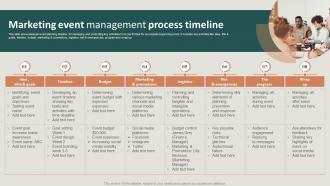
Marketing event management process timeline
-
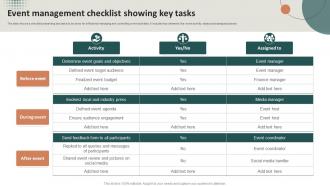
Event management checklist showing key tasks
-
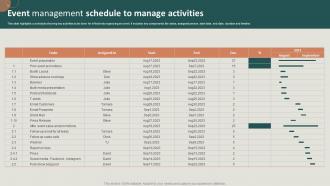
Event management schedule to manage activities
-
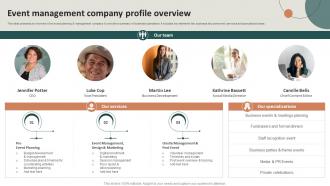
Event management company profile overview
-
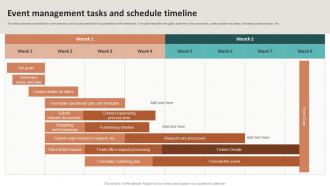
Event management tasks and schedule timeline
-
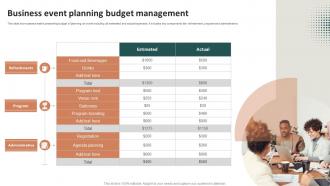
Business event planning budget management
-

Event management stakeholders roles and responsibilities
-
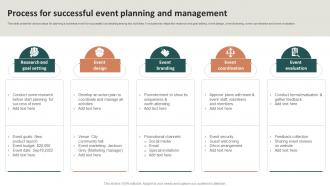
Process for successful event planning and management
-
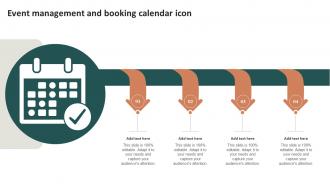
Event management and booking calendar icon
-

Event management schedule and agenda icon
-
Event Management
-

-

-

-

-

FAQs for Event Management Powerpoint
Honestly, start with budget and venue first - everything else flows from there. Your timeline should work backwards from the event date, but give yourself way more cushion than feels necessary. Trust me on that one. Figure out who's actually coming and what they want (not what you think they want). Catering and AV stuff comes next - boring but crucial. Don't forget promotion either, though I always underestimate how long that takes. Oh, and definitely have a backup plan ready because Murphy's law is real with events. I learned that lesson the expensive way! Get those basics nailed down before you start adding all the cool creative touches.
Honestly, good branding is like magic for events. People feel like they're part of something bigger when your colors, messaging, and overall vibe all match up. It gets them way more engaged. Social media goes crazy for consistent aesthetic stuff too - I swear everyone becomes a photographer when things look good together. Plus it sets the right expectations beforehand. My advice? Figure out your event's personality first (like, is it corporate sleek or fun and quirky?), then just let that drive everything else. Makes the whole process so much easier.
Honestly, you can't run decent events without tech these days. Registration platforms handle ticketing, mobile apps keep people engaged, and streaming lets you reach way more people. The data side is crazy useful - attendance tracking, social buzz monitoring, all that stuff (though it gets pretty intense sometimes). Behind the scenes you've got digital check-ins, cashless payments, automated emails. Oh and don't go overboard with tools - I'd stick with one good platform that does multiple things instead of trying to manage like fifteen different apps. That's a headache you don't need.
Honestly, mix the numbers with the feelings stuff. Track attendance, signups, revenue - the basics. But the surveys after? That's where you get the real tea about whether people actually enjoyed it. I'd also watch sponsor happiness and how much people are talking about it online. Here's the thing though - decide what success looks like BEFORE you start. Maybe pick like 3-4 things that your boss or whoever actually cares about. Don't go crazy trying to measure literally everything. Oh, and definitely ask if attendees would recommend it to others. That question tells you everything.
Make a detailed budget first - venue, food, marketing, staff, all of it. Track everything in real-time with spreadsheets so you're not blindsided later. Always add a 10-15% buffer because something random will definitely go wrong (it always does). Get quotes from multiple vendors and try negotiating payment terms. Oh, and have someone check the numbers weekly - catching overages early saves you from panic mode later. I learned this the hard way at my sister's wedding lol. Trust me, staying on top of it weekly makes a huge difference.
Okay so first figure out how many people you're expecting, then work backwards from your budget. The vibe matters too - don't put a casual workshop in some fancy ballroom, you know? I made the mistake once of booking this beautiful venue that was literally impossible to find and half my guests got lost lol. Make sure people can actually get there easily with parking or public transit. When you visit (definitely go see it first), ask about their tech setup and what comes included vs what costs extra. Oh and check their cancellation policy because you never know what might happen. The space should just feel right for whatever you're planning.
Put your best stuff upfront - seriously, people zone out by hour three. Don't stack three panels back-to-back either, that's brutal. I learned this the hard way at a conference last year. Break every 90 minutes and stick to it religiously. Nothing's worse than speakers who ramble past their time slot. Write session titles that actually tell people what they'll get, not some fancy buzzword nonsense. Oh, and build in buffer time between sessions! People need to pee and grab coffee. Basic stuff but you'd be surprised how many planners forget.
Start posting about 6-8 weeks out, that's the sweet spot. Facebook events are clutch for getting actual RSVPs, and Instagram Stories work really well for teaser content. If it's work-related, definitely hit LinkedIn too - I swear people actually engage there for professional stuff. Don't spread yourself too thin though, better to nail 2-3 platforms than half-ass everything. Make a hashtag and get your speakers using it. Post countdown stuff, speaker highlights, little sneak peeks of what's coming. Oh and respond to comments! The algorithm loves that interaction. Consistency beats perfection every time.
Ugh, vendor coordination is the absolute worst - they'll ghost you right when you need answers! Timeline management sucks too because everything runs late. I always build in buffer time now, learned that the hard way. Make shared docs with deadlines and bug people constantly. Seriously, overcommunicate everything. Weekly check-ins are your friend. Get backup plans for the big stuff like catering and AV because Murphy's law is real. Oh, and assign point people for different areas so you're not answering a million random questions. Trust me on that one.
Honestly, online surveys are your best bet - just send them within 24-48 hours while everything's still fresh. QR codes at the exit work surprisingly well too (I was skeptical but people actually use them). Social media's good for catching those unfiltered reactions people post. Phone calls are solid if it's a smaller event or you're dealing with VIPs. Oh, and feedback stations right at the venue exit? Game changer. You'll get way more responses before people scatter to their cars and forget about it.
Okay first thing - don't panic. I know that sounds obvious but seriously, take a breath. Figure out what's actually urgent vs just stressful (there's always a difference). Hit up your main contacts and venue people right away, then tackle problems one by one. Backup plans are everything - vendors, tech stuff, weather issues. Oh man, our keynote speaker got food poisoning literally an hour before we started once! Keep emergency contacts handy and know your local suppliers. Also? Hand off tasks to your team so you can actually think instead of running around like crazy.
Pick venues with green certifications or good transit access first. Digital invites save paper, obviously. Local caterers are clutch - way less transportation emissions plus the food's usually better anyway. Set up water stations instead of buying tons of plastic bottles (such a waste). Recycling bins everywhere, reusable signage if you can swing it. Leftover food? Donate it to shelters. Push carpooling or rideshares hard. Honestly don't try to do everything at once though - pick like 2-3 things that won't blow your budget, then add more sustainable stuff as you figure out what works.
Speed networking sessions work way better than awkward mingling - people need structure! Set up themed discussion tables or conversation starter walls in dedicated lounges. Name tags with fun facts help too, not just boring job titles. Schedule breaks when everyone's energized, not drained. You could even pair people beforehand based on shared interests or industry challenges. Small group activities beat large crowds every time. Most folks honestly suck at approaching strangers, so give them an actual reason to connect. Oh, and icebreakers that don't make everyone cringe - that's key.
Hybrid events are basically the new normal now - not going anywhere. Clients won't even consider you without solid green credentials, which honestly caught me off guard how fast that shifted. AI personalization is getting crazy good too, like custom agendas for every single attendee. AR and VR used to be flashy extras but now people expect it. Real-time data tracking is blowing up. Oh, and networking suggestions powered by algorithms - wild stuff. My advice? Jump on hybrid platforms ASAP and grab some sustainability certs. Those two things alone will make you look way more current than half your competition.
Pick venues with ramps and good lighting first - that's non-negotiable. Food planning is tricky since literally everyone has dietary stuff now, so ask ahead. For accessibility, think captions, interpreters, maybe virtual options too. Neurodivergent folks need quiet spaces and clear agendas beforehand (sensory overload is real). Honestly, just survey people early about what they need instead of playing guessing games. The trick is actually following through once you promise accommodations. Oh, and don't make the mistake of assuming - ask specific questions upfront.
-
I have just started downloading templates for my presentations and I must say this is a great design. It helped accelerate my presentation design process and made it more visually appealing.
-
“Easy to use. I always wanted to have a quick search for products and SlideTeam has helped me have it.”