

Annual Planning Cycle Powerpoint Ppt Template Bundles




Try Before you Buy Download Free Sample Product
 Impress Your
 Audience
 100%
100% Editable
 Save Hours
 of Time


Our Annual Planning Cycle Powerpoint Ppt Template Bundles are topically designed to provide an attractive backdrop to any subject. Use them to look like a presentation pro.
People who downloaded this PowerPoint presentation also viewed the following :
Annual Planning Cycle Powerpoint Ppt Template Bundles with all 25 slides:
Use our Annual Planning Cycle Powerpoint Ppt Template Bundles to effectively help you save your valuable time. They are readymade to fit into any presentation structure.
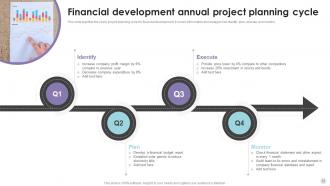
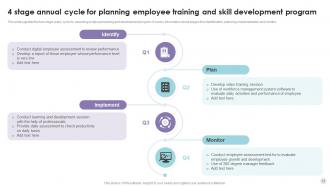
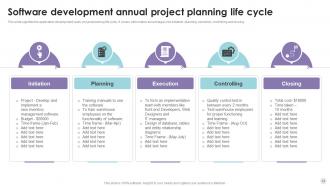
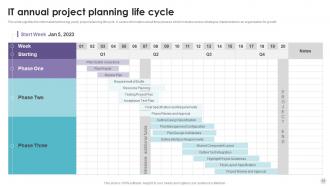






FAQs for Annual Planning Cycle Powerpoint
Honestly, start by looking at what bombed last year vs what actually worked - saves you from repeating mistakes. Set your big goals first, then chop them into quarterly chunks so they don't feel impossible. Budget planning is obviously crucial (money makes these decisions for you half the time). Get input from key people early or they'll just complain later. Resource allocation and timeline mapping come next. Oh, and build in those quarterly check-ins - I've seen too many annual plans just die in a drawer somewhere. Make sure someone's actually responsible for each piece, otherwise it's just fancy paperwork.
Honestly, most companies just copy-paste last year's budget with minor changes and call it strategic planning - it's kinda wild. You want to flip that approach completely. Pick 3-5 big strategic priorities first, then build everything else around those. Your budget, team goals, metrics - all of it should connect back to those priorities. Every department needs to draw a clear line from their plans to at least one strategic goal. Otherwise you'll spend the whole year busy but not actually moving the needle on what matters. It's way more work upfront but saves you from that "what did we even accomplish" feeling in December.
Look, data analysis is what separates smart planning from throwing darts at a board. It shows you what actually went down versus your predictions. You can spot trends, see what bombed or killed it, and figure out where to put your money next year. Planning without good data? That's just expensive guesswork, honestly. The numbers help you set realistic goals and dodge last year's screwups. Oh, and start collecting your key metrics early - trust me, you don't want to be hunting for spreadsheets when crunch time hits.
Quarterly reviews are the bare minimum - that's where you'll actually adjust things based on reality vs whatever you thought would happen. But honestly? Monthly check-ins are clutch too. They help you catch problems before they snowball into disasters. Some companies only do it twice a year, which seems insane to me given how fast everything changes now. I'd start with quarterly formal reviews, then throw in monthly pulse checks if you're growing quickly or your industry moves at breakneck speed. The monthly ones don't have to be intense - just quick temperature checks.
Ugh, the timeline thing is the worst - everyone always wants it done yesterday. Then you've got departments fighting over priorities while you're stuck with sketchy data from last year. Half your team will obsess over every microscopic detail, the other half gives you nothing but vague wishful thinking. Budget cuts mean saying no to stuff people really want, and don't even get me started on stakeholders who flip-flop halfway through. Honestly though? Set your deadlines early and stick to them. Get your data sorted first - like, way before you think you need to. Regular check-ins save your sanity. Start prepping at least a month out.
Start collecting feedback way sooner than feels necessary - like during mid-year reviews so people aren't scrambling at the end. Mix it up with surveys for the broad stuff and focus groups when you need to dig deeper. One-on-ones work great for your key stakeholders too. Here's the thing though - be super specific about what you're asking. Nobody knows what to do with "give us feedback." Ask about their actual priorities or what's driving them crazy process-wise. Then - and this is crucial - show them how you used their input. Otherwise they'll ghost you next time around.
Track goal completion rate, budget variance, and hitting your milestones - that's the holy trinity right there. Resource utilization and stakeholder satisfaction are clutch too, though most people skip those. Revenue stuff matters obviously, but it won't help you pivot mid-year since it's all backwards-looking. Honestly, pick like 5-7 metrics tops or you'll go insane trying to track everything. Build a dashboard you'll actually check monthly (not one of those fancy ones that collects dust). Oh, and make sure someone's responsible for each metric - otherwise they just become pretty numbers nobody acts on.
Oh totally, tech tools are a game-changer for annual planning. You can automate all that tedious data collection instead of chasing down random spreadsheets from every department. Anaplan's pretty solid, or even fancy Excel templates work great. What's really cool is running "what-if" scenarios super fast - like, we're talking minutes instead of days. Cloud platforms let everyone work together without those awful version control disasters (you know the ones). My advice? Figure out what's slowing you down most and tackle that first with the right tool.
Honestly, start with leadership laying out the big picture vision first. Then do cross-functional workshops where teams can actually talk through how their day-to-day connects to those goals - I've watched too many planning sessions where people just sit there nodding but don't really get it. Document everything and set up shared dashboards so you're all tracking the same stuff. Here's the thing though - do monthly check-ins, not just quarterly ones. That way you can fix things before they completely fall apart. Oh and make sure those goal-setting sessions are actually collaborative, not just someone talking at everyone.
Get people from different departments involved - don't let executives sit alone making stuff up. I've seen way too many SWOTs where leadership hasn't chatted with actual employees in forever. Be specific with strengths and weaknesses instead of saying useless stuff like "we have good customer service." Look ahead 12-18 months for opportunities and threats, and back it up with real market data or what competitors are doing. The whole point is using this to actually decide what you'll focus on and where you'll spend money next year. Otherwise it's just another document nobody reads.
Don't treat budgeting like some separate thing you deal with later. Set your financial boundaries first - revenue targets, constraints, all that stuff. Then when you're mapping out goals and initiatives, keep checking: can we actually afford this? Your finance people need to be in those planning meetings from day one, not just rubber-stamping afterward. I've watched so many teams build these amazing strategies that completely fall apart when reality hits. Budget should shape what you prioritize, not the other way around. Makes the whole process messier but way more realistic.
Look, scenario planning is just preparing for when your annual plan inevitably goes off the rails. Think through a few "what if" situations - recession hits, supply chain breaks down, market suddenly shifts. Build some wiggle room into your budget and resource allocation so you're not panicking later. Honestly, most companies only do best-case and worst-case scenarios, which isn't super helpful. Create 2-3 realistic ones instead. I'd start by listing your biggest external threats and figure out how you'd respond to each. It's way better than crossing your fingers and hoping everything works out perfectly.
Don't just slap risk assessment onto your existing plans - weave it in from day one. Start by figuring out your biggest risks during those initial strategy meetings, then actually build the solutions into your budgets and team goals. Most places I've seen just go through the motions here, which is why everything crumbles when things go sideways. Someone specific needs to own each risk (not "the team" - that never works). Set up check-ins throughout the year too. The whole thing should feel natural, not like some annoying extra task people will blow off.
Honestly, visuals are such a lifesaver for those long annual meetings. People zone out when you're just throwing numbers at them for an hour straight. But show them a clean chart or timeline? Suddenly everyone's paying attention. I learned this the hard way after watching eyes glaze over during my first budget presentation - never again! Charts make complex stuff actually make sense, plus your team can reference them later instead of trying to remember what you said. Simple infographics work great for key metrics. Oh, and it makes you look way more prepared than just reading off spreadsheets.
Honestly, just bake reflection right into your planning process. After each cycle, do a quick retrospective with your team - what worked, what bombed, and why. I know it sounds obvious but so many teams skip this because they're "too busy." It's literally the best hour you'll spend though. Document everything and build a planning playbook that gets better each year. Oh, and track stuff like how accurate your forecasts were and goal completion rates. The key thing? Don't just collect feedback and let it sit there. Actually use it next time around.
-
“As you have innovative ideas and they are all customizable, this saves a huge chunk of your time to prepare well-read presentations.”
-
Understandable and informative presentation.