


Event Planning Business Plan Powerpoint Presentation Slides




Try Before you Buy Download Free Sample Product
 Impress Your
 Audience
 100%
100% Editable
 Save Hours
 of Time


Event management company is a business that specializes in planning, organizing, and executing various types of events, such as conferences, corporate meetings, weddings, trade shows, etc. Grab our Event Planning Business Plan. It aims to identify the market size, trends, growth opportunities, success factors, and major challenges faced by the global event industry. Our Event Business Plan covers the executive summary, mission, vision, goals, start up cost summary, market gap analysis, and services offered by the startup event business. Additionally, it captures statistics associated with the US event industry, target market, buyer persona, and TAM SAM SOM analysis. Also, our Event Market Size PPT shows an attribute based comparison of major event planning industry players, SWOT analysis, Porters five forces model, etc. Moreover, it exhibits a marketing plan such as sales, distribution, and promotional strategies to establish business credibility pricing strategy and customer journey. Also, our Event Service Market module shows the operational plan and financial plan, which further includes financial assumptions, revenue generation model, break even analysis, profit and loss account, cash flow statement, balance sheet, scenario analysis, and discounted cash flow. Lastly, it represents a management summary, exit strategies, and key abbreviations. Get instant access.
People who downloaded this PowerPoint presentation also viewed the following :
Content of this Powerpoint Presentation
Slide 1: This slide introduces Event Planning Business Plan. Commence by stating Your Company Name.
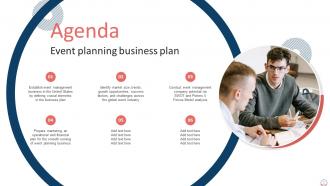
Slide 2: This slide depicts the Agenda of the presentation.
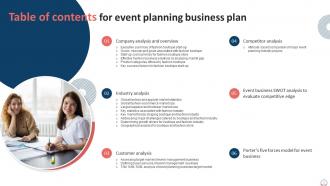
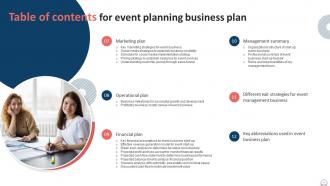
Slide 3: This slide includes the Table of Contents.
Slide 4: This slide further includes the Table of Contents.
Slide 5: This slide highlights the Title for the Topics to be covered further.
Slide 6: This slide showcases the executive summary of event management business plan.
Slide 7: This slide states the Mission, vision, and goals of start-up event business.
Slide 8: This slide showcases the start-up summary of event business.
Slide 9: This slide reveals the Market gap analysis to provide effective solution.
Slide 10: This slide focuses on products and services offered by event start-up to clients.
Slide 11: This slide highlights the Key success factors of event management startup business.
Slide 12: This slide indicates the Heading for the Contents to be discussed next.
Slide 13: This slide showcases the global market analysis of the event industry, including projected market size from 2020 to 2028.
Slide 14: This slide presents the Global event market analysis by type.
Slide 15: This slide states the Global event market analysis by revenue source.
Slide 16: This slide reveals the Global event market analysis by organizers.
Slide 17: This slide highlights the Global event market analysis by age.
Slide 18: This slide represents the Statistics associated with global event market.
Slide 19: This slide states the Key market trends shaping event industry.
Slide 20: This slide exhibits the Major challenges faced by event industry.
Slide 21: This slide focuses on Determining growth drivers for event industry.
Slide 22: This slide reveals US event market growth analysis.
Slide 23: This slide mentions about the Market segmentation of US event industry.
Slide 24: This slide shows the Title for the Ideas to be covered further.
Slide 25: This slide focuses on Assessing target market of event management business.
Slide 26: This slide deals with Defining buyer persona of event management business.
Slide 27: This slide represents the TAM SAM SOM analysis of event planning business target market.
Slide 28: This slide highlights the Heading for the Ideas to be discussed next.
Slide 29: This slide covers the comparison of major event planning industry players.
Slide 30: This slide states the Title for the Contents to be covered in the following template.
Slide 31: This slide showcases the strengths, weakness, opportunities and threats to evaluate competitive position of event management company.
Slide 32: This slide reveals the Heading for the Topics to be discussed next.
Slide 33: This slide highlights the Porter’s five forces model for event business.
Slide 34: This slide mentions about the Title for the Topics to be covered in the upcoming template.
Slide 35: This slide states the Key marketing strategies for event business.
Slide 36: This slide showcases the social media strategies to establish business credibility.
Slide 37: This slide indicates the Schedule for social media implementation strategy.
Slide 38: This slide presents the Pricing strategy to establish best price for event services.
Slide 39: This slide focuses on Understanding customer journey through sales funnel.
Slide 40: This slide depicts the Heading for the Contents to be discussed further.
Slide 41: This slide exhibits the Business milestones for successful growth and development.
Slide 42: This slide highlights the Profitable business model canvas of event business.
Slide 43: This slide portrays the Title for the Ideas to be covered in the upcoming template.
Slide 44: This slide states the Key financial assumptions for event business start-up.
Slide 45: This slide focuses on Effective revenue generation model for event business start-up.
Slide 46: This slide reveals the Break even analysis to determine business cost structure.
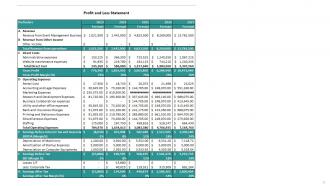
Slide 47: This slide showcases the projected profit and loss statement prepared by company to monitor financial results.
Slide 48: This slide continues the Projected profit and loss account to monitor financial results.
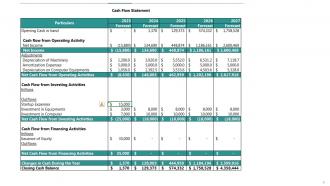
Slide 49: This slide covers the projected cash flow statement to determine business performance.
Slide 50: This slide continues the Projected cash flow statement to determine business performance.
Slide 51: This slide represents the projected balance sheet to analyze the financial position of the company.
Slide 52: This slide continues the Projected balance sheet to analyze financial position.
Slide 53: The purpose of this slide is to examine the effects of potential future events on the photography studio performance.
Slide 54: This slide continues the Scenario analysis with optimistic, pessimistic and nominal cases.
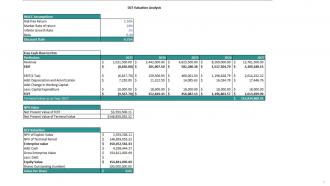
Slide 55: This slide shows the Discounted cash flow to estimate investment value.
Slide 56: This slide indicates the Heading for the Idaes to be discussed further.
Slide 57: This slide represents the organizational structure of event start up company.
Slide 58: This slide shows the professional summary of event business start-up founder.
Slide 59: This slide exhibits the Roles and responsibilities of key management team.
Slide 60: This slide continues the Roles and responsibilities of key management team.
Slide 61: This slide includes the Title for the Topics to be covered next.
Slide 62: This slide highlights the Different exit strategies for event management business.
Slide 63: This slide contains the Heading for the Contents to be discussed further.
Slide 64: This slide presents the Key abbreviations used in event business plan.
Slide 65: This is the Icons slide containing all the Icons used in the plan.
Slide 66: This slide is used for depicting some Additional information.
Slide 67: This slide highlights the company-related information.
Slide 68: This slide incorporates the organization's vision, mission and goal.
Slide 69: This is the 30 60 90 days plan slide for effective planning.
Slide 70: This is the Quotes slide for motivation.
Slide 71: This is the Venn diagram slide.
Slide 72: This slide showcases the firm's Roadmap.
Slide 73: This slide contains the Post it notes for reminders and deadlines.
Slide 74: This slide exhibits the company's targets.
Slide 75: This is the Thank You slide for acknowledgement.
Event Planning Business Plan Powerpoint Presentation Slides with all 82 slides:
Use our Event Planning Business Plan Powerpoint Presentation Slides to effectively help you save your valuable time. They are readymade to fit into any presentation structure.











































































FAQs for Event Planning Business Plan
So for your event planning biz, start with figuring out your target market - that's honestly the foundation for everything else. You'll need a solid market analysis showing who these people are, plus what services you're actually offering (weddings vs corporate stuff, etc.). The financial projections are huge - startup costs, pricing, all that. Most people totally blow this part and underestimate what things actually cost. Oh and definitely pick a niche instead of trying to do everything - learned that one the hard way! Don't forget the boring operational stuff like vendor relationships and how you'll handle logistics. Marketing plan too, obviously.
Honestly, market research is what separates actual businesses from pipe dreams. Without it, you're just guessing at everything - pricing, competitors, what people even want. I've watched so many planners crash because they pulled numbers out of thin air. Do some basic competitor research first, then survey potential clients in your area about what they'd pay. You'll figure out where the gaps are and what rates actually make sense. Oh, and you'll catch trends early instead of being that person who's always behind. Trust me, even basic research will make your business plan ten times stronger than most people's.
So you're gonna need revenue forecasts broken down by event types and sizes, plus all your startup costs and monthly expenses. Cash flow projections for three years minimum. Wedding season's obviously huge compared to like, dead January - factor that in. Equipment, insurance, marketing, your eventual salary when things pick up... include it all. Honestly, be super conservative with revenue estimates because building a client base takes forever. I'd do three scenarios: best case, worst case, and realistic. That way you won't get blindsided if things don't go perfectly.
Honestly, demographics are everything when it comes to positioning your business. Millennials want Instagram-worthy experiences and tech stuff, but corporate clients? They just care about smooth logistics and seeing ROI numbers. Your pricing, service packages, even which vendors you work with - it all depends on age, income, lifestyle factors. I definitely learned this one the hard way when I started out! Marketing channels shift too. LinkedIn works for corporate events, TikTok's better for younger crowds planning parties and celebrations. Survey your current clients first to spot patterns, then build your whole strategy around what you find.
Pick a niche and own it - eco-friendly events, corporate stuff, cultural celebrations, whatever clicks with you. Being super organized and reliable? That's honestly huge in this industry since so many planners flake out. 24/7 client communication or same-day vendor responses can set you apart too. Oh, and exclusive vendor relationships are gold if you can swing them. My cousin does events and she swears the "boring" reliability factor gets her more referrals than anything fancy. Don't spread yourself thin trying to do everything - just nail 2-3 things you're actually good at.
Okay so first thing - figure out your niche. Wedding planner? Corporate events? Pick one and stick with it, trust me on this. Your visual branding needs to be on point everywhere - logo, Instagram, business cards, all of it. This industry is super visual so people literally judge you by how polished you look. Oh and create some kind of signature experience clients will remember, like a cute welcome gift or being the person who saves the day when shit hits the fan. Get professional photos of everything you do for your portfolio. Word-of-mouth is everything in this business, so just focus on doing great work consistently. Referrals will follow.
Honestly, tech can be a game-changer for event planning if you don't go overboard. Project management stuff like Asana keeps timelines organized, and CRM software handles all your client chaos. Event apps are pretty clutch right now - RSVPs, schedules, networking features bundled together. VR venue tours are cool too, though maybe overkill for smaller events? Live streaming and social media integration definitely expand your reach. Here's the thing though - pick maybe 2-3 tools max that actually fix your biggest headaches. I've seen planners get totally overwhelmed trying every new platform that pops up.
So you'll definitely need a basic business license from city hall or your county office. Sales tax permit too if your state does that. Working from home? Probably need a home occupation permit - honestly such a pain how every city does this differently. For bigger events you might need special permits, and don't forget liability insurance (not technically a license but you really want it). Oh and vendor permits if you're actually selling stuff at events. I'd just call your local small business office first, they'll know exactly what hoops you gotta jump through in your area.
Honestly, the biggest thing is weaving risk management into your ops and financial sections instead of treating it like an afterthought. Map out the obvious stuff first - vendors bailing, weather disasters, nobody showing up, going over budget. Then write down your backup plan for each one. Set aside about 10-15% for emergencies (trust me on this), keep a list of backup vendors, and nail down your insurance needs. Oh, and don't forget timelines for when everything goes sideways. Document how you think through risks so investors know you're not just winging it. Crisis communication plans are clutch too.
Honestly, most of us totally undercharged when starting out - don't make that mistake! Research what other planners in your area charge first. Then go with value-based pricing instead of hourly rates. Clients aren't paying for your time, they're paying for a stress-free wedding day. Tiered packages work really well because people usually pick the middle option anyway (psychology is weird like that). I'd do an upfront planning fee plus percentage-based fees for vendor stuff. Price yourself confidently based on what you actually bring to the table - your experience matters more than you think.
Break down your marketing into specific channels with real budget numbers. Map out who you're targeting, then show exactly how you'll reach them - social media, networking events, vendor partnerships, referrals. Honestly, tracking ROI on each channel is crucial (I blew way too much on Facebook ads that flopped). Your promotional calendar should cover the whole first year. Wedding season, corporate events - hit those seasonal peaks hard. Investors want to see actual costs and expected returns, not vague promises. Oh, and don't forget about those vendor relationships - they're goldmines for referrals if you do them right.
Okay so networking is literally everything in event planning - that's how most people actually build their client base. Other vendors will refer you, venues will recommend you, and happy clients always know someone getting married or throwing a work party. The whole industry is weirdly small, so your reputation spreads super fast (good or bad lol). Don't just pitch your services though - actually build real friendships with photographers, caterers, florists, venue people. Join those local wedding groups and go to their mixers. Oh and always text new contacts within like 48 hours or you'll totally forget.
So hybrid events are massive right now - blending in-person with virtual stuff. Sustainability's another big one, like eco-friendly venues and zero-waste catering. Everyone wants those personalized touches that feel special to them. Tech's everywhere too - interactive apps, live streaming, those social media walls. Micro-weddings are still going strong, which honestly surprised me since we're past all the COVID restrictions. Wellness is creeping in more - meditation spaces, healthier food options. For your business plan, definitely play up the sustainable practices and tech angle. That's what'll make you different from all the other planners out there.
Dude, sustainability is where it's at right now. Clients are literally hunting for eco-friendly planners, especially the younger corporate crowd - they won't even consider you without it. I've seen planners land huge contracts just by pitching waste reduction and local sourcing. Plus you'll save money long-term since you're not throwing cash at disposable stuff. Digital invites instead of paper, carbon offsets, that whole thing. Honestly, most of your competition hasn't figured this out yet so you'd have a real edge. Get a green cert or two and make it your thing - boom, instant differentiator.
Honestly, start with client satisfaction scores - that's what gets you repeat customers and referrals. Profit margins per event type matter too because some gigs are total headaches for barely any money. Your booking conversion rate from inquiries is huge, plus average revenue per event. On-time/budget completion rates keep your reputation solid. Oh, and vendor relationships! They can seriously make or break you if things go sideways. I'd focus on these basics first - you can always get fancier with tracking later once you've got the fundamentals down.
-
Editable templates with innovative design and color combination.
-
Unique and attractive product design.
-
Excellent design and quick turnaround.
-
“Thank you to the SlideTeam. Your presentations look really skillful and have made my life so much easier.”